


The 2025 stock market correction and Nasdaq 100 bear market have many investors reliving flashbacks of their experience investing through the 2000 dot-com bubble bust or the 2008 Great Financial Crisis. Undoubtedly, there have been less vicious bear markets in the past two and a half decades that this current sell-off may follow in the footsteps of. In any case, hoping for the best (a low-to-no-tariff scenario) while expecting the worst (tit-for-tat tariffs) may be prudent for investors hoping to feel less pain on the way down. Whenever there’s a back and forth on tariffs, it can feel like stocks are falling into a bottomless pit.
Just this week, Donald Trump threatened to slap an additional 50% tariff on goods imported from China. Just how much salt will be added to the wounds of investors from a gradual raising of the bar on tariffs? Probably a whole salt shaker’s worth. Either way, investors’ pain tolerance is going to be put to the test. And if you’re already at your max threshold (say you’re hoping to retire within the next year or two), it just makes sense to think about rotating into safer plays that will allow you to stay invested in America without having to feel the full force of every new Trump tariff threat.
Getting ready for a Trumpcession
Indeed, it’s hard to tell what’s really on President Trump’s mind as he moves forward with an incredibly risky plan that risks the health of an otherwise robust world economy that stands to get an AI boost. And with Mad Money’s Jim Cramer recently ringing the alarm bell over how bad things could get for markets (he called for a Black Monday that simply did not materialize) while also encouraging staying the course with a defensive tilt, perhaps channelling his dot-com bust playbook, now doesn’t seem like the best time to be a hero if you’re closing in on retirement.
That said, staying the course and buying the dip, I believe, remains the way to go despite the growing threat of tariffs, at least from a longer-term perspective. But if your imminent retirement is at risk, shifting gears from risk-on to risk-off isn’t the worst idea in the world, at least in my opinion.
At the time of this writing, the odds that the U.S. economy falls into a recession have swelled to 60%, according to JPMorgan (NYSE:JPM | JPM Price Prediction). Goldman Sachs (NYSE:GS) isn’t that much more optimistic, with its odds currently pinned at 45%. When a recession is likelier than not, it’s vital not to panic, but buckle your seatbelt and hang onto something as we fly through some period of increased turbulence.
For those who weren’t invested in stocks during 2000 or 2008, it can be easy to fall victim to various traps that more seasoned, experienced investors may be more financially and emotionally prepared for.
Have some cash handy. Don’t spend it all at once.
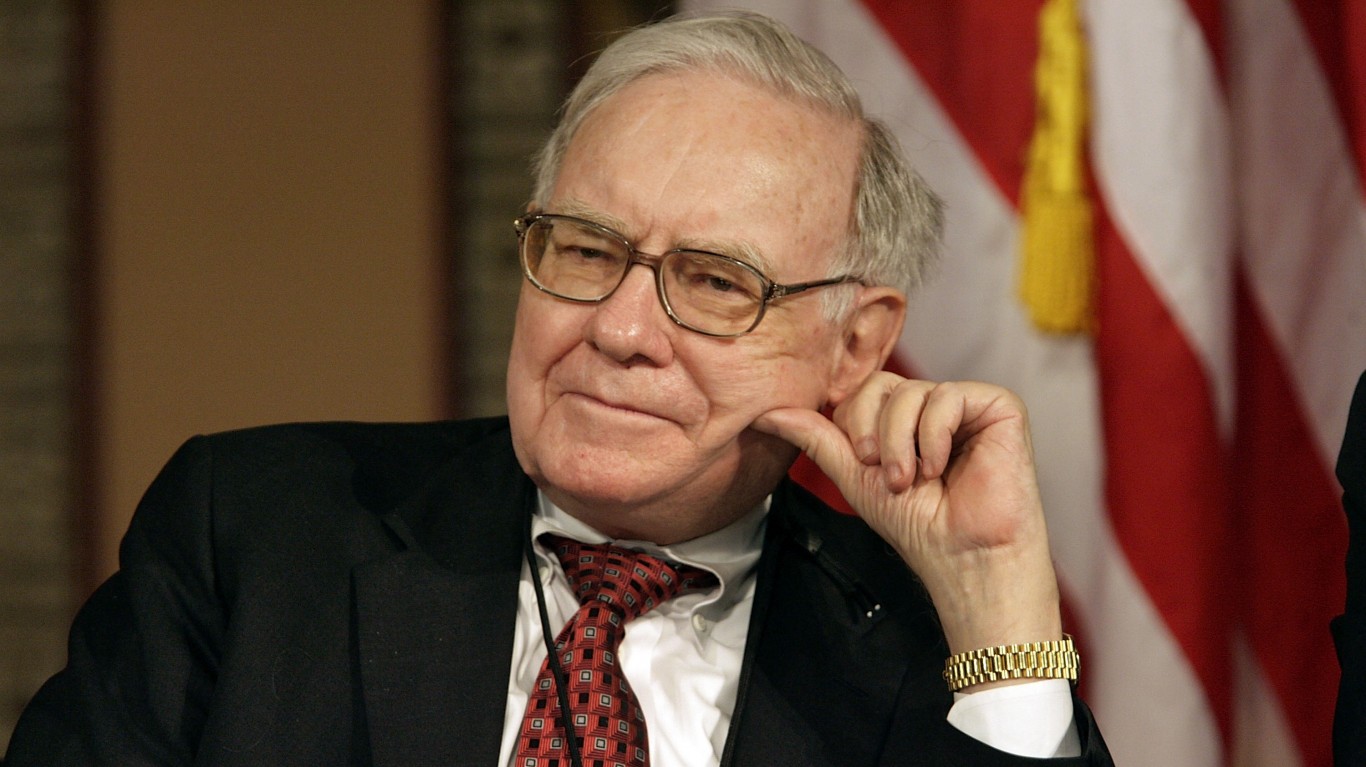
Now we know why Warren Buffett has been hoarding record sums of cash. While it doesn’t feel too great to hoard cash amidst an AI-fuelled bull market, having a backup plan is only prudent, even through the best of times. Buffett knows better than most that some extraordinary things can happen in markets. And if there’s a sudden implosion, you’d better have enough cash to meet your needs should your income stand to be disrupted, perhaps with a bit more to put to work on stocks once they fall unexpectedly to bargain-basement prices. Indeed, recessions can make dry powder hard to come by, as employment takes a hit, incomes dry up, and cash reserves are depleted. Under such a scenario, some investors may be forced to the ropes, forced to shore up some cash by selling stocks at a loss.
In any case, having enough cash can be a great idea when the market begins to break down and investors become more willing to let go of their stocks at discounts to their intrinsic worth. Of course, such discounts could disappear overnight (think the V-shaped bounce in April 2020) or become markedly better with time (the 2008 market crash). It’s impossible to know what “shape” the recovery will be or how much pain will be dealt before the bottom is in.
That’s why considering all potential outcomes can be a good idea. Either way, I think it’s important to have enough liquidity so you’re not forced to hit the sell button after a sharp downward move in the stock market. And unlike the 2020 crash or 2022 bear market, which weren’t accompanied by long-lasting, severe recessions, a 2000 or 2008 scenario could entail navigating tougher terrain for some number of years.










 Top Gaining Stocks
 Top Losing Stocks