


Apart from infidelity, the early death of a spouse is probably among the most devastating events that can impact a marriage. While younger couples nowadays may be better equipped to find resources online, there are those who are post baby boomer and early Gen-X age that are still limited technically. Additionally, they may still be in their 50s and had only begun planning for post-middle age concerns, like burial plots, wills, health care proxies, and other related topics.
In instances where the family may be a one-income home and children are grown, a surviving non-working spouse can feel overwhelmed if they are unprepared for the tasks of funeral preparations and probate, and other state matters. Chief among priority concerns can be replacement of lost income, especially if the deceased was the breadwinner.
Social Security Survivor’s Benefits – Ins and Outs
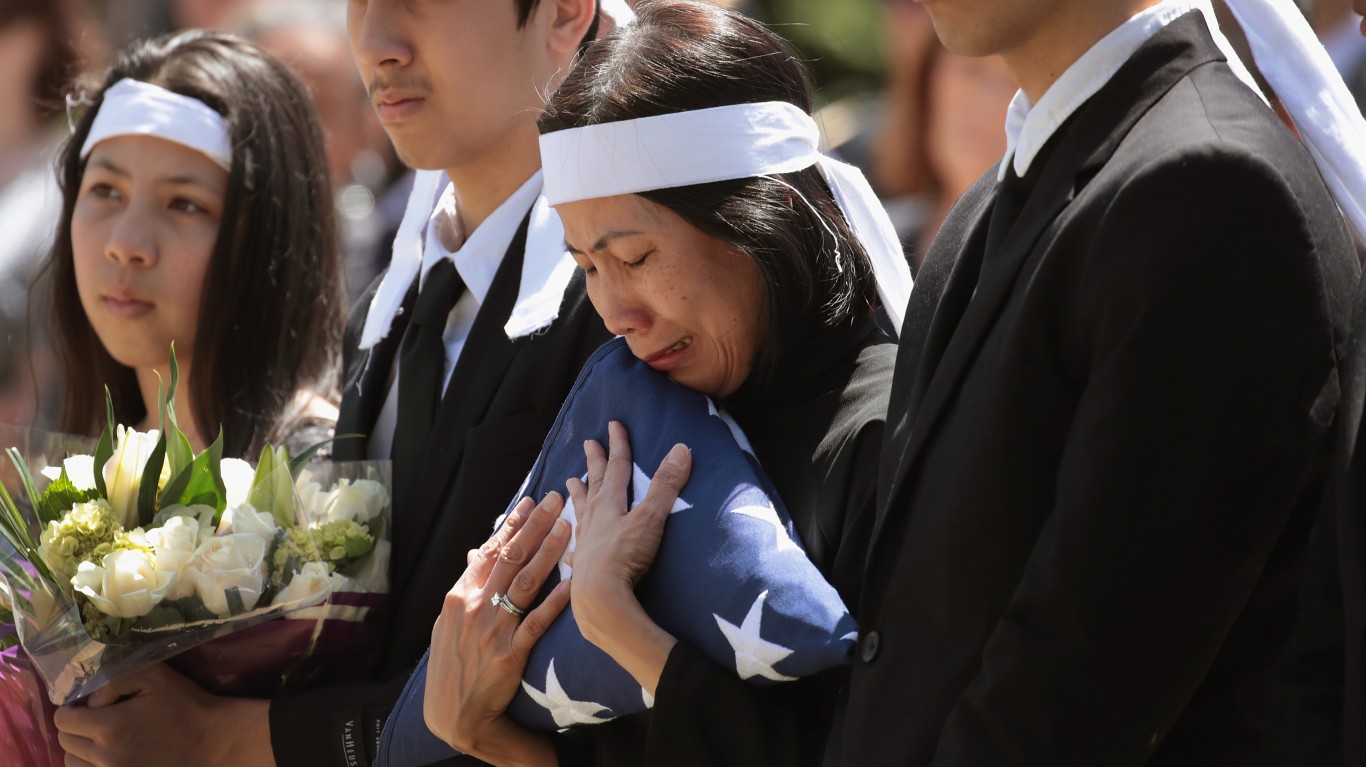
When the family breadwinner dies suddenly, the surviving family members may have more options for government assistance than a sole surviving spouse who is still years away from retirement age.
A Reddit poster sought advice to address a recent tragedy in the family. The poster’s age wasn’t referenced, but they cited the circumstances of the family’s plight, and inquired what options might be in the cards to obtain Social Security benefits. The parameters involved:
- The father passed away at age 59, apparently unexpectedly and without warning.
- The mother, age 57, is trying to “pick up the pieces”, but is overwhelmed.
- Money concerns are at the top of the list – as a widow, she may be entitled to her late husband’s pension and other retirement benefits, but access depends on the specific plan’s rules and may be available before retirement age in some cases.
- The poster confesses that any previous deaths in their extended family occurred to members when they were young or already in retirement age, but never in the “in between” zone of near retirement.
Crafting A Benefits Plan

The various respondents offered a number of helpful suggestions and advice tips:
- Most concurred with the info about the benefits becoming available to a surviving spouse starting at age 60.
- One respondent asked if there was any life insurance policy that might be in effect.
- Another mentioned the importance of filing for Medicare before the mother reached age 65.
- While age 60 was when the mother became eligible to file for survivor’s benefits, several respondents pointed out that the benefits would only amount to about 70%. Full benefits would be awarded after age 67.
- One respondent cautioned that any remarriage prior to age 60 would nullify filing eligibility for survivor’s benefits.
- Speaking directly with the late husband’s employee benefits person at his job would be the best source of information regarding his pension and the access protocols for a surviving spouse.
Surprisingly, a few details that were never mentioned by the respondents but would be helpful for the poster to bear in mind for their mother included:
- An automatic eligibility at age 50 if the surviving spouse had a disability.
- Survivor’s benefit was available for any age filer if they have one or more children under age 16 or who became disabled before age 22.
- Remaining unmarried until after age 60.
This article is written to be read solely on an informational basis. It is suggested that anyone seeking more in-depth advice consult with a financial professional.














 Top Gaining Stocks
 Top Losing Stocks