



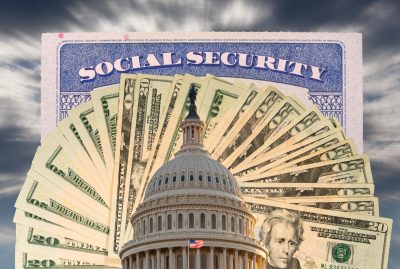
Social Security is a universally popular benefits program that has kept millions of seniors out of poverty. It is also in financial trouble. The most recent trustee’s report indicated that the program’s trust fund will be depleted in 2035, necessitating an across-the-board cut to the benefits being paid, since the only money available to pay them will be coming from revenue generated by current workers.
With seniors counting on Social Security to make ends meet, the government has a big problem on its hands. Since the deficit is already very high and Medicare costs are expected to see rapid cost increases as the population ages, it would be very difficult for lawmakers to just bail out the struggling program with an influx of cash — at least not without making some big changes first.
And, those changes could result in higher earners one day seeing smaller Social Security checks.
Why the rich could be targeted in a bid to save Social Security
Social Security is already set up so that rich people get less. The benefits formula is progressive, and those who earn less money will find themselves having a larger percentage of their income replaced than their wealthier counterparts.
However, there have been many proposals aimed at fixing the benefits shortfall, and a good number of them all target higher earners and reduce their benefits even further. For example:
- Many lawmakers, including Bernie Sanders and Elizabeth Warren, have suggested that wealthy people pay Social Security taxes on a larger share of their income but not see a resulting benefits increase. Since benefits have always been directly linked to taxes paid in, this would be a big effective benefit cut.
- Some policy analysts and experts, including the Brookings Institution, have floated the idea of increasing full retirement age for high earners so they have to wait longer to claim their full benefits. This is a de facto benefits cut since they either get fewer years of benefits or smaller benefits. The Brookings Institute also advised taxing all of the Social Security benefits of the rich, instead of just part of them, which is currently the rule. Giving more money to the IRS would also effectively reduce the benefits of the rich.
These changes would be major ones that undermine the fundamental promise of Social Security as an earned benefit, which everyone pays into and collects their fair share from. However, they may be less politically painful than changing the full retirement age for all Social Security retirees or allowing the automatic benefit cuts to occur.
Everyone should plan for a secure retirement without their full Social Security benefits

While there’s a good chance the wealthy will be asked to sacrifice to help save Social Security, the reality is that no one can predict with 100% certainty what the government will do, or if they will be able to reform the benefits program before the automatic cuts happen.
This is why everyone, rich or poor, should aim to save enough money to get by without Social Security if they have to. Of course, having these benefits can be a great financial help, but since those receiving them ultimately have no control over whether they get the full amount, there is always going to be some uncertainty.
If you have a big enough nest egg invested, then it won’t matter so much what Social Security does. You can still support yourself regardless of the assistance the government does, or does not provide. A financial advisor can help people at all income levels to make sure they are saving and investing the right way to ensure their financial security, no matter what the future of Social Security looks like.











 Top Gaining Stocks
 Top Losing Stocks