


Social Security benefits will be paid until you pass away, and periodic Cost of Living Adjustments in most years ensure that your benefits largely keep pace with inflation so your buying power does not decline.
These benefits are very valuable for these reasons, so it makes sense to try to maximize what they can do for you. One way that you can do that is by investing in a Roth IRA throughout your career when you are saving for your retirement.
Here’s why putting your money into a Roth can help ensure your Social Security benefits go further.
Why a Roth IRA is an ideal account to stretch your Social Security checks
Investing in a Roth IRA is one of the best ways to make sure your Social Security checks go further because choosing a Roth over a traditional account may allow you to keep more of your benefits instead of sending the money to the IRS.
See, Social Security benefits are taxable once your income reaches a certain level. You could owe tax on up to 50% of your benefits if your income is between $25,000 and $34,000 as a single tax filer. Once your income is above $34,000, you could owe taxes on up to 85% of your benefits. If you’re a married tax filer, you’ll owe taxes on up to 50% of your benefits once your income is above $32,000 and on up to 85% once you’ve earned $44,000 or more.
The definition of “income” for these thresholds is different than the standard definition, though. The SSA uses “provisional income,” which is calculated by adding in all your taxable income, 1/2 of your Social Security checks, and some non-taxable income like MUNI bond interest.
However, the key thing to note is that Roth IRA distributions are not part of your taxable income. They do not count in this calculation. So, you can withdraw as much as you want from your Roth IRA each year without making your Social Security benefits taxable (assuming your other income isn’t above the limits). This allows you to make those benefits stretch further because you don’t have a big tax bill to pay.
Consider the big picture when you’re making a retirement investing plan
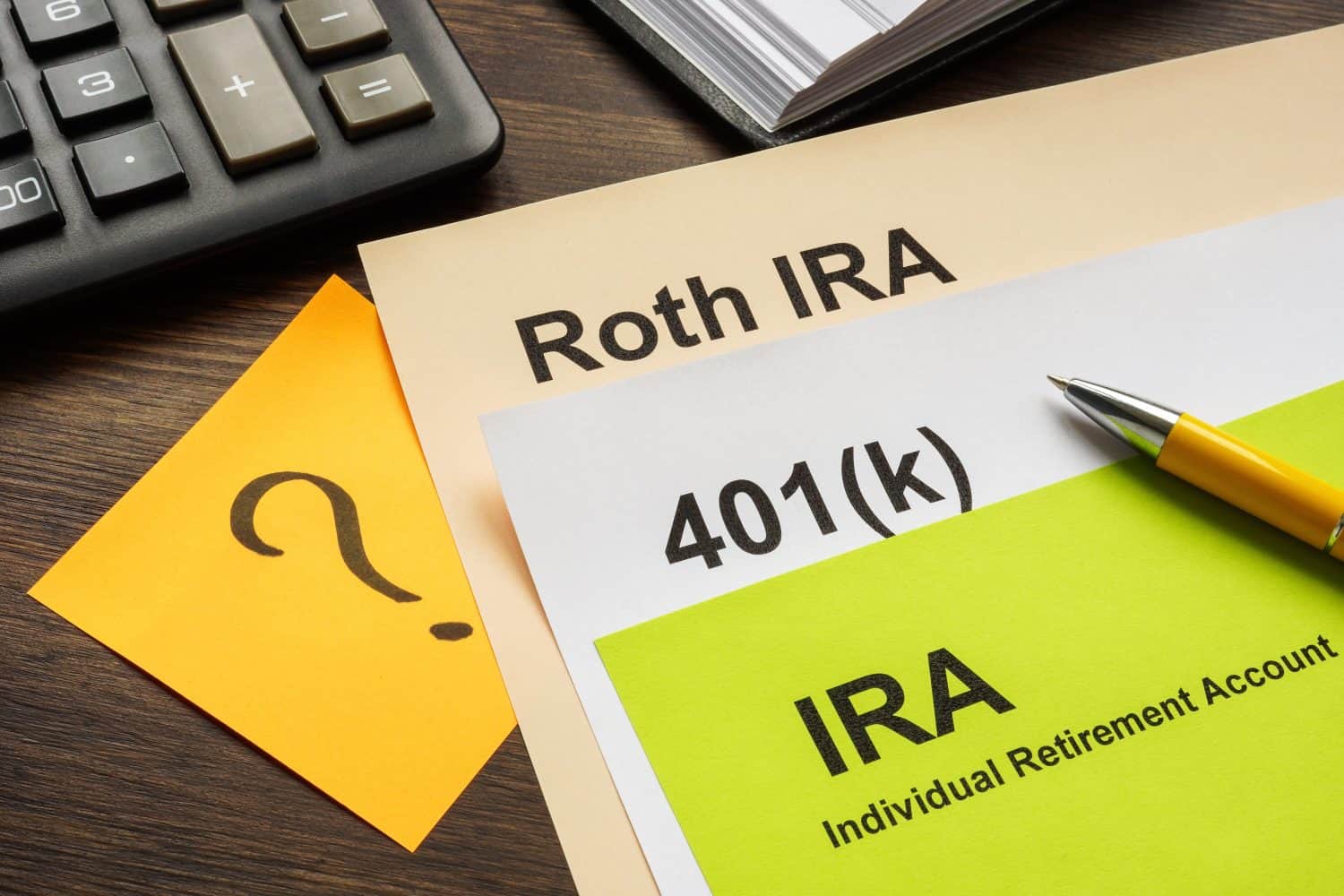
Many different factors affect the type of retirement account that’s best for you. You should consider things like your current tax bracket, whether you’d prefer an upfront tax break for investing (which Roth accounts don’t provide), or whether you’d rather take tax-free distributions as a retiree (which is the big selling point of a Roth).
For many people, a Roth does make sense, especially as tax rates are near historic lows right now and many experts project that rates are going to increase over time due to the aging population and the significant amount of debt the government has taken on. The thresholds at which Social Security benefits become taxable are also not indexed to inflation, which means more and more people are going to reach the income level where their benefits become taxable over time if they don’t opt for a Roth.
Ultimately, your best bet may be to talk with a financial advisor about your current and likely future financial situation so you can make a tax-efficient retirement investing strategy that sets you up for the security you deserve. Chances are good that a Roth is going to be part of that, especially given that it can protect your Social Security and allow you to use more of these critical benefits for your essential expenses in your later years.












 Top Gaining Stocks
 Top Losing Stocks