


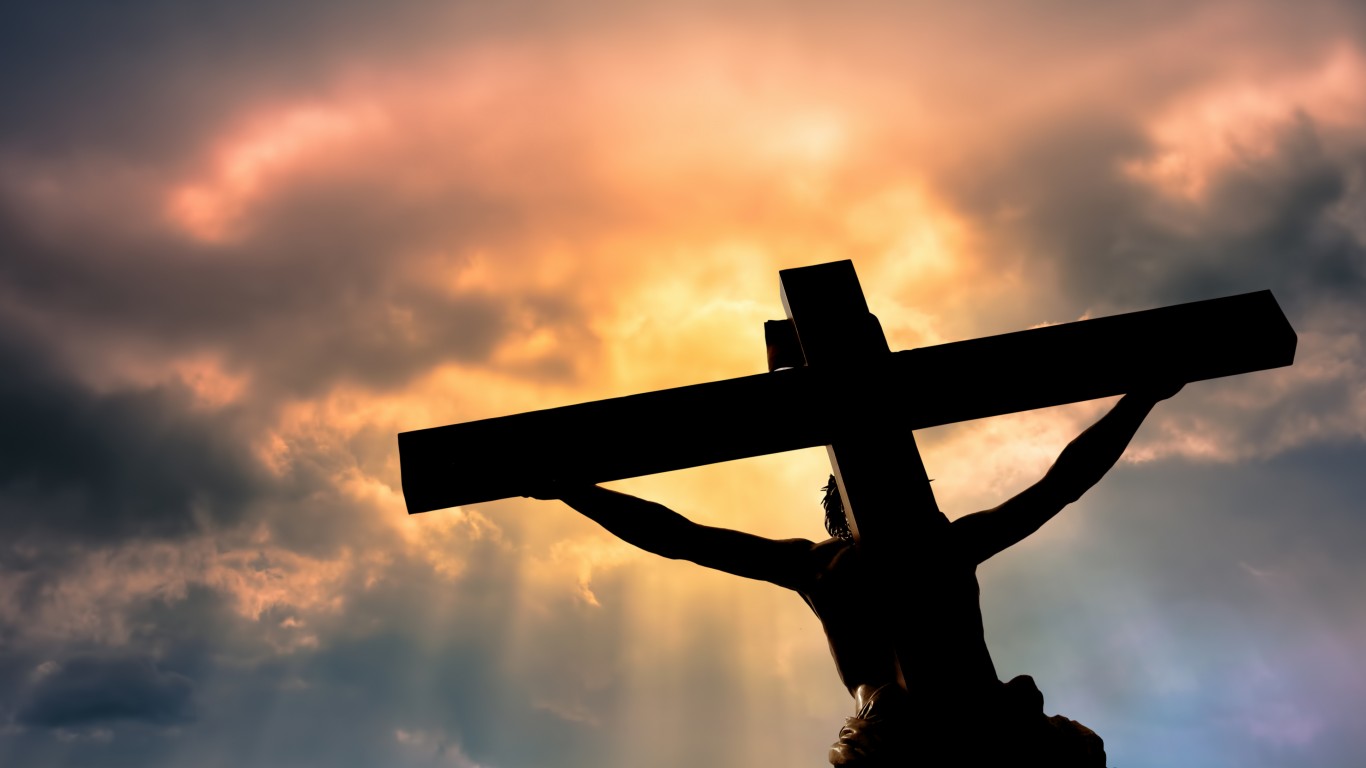
The United States is home to multiple religions and various religious affiliations. According to a 2023 Gallup poll, 68% of Americans identify as Christian (33% Protestant, 22% Catholic, 13% “other”), 3% as an unidentified non-Christian religion, 2% as Jewish, 1% as Muslim, and 1% as Buddhist. 22% of Americans also reported that they were not religious at all. The percentage of people identifying as Christian has fallen over the years. For example, in 1973, 87% of adults considered themselves to be Christian. This represents the changing religious landscape in the United States, where religion has become less resonant for many people. The poll also fell that church attendance and membership is declining. Despite these changes, religion remains a very centering and grounding belief system for a large portion of people across our nation — including our presidents and politicians. (These countries are home to the most atheists.)
Many U.S. presidents hold strong religious views — some of which shape them personally, and some of which shape the policies and platform they push. From the time our nation was founded until now, we have also seen quite a spread of religious beliefs by our presidents, ranging from Catholicism and Episcopalianism to Quakerism. To identify the religious beliefs of all U.S. presidents, 24/7 Wall St. analyzed data from multiple sources such as PBS, the Pew Research Center, and Gary Smith Scott’s Religion in the Oval Office: The Religious Lives of American Presidents. Although some presidents served more than one term, all presidents are only listed once. The list is ordered from most recent president to earliest president. Donald Trump is listed second rather than first given that he will not take office again until January, making Joe Biden still the most recent president.
Why We’re Sharing Presidential Religiosity
Religion has played a huge role in shaping how U.S. presidents lead the nation and engage with voters. Looking at presidential backgrounds and how their faith developed is key to understanding how and why they made the decisions that they did. It also gives us a better idea of how faith in America has shifted over time. While some presidents lived at times when Protestant Christianity was more popular, others represent the increased acceptance of other Christian denominations and even Quakerism. Our country has long valued faith in many ways. But we also live by the doctrine of separation between church and state. These presidents had to balance their personal beliefs with their public duties — but was it always successful?
Here are the religious backgrounds of every U.S. president:
45. Joe Biden
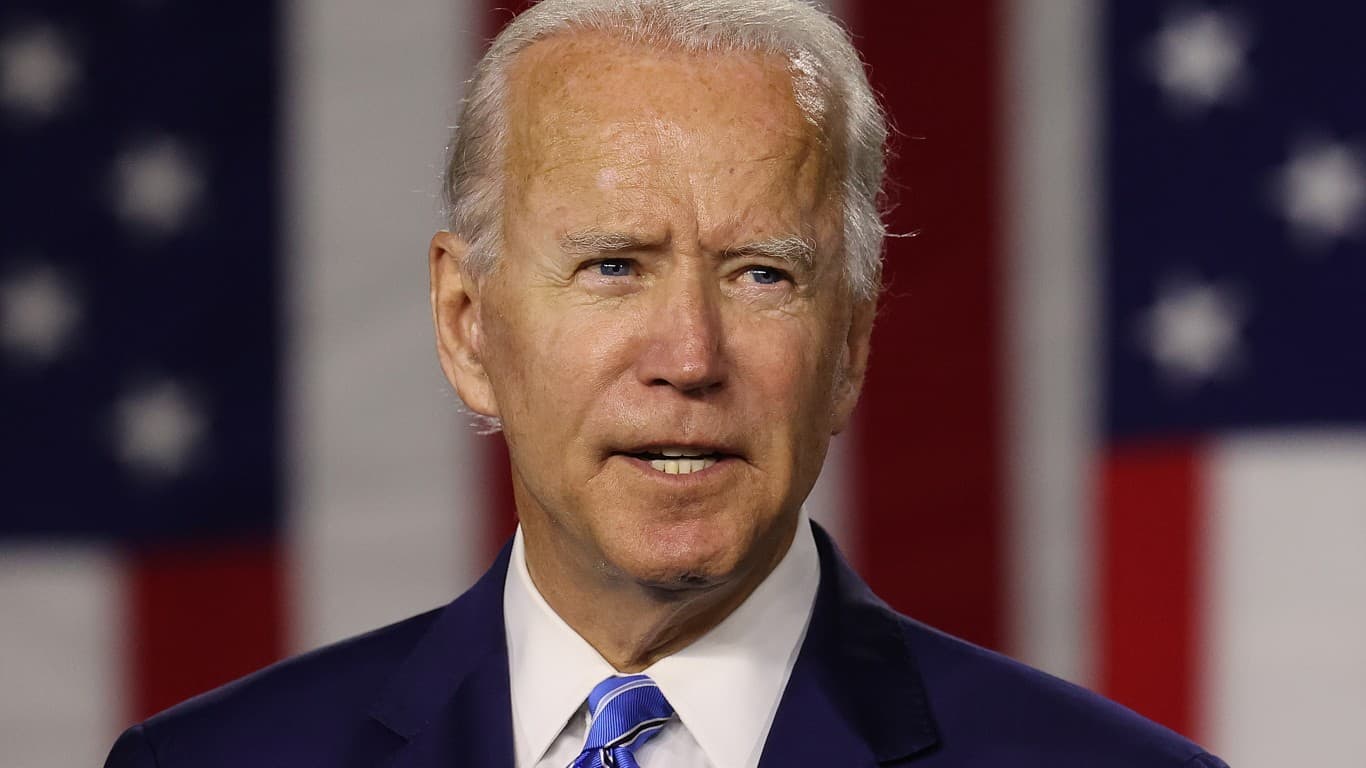
- Religious affiliation: Roman Catholic
Even though 20% of the U.S. population is said to be Catholic, Joe Biden is only the second Catholic president that our country has seen. Biden was raised in the church. However, he had difficulty balancing faith and politics during his time in office. His stance as pro-choice left him exposed to attacks from the church, and he was even refused communion.
44. Donald Trump
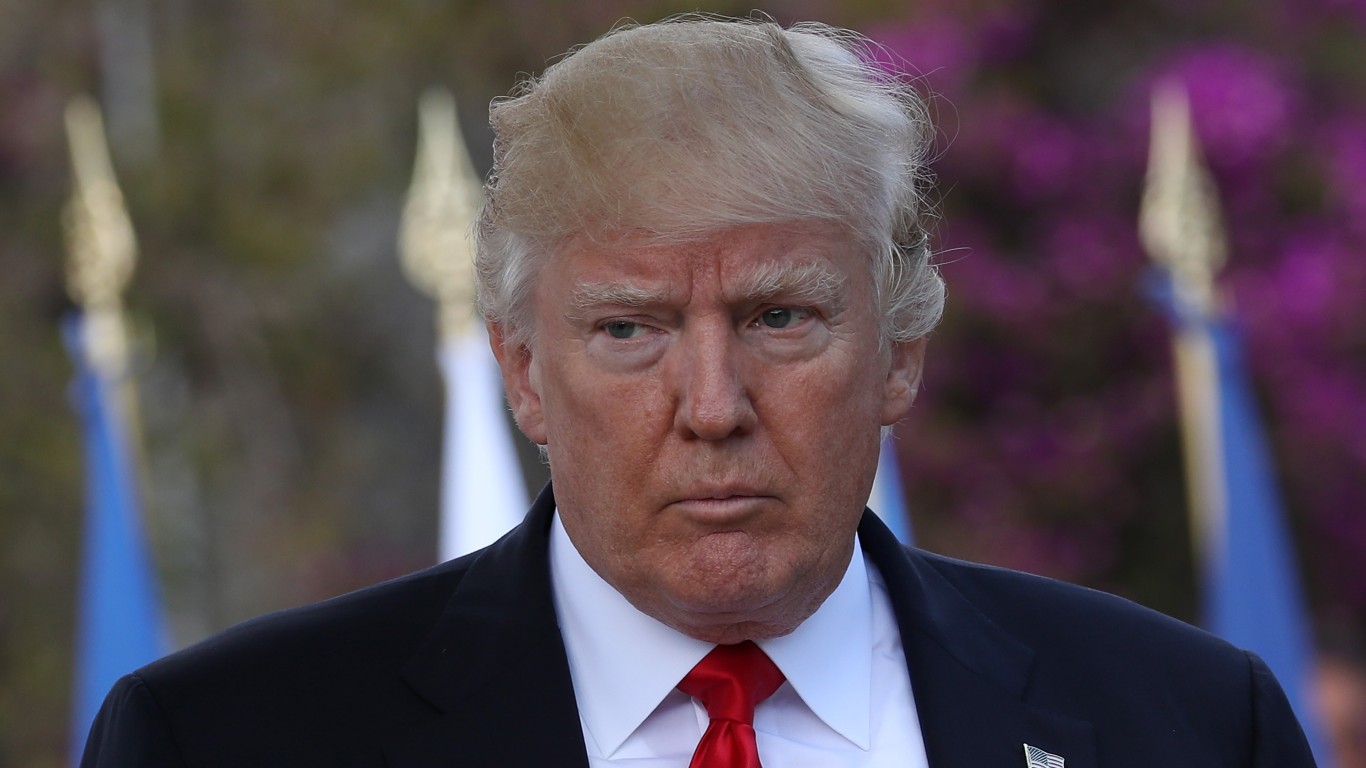
- Religious affiliation: Non-denominational
Donald Trump’s family has been affiliated with the Reformed Church in New York. However, his exact religious beliefs are unclear. Although he was confirmed in the church and has previously referred to himself as Presbyterian, he has since acknowledged that his religious beliefs have somewhat changed. In 2020, Trump declared himself to be a non-denominational Christian.
43. Barack Obama

- Religious affiliation: Non-denominational Protestant
During his presidency, many people falsely accused Barack Obama of being Muslim. However, Obama is actually a non-denomenational Protestant. He was not raised in a religious home, but became a member of the Trinity United Church of Christ in 1992. He attended the church for 16 years, but eventually resigned from the church following its pastor’s controversial comments.
42. George W. Bush

- Religious affiliation: Methodist
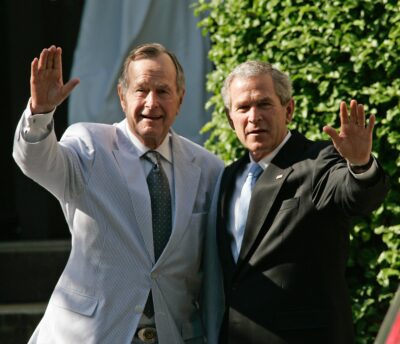
Raised in the Episcopalian faith like his father, George W. Bush became Methodist after marrying his wife. He believes very deeply in the tenets of Christianity and the idea of a heaven. As it stands now, George W. Bush considers himself to be a “born-again” Christian and credits giving up drinking due to religion.
41. Bill Clinton
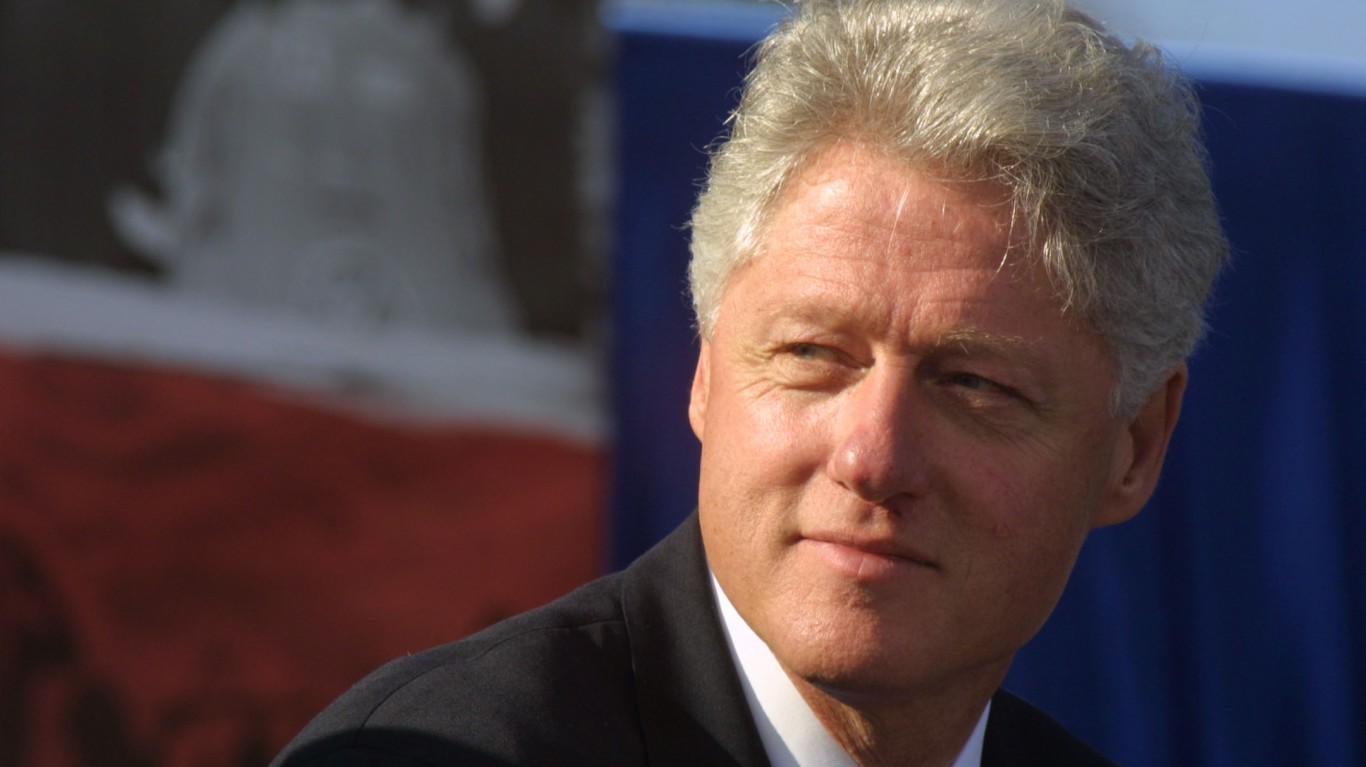
- Religious affiliation: Baptist
Bill Clinton was baptized at a young age and, as an adult, frequently discussed his faith and beliefs. He believed in religious liberty and often included biblical references in his speeches. However, Clinton was criticized for his actions in office, including an affair with Monica Lewinsky, which made many people feel as though his actions were counter to his religious doctrine.
40. George H.W. Bush
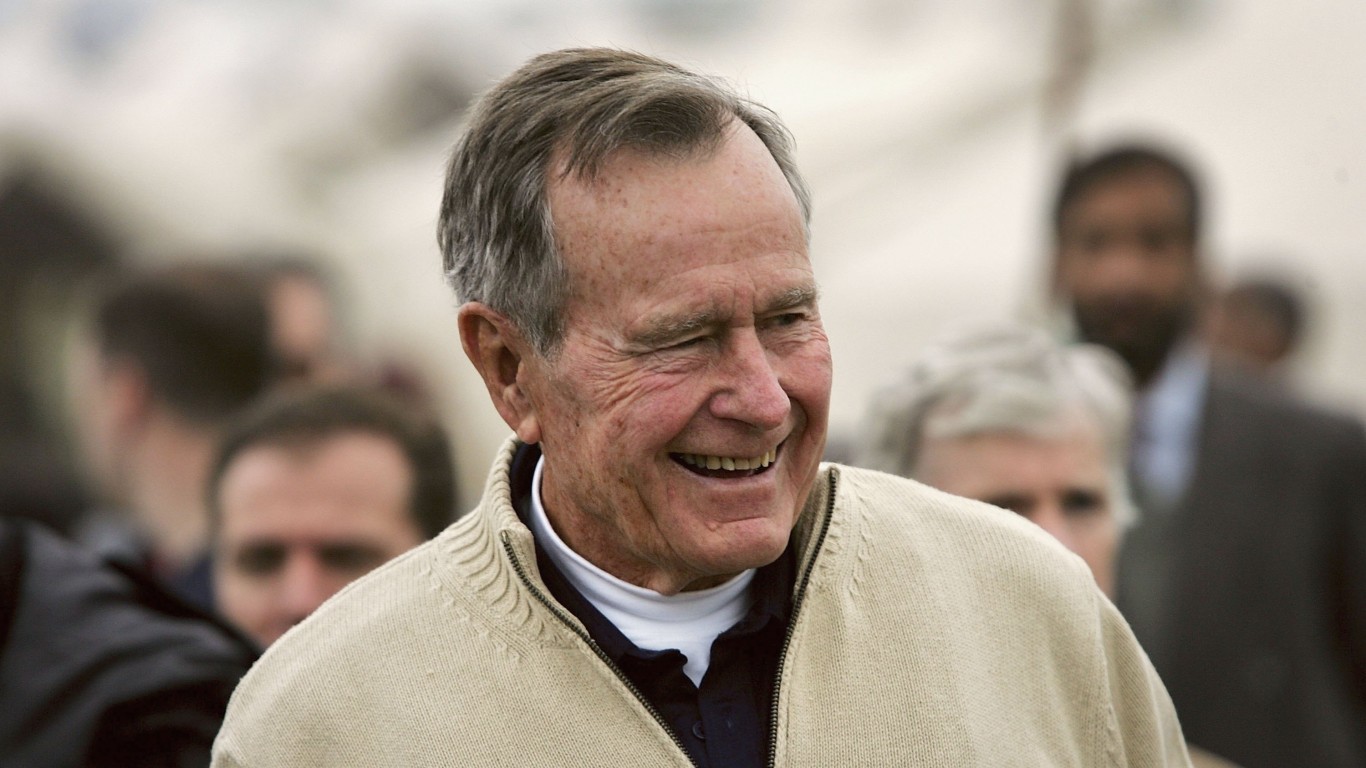
- Religious affiliation: Episcopalian
George H.W. Bush was raised in a devout Episcopalian household, and carried his Episcopalian beliefs throughout his life. Throughout his presidency (and beyond it, too), Bush remained an active member of the Episcopalian church. While he wasn’t as outward in discussing his faith as some other presidents, he did add faith-based messaging to his speeches and reiterated that the U.S. was one nation under God.
39. Ronald Reagan
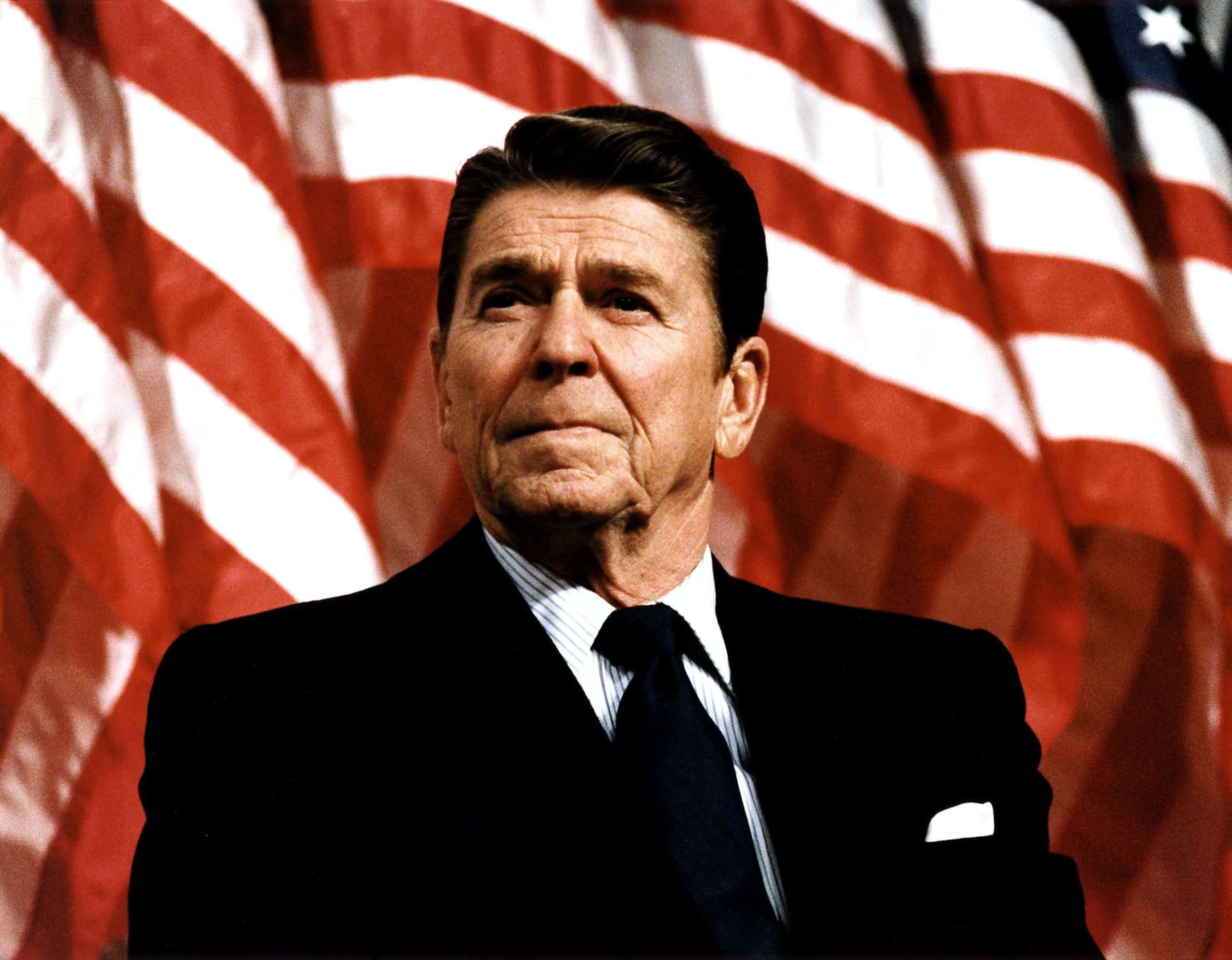
- Religious affiliation: Presbyterian
Raised as a Disciple of Christ, Ronald Reagan switched affiliation to Presbyterian later in life. He pushed for a voluntary school of prayer but avoided church services during his presidency.
38. Jimmy Carter
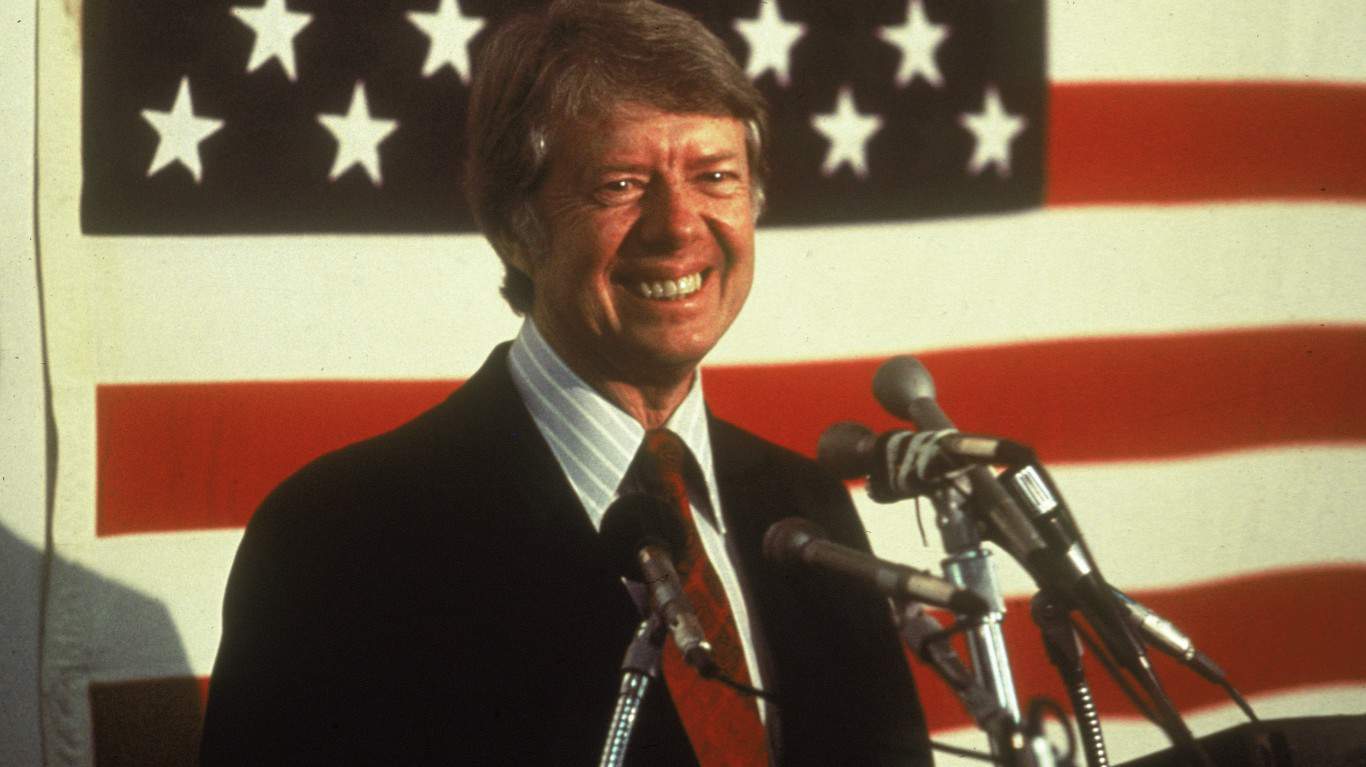
- Religious affiliation: Baptist
Considered one of the most openly religious presidents, Jimmy Carter was raised a Baptist. When he turned 18, he served as a deacon and taught Sunday school. He was known for regularly praying as President and writing religious books while in office.
37. Gerald R. Ford
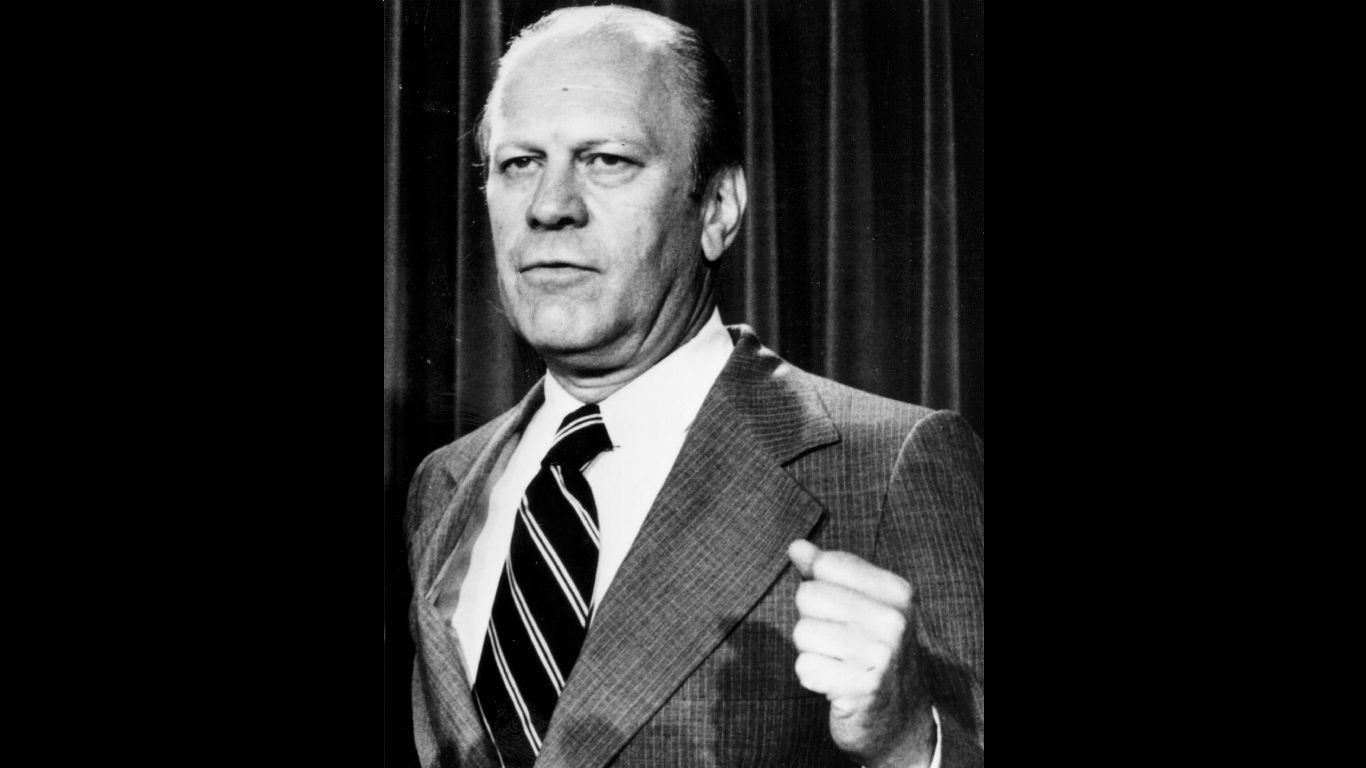
- Religious affiliation: Episcopalian
Raised as an Episcopalian, Gerald Ford wasn’t religious. However, he considered himself a man of Christian faith and attended weekly Bible study sessions in Congress.
36. Richard Nixon
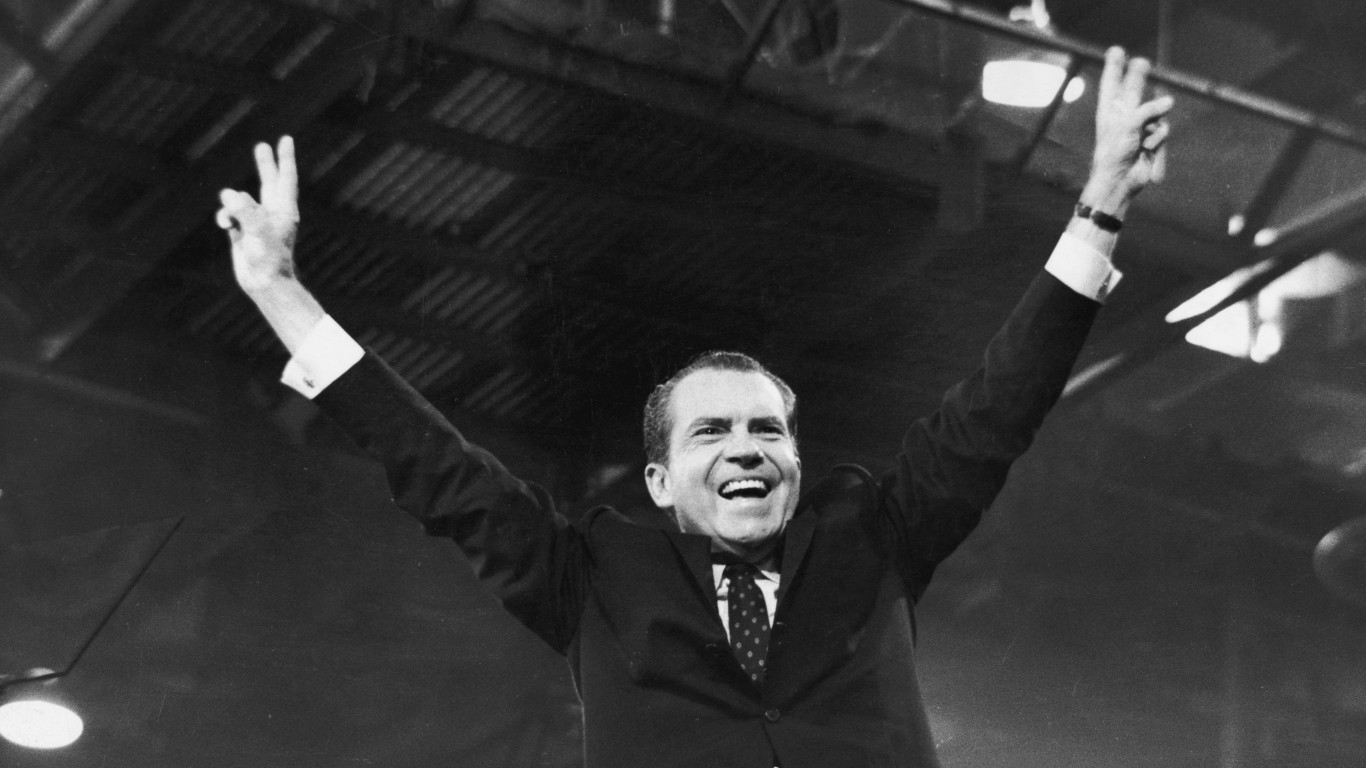
- Religious affiliation: Quaker
Richard Nixon’s father was originally a Methodist. However, he converted to the Quaker faith for his wife, so Nixon was raised in a Quaker household. He followed Quaker values like abstaining from alcohol. Richard Nixon taught Sunday school for a time and was close friends with popular preacher Billy Graham. While he stated that he converted back to Christianity in his adult years, many people found Nixon difficult to pin down religiously.
35. Lyndon B. Johnson
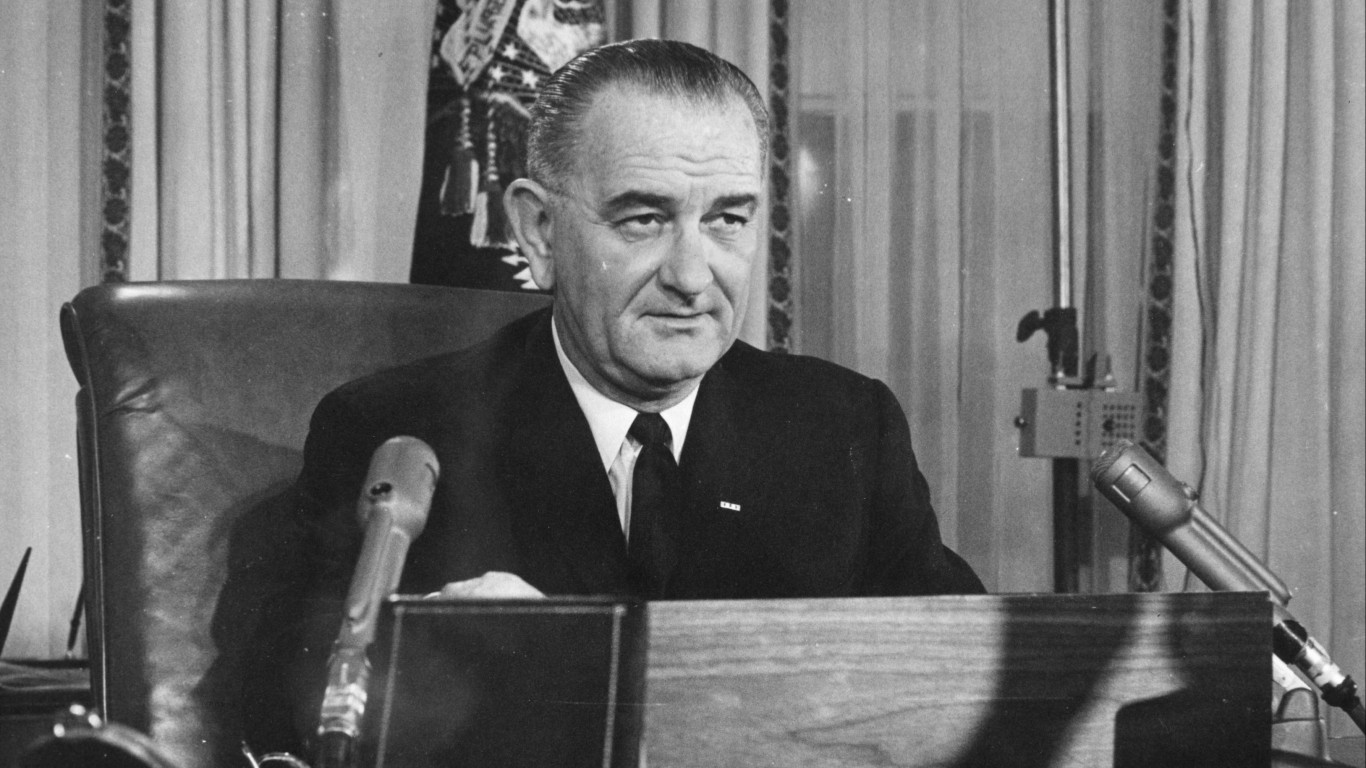
- Religious affiliation: Disciples of Christ
Lyndon B. Johnson didn’t consider himself very religious when he joined the Disciples of Christ as a young man, but he did refer to faith when discussing Civil Rights and Vietnam. He was baptized in 1923.
34. John F. Kennedy
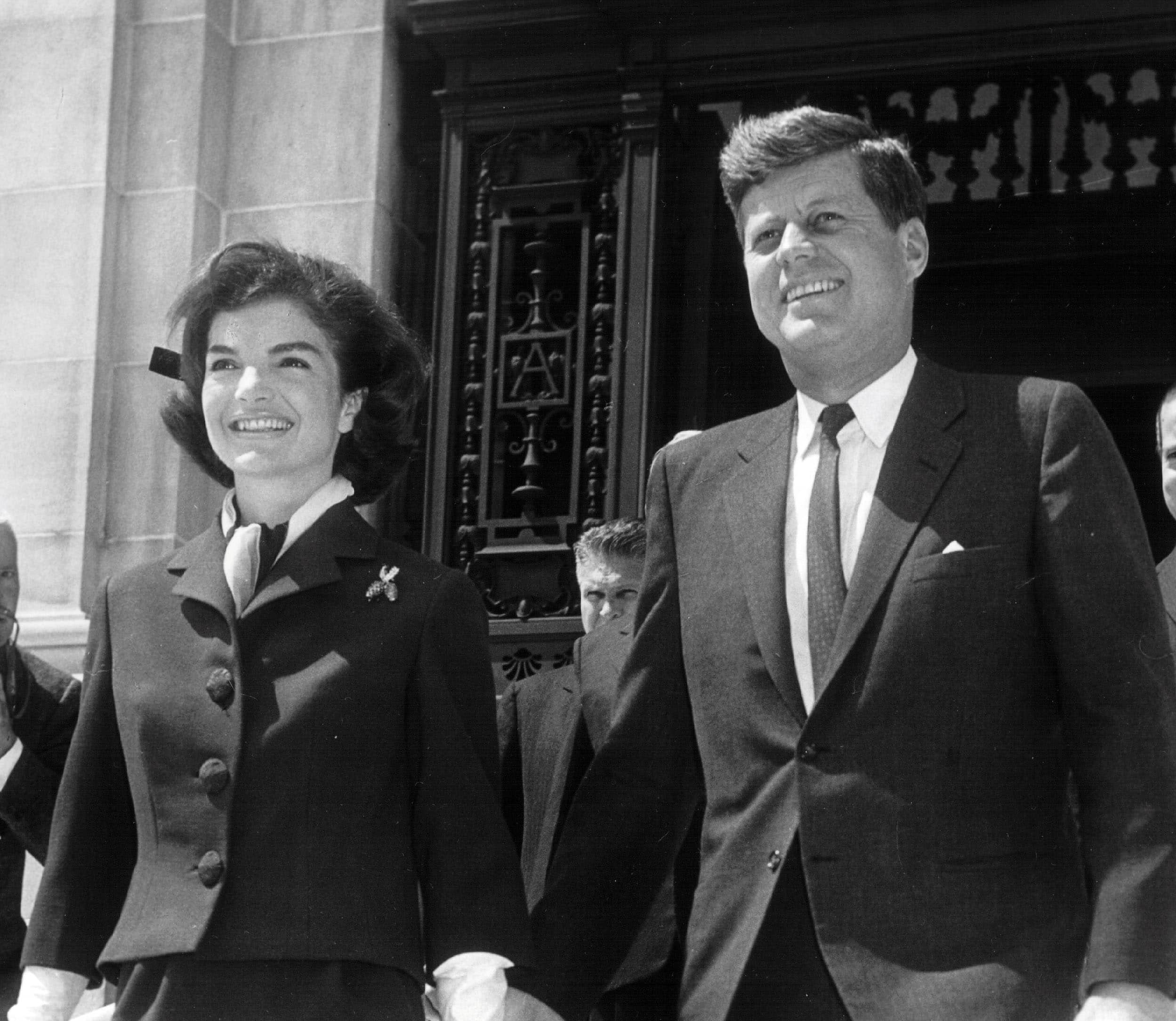
- Religious affiliation: Roman Catholic
The first Catholic president, John F. Kennedy, would attend church regularly, believing he had a duty to do so. He also defended the Catholic church at a time when anti-Catholic sentiment was very high.
33. Dwight D. Eisenhower
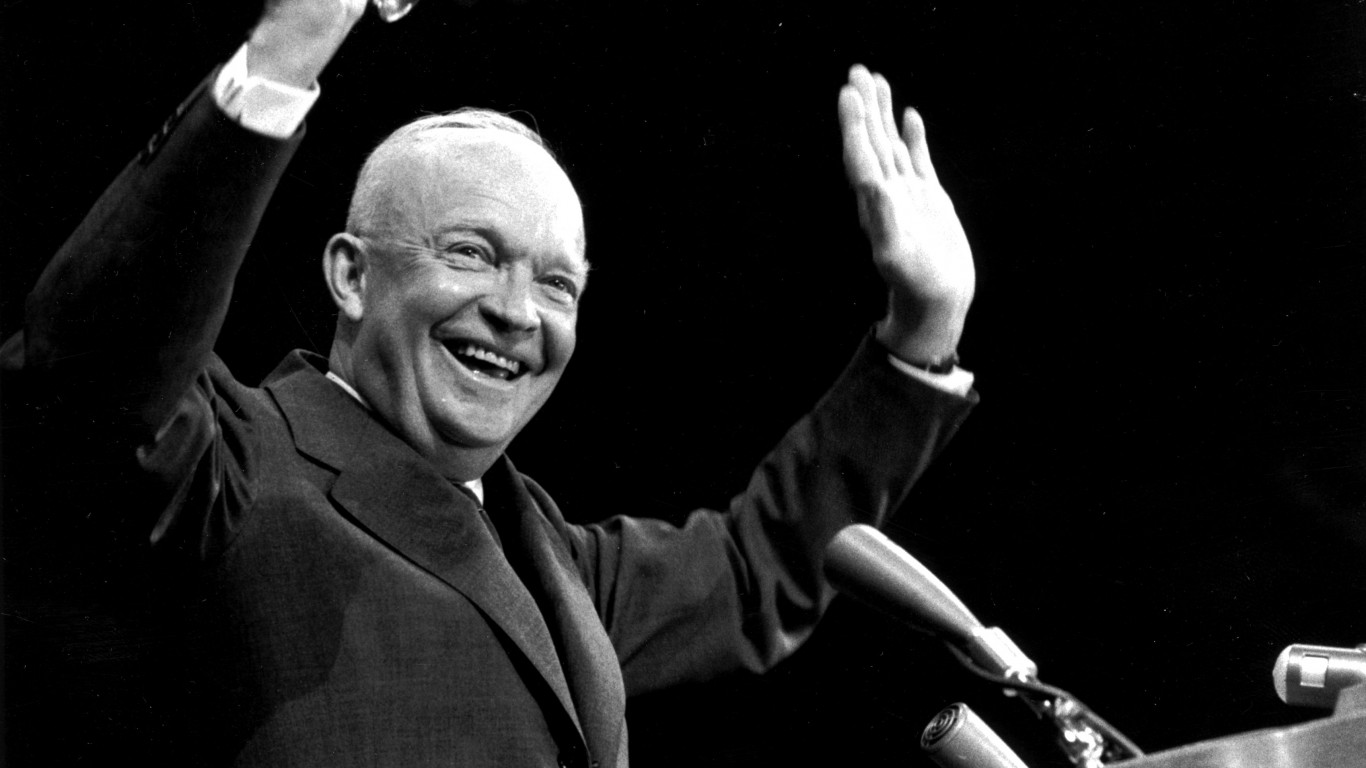
- Religious affiliation: Presbyterian
Dwight D. Eisenhower remained religious throughout his life as a member of a religious family. It was Eisenhower who added “under God” to the Pledge of Allegiance — a line that continues to persist today.
32. Harry S. Truman
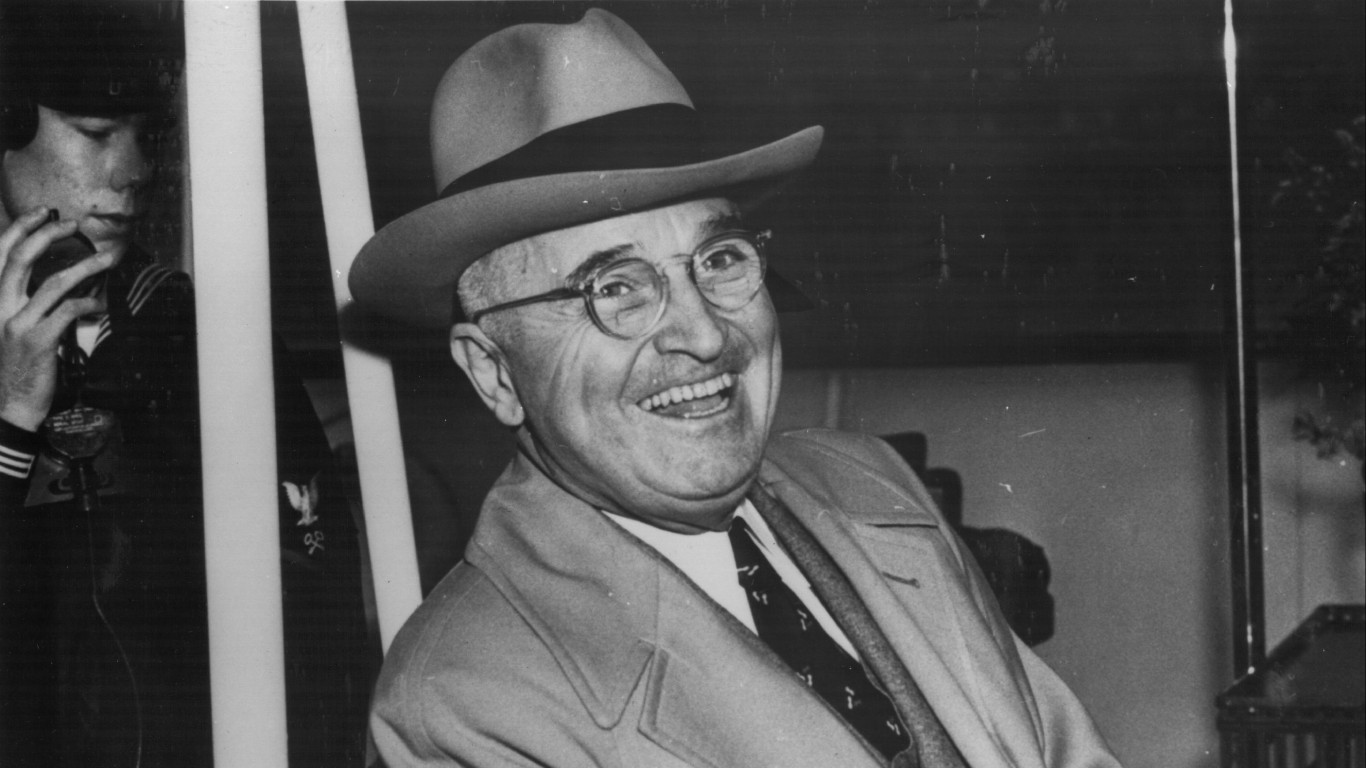
- Religious affiliation: Southern Baptist
Born into a Baptist family, Harry S. Truman was a member of the Southern Baptist church. Truman described himself as not overly religious and didn’t openly discuss his faith.
31. Franklin D. Roosevelt
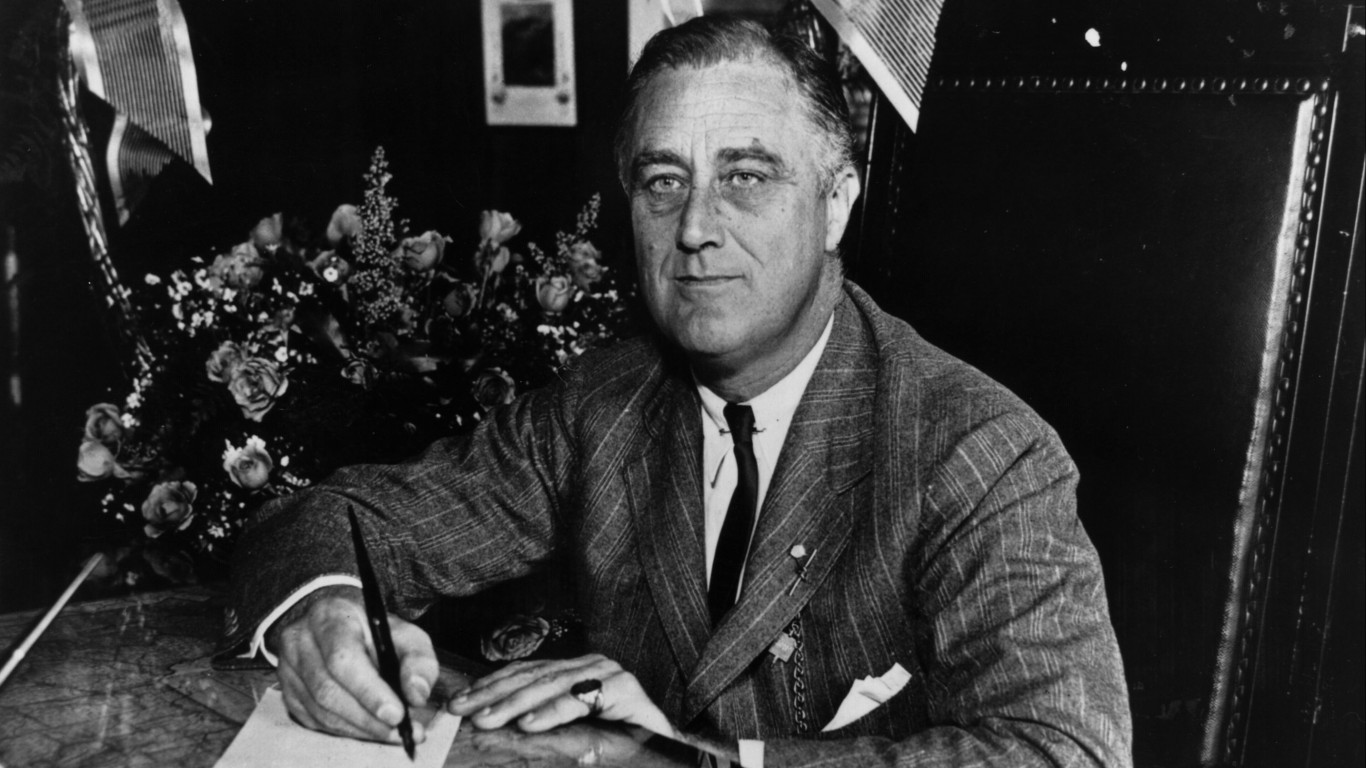
- Religious affiliation: Episcopalian
Franklin D. Roosevelt was a member of the Episcopalian church throughout his life. However, despite having a strong, albeit quiet, personal faith, he didn’t regularly attend church.
30. Herbert Hoover
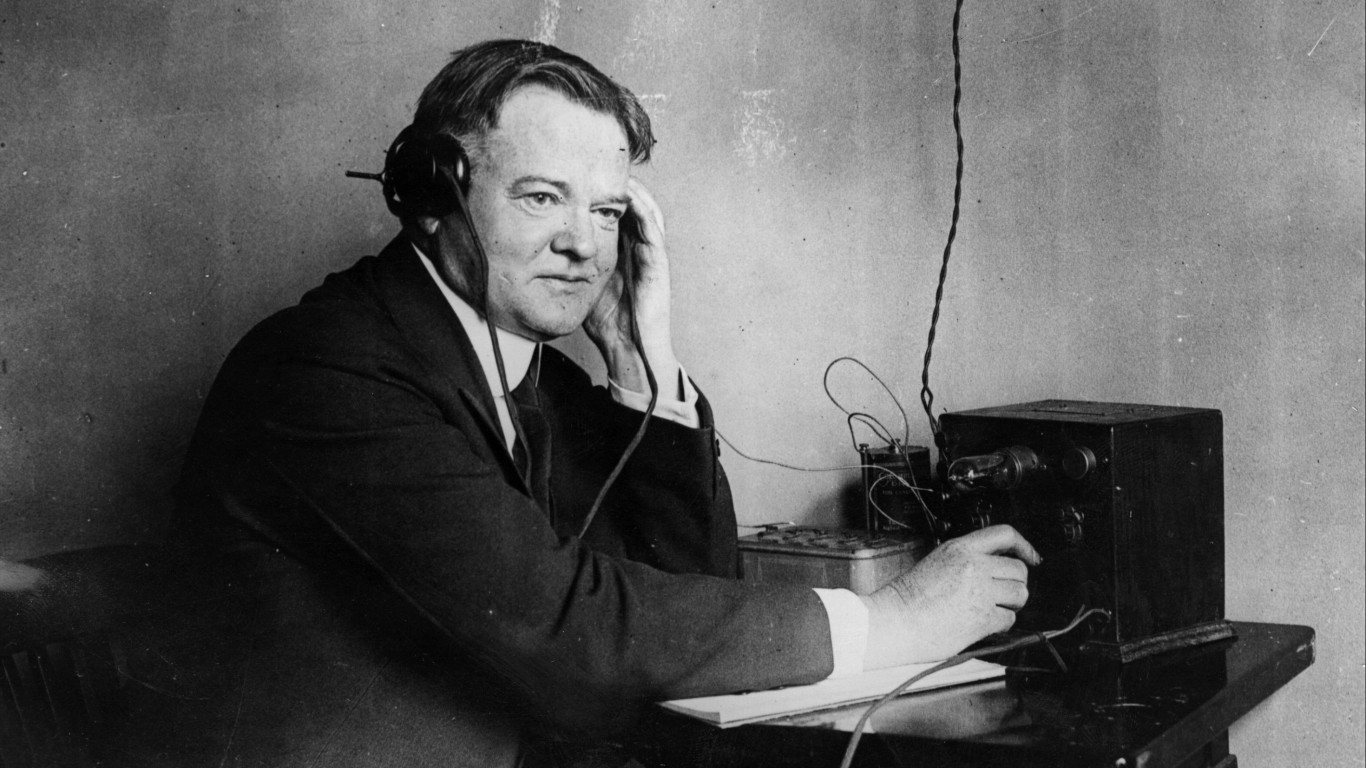
- Religious affiliation: Quaker
Coming from a family of devout Quakers, Herbert Hoover remained a church member throughout his life. He helped build a Quaker meeting house as president and remained devoutly religious.
29. Calvin Coolidge
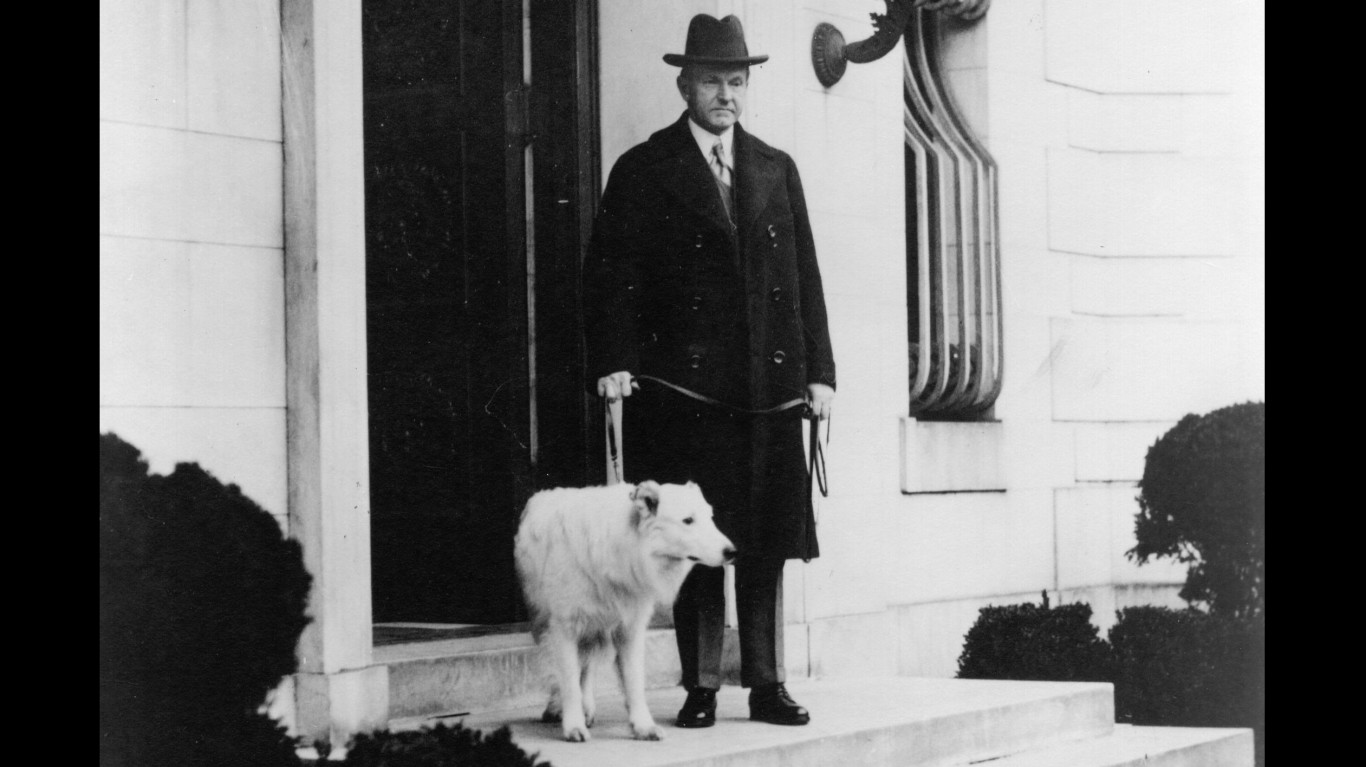
- Religious affiliation: Congregationalist
Calvin Coolidge grew up without any nearby churches or religion. He was also not outwardly loud about his religious beliefs. However, he believed in God and was given membership in a church when he became president.
28. Warren G. Harding
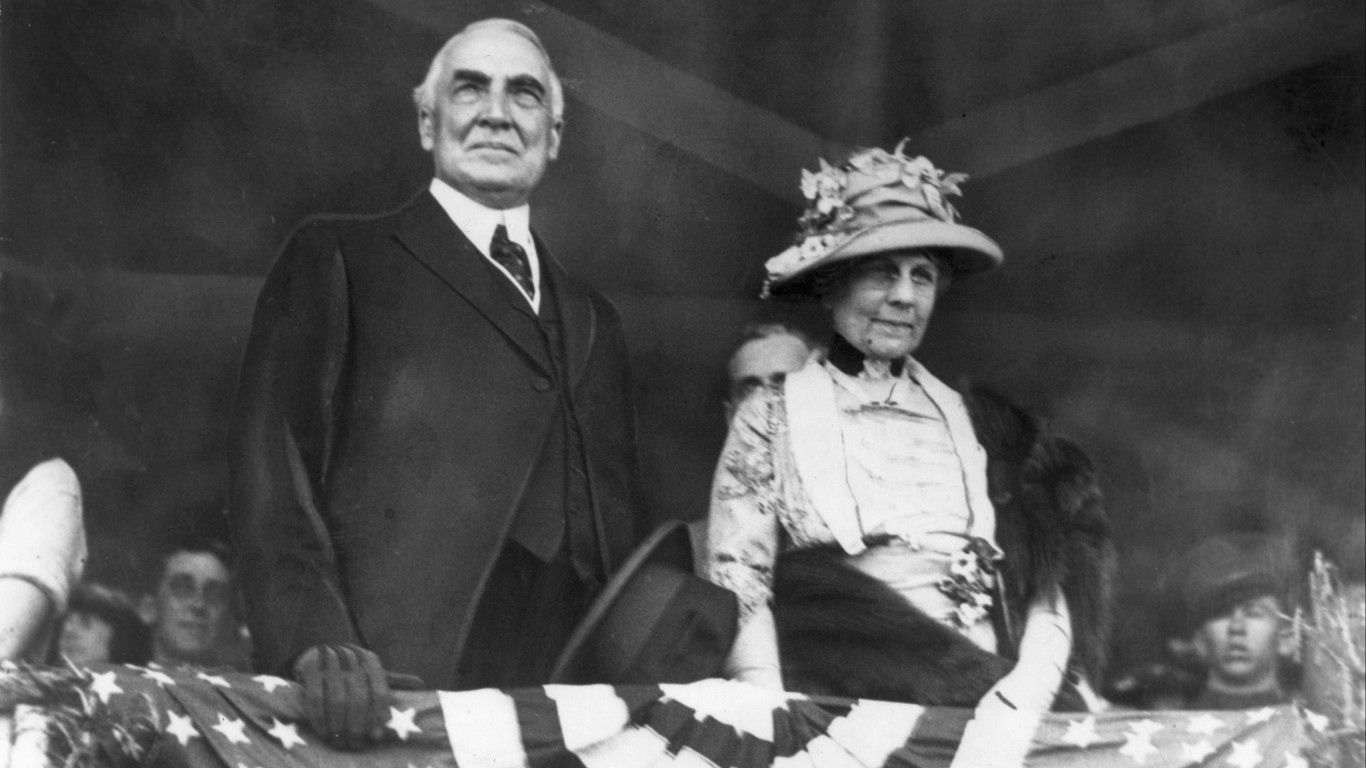
- Religious affiliation: Northern Baptist
A Baptist by birth, Warren G. Harding attended church services regularly. Harding would often speak of religion and Christianity during his presidential addresses.
27. Woodrow Wilson
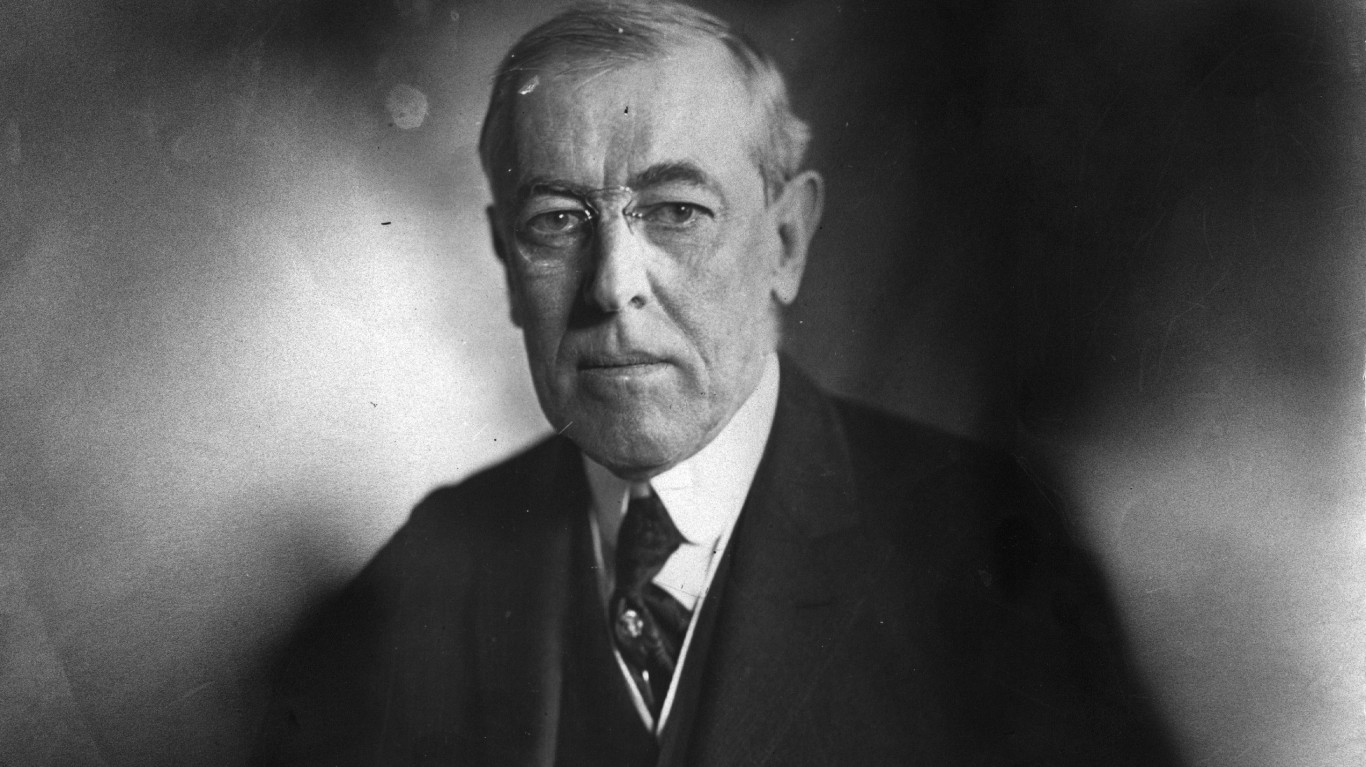
- Religious affiliation: Presbyterian
Woodrow Wilson, the son of a Presbyterian minister, joined the church at age 16 in 1873. He believed God put him on Earth to be president and read the Bible daily.
26. William Howard Taft
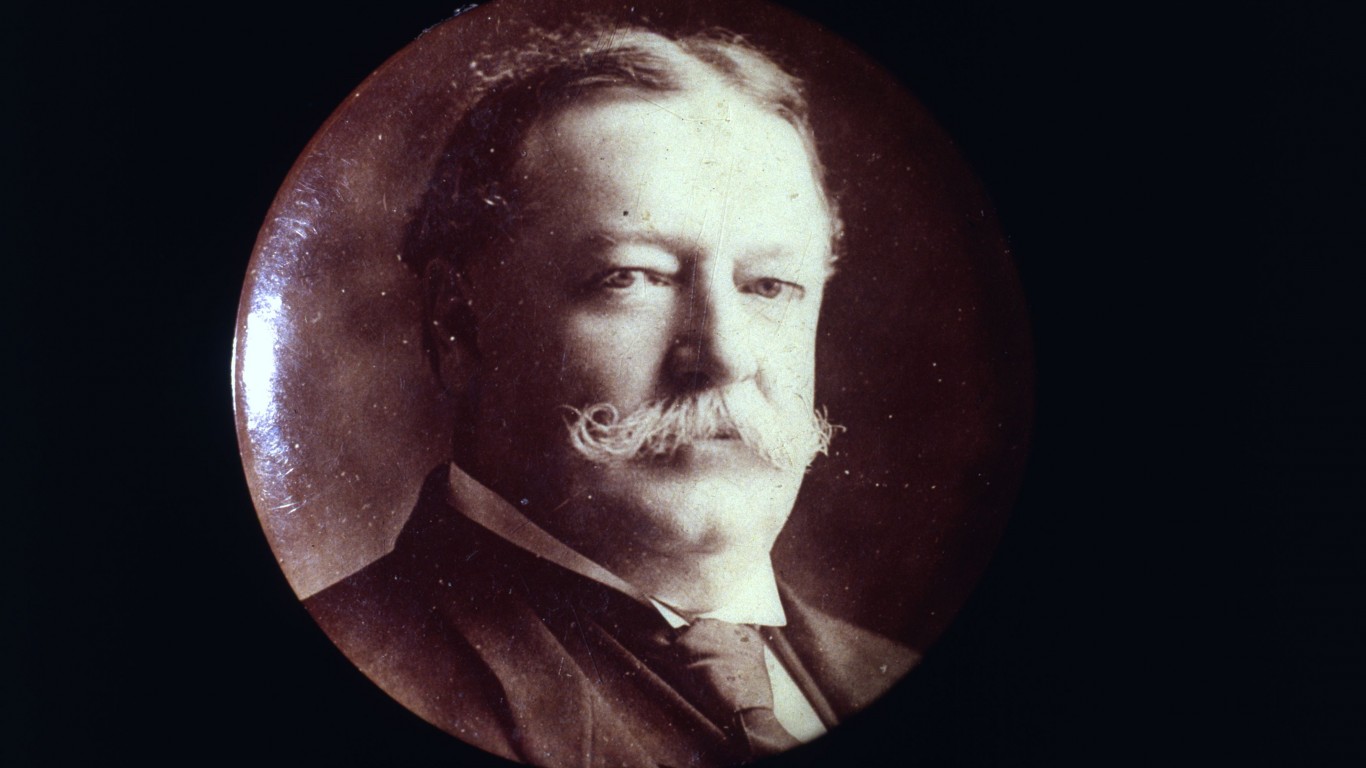
- Religious affiliation: Unitarian
A Unitarian and believer in God, William Howard Taft did not believe in Christ’s divinity. He attended Unitarian services and would mention God during his time as President. Still, his opponents sometimes accused Taft of secretly being an atheist.
25. Theodore Roosevelt
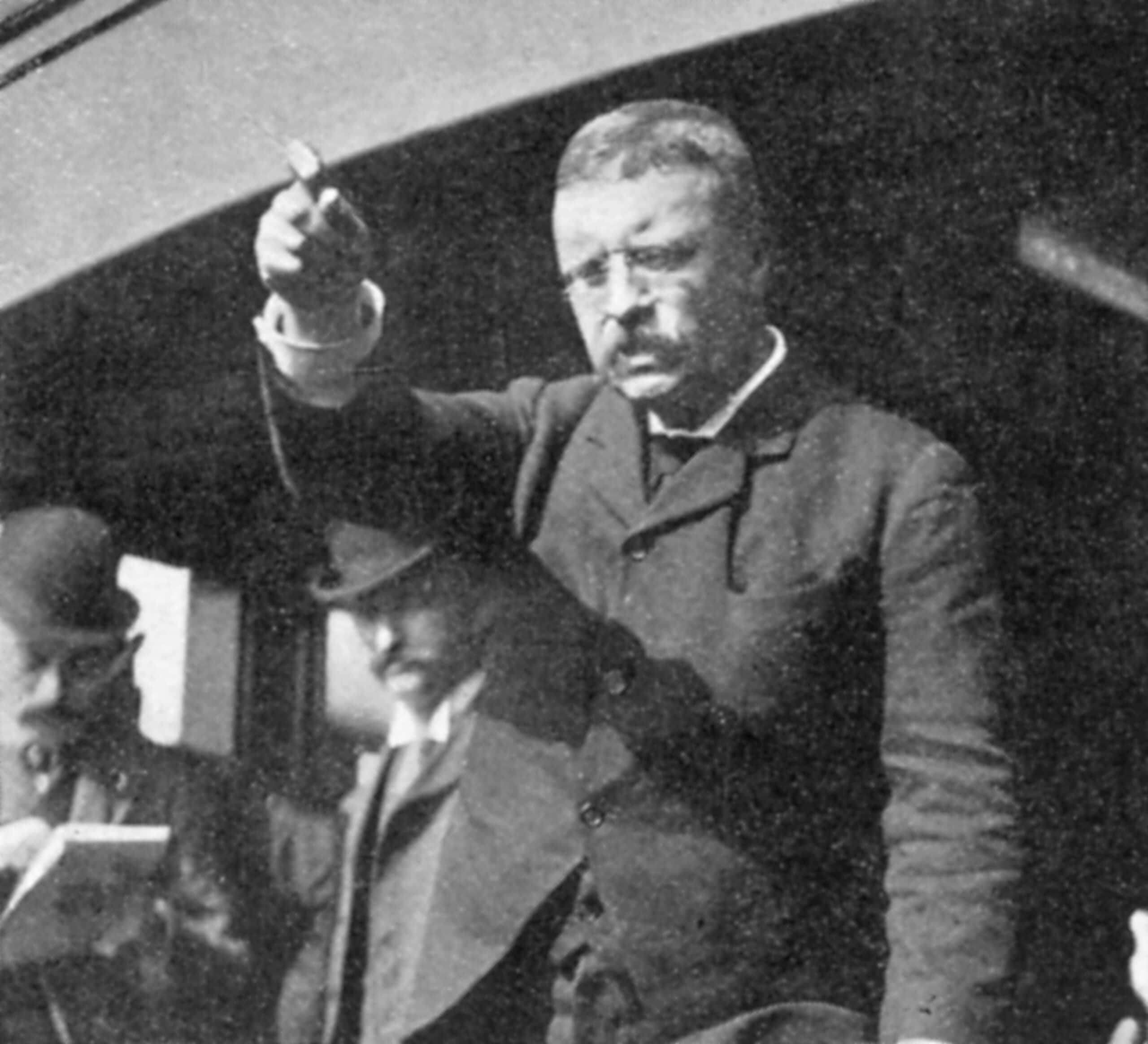
- Religious affiliation: Reformed Church
Theodore Roosevelt attended church regularly as a child and continued to do so throughout his life. He attended Episcopalian church services when there was no Reformed Church nearby.
24. William McKinley
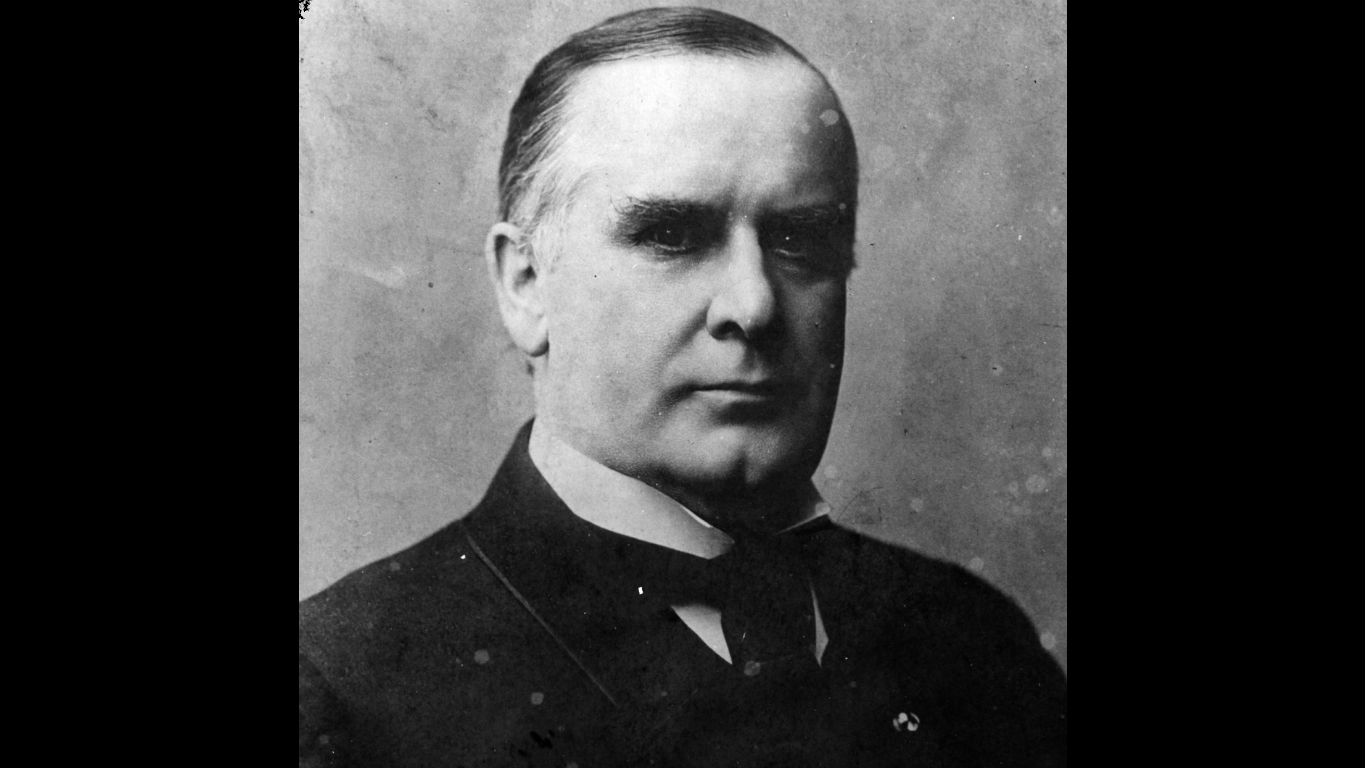
- Religious affiliation: Methodist
William McKinley was devoutly religious and almost became a minister. He joined the Methodist church at 16 and often talked openly about God.
23. Benjamin Harrison
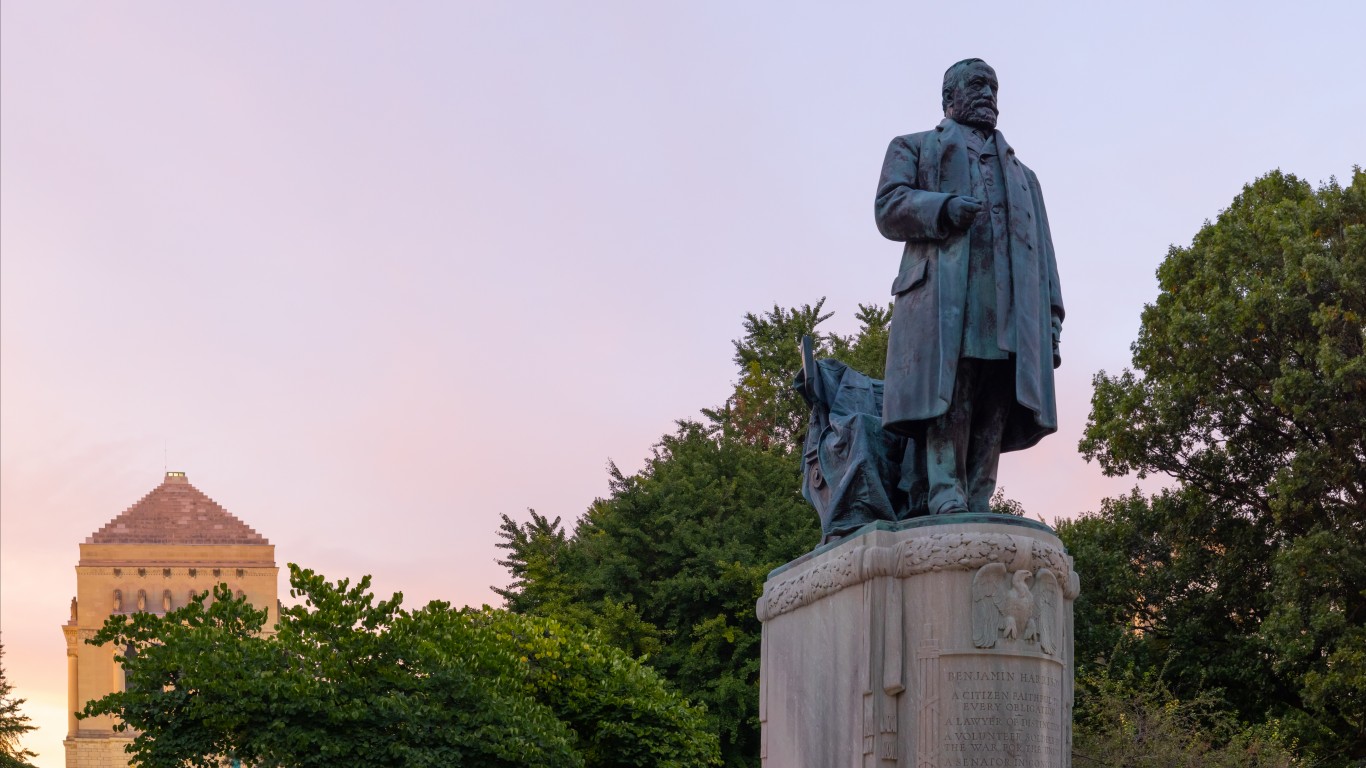
- Religious affiliation: Presbyterian
The son of a devoutly religious family, Benjamin Harrison was very religious throughout his life. Harrison would pray in his tent every night during the Civil War and attend church as often as possible.
22. Grover Cleveland
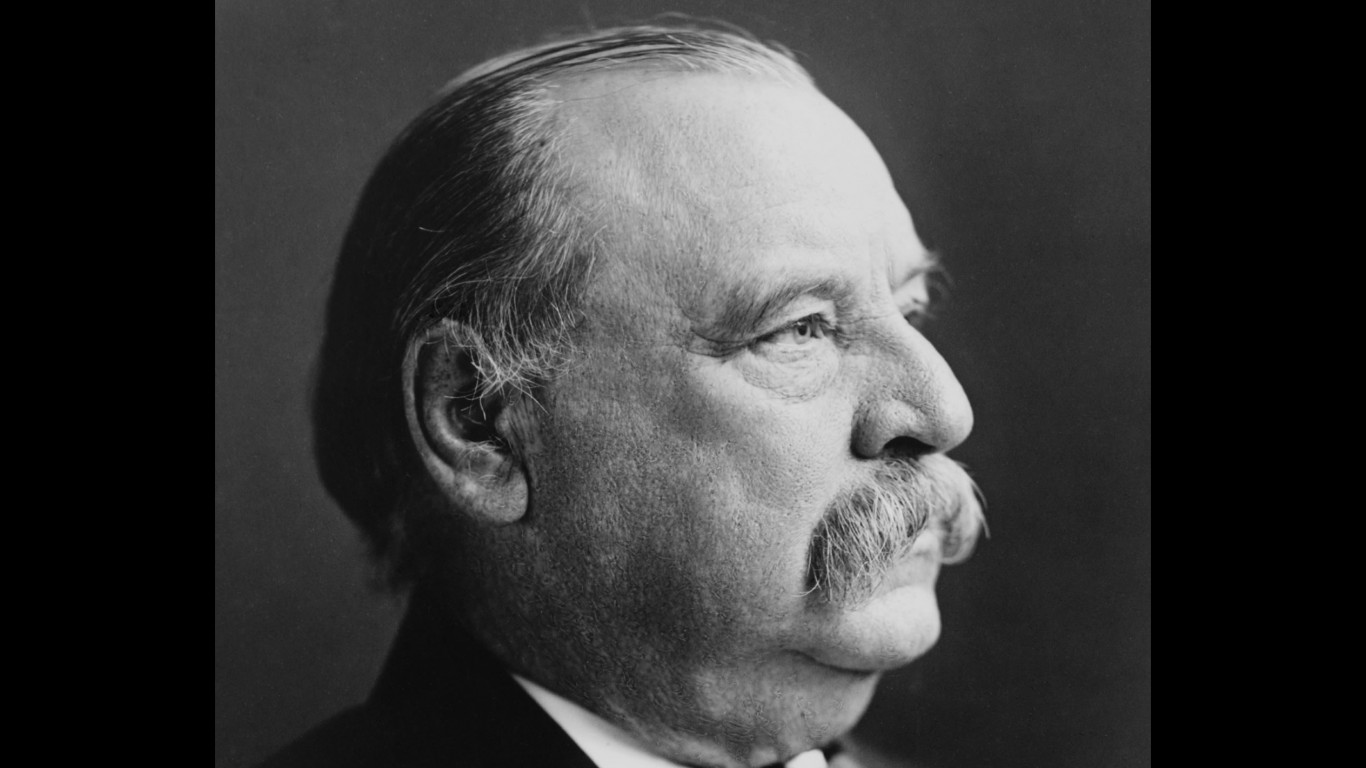
- Religious affiliation: Presbyterian
Grover Cleveland, the son of a Presbyterian minister, spent much of his childhood at church. While he had a strong faith, Cleveland returned to church more frequently as president.
21. Chester A. Arthur
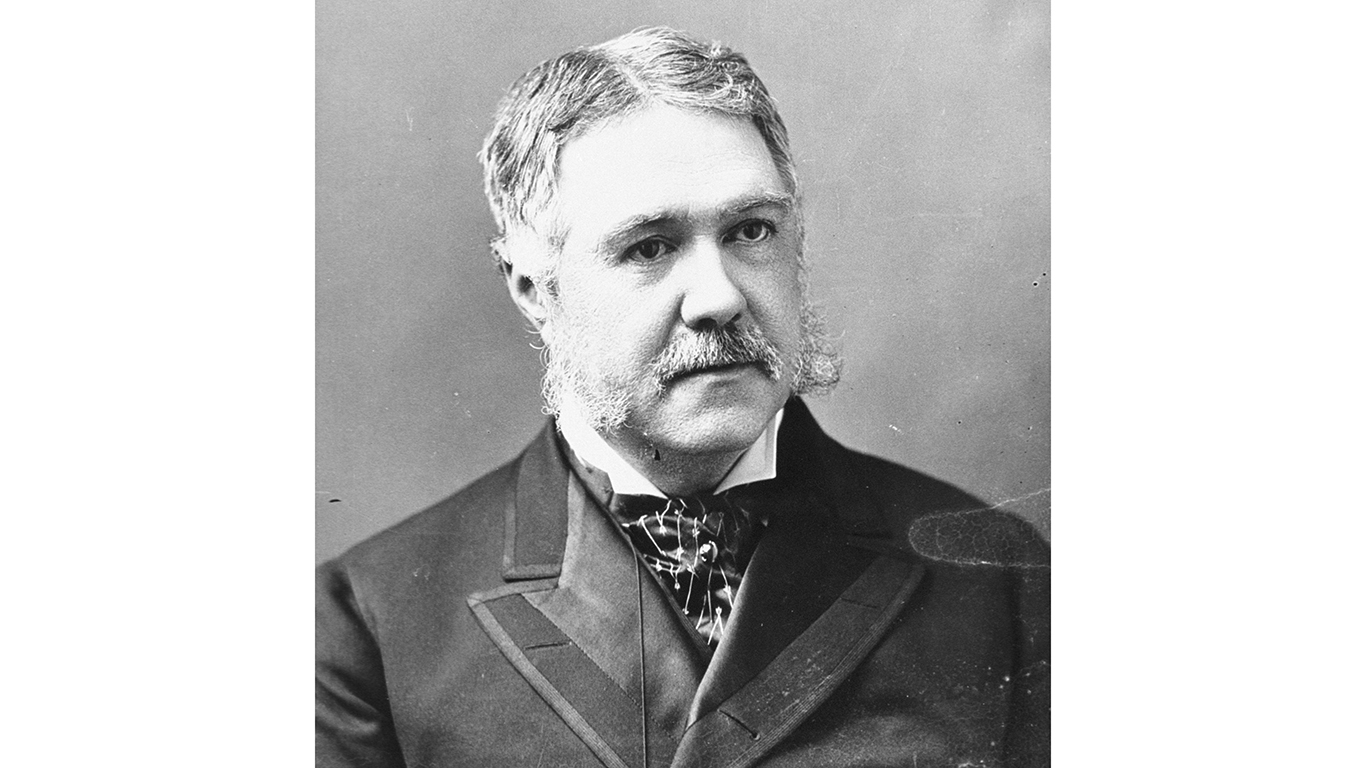
- Religious affiliation: Episcopalian
Chester A. Arthur, the son of a Baptist minister, rejected organized religion, but he attended Episcopalian services with his wife.
20. James A. Garfield
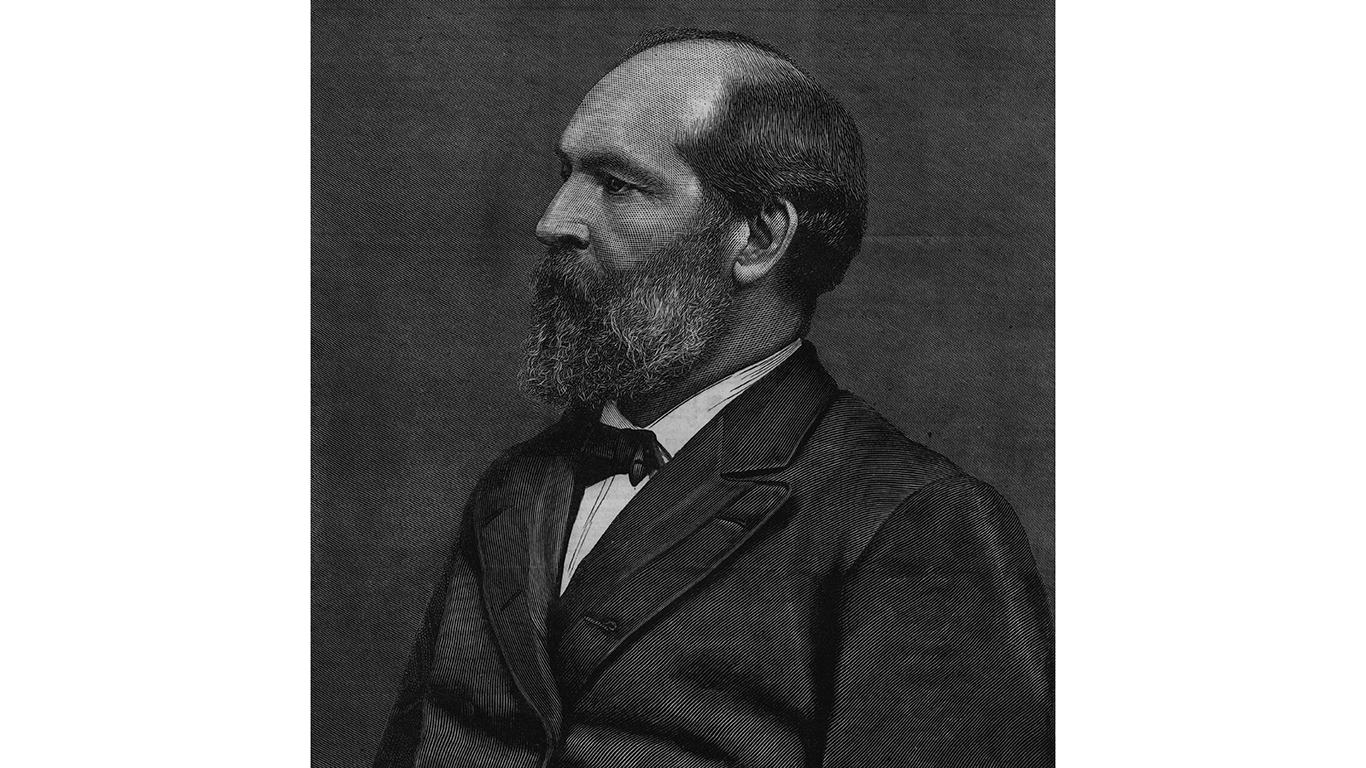
- Religious affiliation: Churches of Christ
Baptized at 18, James A. Garfield was a senior church member and would often preach. However, in his inaugural address, Garfield also believed in a strong separation of church and state.
19. Rutherford B. Hayes
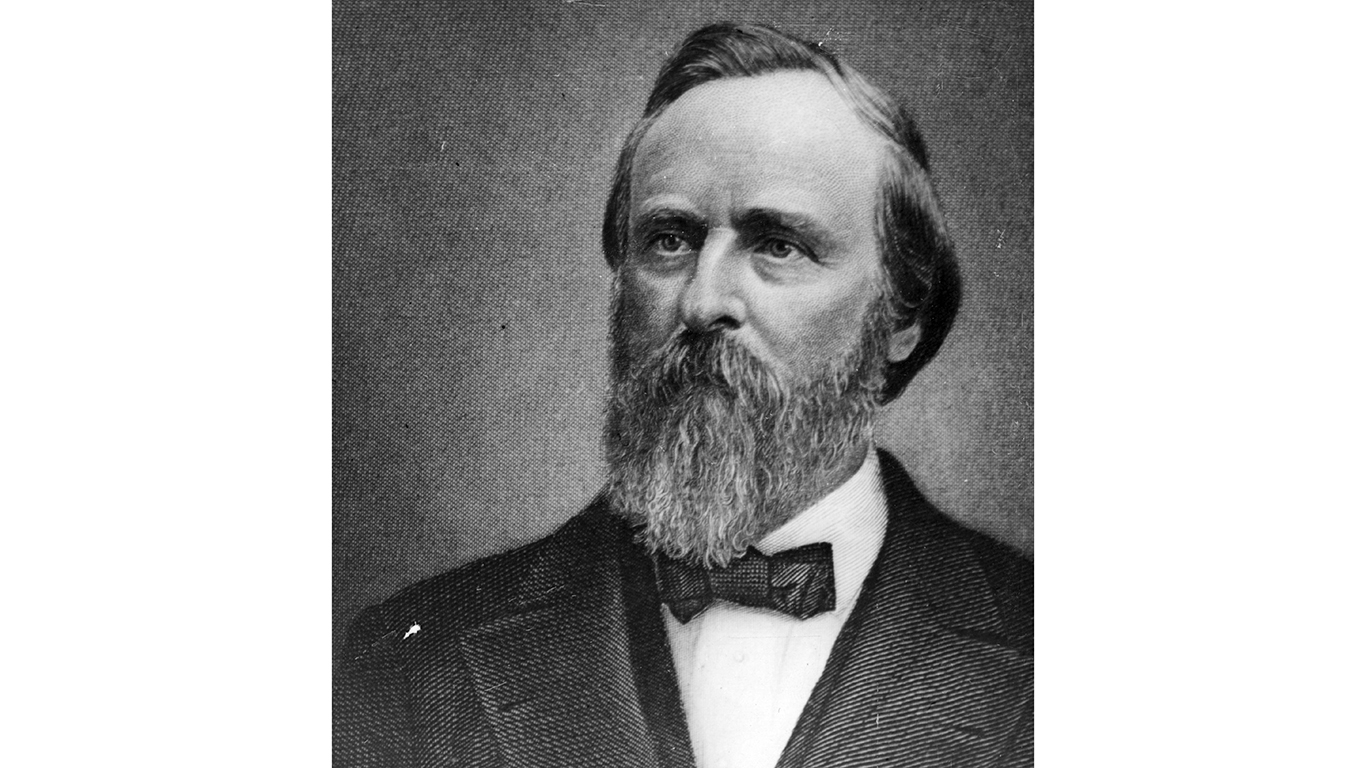
- Religious affiliation: Non-denominational
Rutherford B. Hayes enjoyed studying the Bible and listening to different kinds of preachers. He believed in Christianity and attended some Unitarian services.
18. Ulysses S. Grant
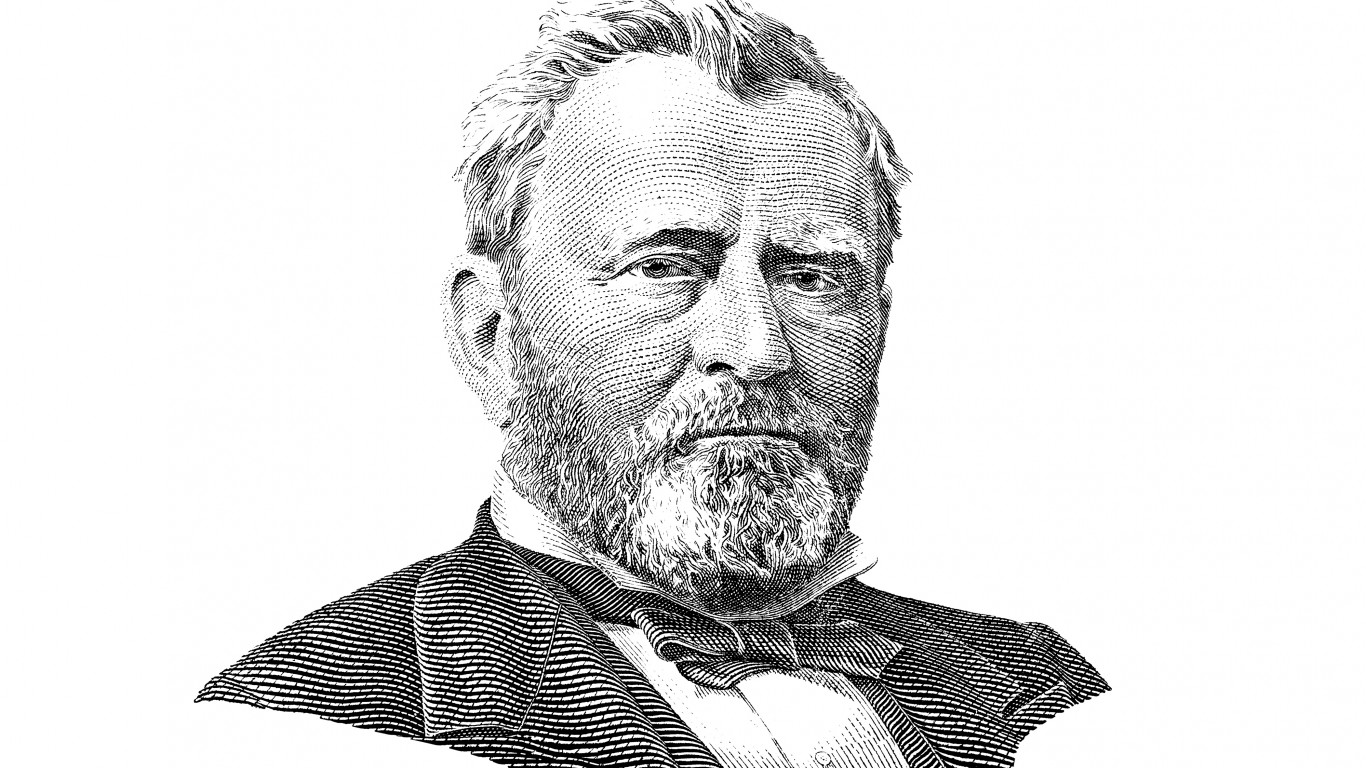
- Religious affiliation: Methodist?
It’s known that Ulysses S. Grant attended Methodist services and is believed to have converted while on his deathbed. Grant also had a difficult time at West Point for failing to attend Church.
17. Andrew Johnson
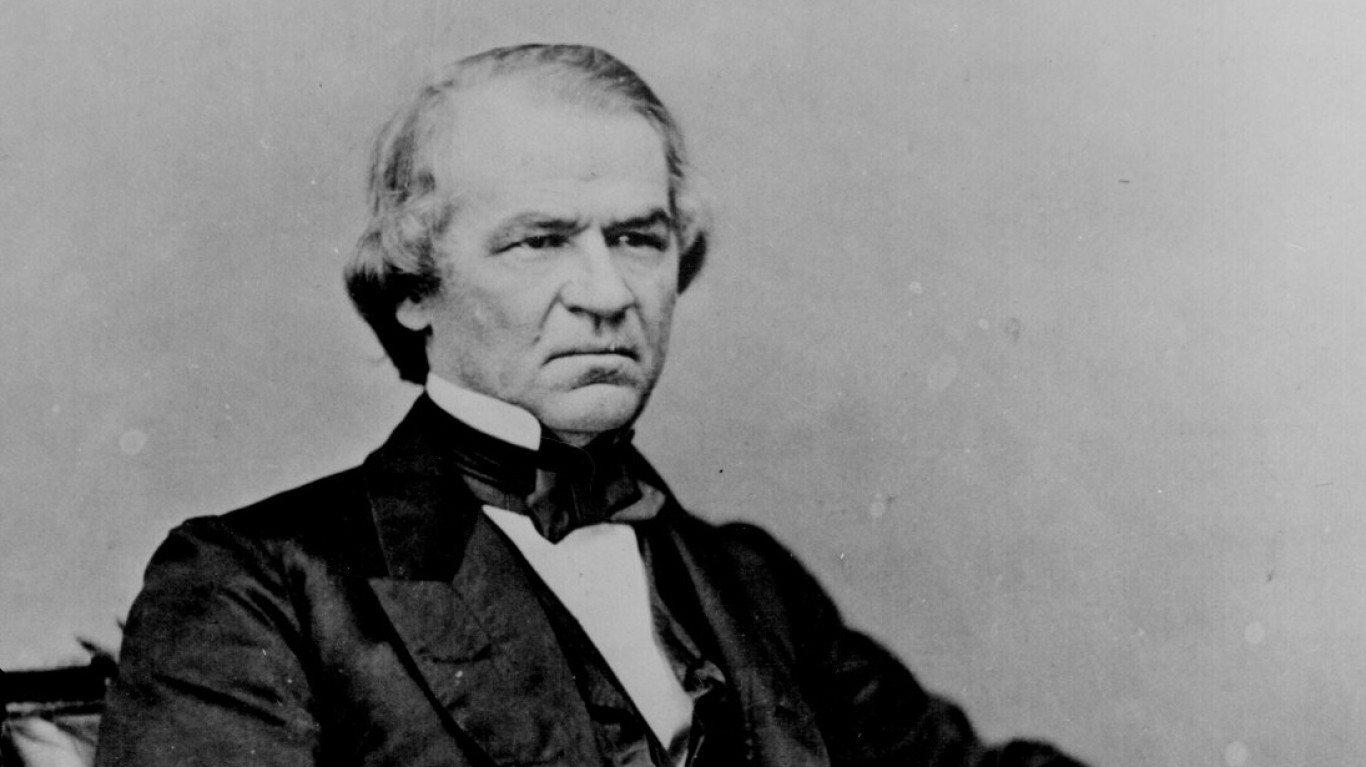
- Religious affiliation: Non-denominational
Andrew Johnson had a difficult relationship with religion. He would join his wife at Methodist services, but after the church supported his impeachment hearing, he broke with them and began attending Catholic services.
16. Abraham Lincoln
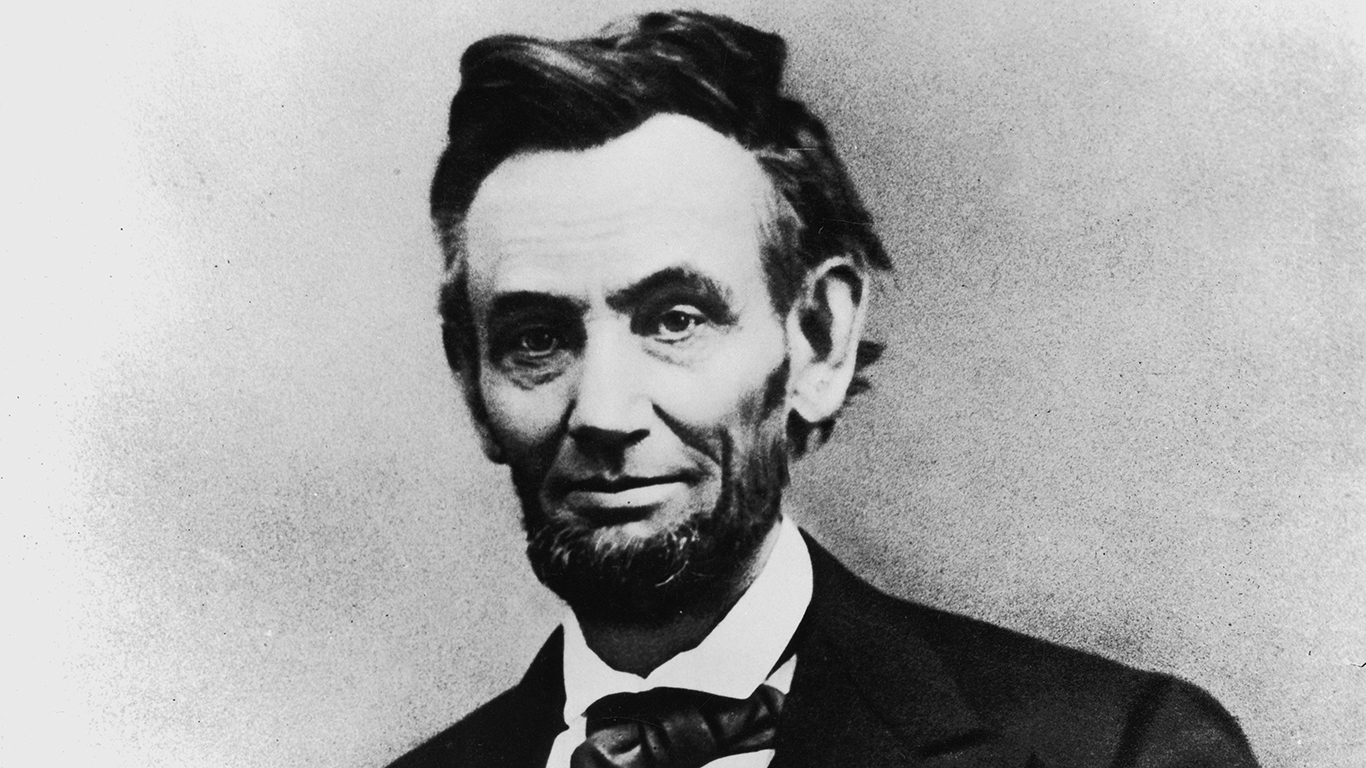
- Religious affiliation: Non-denominational
Along with Jefferson, Abraham Lincoln was famous for not taking a firm stance on personal religion. Although he was born into a Baptist family, Lincoln never joined a church or received communion.
15. James Buchanan
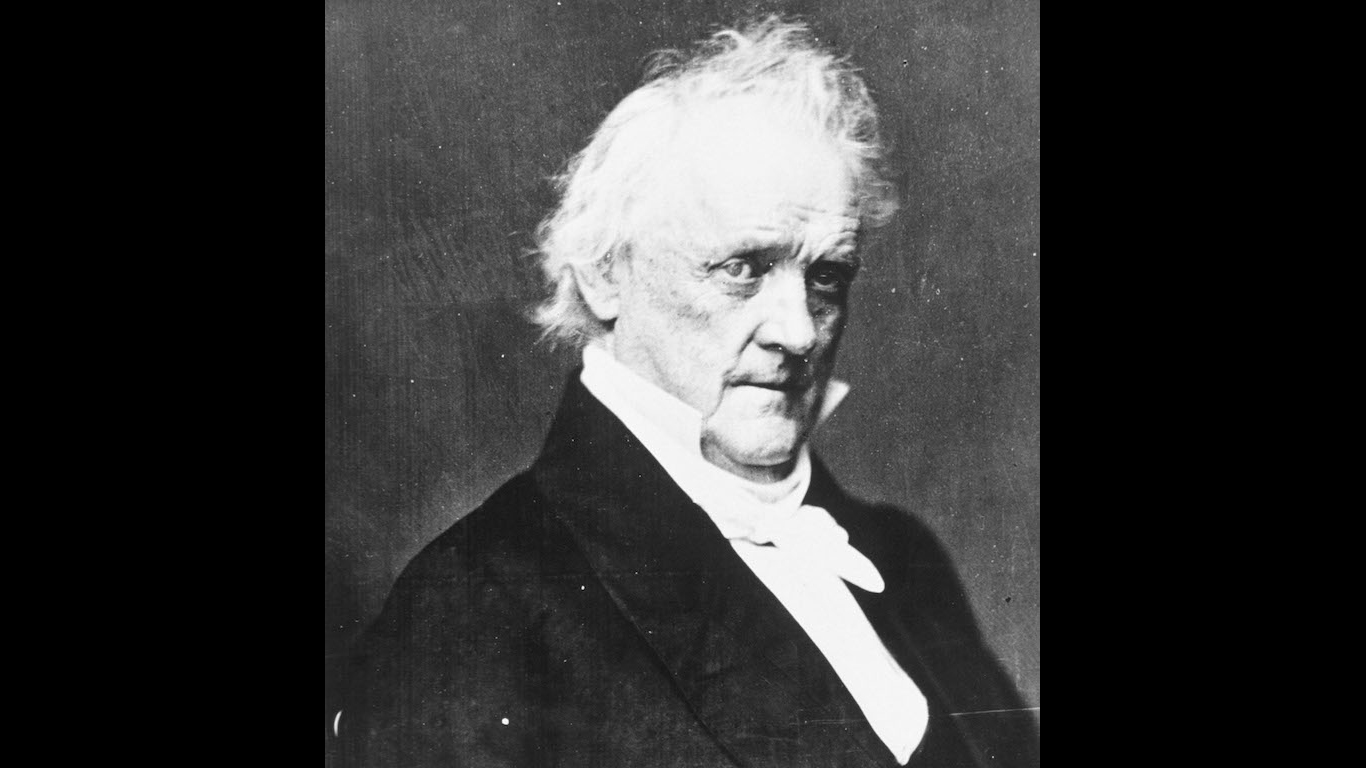
- Religious affiliation: Presbyterian
Born into a Presbyterian family, James Buchanan was a churchgoer but took communion after he finished his time as president.
14. Franklin Pierce
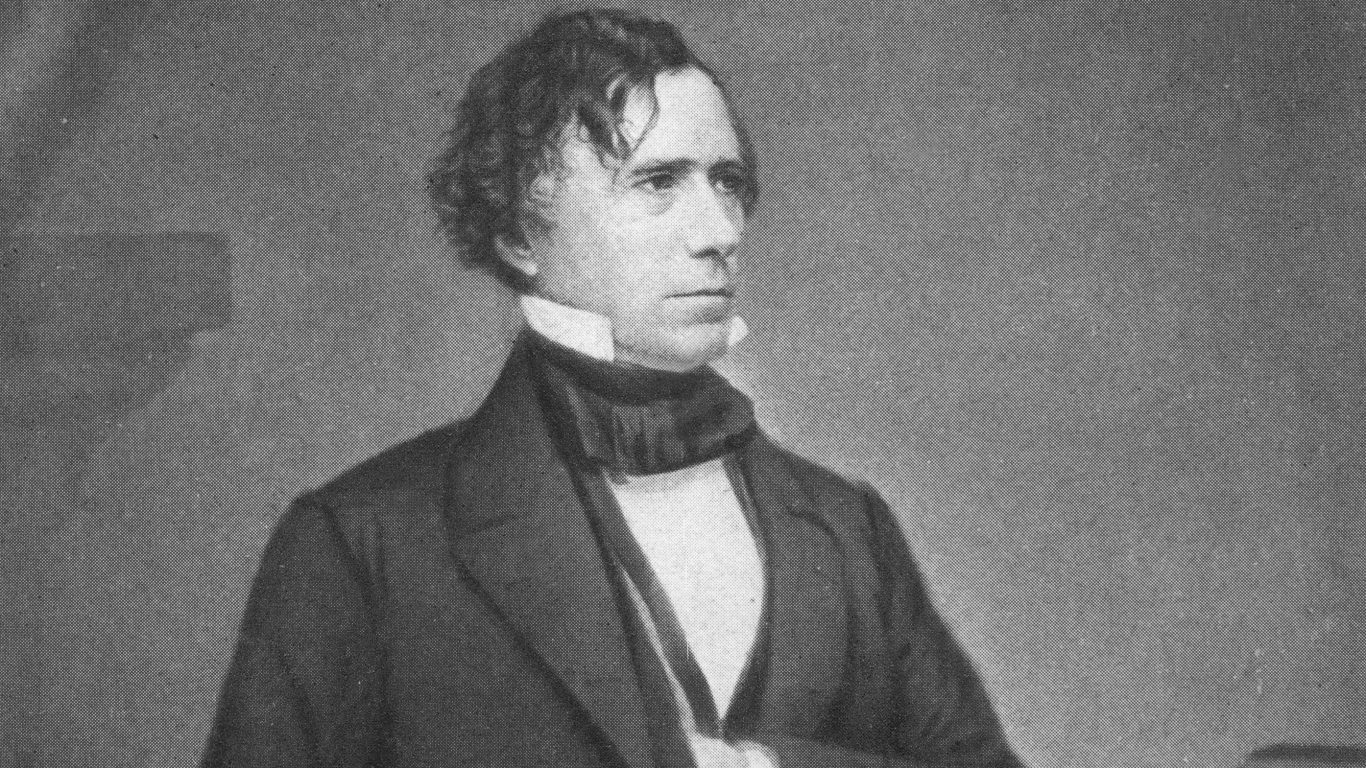
- Religious affiliation: Episcopalian
While he wasn’t considered religious, Franklin Pierce married Jane, who was very devout. Upon leaving office, Pierce was baptized as an Episcopalian and became a church member after returning home to New Hampshire.
13. Millard Fillmore
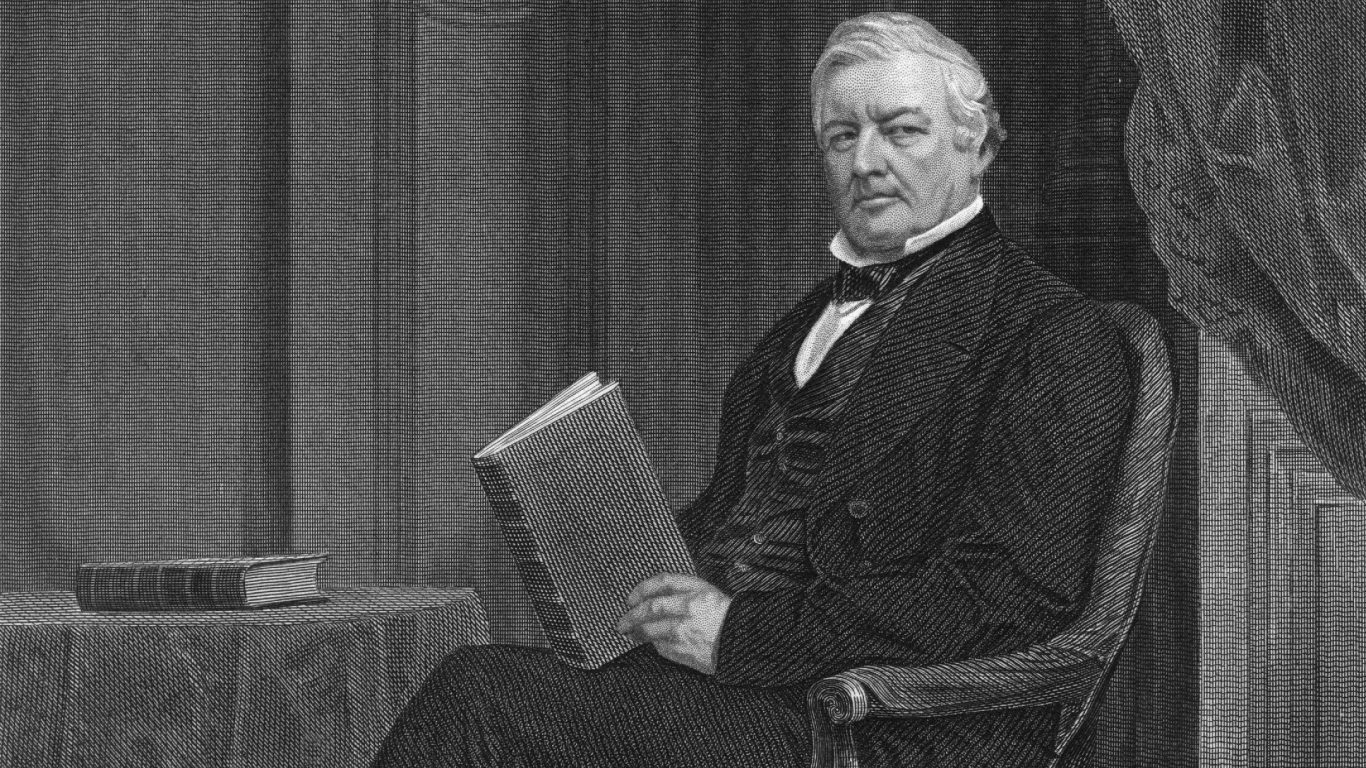
- Religious affiliation: Unitarian
Even after becoming a Unitarian at age 30, Millard Fillmore supported the separation of church and state. He did not allow public funds for religious schools or agendas.
12. Zachary Taylor
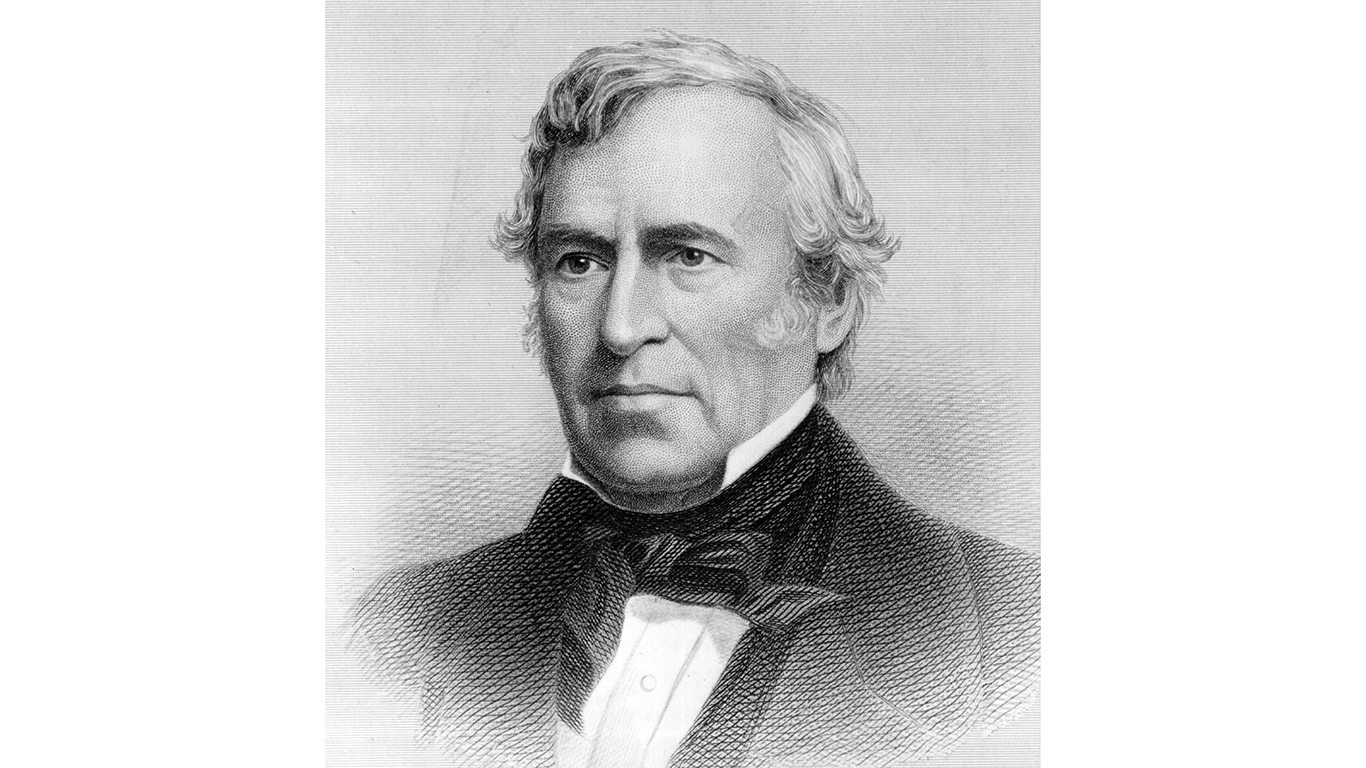
- Religious affiliation: Episcopalian
Zachary Taylor was known for affiliation with the Episcopalian church but was never super active. Taylor famously did not declare any national days of prayer while President.
11. James K. Polk
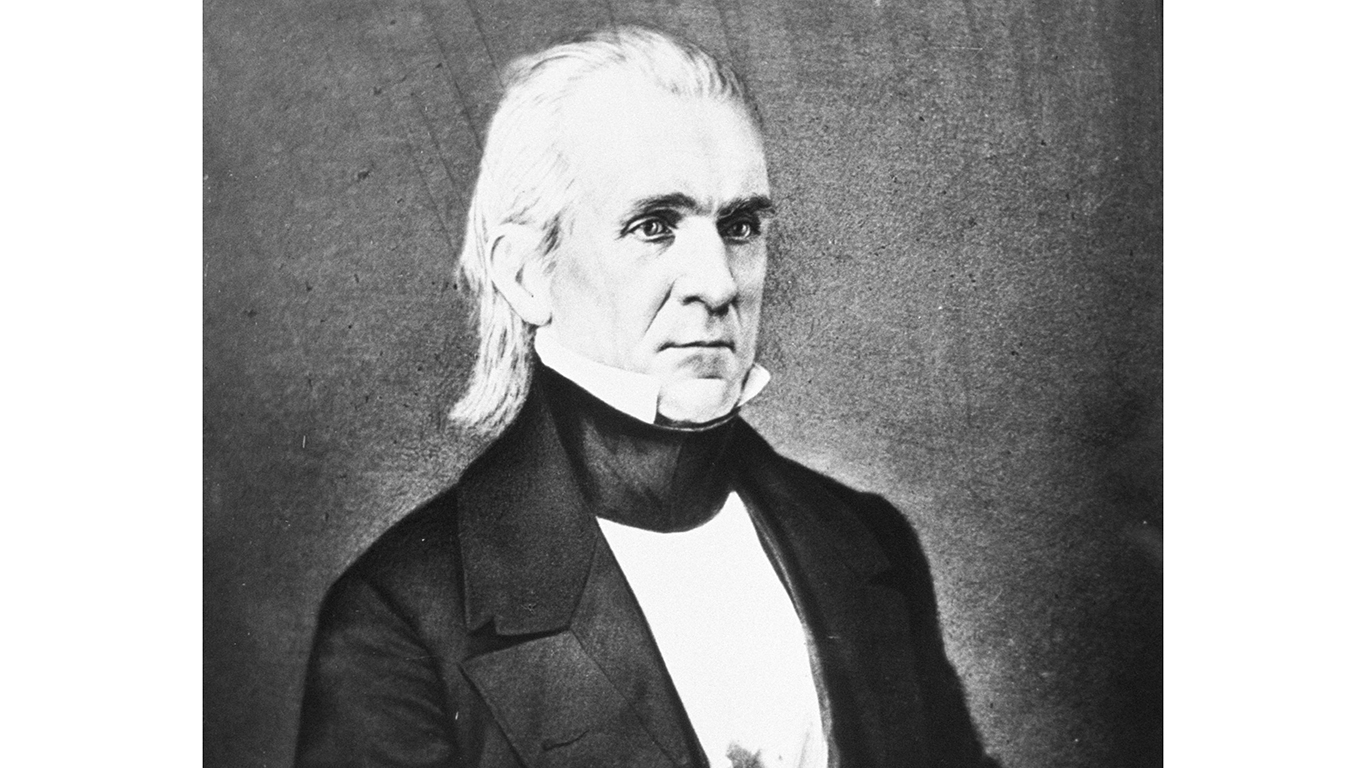
- Religious affiliation: Methodist
Born Presbyterian, James K. Polk did not receive much religious training as a child due to his father. However, he attended Presbyterian services with his wife and would eventually be baptized as a Methodist while dying.
10. John Tyler
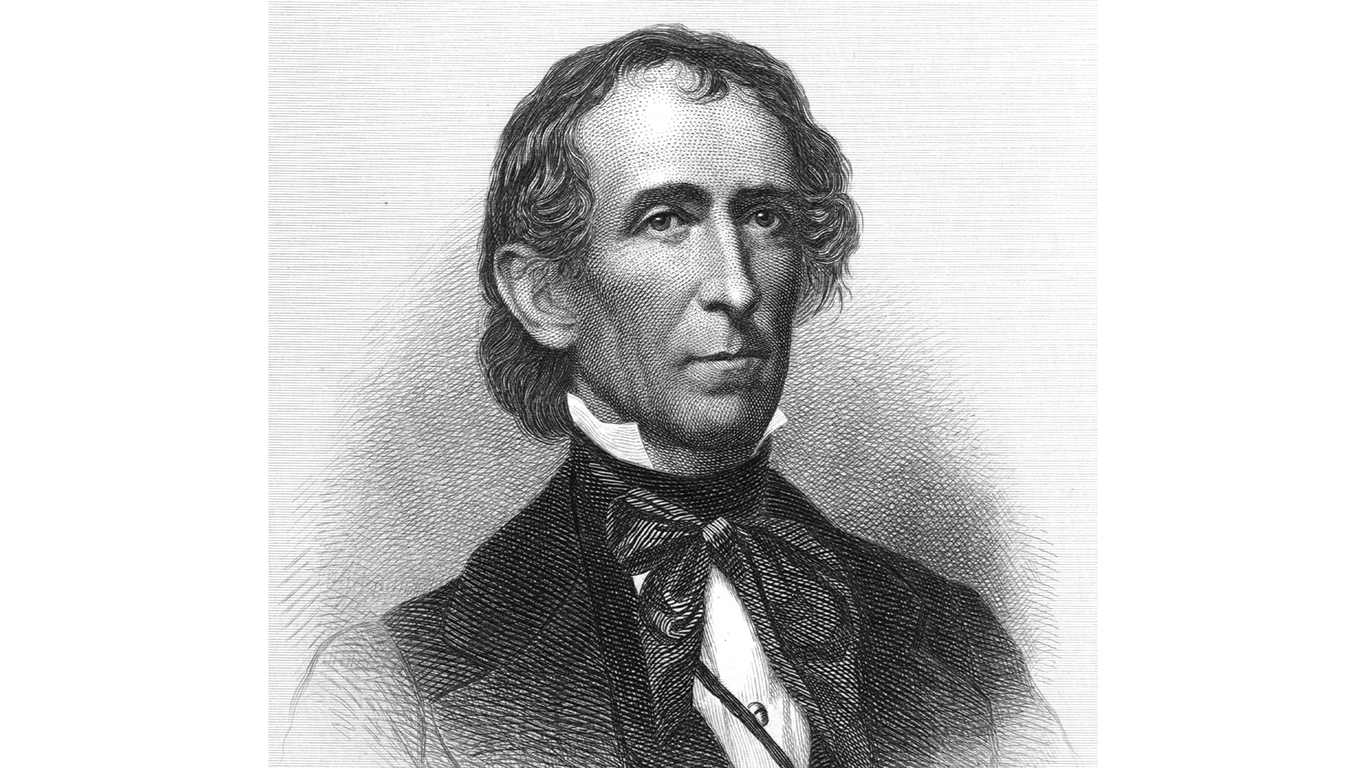
- Religious affiliation: Episcopalian
While he considered himself Episcopalian, no real documentation gives additional insight into John Tyler’s religious views. Supporting the idea Tyler wasn’t very religious is that no religion was administered upon his death.
9. William Henry Harrison
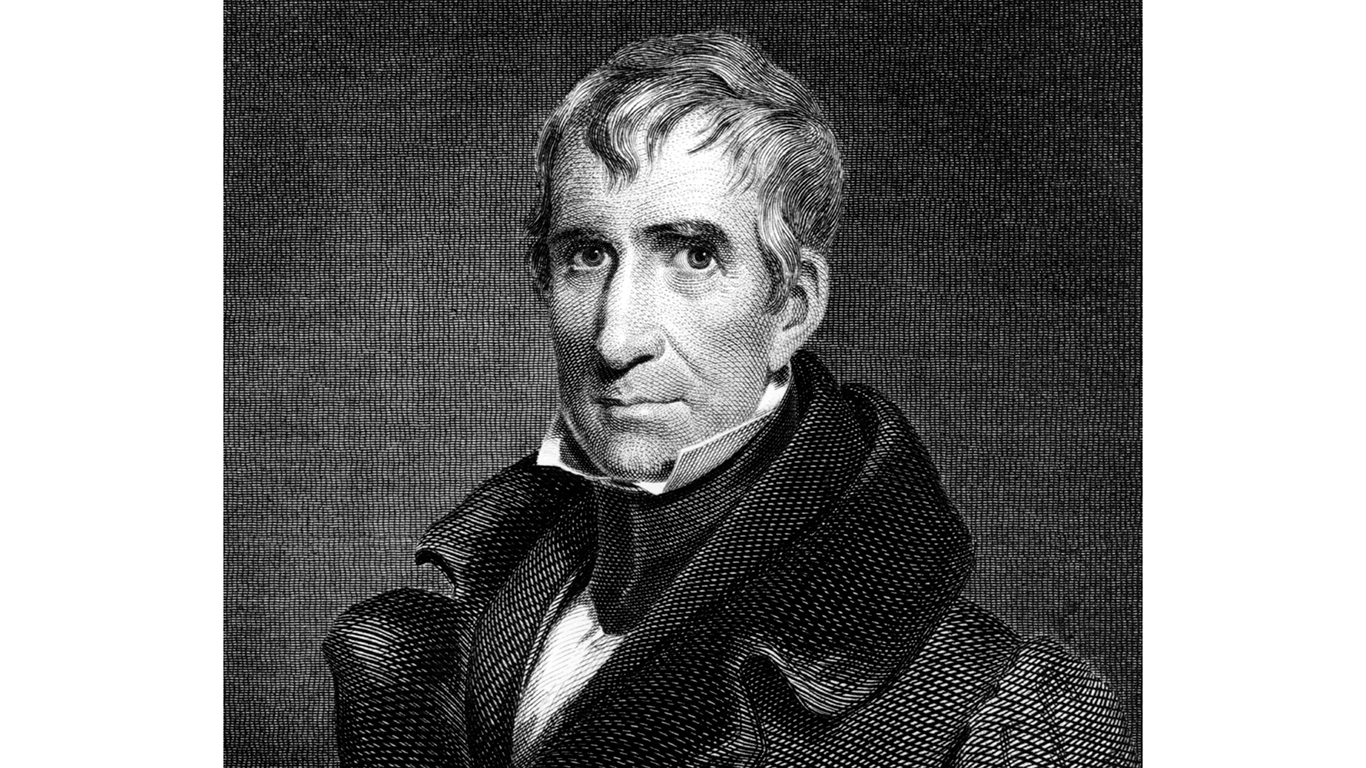
- Religious affiliation: Episcopalian
William Henry Harrison was not particularly known for his religious beliefs or being very religious. It is documented that Harrison was a member of an Episcopal church in Ohio but did not regularly attend.
8. Martin Van Buren
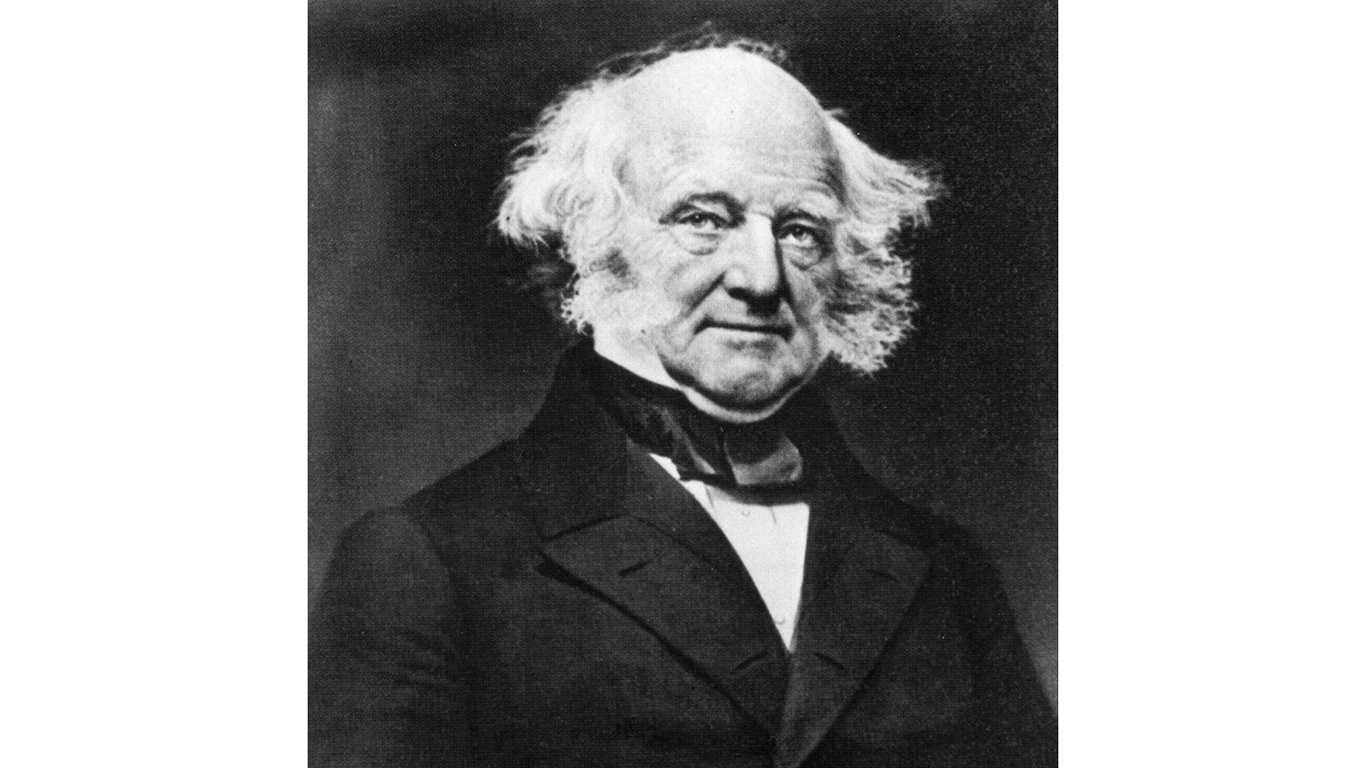
- Religious affiliation: Dutch Reformed
As a boy, Martin Van Buren attended a Dutch Reformed Church and later switched to an Episcopal church while in Washington, D.C. Upon his death, Van Buren chose to be buried at his childhood church.
7. Andrew Jackson

- Religious affiliation: Presbyterian
President Andrew Jackson was well known for regularly attending church services. He joined the Presbyterian Church shortly after leaving office and was known for not forgiving anyone who wronged him in the name of the Lord.
6. John Quincy Adams
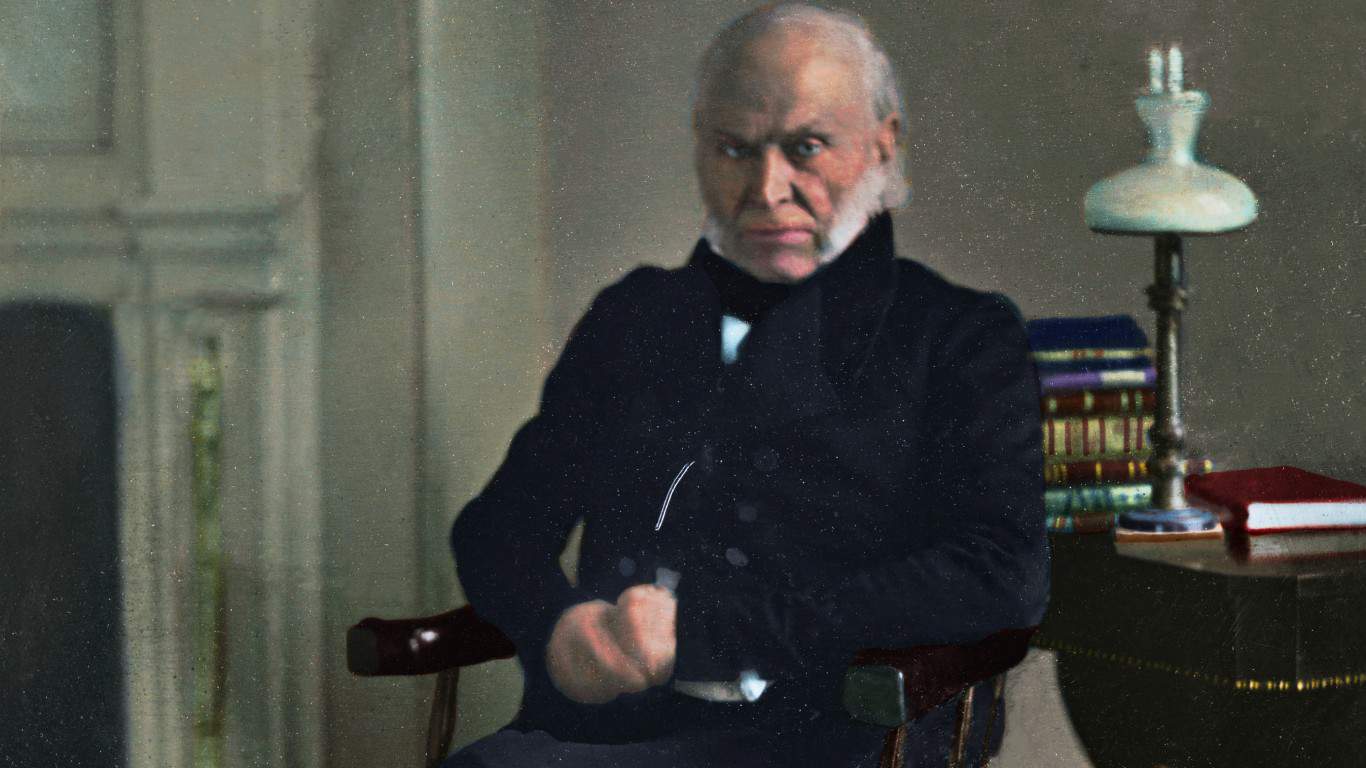
- Religious affiliation: Unitarian
John Quincy Adams may have been the most devout of the first US presidents. Before taking office, Adams studied religion and was well known for not displaying religion, though he was the president of the American Bible Society.
5. James Monroe
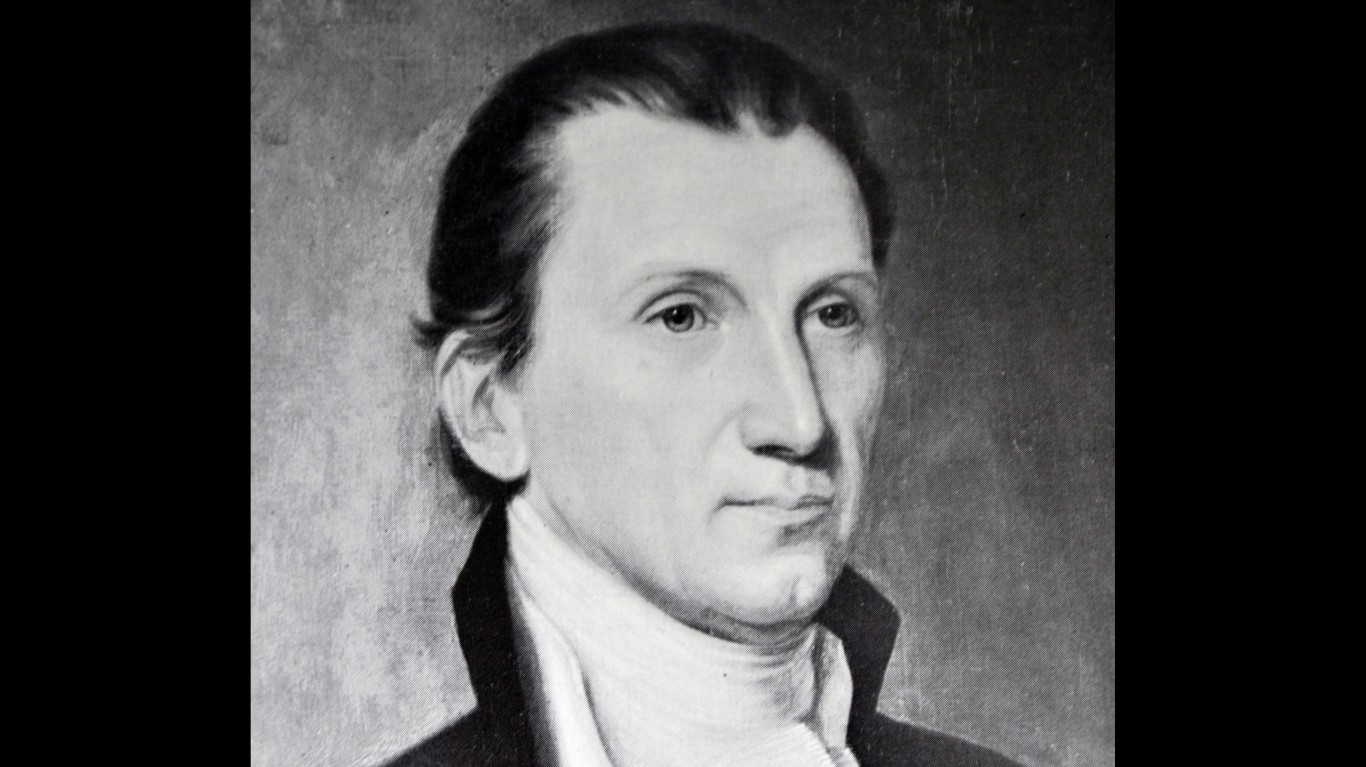
- Religious affiliation: Episcopalian
Plenty of documentation supports James Monroe’s attendance at Episcopal throughout his life, including in office. Unfortunately, none of his private letters or papers mention notable religious beliefs.
4. James Madison
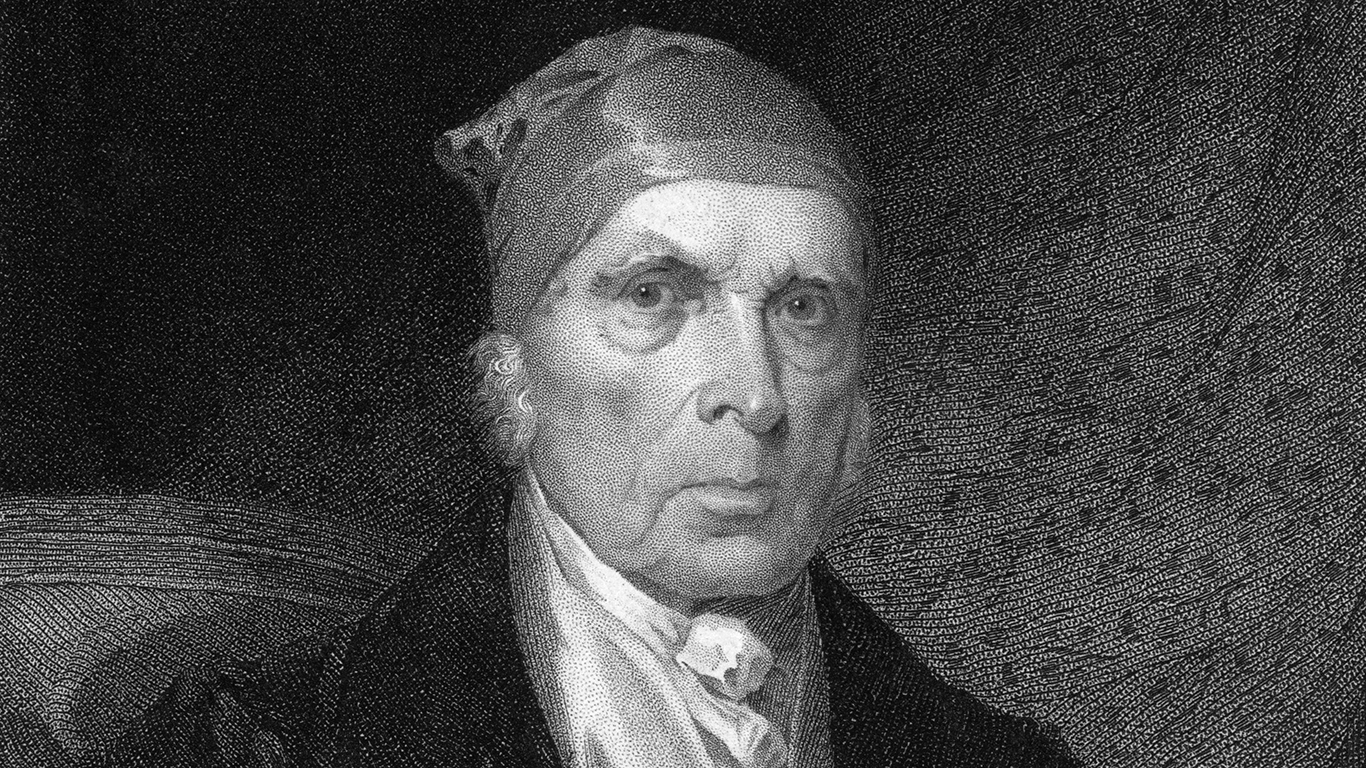
- Religious affiliation: Episcopalian
While James Madison wasn’t a devout follower of religion, he was born and raised as an Episcopalian. Like Jefferson, Madison was aligned with separating church and state and even publicized views critical of organized religion.
3. Thomas Jefferson
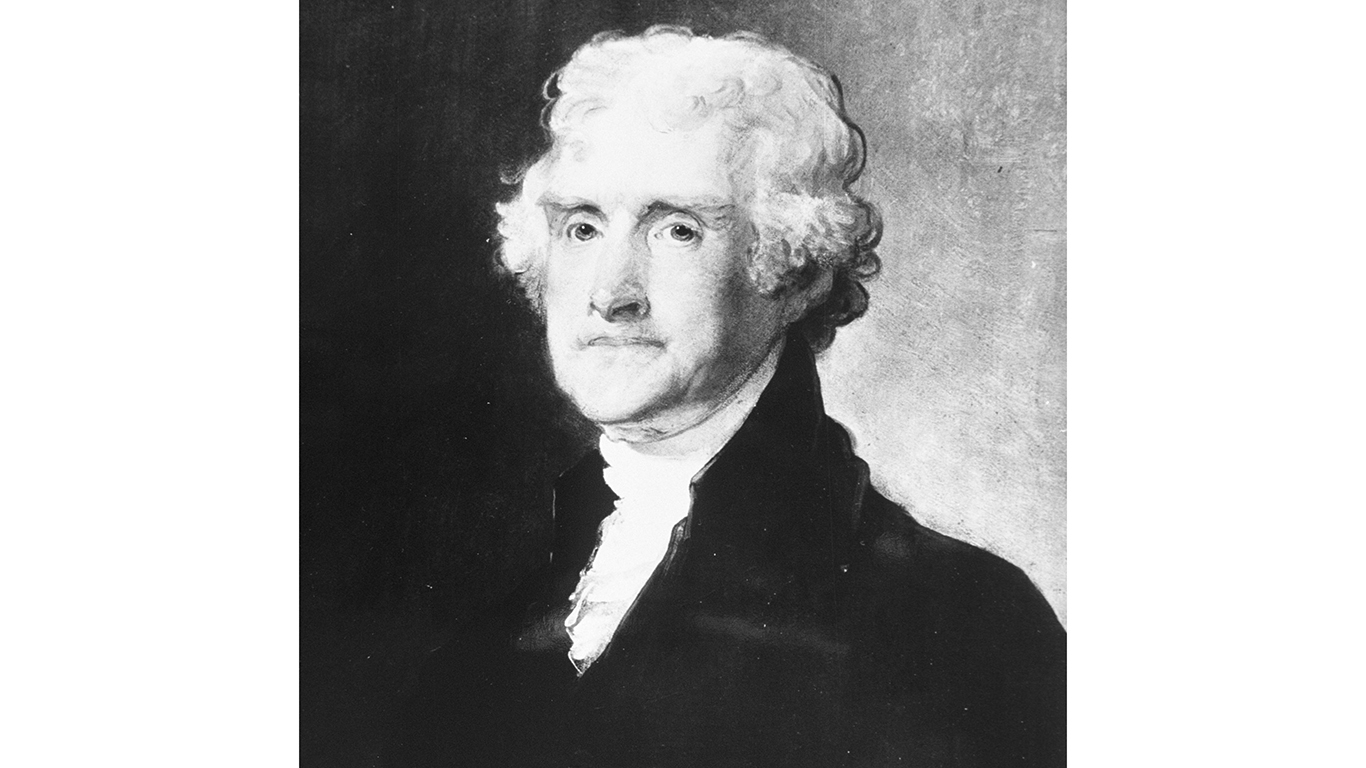
- Religious affiliation: Deist
One of America’s most important founding fathers was a Christian by birth but was known for rejecting Christian ideology. Even though he attended Church regularly, Jefferson strongly opposed the idea of miracles and divinity.
2. John Adams
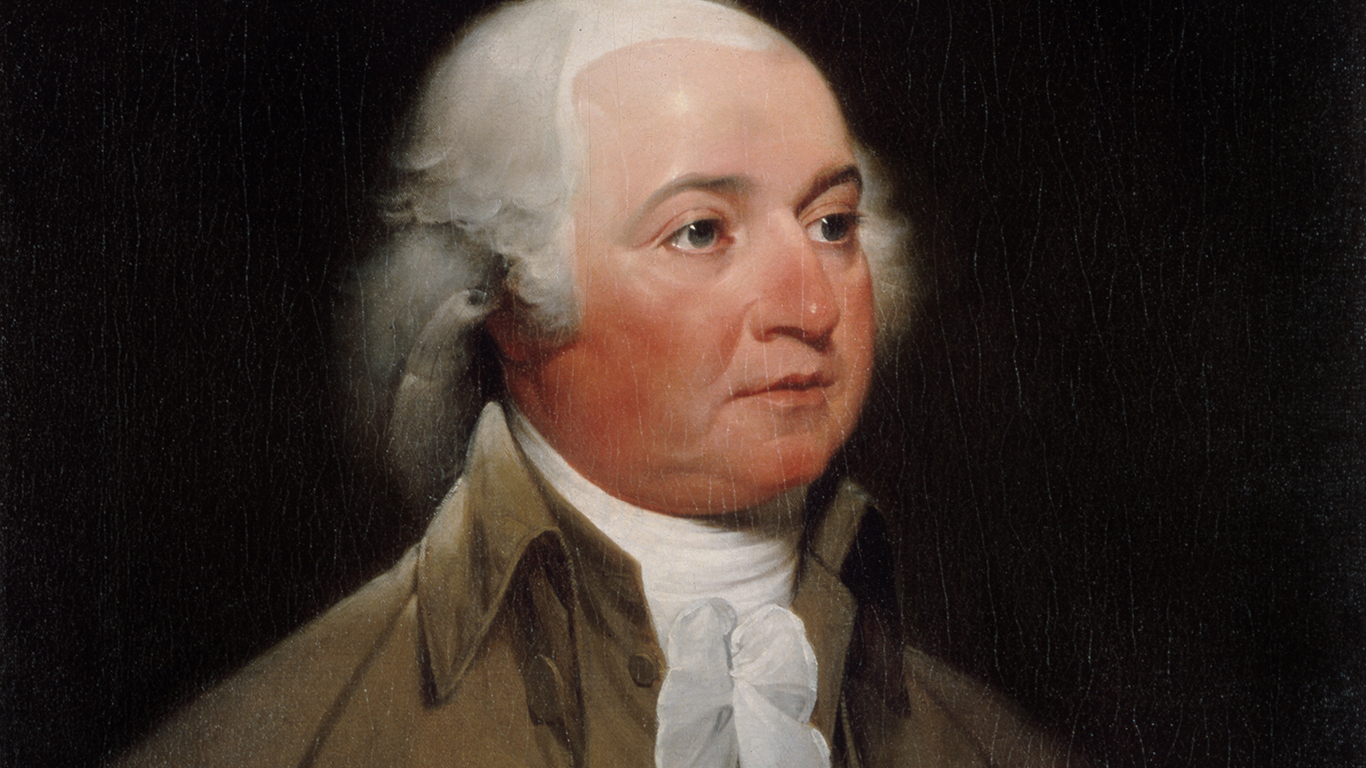
- Religious affiliation: Unitarian
Raised a Congregationalist, John Adam was known for his belief that attending Church and being religious was good for society. However, Adams never imposed his viewpoint on anyone and was a strong opponent of establishing a national religion.
1. George Washington
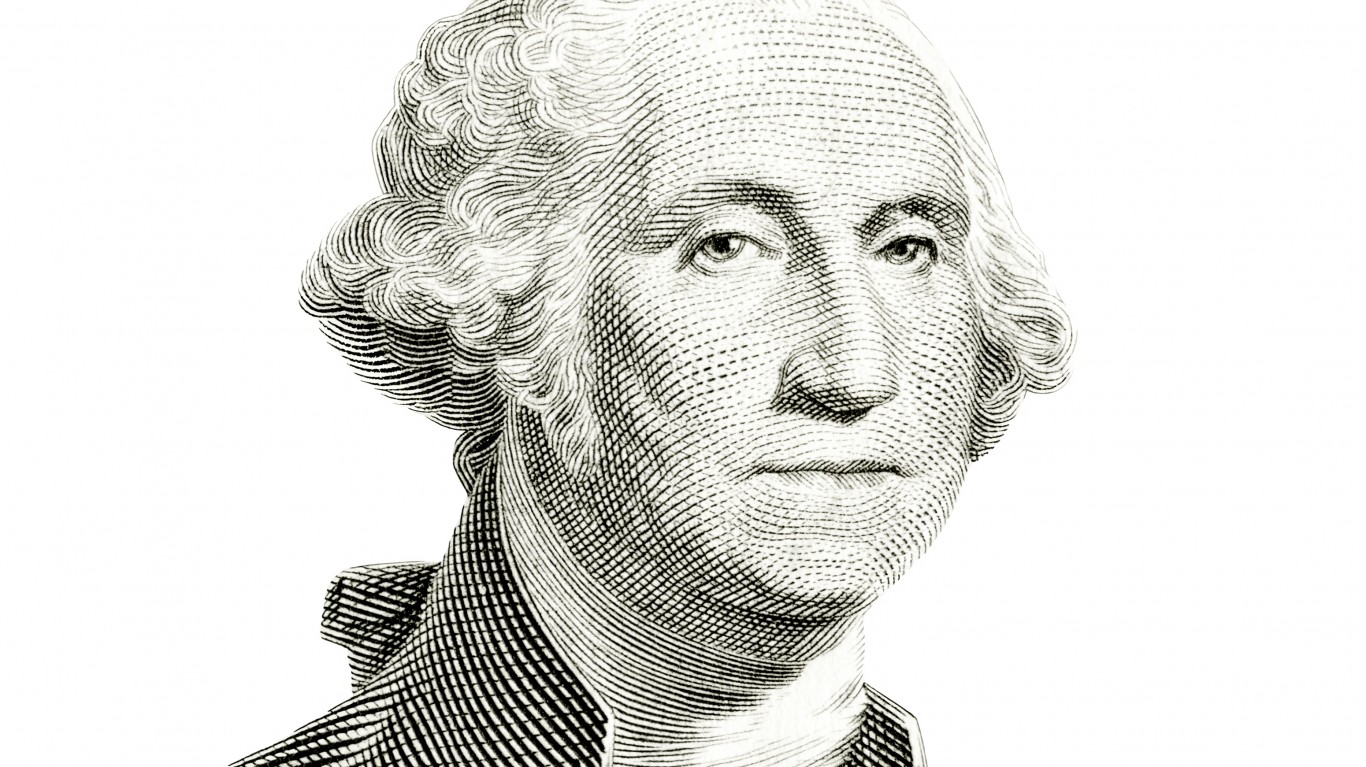
- Religious affiliation: Episcopalian
As America’s first president, George Washington was a man of faith and held many roles within the Anglican church. While somewhat private about his religion, he was baptized into the Church of England and frequently attended religious services. In almost a progressive sense, Washington also believed in religious freedom across the board. He felt that people should not have to explain their faith to others, but only to God.






 Top Gaining Stocks
 Top Losing Stocks