


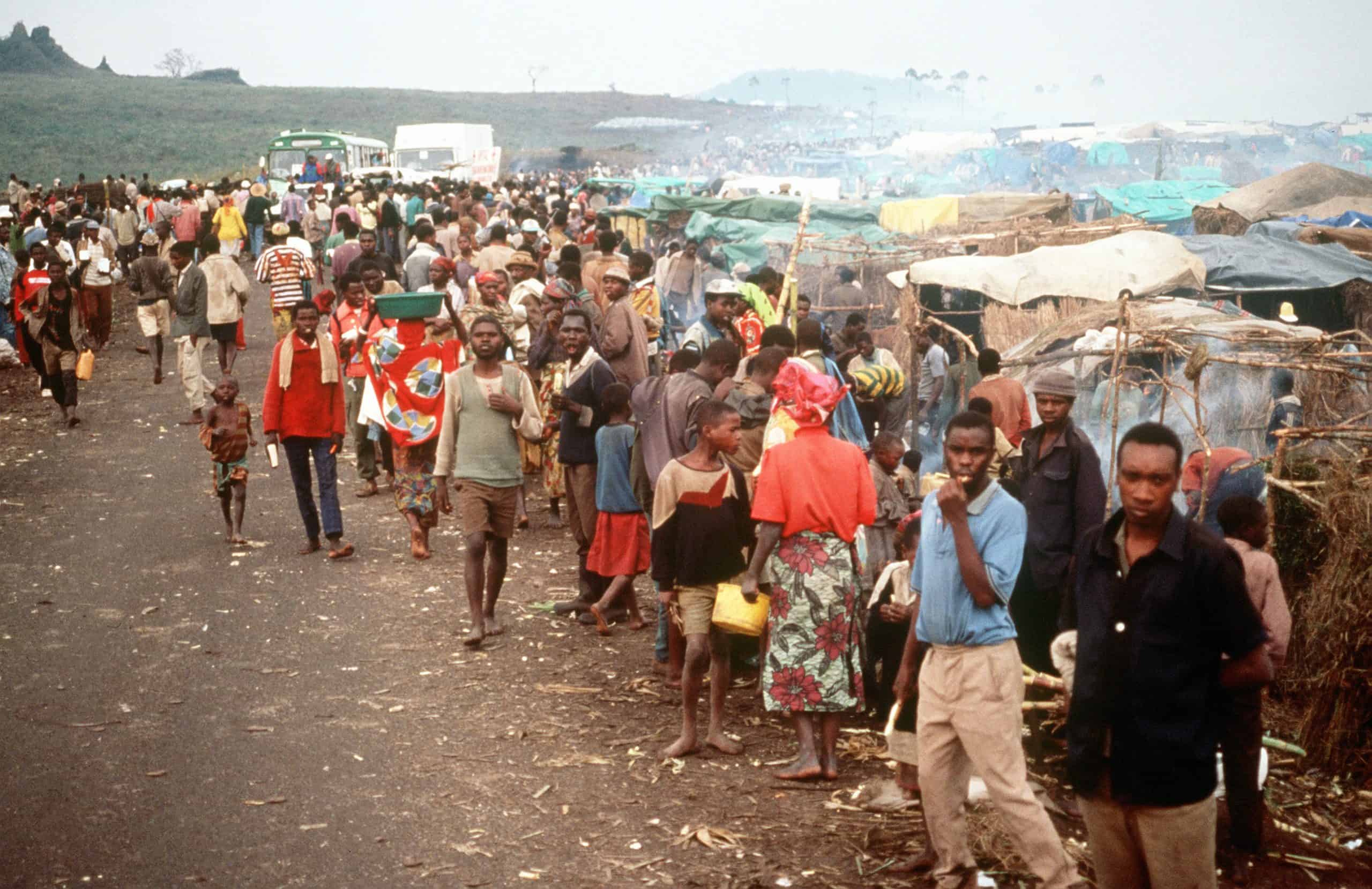
Many species of animals go through mass migrations, but there’s likely no species on Earth that has migrated to more locations than human beings. Unfortunately, human migrations are often the result of war and or other unspeakable tragedies that continue to impact the descendants of those who lived through them. Whether the circumstances are positive or negative, though, mass migrations almost always have a big effect on human history.
Prehistoric Migrations (70,000-50,000 BC)
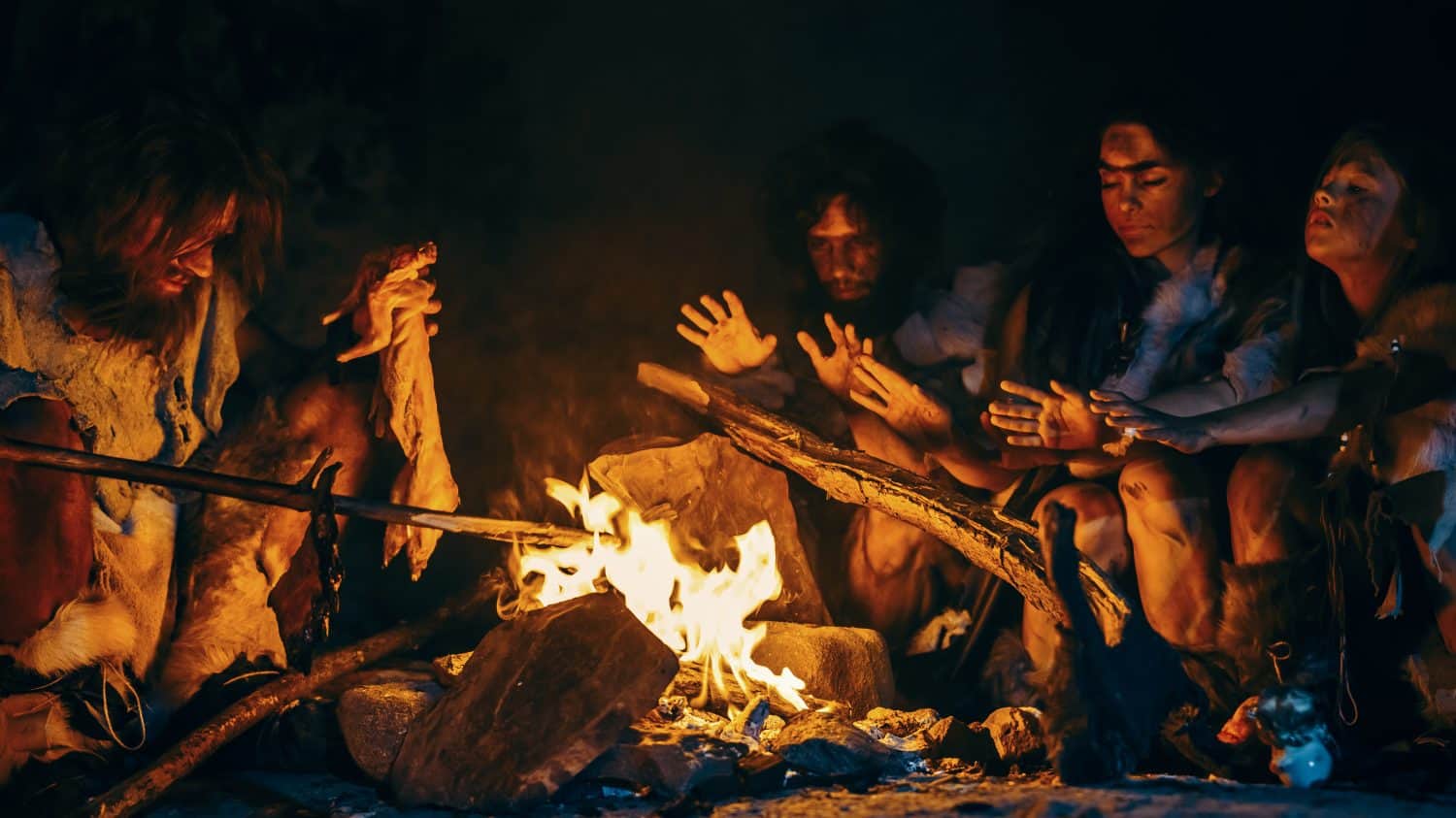
Anthropologists believe Homo sapiens migrated out of Africa to Eurasia years ago, mixing with the Neanderthal populations they found there. It’s possible this included only a few thousand people who may have been fleeing overcrowding, famine, or other negative conditions. But even if the numbers were small, it was a watershed moment in the development of human civilization.
Indo-European Migration (4,000-1,000 BC)
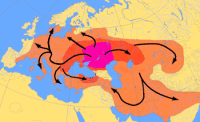
Indo-Europeans lived somewhere in Central Asia before migrating into what is today Europe, Iran, and the Indian subcontinent. The languages of these regions share similarities that show they all originated with one people group. A million or more of them migrated in different waves over thousands of years. Their migration may have resulted from environmental issues, pressure from competing tribes, or the development of new technologies that gave them an advantage over other people groups.
Bantu Migration (2,000 BC – 500 AD)
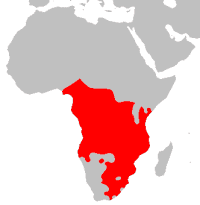
The Bantu people originated in the area of Nigeria and Cameroon, West Africa. They expanded first into Central and East Africa, then into the southern part of the continent. They brought their language, agricultural practices, and ironworking technology with them. Today, over 500 Bantu languages are spoken across Africa.
European Emigration to the Americas (1492-1939)
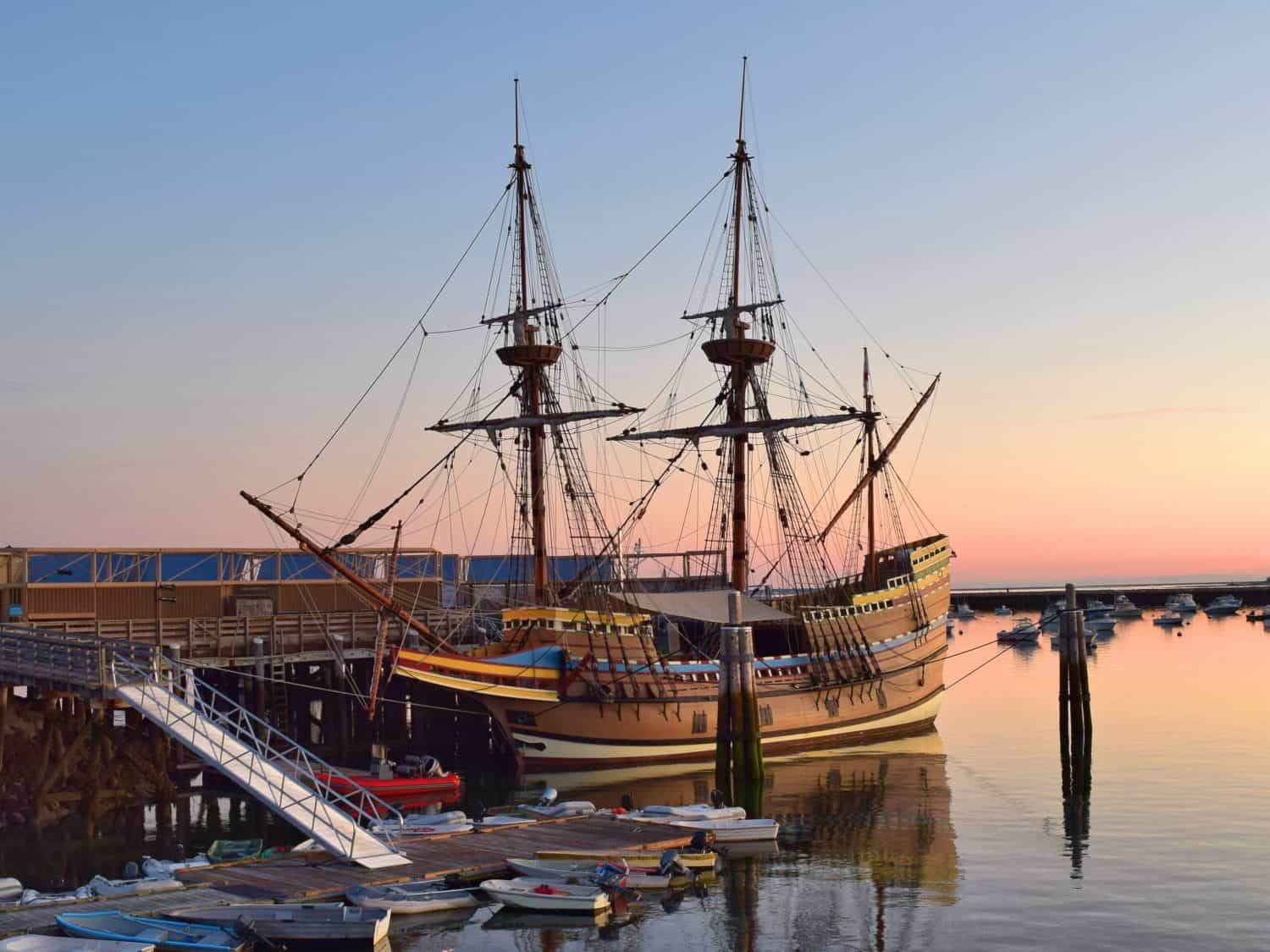
From the 15th-20th centuries, approximately 60 million Europeans emigrated to the New World. Up to about 1820, this migration was mainly from Great Britain, Spain, Portugal, and France, the main colonial powers. In the following century, waves of immigrants arrived from Ireland, Germany, Scandinavia, Italy, Greece, and Eastern Europe due to economic and political hardships or a desire for a better life.
The Transatlantic Slave Trade (1513-1808)
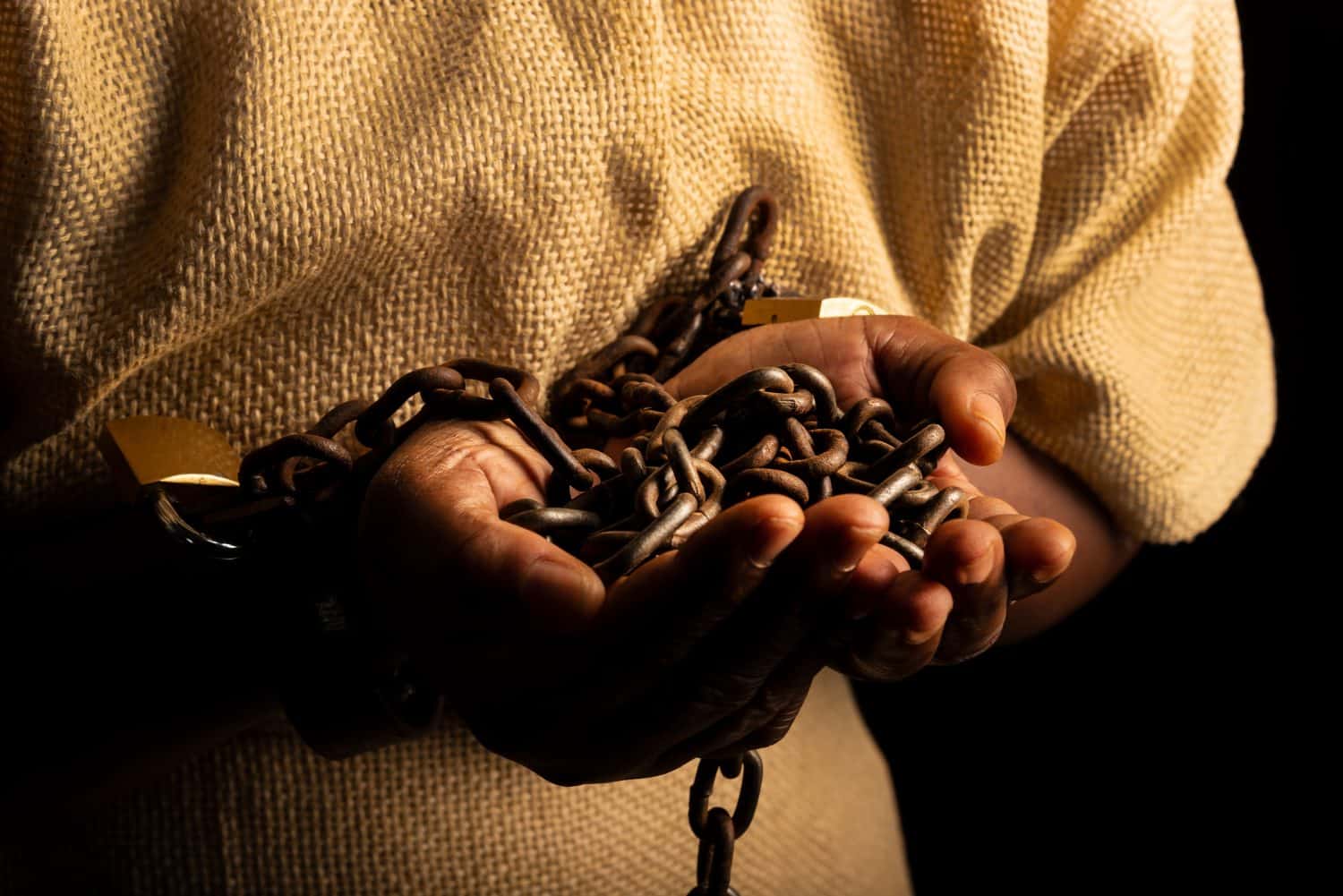
Spanish explorers brought the first African slaves to the New World in 1513. By the time the United States had outlawed the importation of African slaves in 1808, 10-12 million people had been forcibly relocated to North and South America. Up to 2 million died in the hellish conditions of the transatlantic voyage.
Jewish Migration to Israel (1881-present)
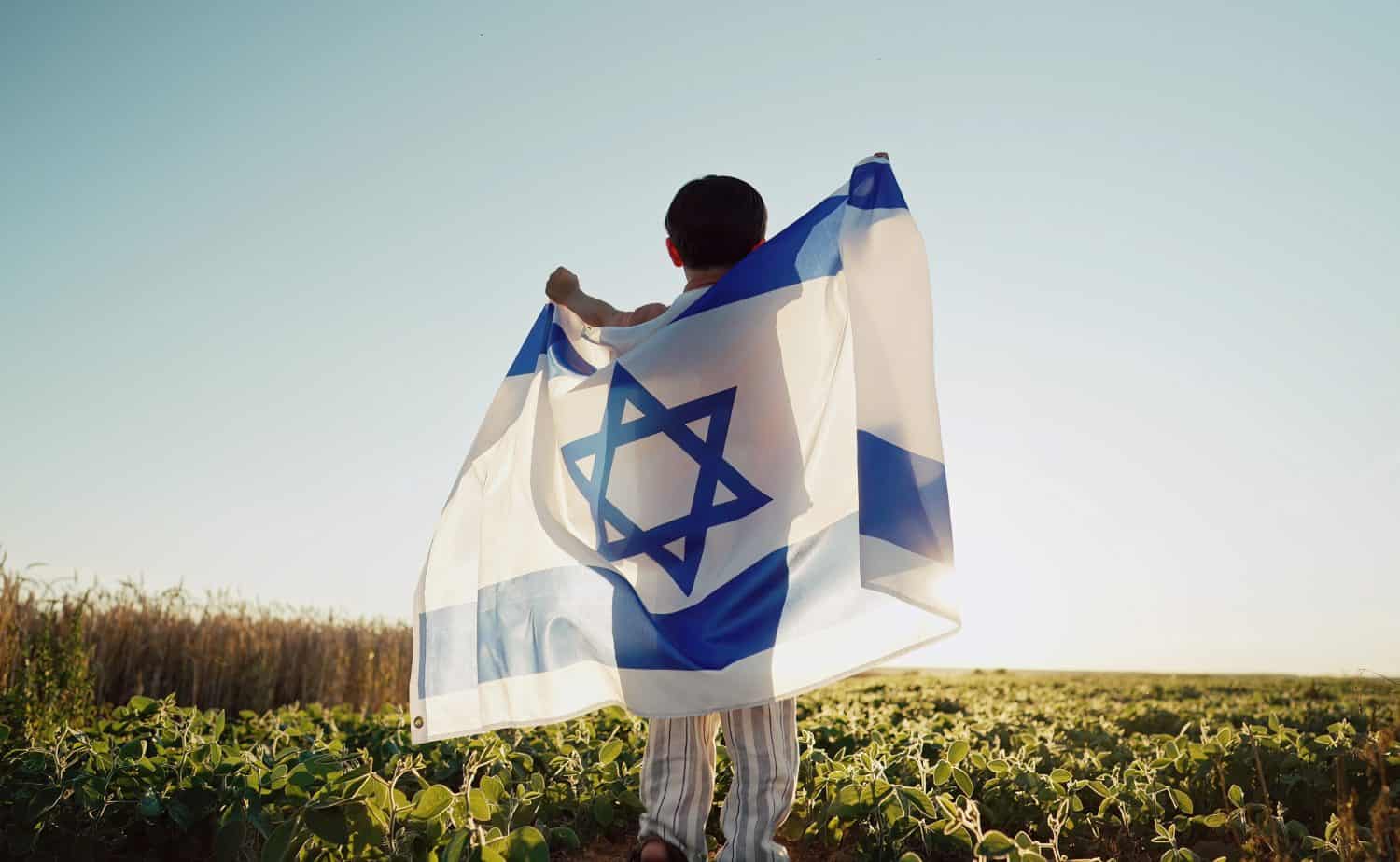
In the late 19th century the Zionist movement began relocating Jews to the British colony of Palestine, a process that dramatically accelerated after World War II and with the founding of the state of Israel. In all, an estimated 3 million Jews have relocated to Israel principally from Europe, America, North Africa, and the Middle East.
Armenian Genocide (1915-1916)
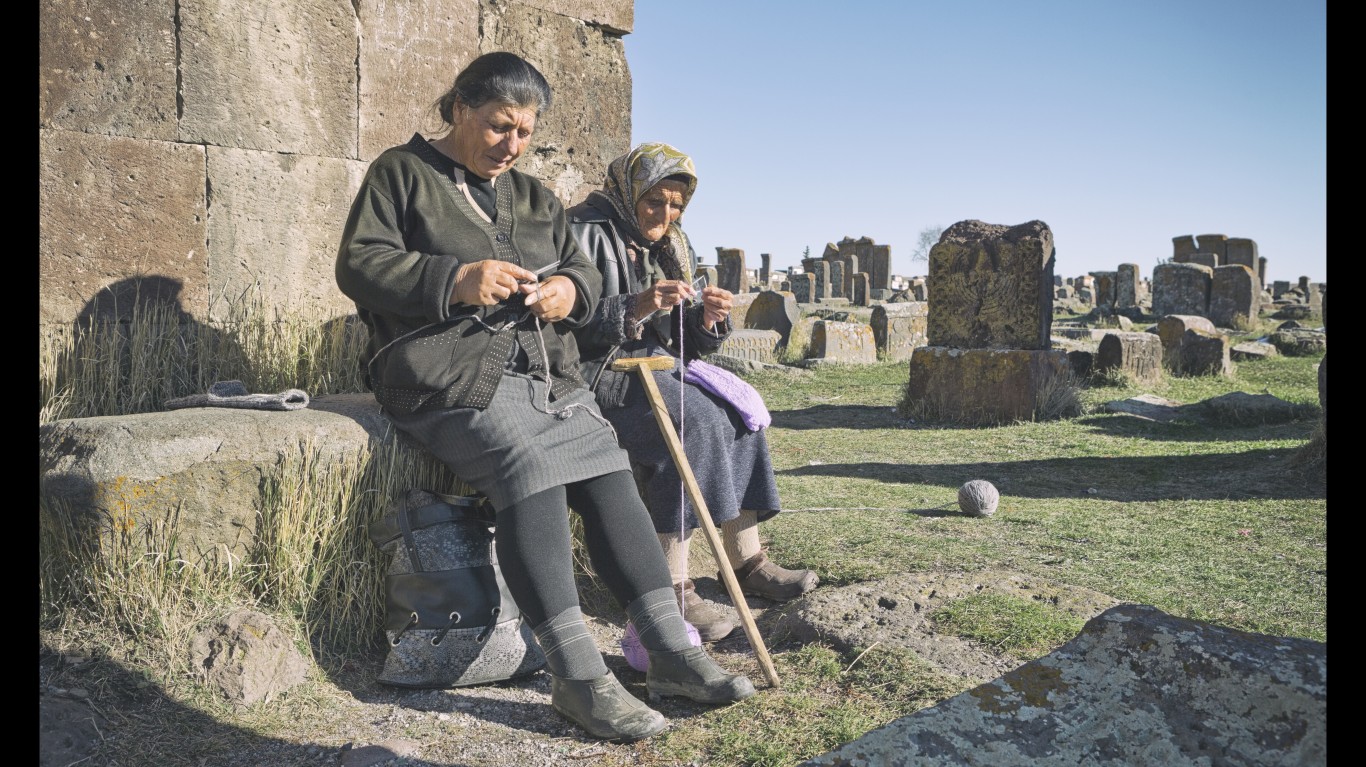
During and after World War I, the Ottoman Empire began trying to exterminate its Armenian population to suppress natioinalism among non-Muslim minorities in the empire. Anywhere from 664,000-1.2 million died from massacres, starvation, and exposure to the elements on forced death marches into the Syrian desert without food or water. Hundreds of thousands fled to neighboring countries and disbursed around the world. This event is considered the first genocide of the 20th century.
The Great Migration (1916-1970)
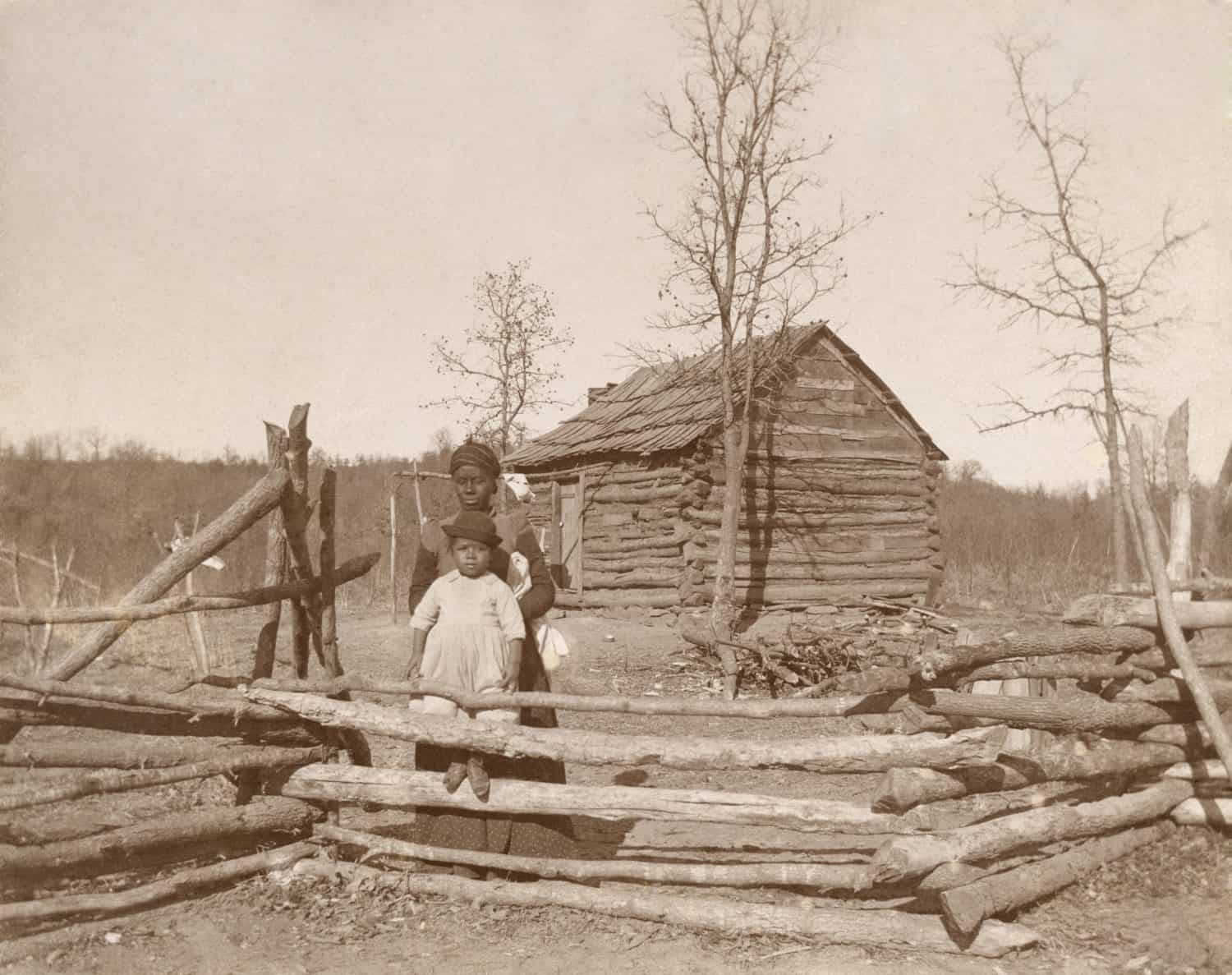
For much of the 20th century, African Americans migrated from, the rural South to the Northeast and to the West Coast to escape racial discrimination and to find better jobs to support their families. Approximately 6 million people relocated during this time period and brought a southern flavor to African-American culture nationwide.
World War II (1941-45)
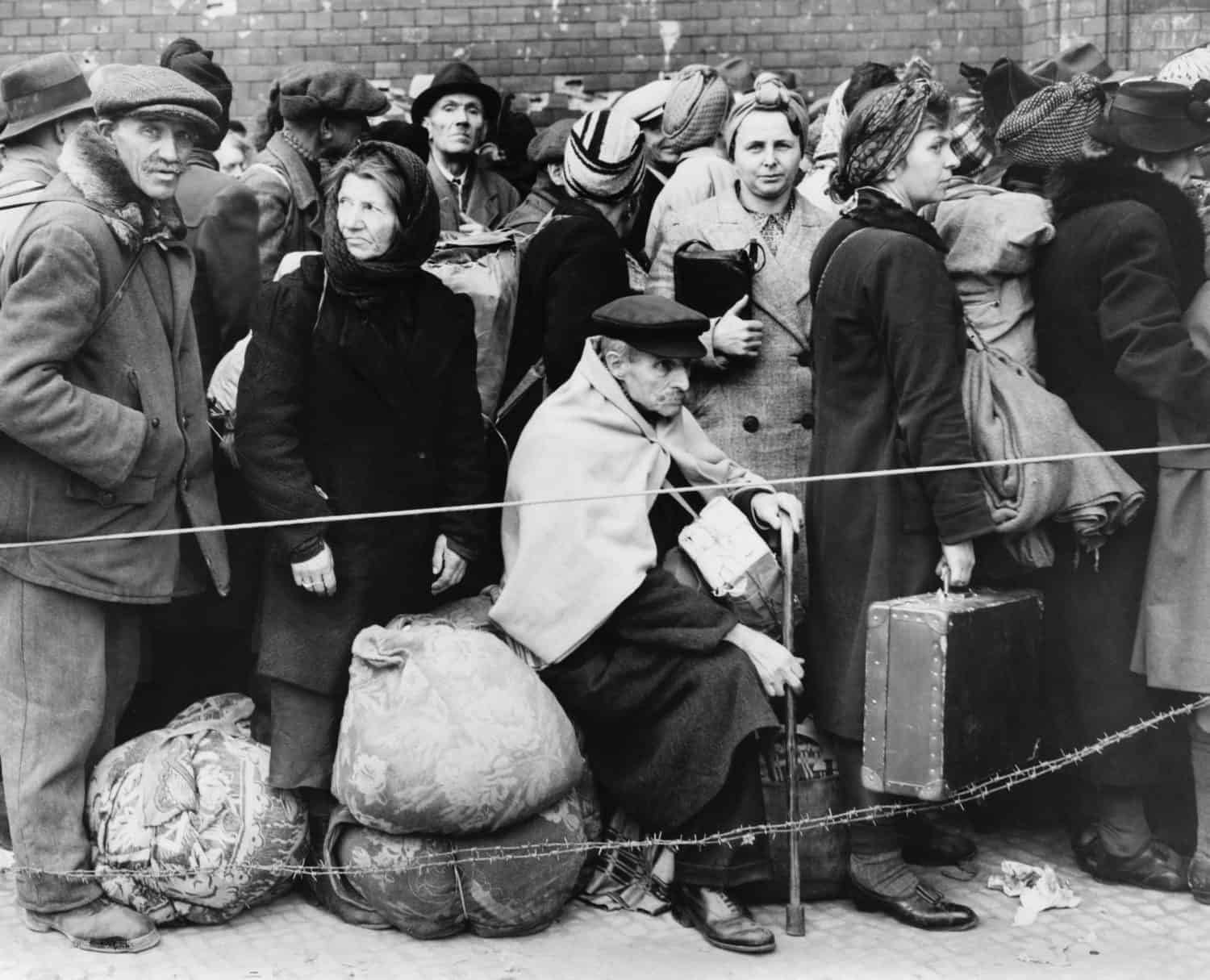
World War II resulted in mass displacement of tens of millions of people in Europe and Asia, not to mention the deployment of millions of troops to the battle theaters from other parts of the world. An estimated 65 million people were displaced by the war in Europe, including 12 million transported to concentration camps to be murdered by the Nazis. In the Pacific theater, total wartime displacement of soldiers and civilians may have reached as high as 100 million people. In the Soviet Union, Stalin deported anywhere from 3.3 million to 6 million ethnic minorities to Central Asia and the Far East, including Crimean Tatars, Chechens, and Volga Germans. Even in the United States, 120,000 Americans of Japanese ancestry were forcibly relocated from the West Coast to internment camps in other parts of the country.
Partition of India (1947)
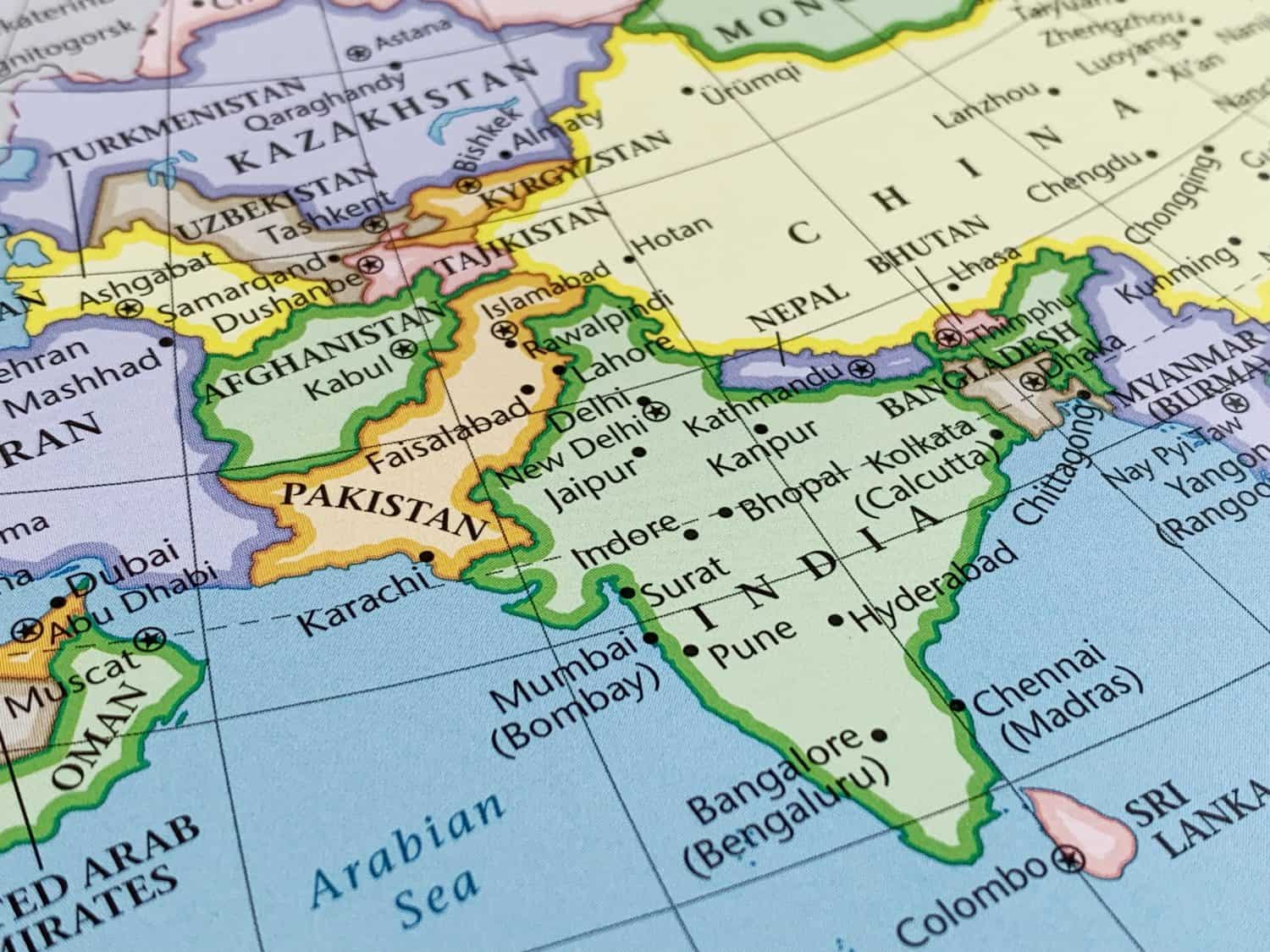
The Indian subcontinent was under British rule for about 190 years until 1947 when India and Pakistan gained independence as Hindu- and Muslim-majority states, respectively. 14-18 million people crossed the borders in both directions, with numerous clashes between them resulting in about 1 million deaths.
Retreat of the Chinese Nationalists (1949)
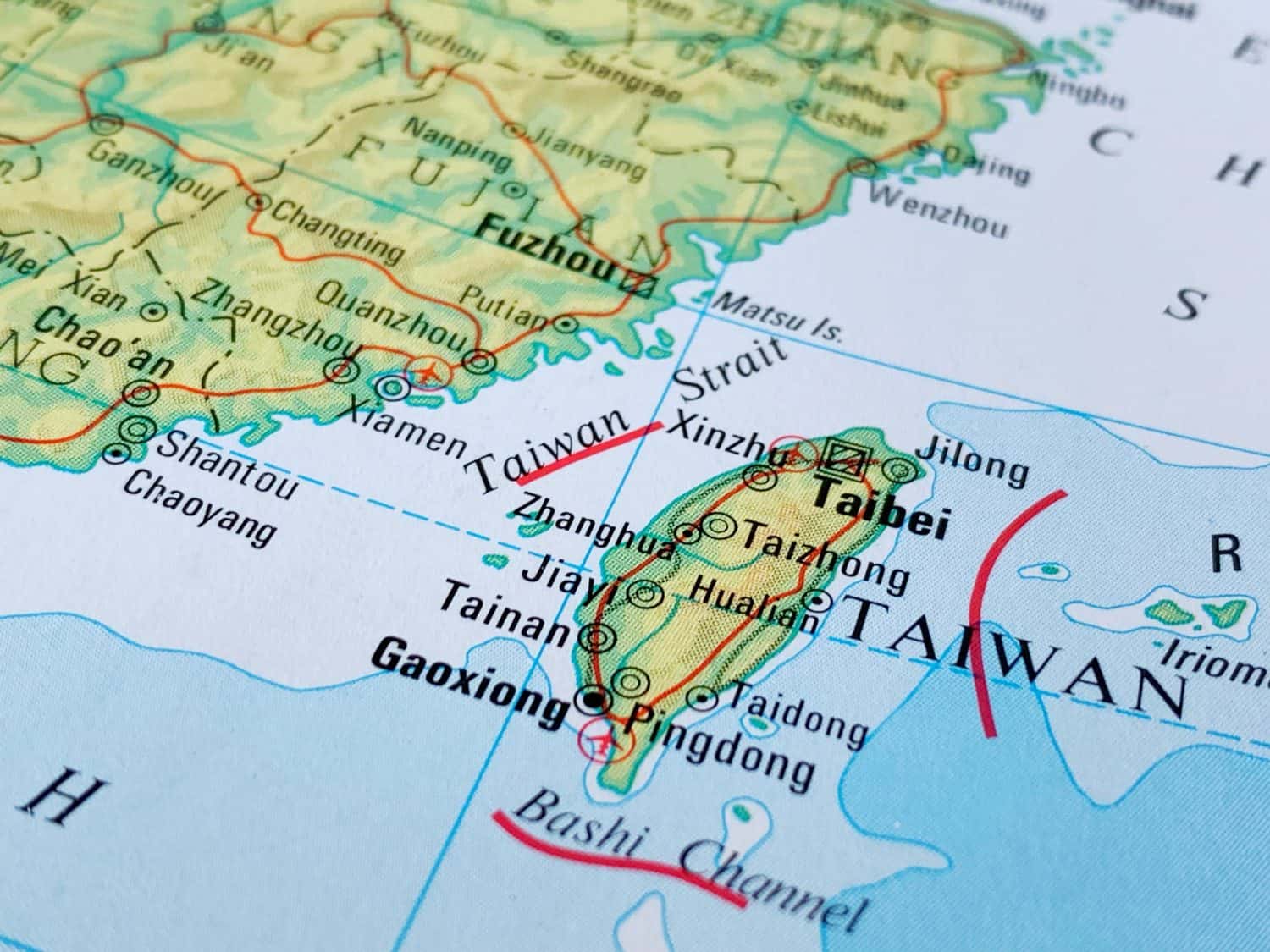
China had been fighting a communist rebellion before World War II, but the communists and nationalists suspended their fight to work together against the Japanese invasion and occupation. After the war, the Chinese civil war resumed in earnest. Mao Tse Tung led the communists to an incomplete victory. About 2 million soldiers and civilians from the Nationalist government fled to the island of Taiwan where they set up a separate government. Taiwain has never declared independence, but is functionally a separate country, governed as a democracy and heavily armed by the U.S. and its allies.
Vietnam War Refugees (1975-1990)
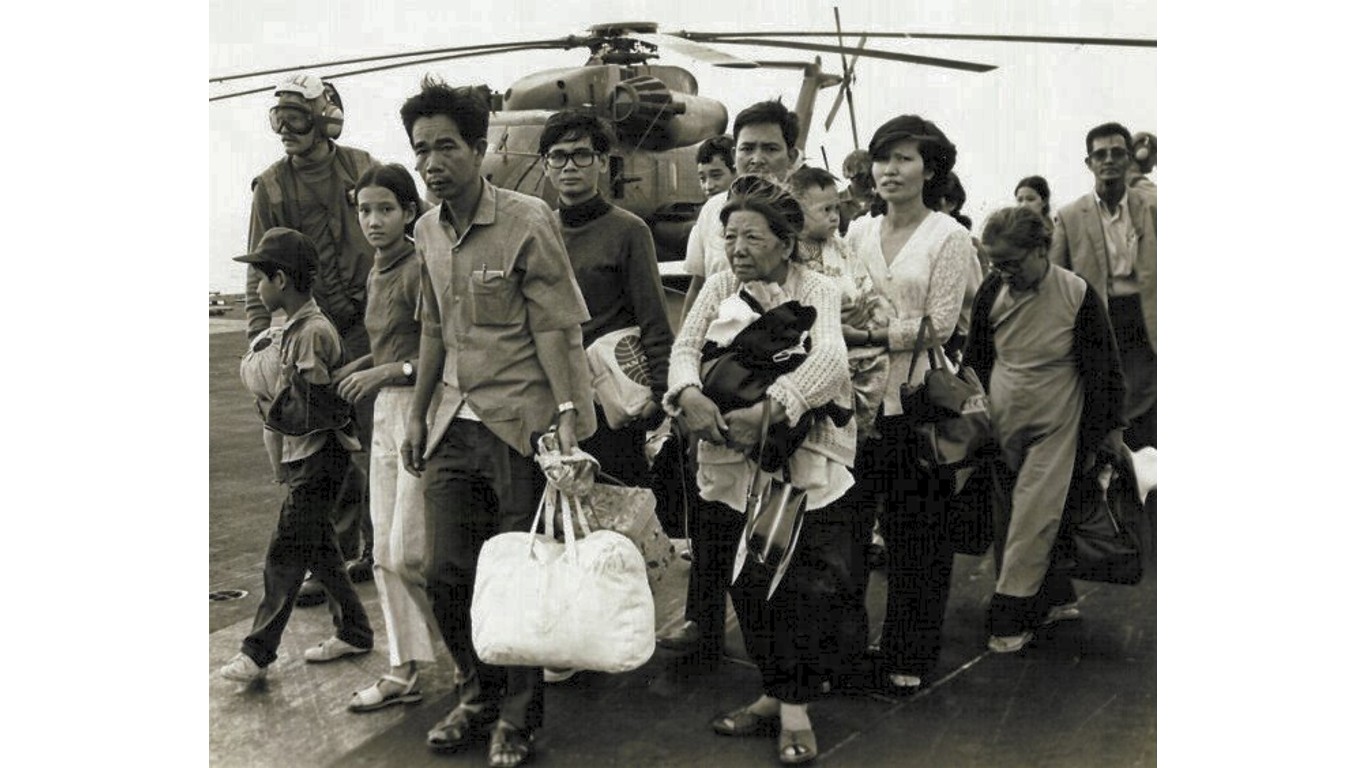
About 2 million people migrated out of Vietnam in the 15 years following the fall of South Vietnam to the communist North. This included about 800,000 so-called “boat people” who fled by sea. Many of them feared reprisals from the new government for their association with the previous regime and its western allies who had fought in the Vietnam War or for their membership in religious organizations or ethnic minority status. The United States, Australia, and several European countries offered a new home to many of these refugees.
The Syrian Refugee Crisis (2011-present)
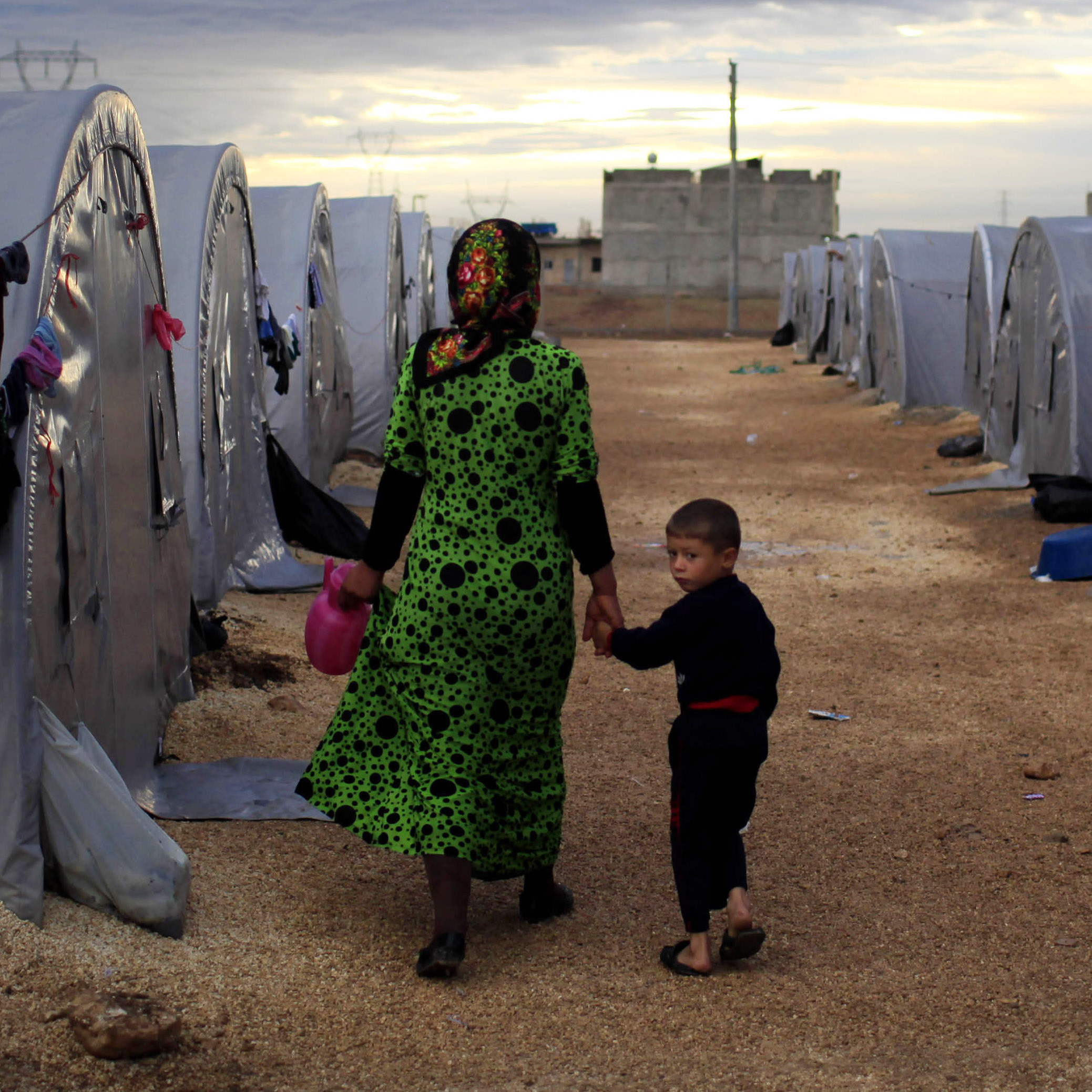
One of the largest mass migrations currently underway is the Syrian refugee crisis. As a result of a long-running civil war, about 14 million Syrians have been displaced from their homes; about half internally and half to other countries. The recent overthrow of the Assad dictatorship combined with fighting in Lebanon between Israel and Hezbollah, has motivated thousands of refugees to start moving back across the border although the situation is still far from settled.







 Top Gaining Stocks
 Top Losing Stocks