


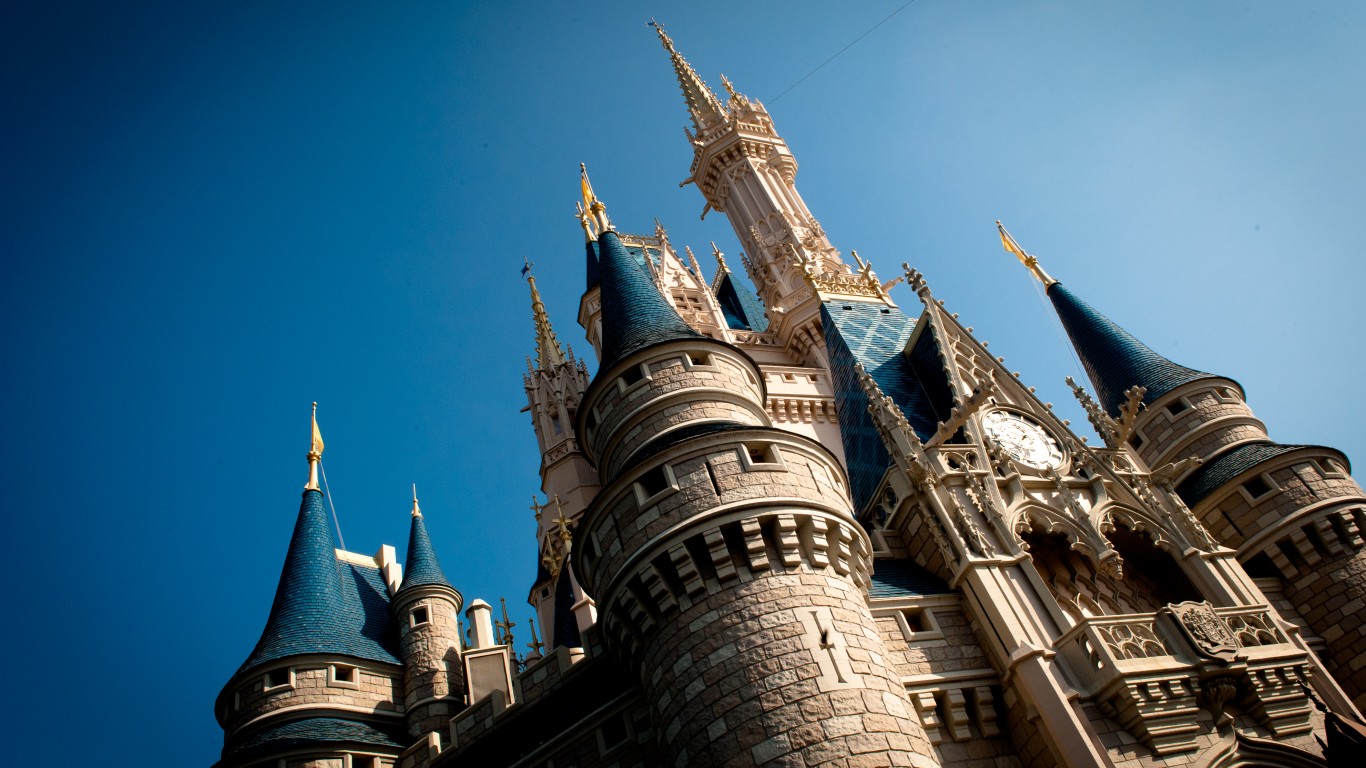
Walt Disney Co. (NYSE: DIS | DIS Price Prediction) will open parts of its theme parks southwest of Orlando. It is a careless decision that risks the spread of COVID-19 in Orange County, where Orlando is located. Orange County has 16,148 confirmed cases, up by 553 yesterday. It has 78 coronavirus deaths, after adding nine in a day. Florida may be the worst state hotspot in America, and the Orlando area is among the places where the number of COVID-19 cases has doubled recently.
[in-text-ad]
Plans to Open a Number of Orlando Locations
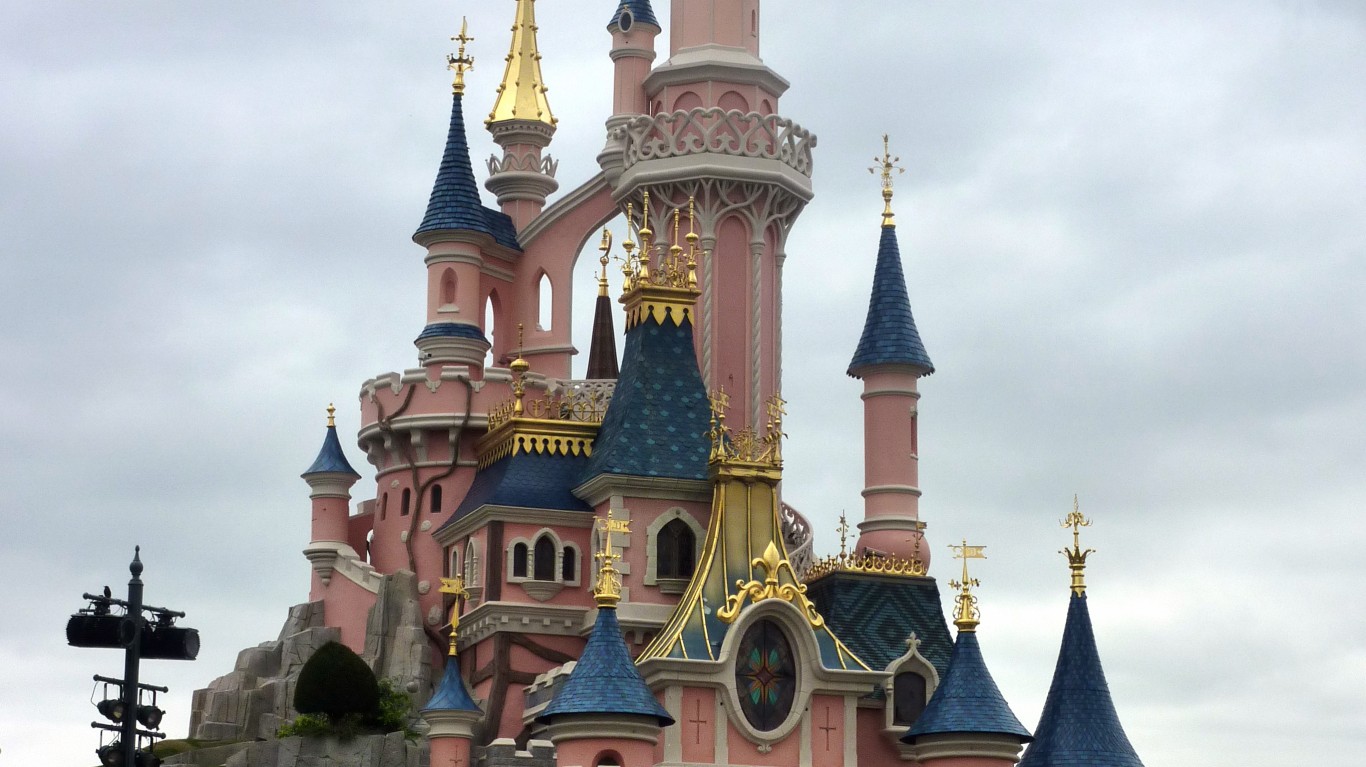
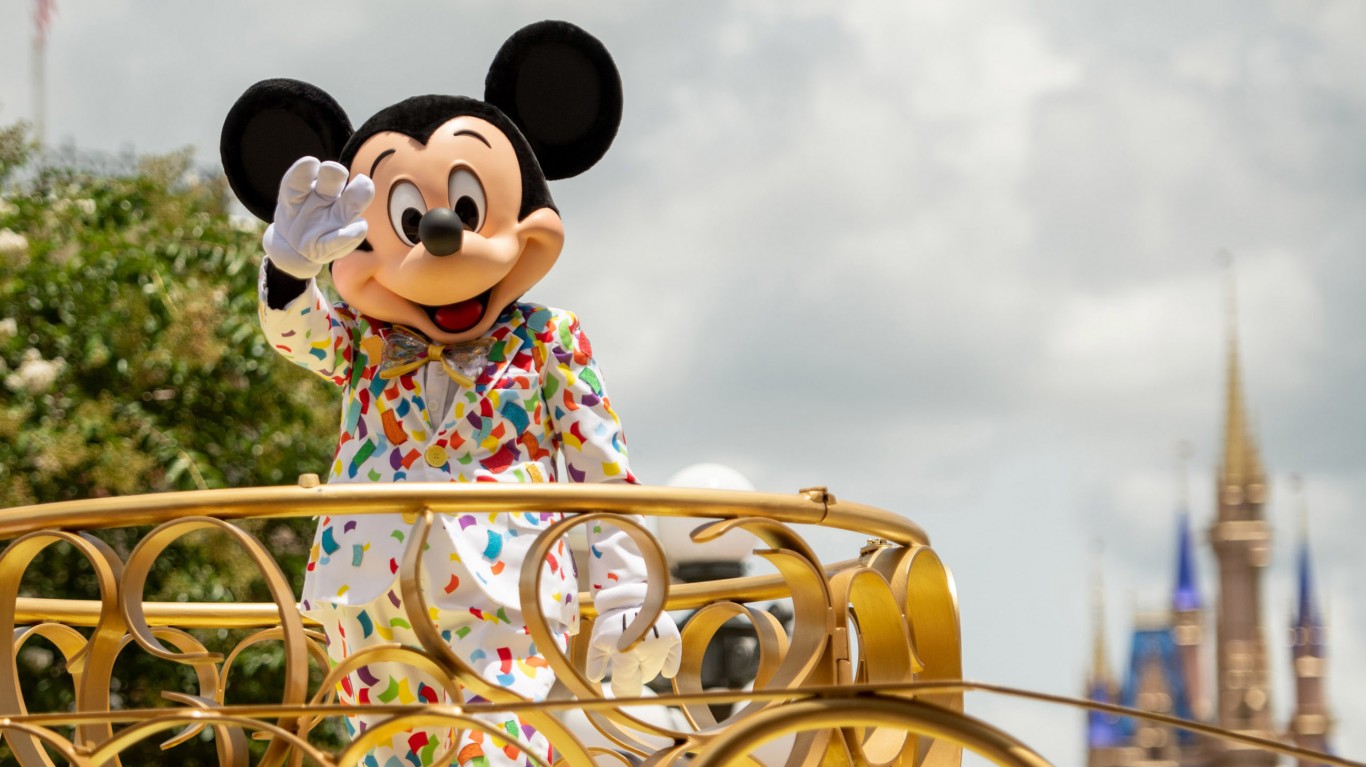
Magic Kingdom Park and Disney’s Animal Kingdom theme park have reopened. Disney Vacation Club locations at Walt Disney World and Disney’s Wilderness Resort & Campground have opened to what Disney calls “Members and Guests.” Even some restaurants may reopen to people who visit the parks.
As is the case with many public places in America that have reopened, Disney frequently will clean public areas. The extent to which that mitigates the spread of the infection is well known. However, cleaning is hardly a perfect solution. Parking will be monitored. Disney will enforce the use of masks, and the parks also will use temperature screenings.
[nativounit]
Hidden Risks Disney Cannot Control
There are a number of factors Disney cannot control, and some of them are critical to maintaining public health. Its systems cannot find asymptomatic people. These are individuals who are infected but have not yet exhibited symptoms, including people who never will have symptoms at all. Detection mechanisms like temperature checks cannot spot them. Proceedings of the National Academy of Sciences of the United States of America reports that as many as 50% of infections are spread by asymptomatic carriers.
Another risk is that the airborne virus can infect people. The exact effects of this are still being studied. However, many scientists view it as a substantial risk. The World Health Organization has stated that the spread in crowded, indoor locations with poor ventilation “cannot be ruled out.” It is another risk to the public that Disney has taken.
Why Would Disney Reopen Parks and Risk Infection?
Disney’s financials have been battered by the shutdown of its parks and cruises. In the quarter that ended March 30, its Parks, Experiences and Products segment had $5.5 billion in revenue, out of Disney’s total of $18 billion. When earnings were announced, management commented that “The impact of COVID-19 and measures to prevent its spread are affecting our segments in a number of ways, most significantly at Parks, Experiences and Products where we have closed our theme parks and retail stores, suspended cruise ship sailings and guided tours and experienced supply chain disruptions.”
[recirclink id=723223]
In addition, many Disney employees have been affected by the shutdown. In April, Disney furloughed 43,000 employees who worked at Walt Disney World. Some media put the figure as high as 100,000.
Note as well that Disney is among those that soon will be releasing films to theaters despite the pandemic.
The damage to Disney’s balance sheet and revenue will continue the longer the parks and theaters are closed. Disney could argue that people are ready to stream back to these parks as they have for decades. That does not make the decision any less risky.
[wallst_email_signup]









 Top Gaining Stocks
 Top Losing Stocks