


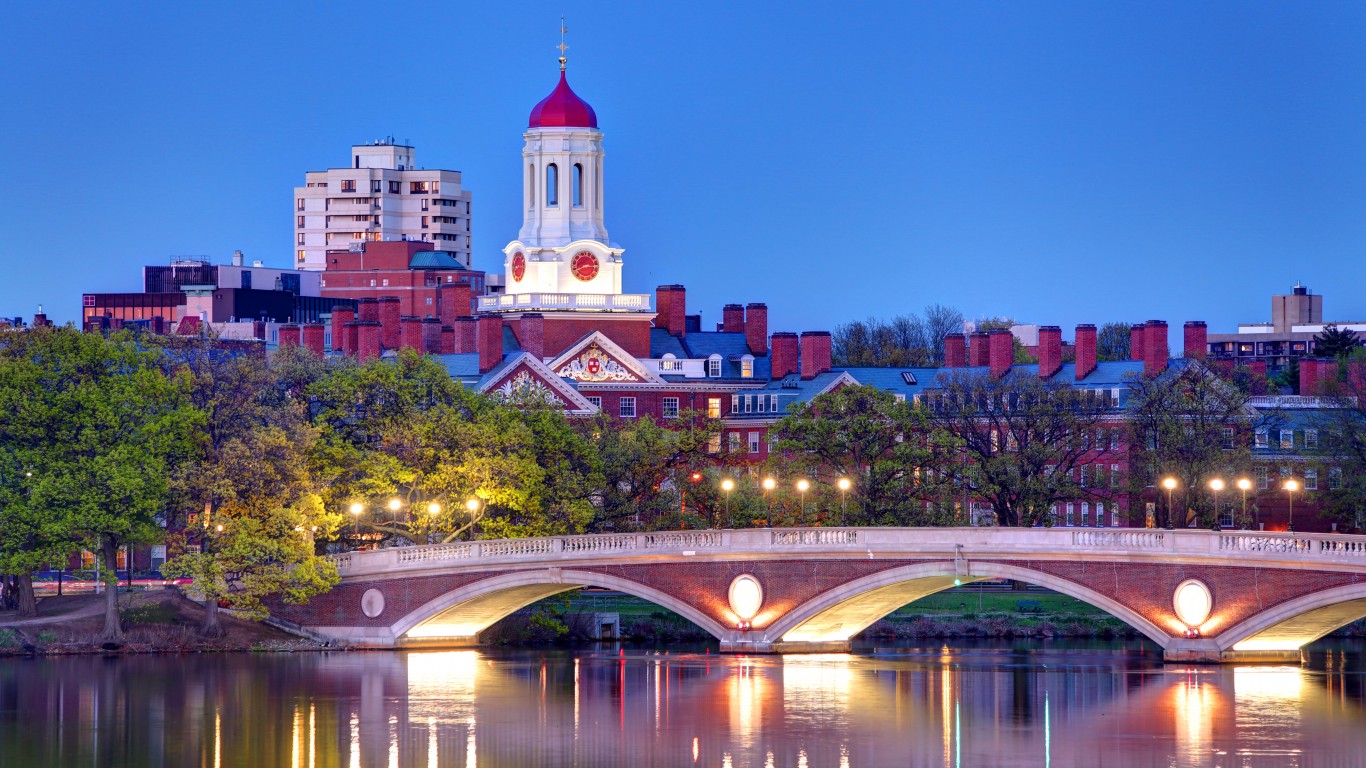
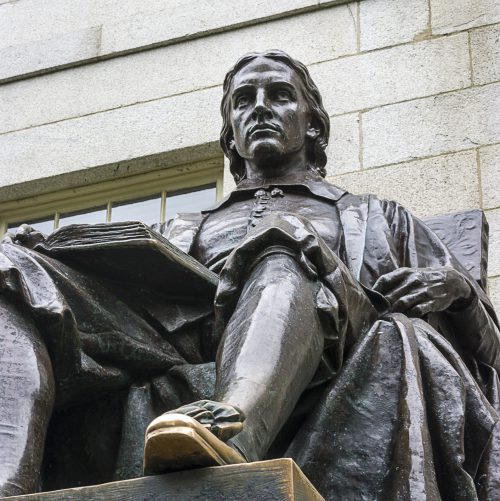
Harvard University, usually ranked as the best educational institution in America, suffered a drop in its endowment last year. The balance in this endowment fell from $53.2 billion at the end of the 2021 fiscal year to $50.9 billion at the end of fiscal 2022. It demonstrates how even the world’s largest and well-regarded money management operations cannot manage their way out of a series of market downturns.
[in-text-ad]
There is a wrong-headed assumption that places like Harvard, Goldman Sachs and Blackrock, with legions of extremely well-trained investors, rarely make mistakes. It is another reminder that, at its heart, investment is gambling. This is the case no matter the circumstances.
[nativounit]
While large institutions can lose money, smaller ones can post major gains. The financial news occasionally carries stories about money management firms and hedge funds that have posted double-digit percentage returns. Hedgeweek recently reported that currency and quant hedge funds had posted strong numbers, even though the average hedge fund measured in its study lost money in 2022.
Several other of the nation’s largest universities posted declines in their endowments as well. Columbia’s dropped 7.6%.
Perhaps the worst decision made by large endowments is their investment in private equity firms. These often buy out entire companies. In the process, most load these companies with debt to fund the buyouts. A poor economy makes private equity firms write down the value of these investments. Because these are illiquid, private equity firms cannot be sold or traded. The private equity firms are trapped by decisions and the assets they hold.
[wallst_email_signup]
Another challenge Harvard has is that $50 billion has to be invested across many asset classes. This allows its management to spread its bets. Usually, these asset classes include equity, corporate debt, government debt, currencies, commodities, hedge funds and private equity. While several may perform well, it is nearly impossible to get a strong return from each of them.
[recirclink id=1165394]
What will happen to Harvard’s endowment in fiscal 2023? It will lose money, almost certainly. No matter how well-trained its managers are, they cannot dodge an environment in which the price of almost everything is falling.






 Top Gaining Stocks
 Top Losing Stocks