


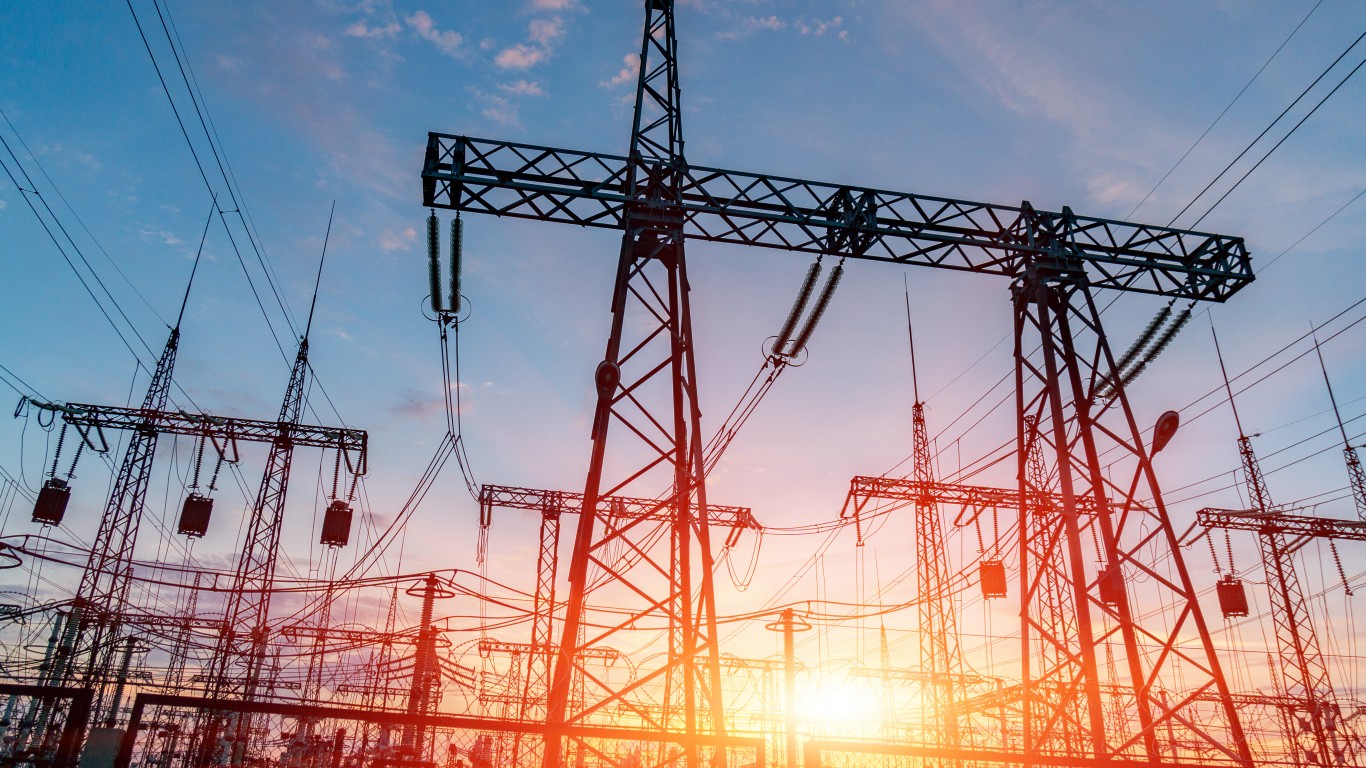
At least two things have happened to affect the ability of people to pay their energy bills since COVID-19 began. And in Texas — the state where the most people struggle with energy bills — one more thing did.
Nationwide, millions of people are still out of work. According to the Bureau of Labor Statistics, 7.4 million people were unemployed in October. Also, the cost of most forms of energy used to heat and cool homes has risen. Natural gas prices in the United States have doubled this year, and crude oil prices are up by even more.
To measure the effects of the COVID-19 pandemic on American life, the U.S. Census Bureau began conducting the Household Pulse Survey in April 2020. A number of other federal agencies participate — Bureau of Labor Statistics, Bureau of Transportation Statistics, Centers for Disease Control and Prevention, Consumer Financial Protection Bureau, Department of Defense, Energy Information Administration, Department of Health and Human Services, Department of Housing and Urban Development, Maternal and Child Health Bureau, National Center for Education Statistics, National Center for Health Statistics, National Institute for Occupational Safety and Health, and USDA Economic Research Service.
The survey is reported in waves, dubbed weeks. The current “week,” week 39, covers the period from Sept. 29, 2021 through Oct. 11, 2021. The data are reported by state and major metropolitan areas.
Among the subjects covered are changes in education, child care disruptions, loss of employment, working remotely, whether people have enough to eat, whether people have been vaccinated, whether they can pay mortgages or rent, and whether people are unable to pay their energy bills. The last of these reports the number, and percentage, of adults in households that were unable to pay an energy bill in full in the last 12 months.
The state where the most people struggle with energy bills is Texas, where 27.9% of adults lived in households that were unable to pay an energy bill in full. This compares to a national average of 20.1%. The survey does not give a reason. However, a huge winter storm that hit the state in February caused a spike in the price of electricity in the state.
In its Winter Fuels Outlook, the EIA has forecast that nearly half of U.S. households that heat primarily with natural gas will spend 30% more on average than they spent last winter. If the winter is 10% colder than average, that figure would jump to 50% more, and if the winter is 10% warmer than average, the figure would decline to 22% more. The EIA made similar forecasts for electricity, propane, and oil. These are the coldest places in America today.
At the other end of the spectrum of people who can’t pay energy bills is Minnesota, with the lowest national rate of 11.3% of adults living in households that can’t pay their energy bill. Ironically, it is one of the coldest states in the nation. This is how global warming is affecting every state.
Click here to see the state where people can’t pay their energy bills
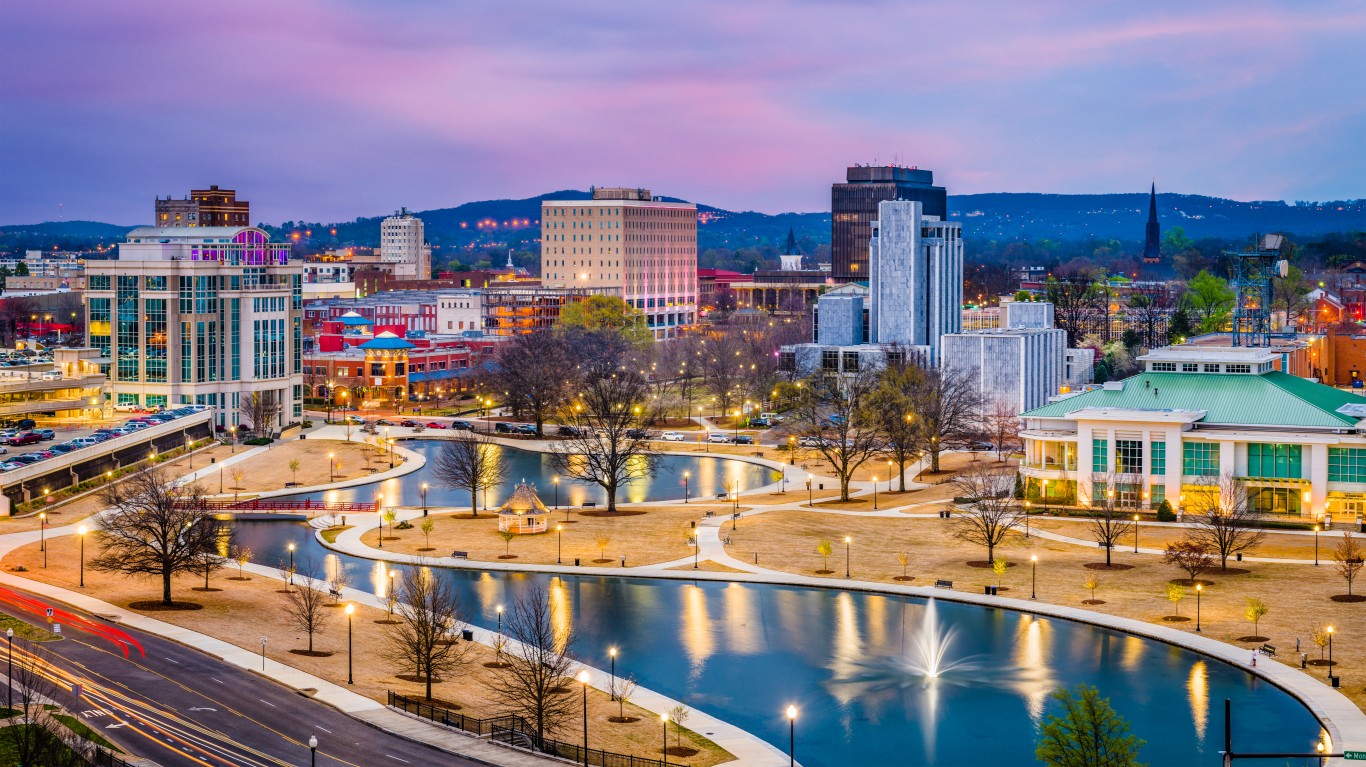
Alabama
> Percent unable to pay energy bill: 21.0% — 16th highest
[in-text-ad]
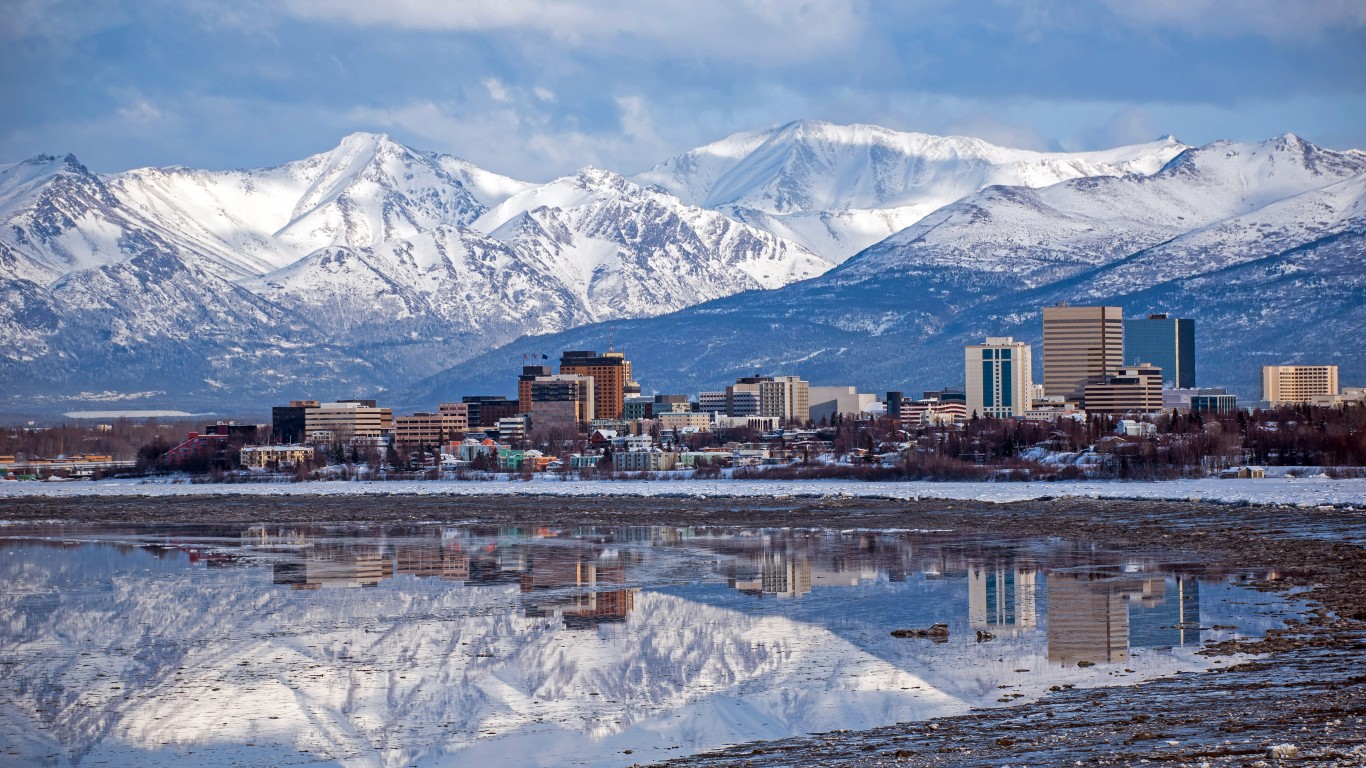
Alaska
> Percent unable to pay energy bill: 24.9% — 3rd highest
[recirclink id=851858]
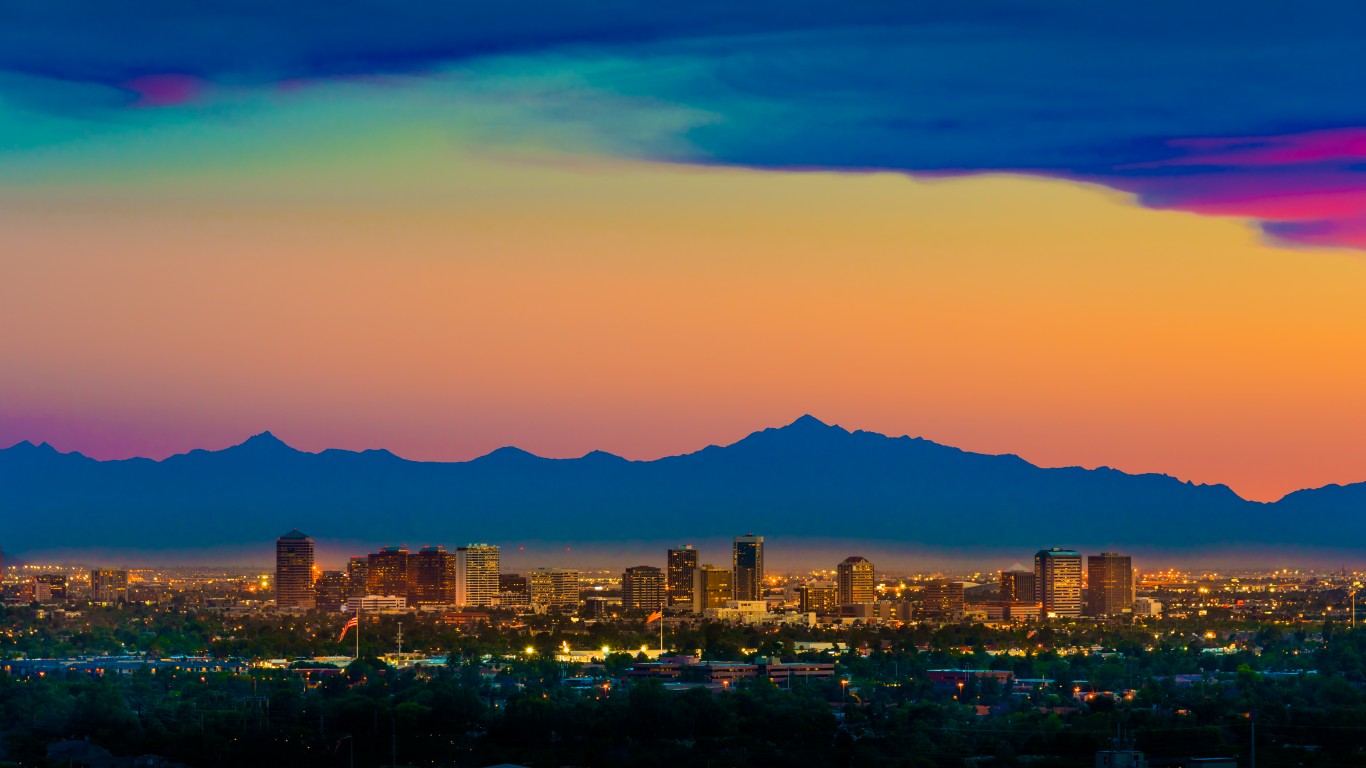
Arizona
> Percent unable to pay energy bill: 17.7% — 23rd lowest
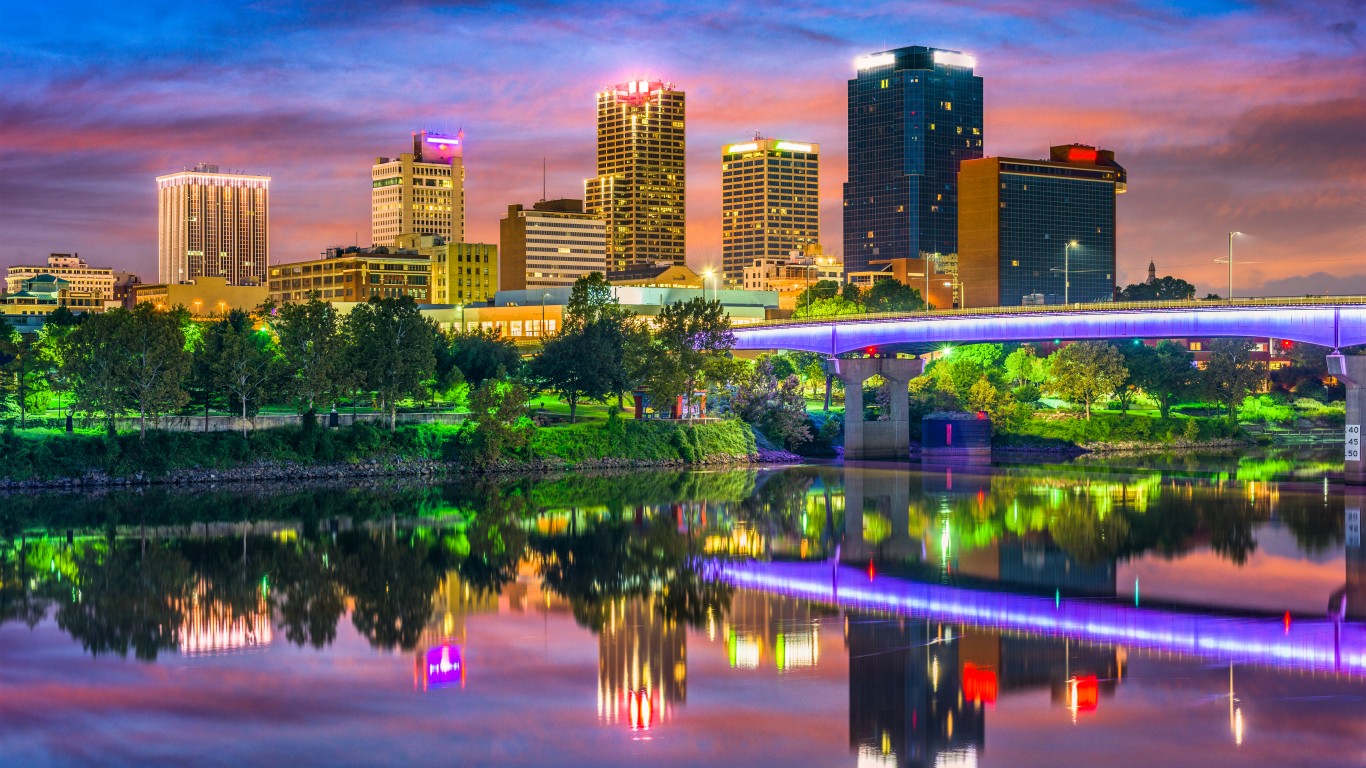
Arkansas
> Percent unable to pay energy bill: 23.9% — 6th highest
[in-text-ad-2]
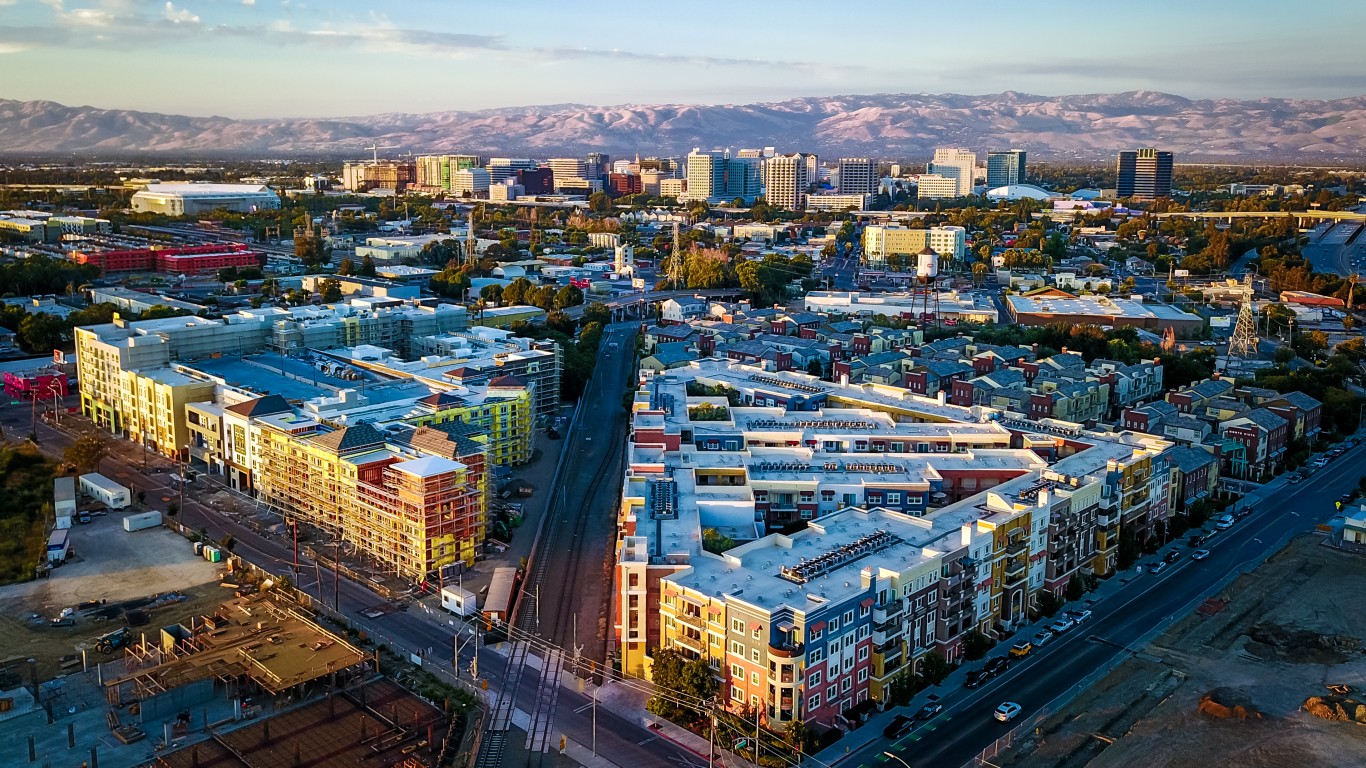
California
> Percent unable to pay energy bill: 20.2% — 19th highest
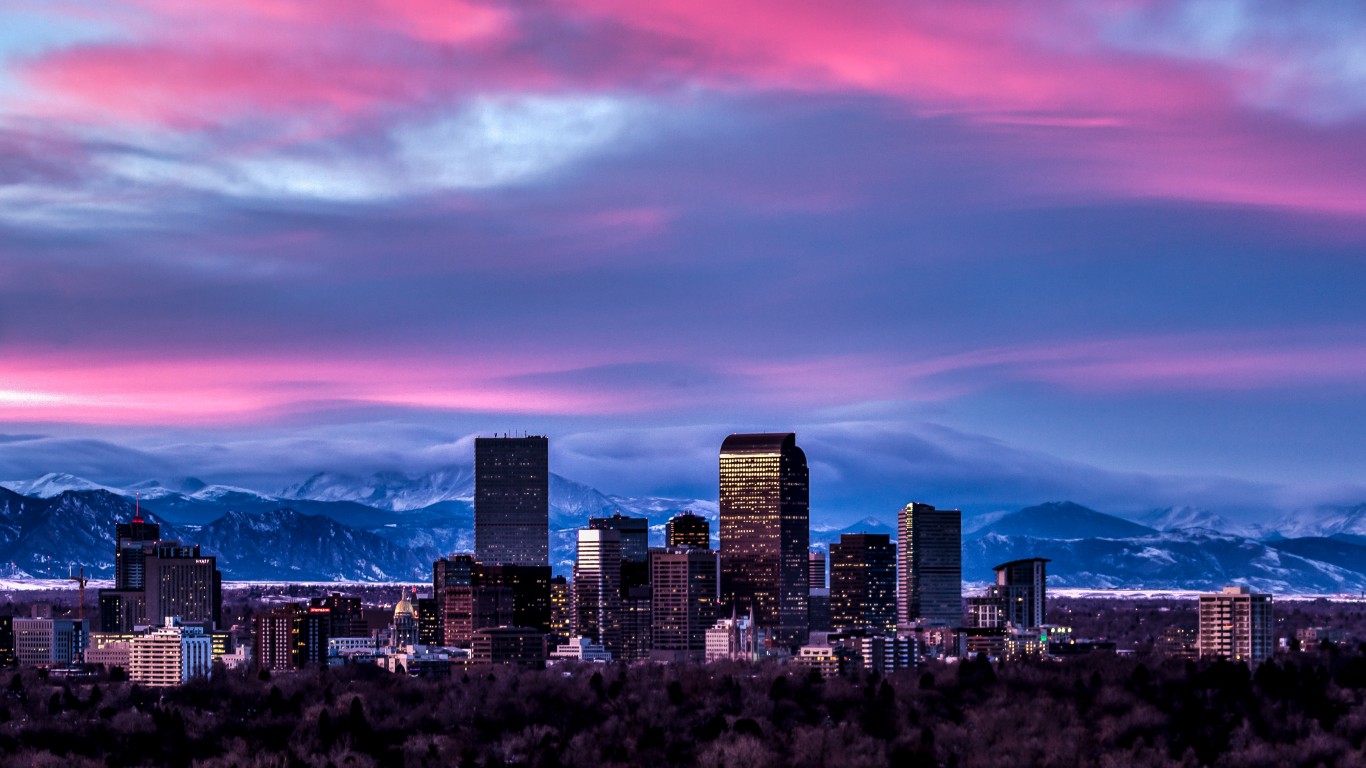
Colorado
> Percent unable to pay energy bill: 14.6% — 7th lowest
[in-text-ad]
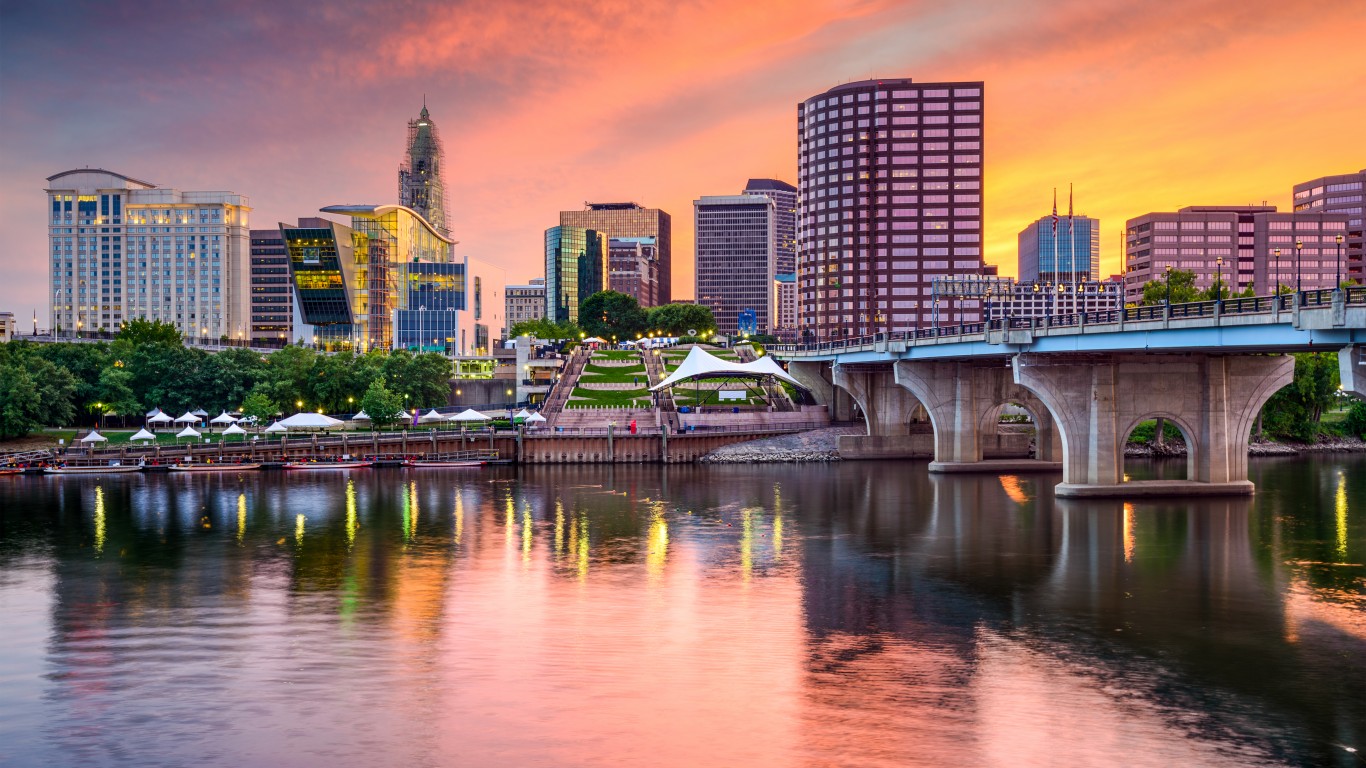
Connecticut
> Percent unable to pay energy bill: 21.4% — 14th highest
[recirclink id=991651]
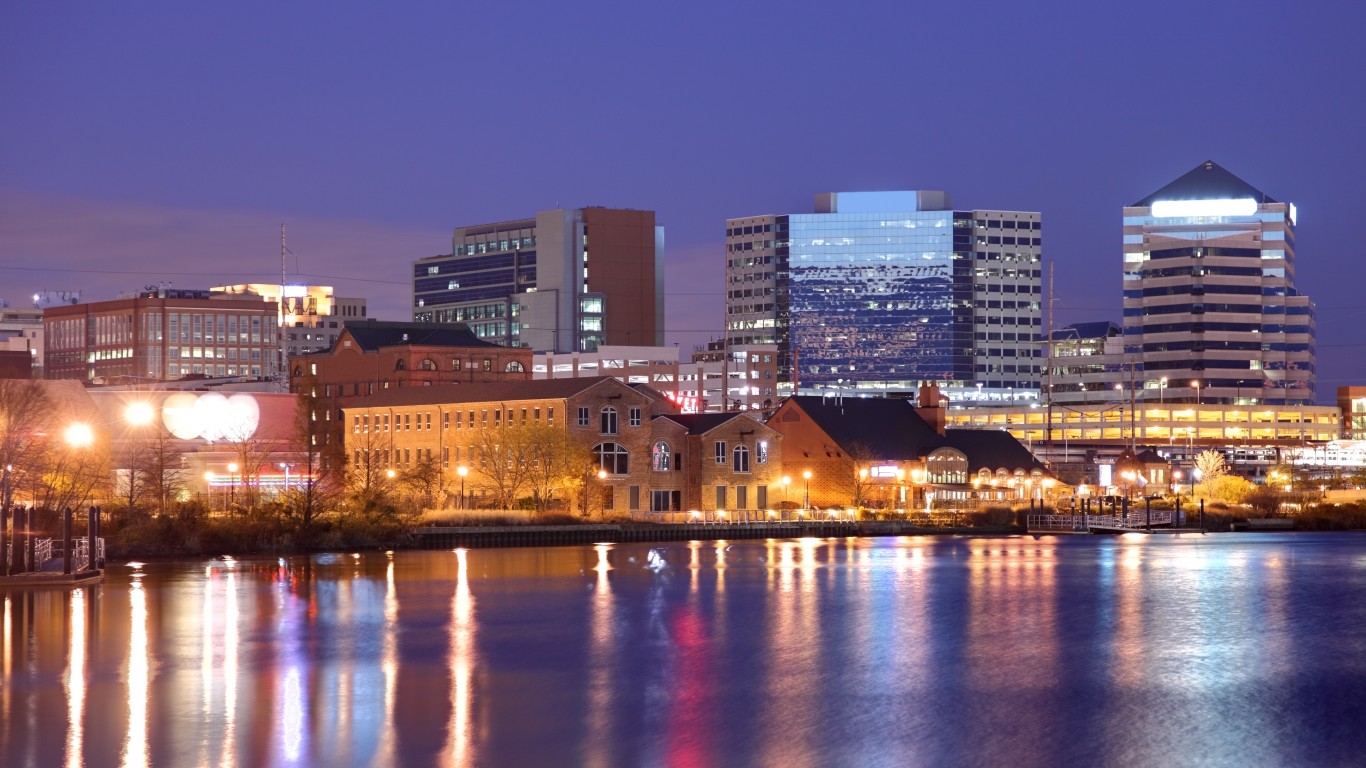
Delaware
> Percent unable to pay energy bill: 20.1% — 20th highest
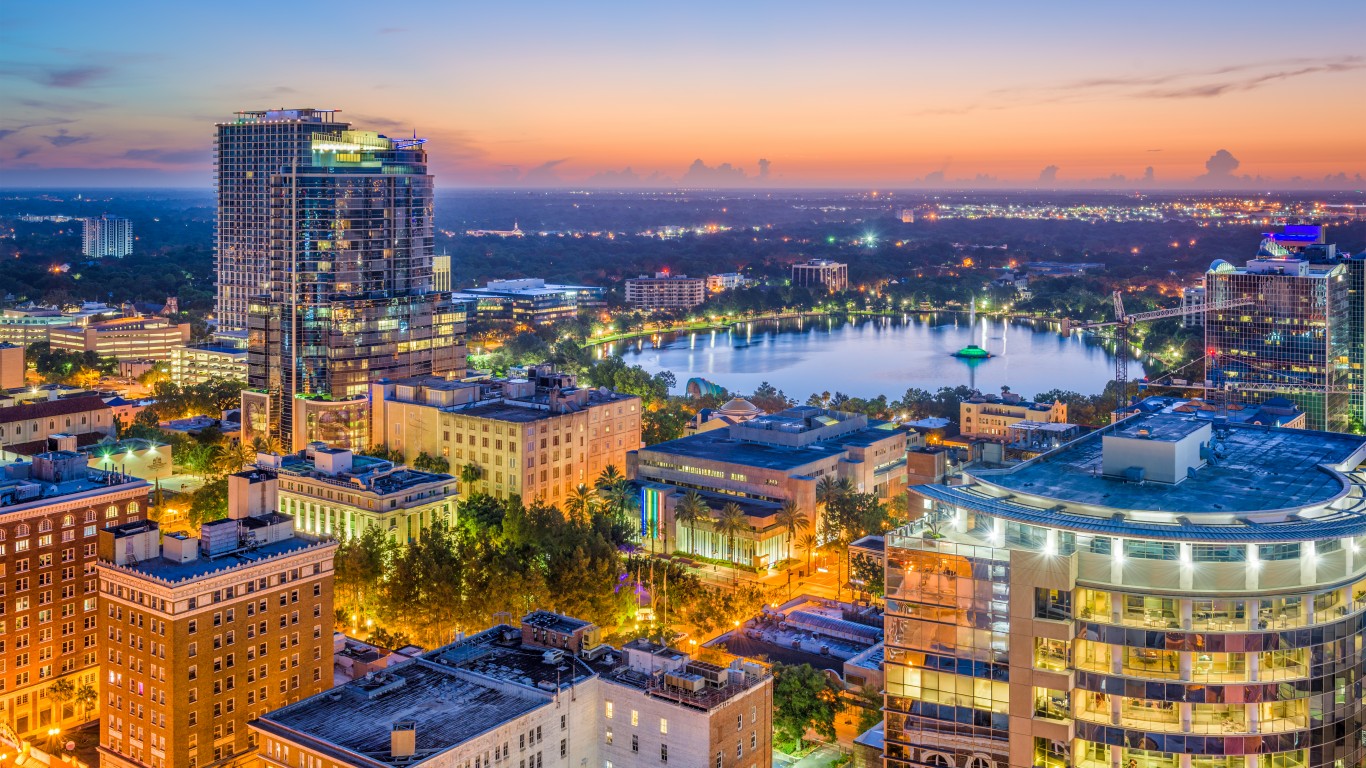
Florida
> Percent unable to pay energy bill: 17.7% — 23rd lowest
[in-text-ad-2]
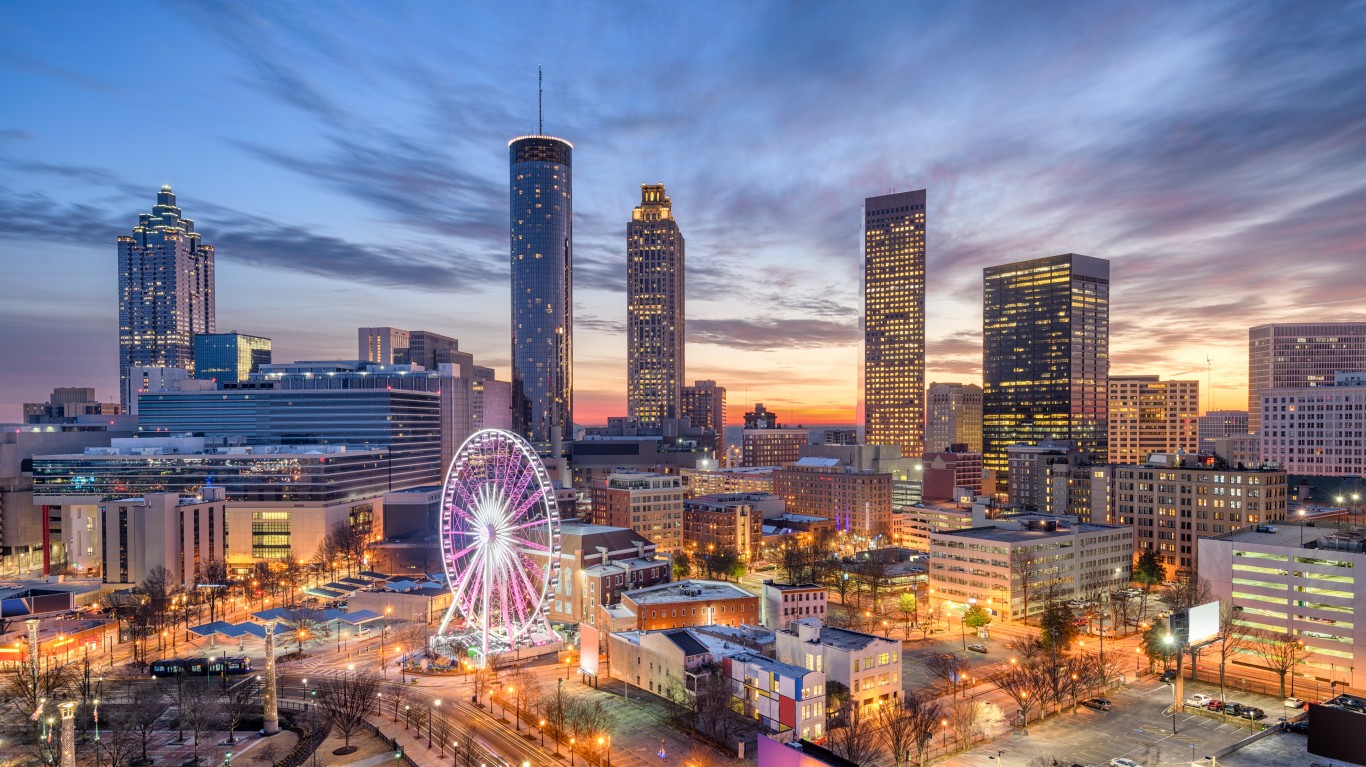
Georgia
> Percent unable to pay energy bill: 25.6% — 2nd highest
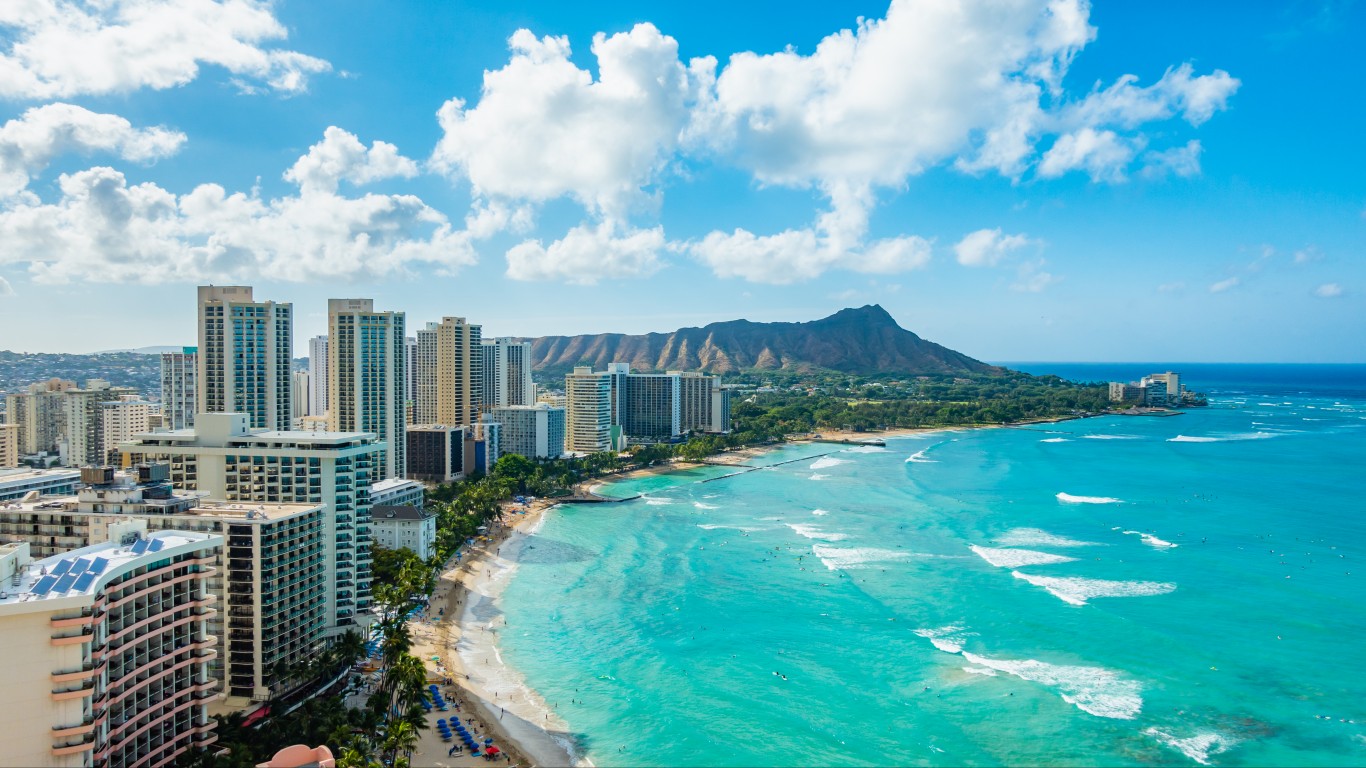
Hawaii
> Percent unable to pay energy bill: 16.7% — 18th lowest
[in-text-ad]
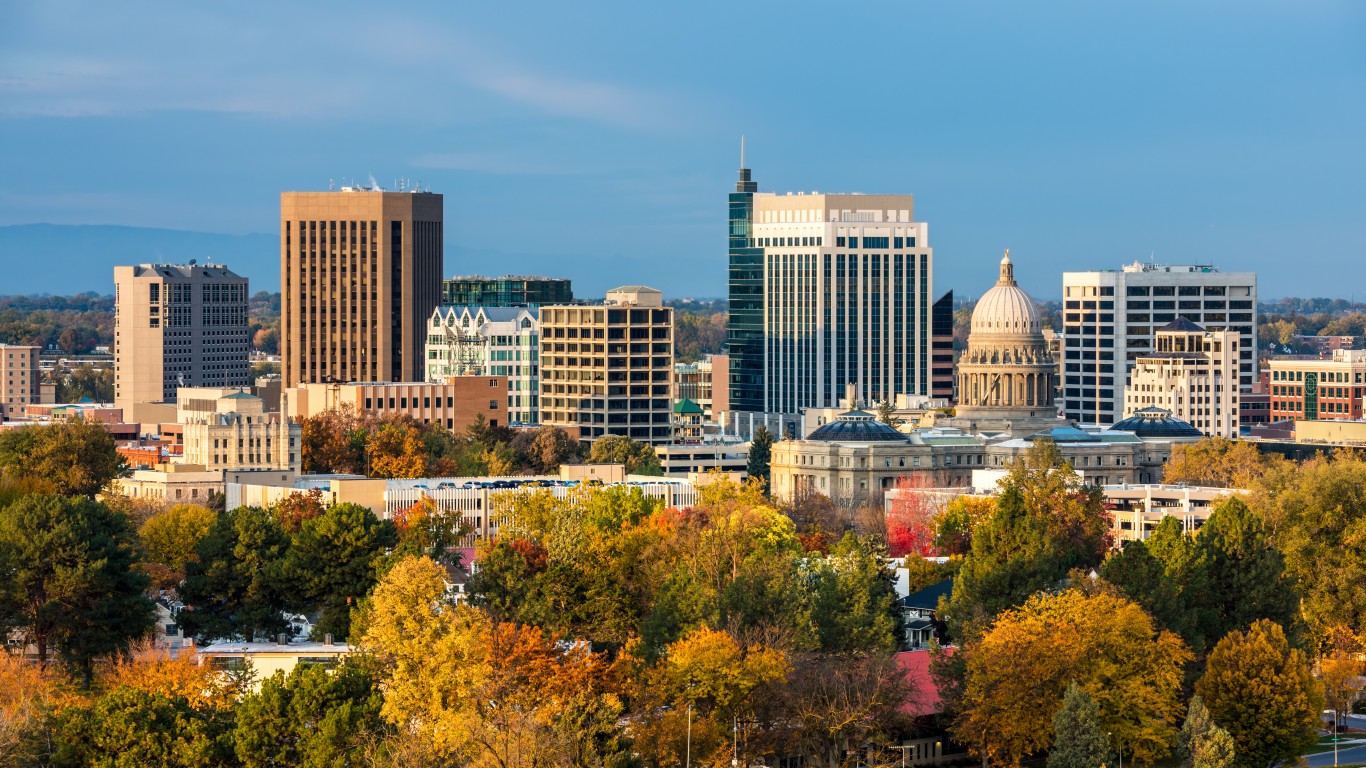
Idaho
> Percent unable to pay energy bill: 15.4% — 12th lowest
[recirclink id=854576]
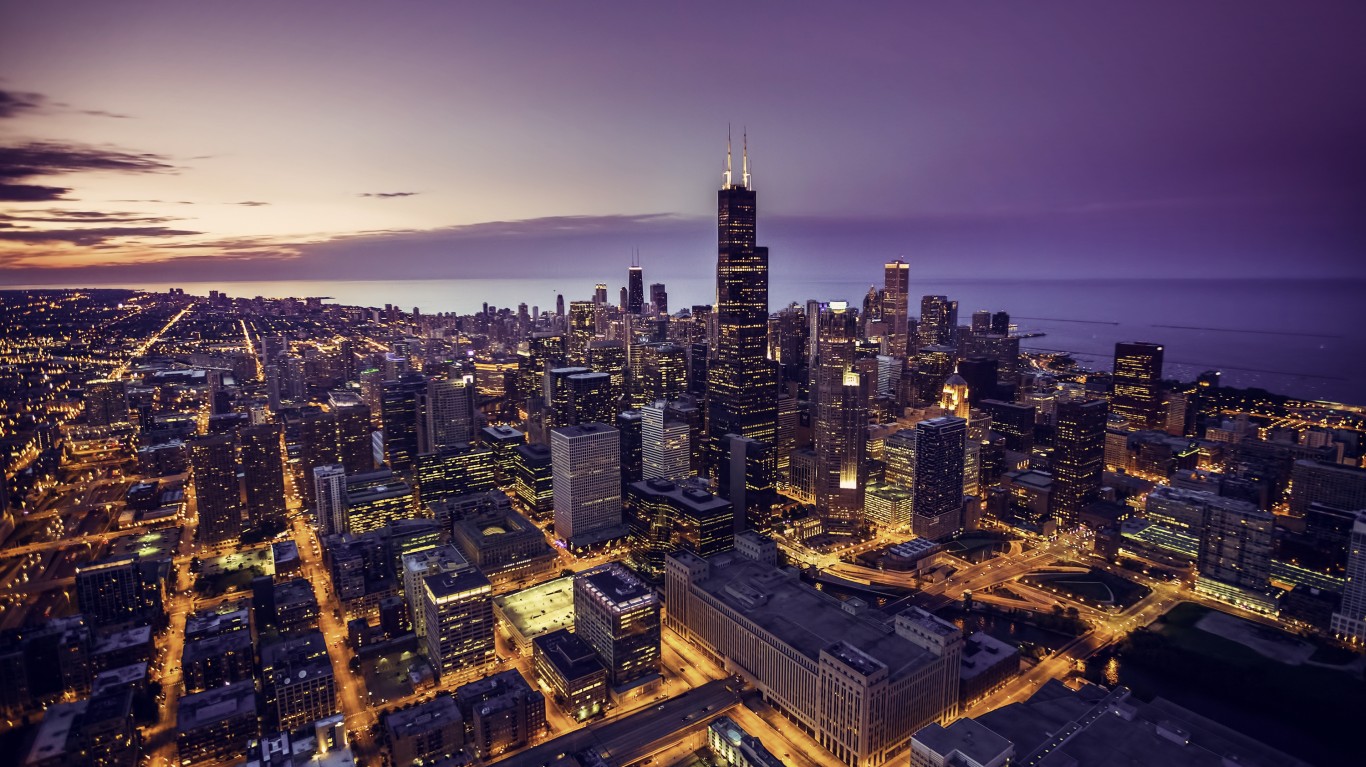
Illinois
> Percent unable to pay energy bill: 17.0% — 20th lowest
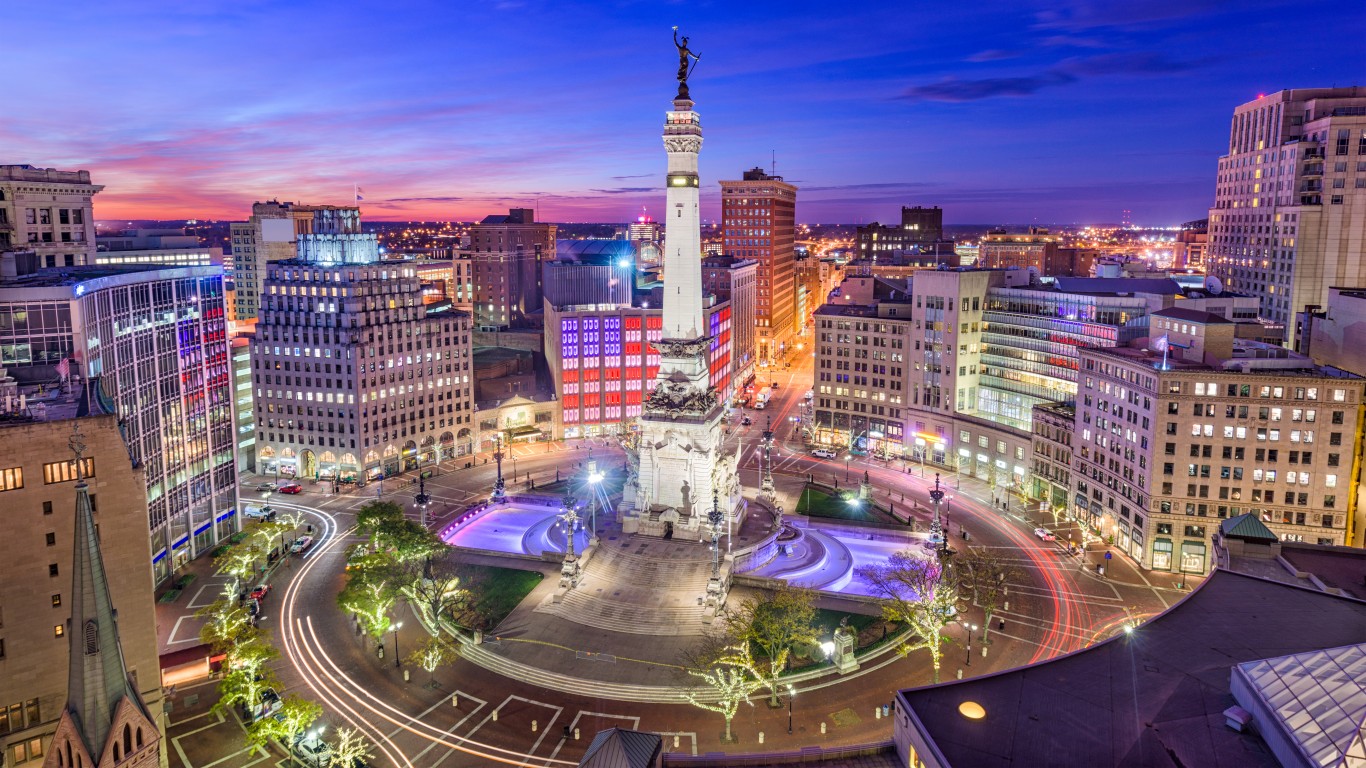
Indiana
> Percent unable to pay energy bill: 15.5% — 13th lowest
[in-text-ad-2]

Iowa
> Percent unable to pay energy bill: 14.9% — 9th lowest

Kansas
> Percent unable to pay energy bill: 15.6% — 14th lowest
[in-text-ad]
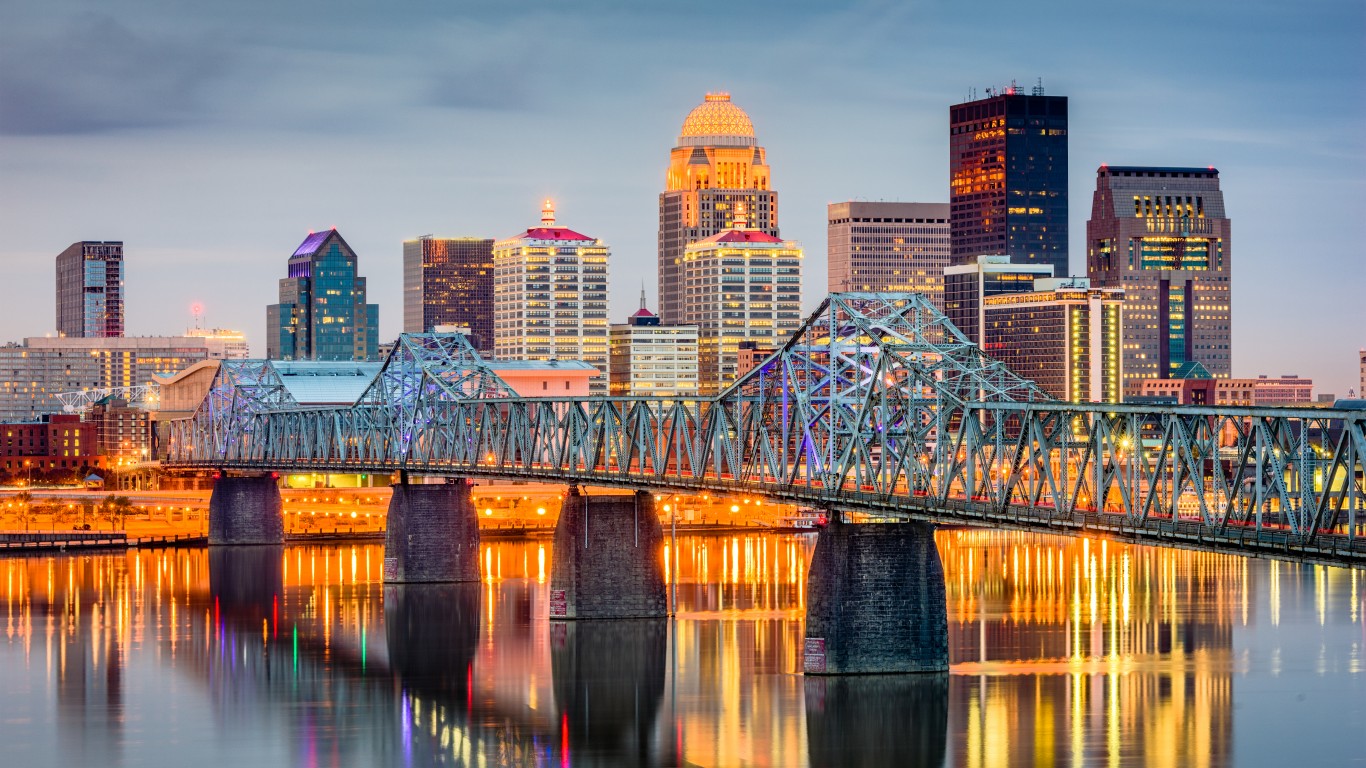
Kentucky
> Percent unable to pay energy bill: 23.7% — 7th highest
[recirclink id=988835]

Louisiana
> Percent unable to pay energy bill: 18.6% — 25th lowest
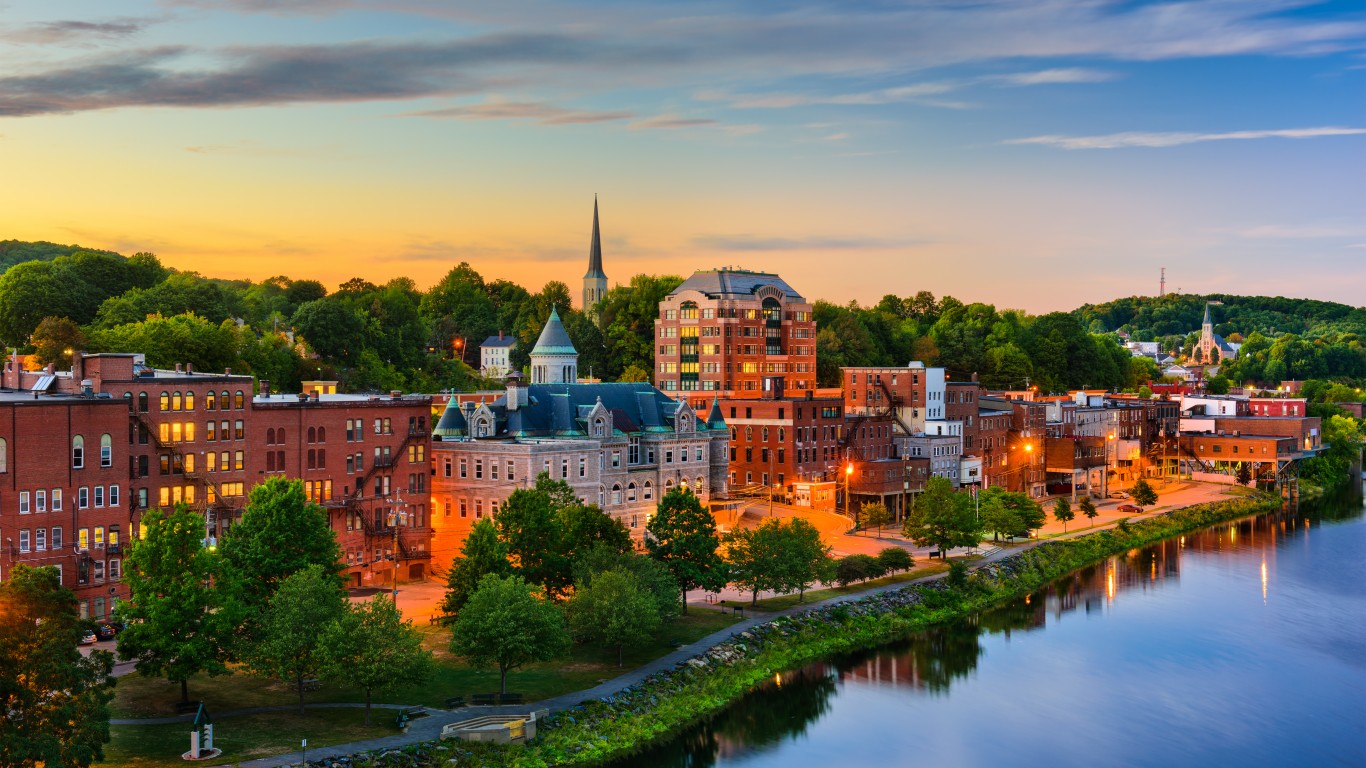
Maine
> Percent unable to pay energy bill: 16.3% — 16th lowest
[in-text-ad-2]
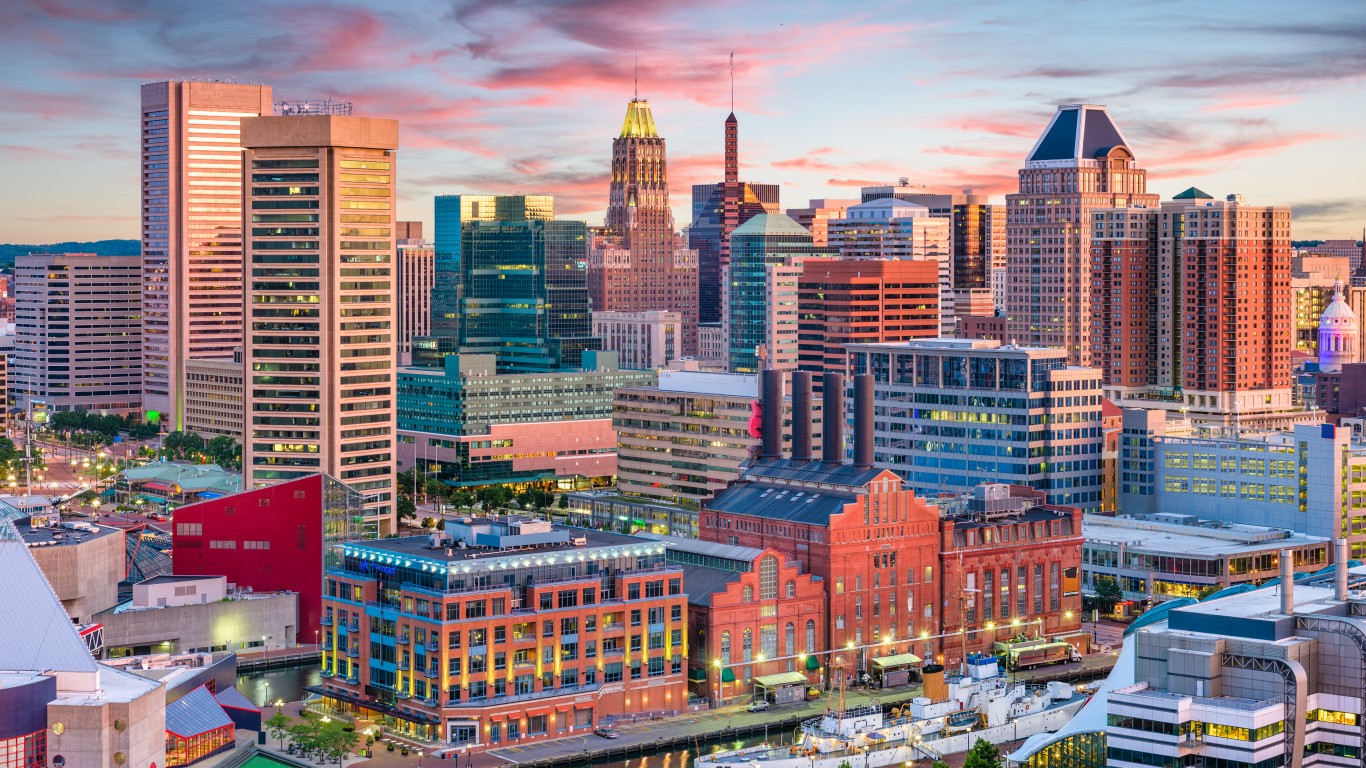
Maryland
> Percent unable to pay energy bill: 20.4% — 18th highest
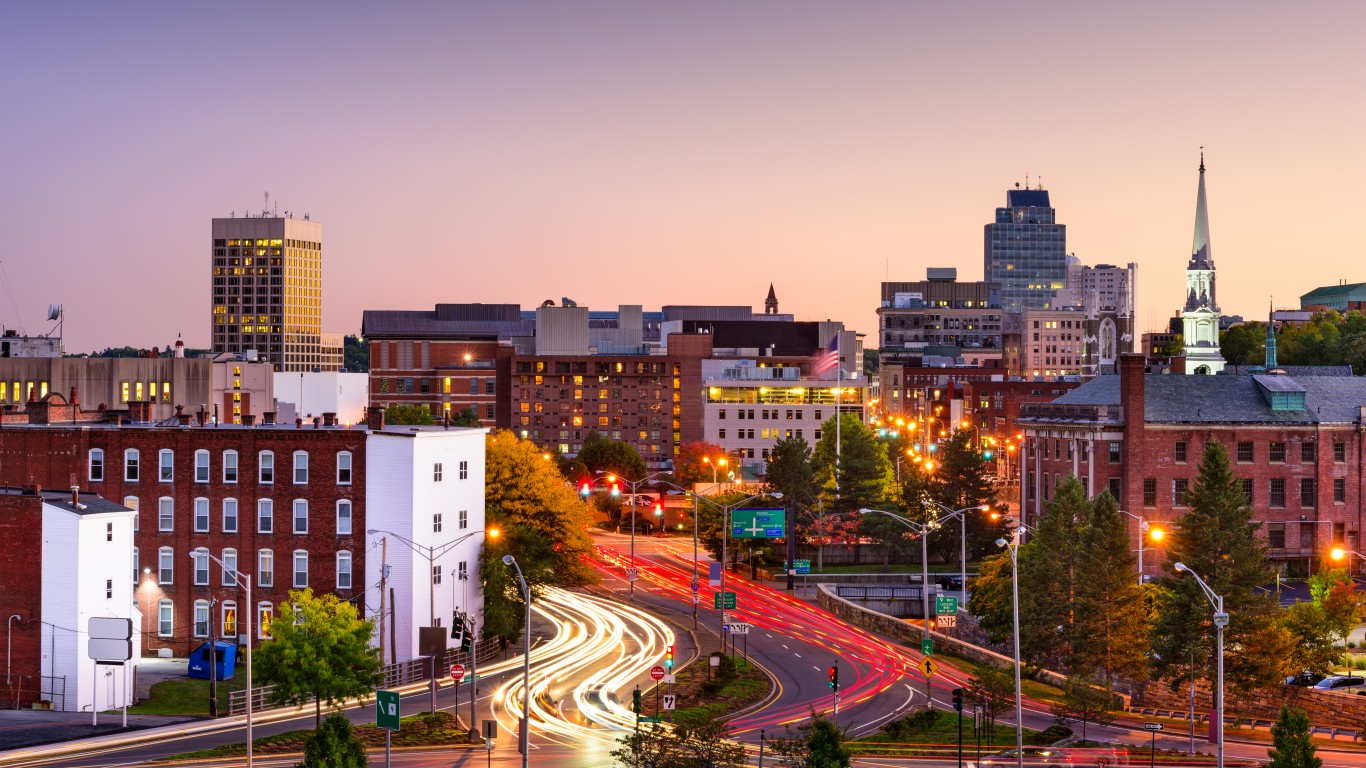
Massachusetts
> Percent unable to pay energy bill: 19.9% — 22nd highest
[in-text-ad]
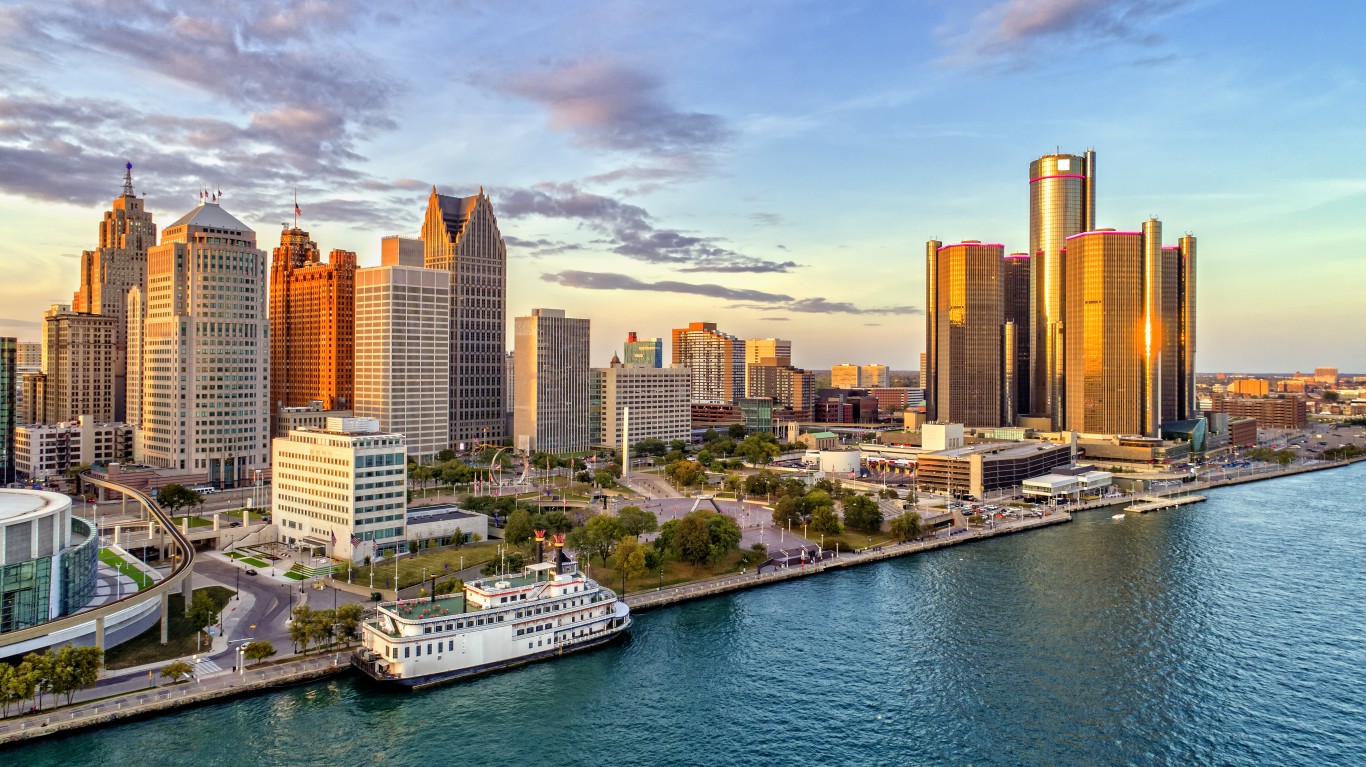
Michigan
> Percent unable to pay energy bill: 21.3% — 15th highest
[recirclink id=851858]
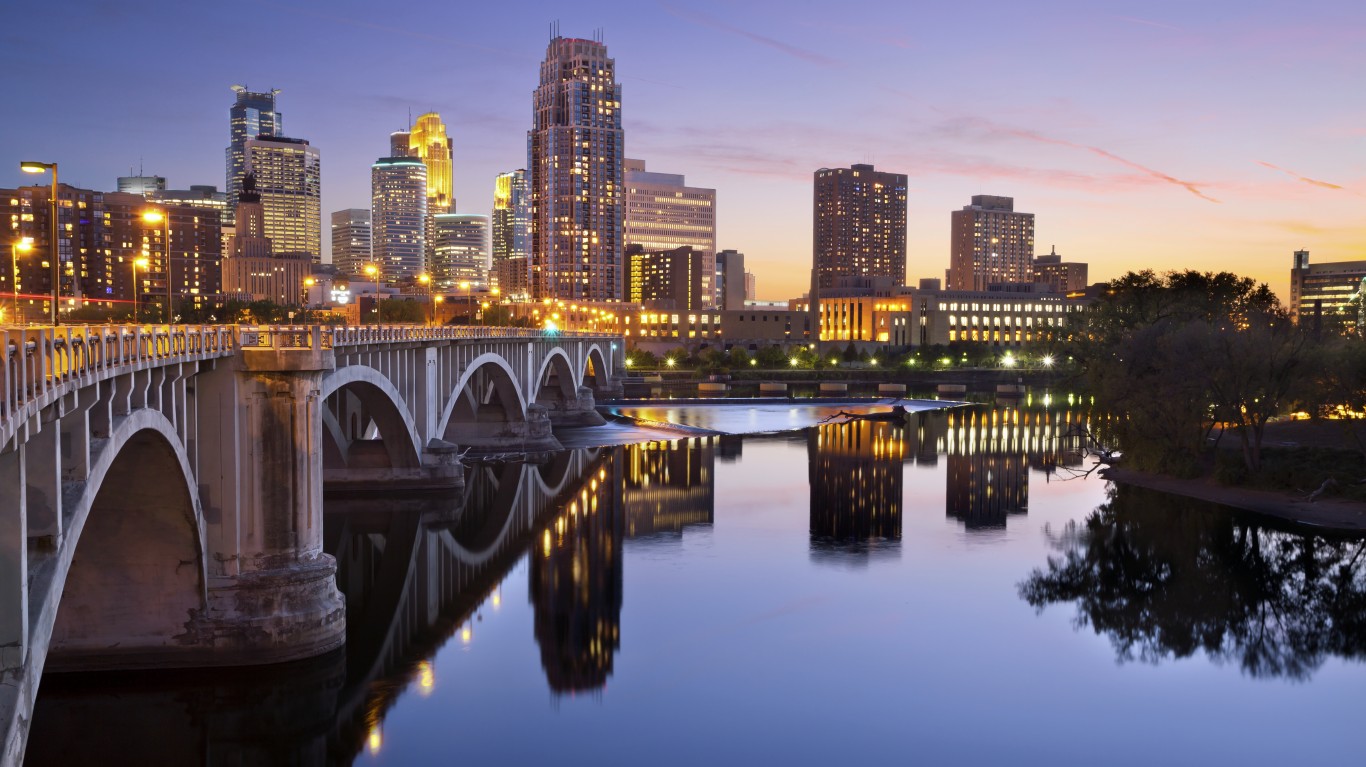
Minnesota
> Percent unable to pay energy bill: 11.3% — the lowest
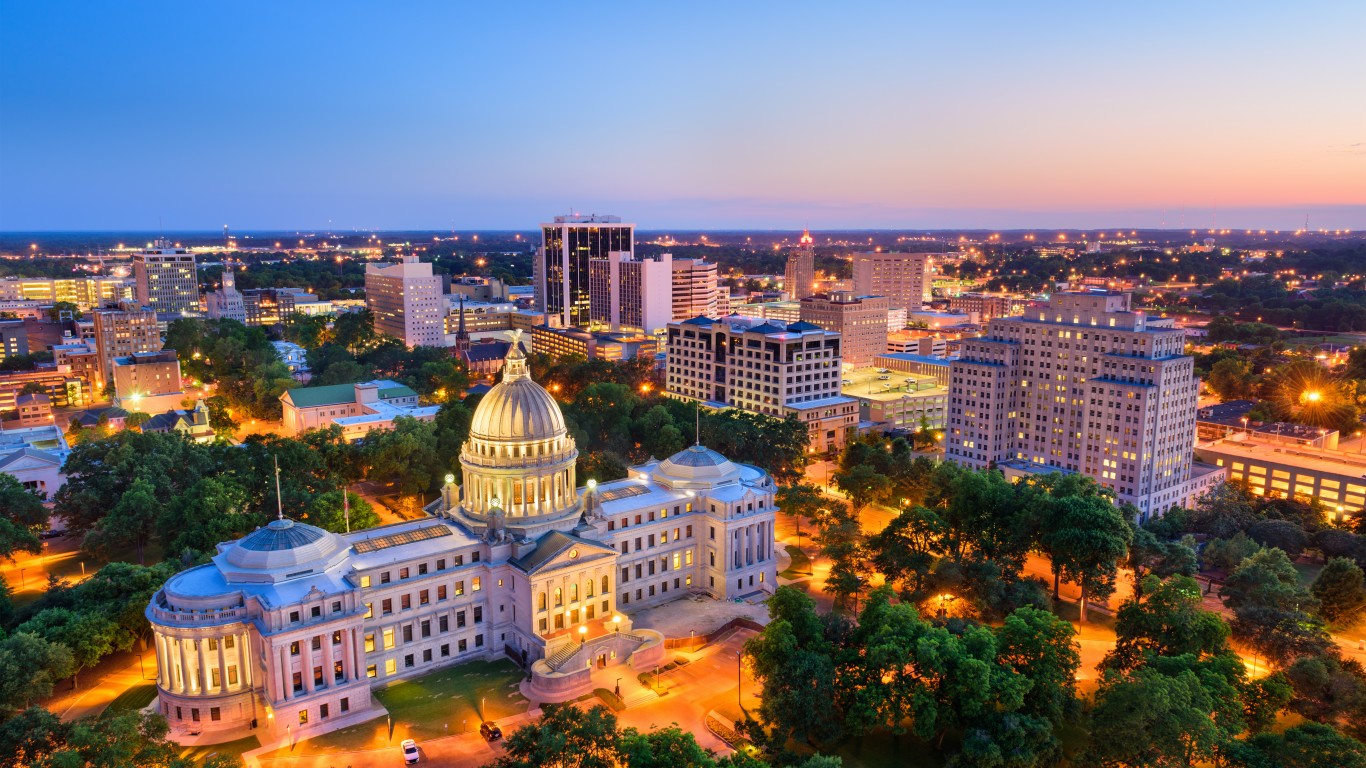
Mississippi
> Percent unable to pay energy bill: 19.4% — 24th highest
[in-text-ad-2]
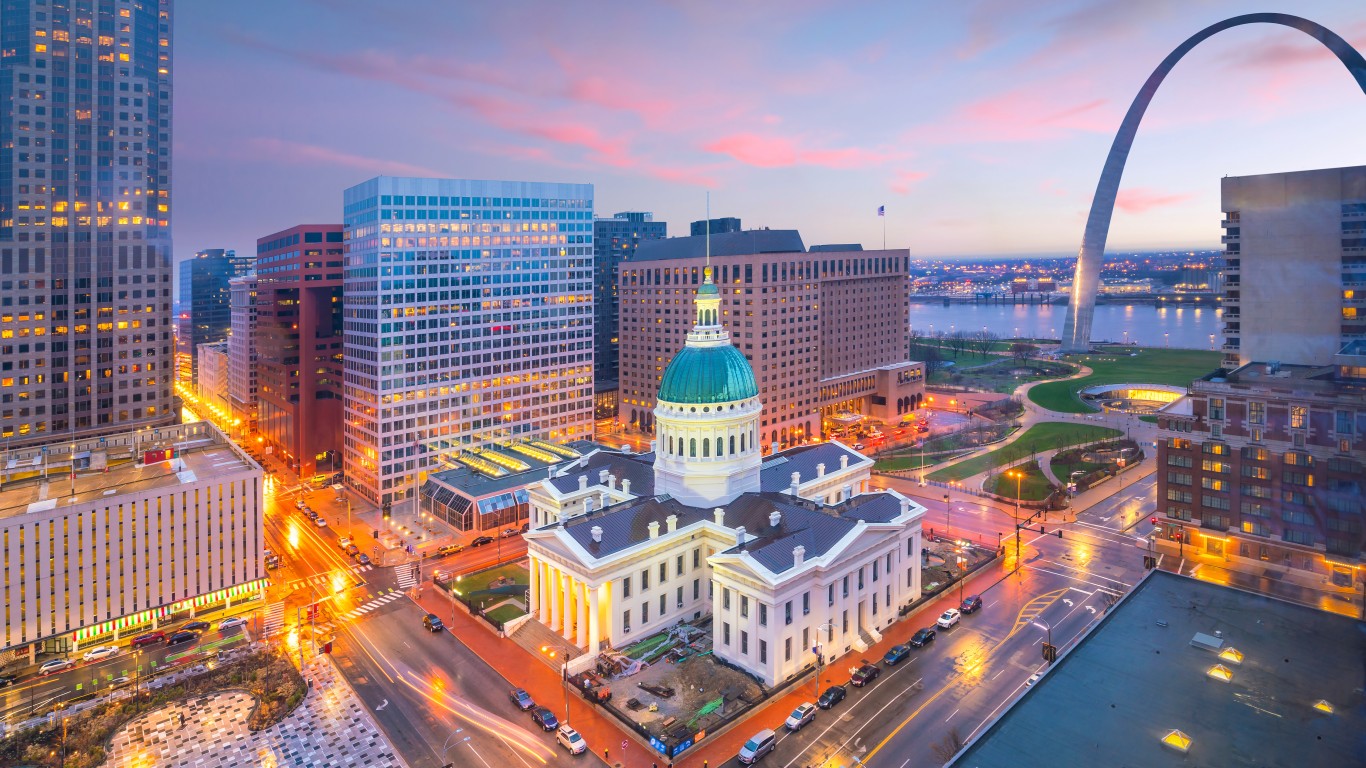
Missouri
> Percent unable to pay energy bill: 20.6% — 17th highest
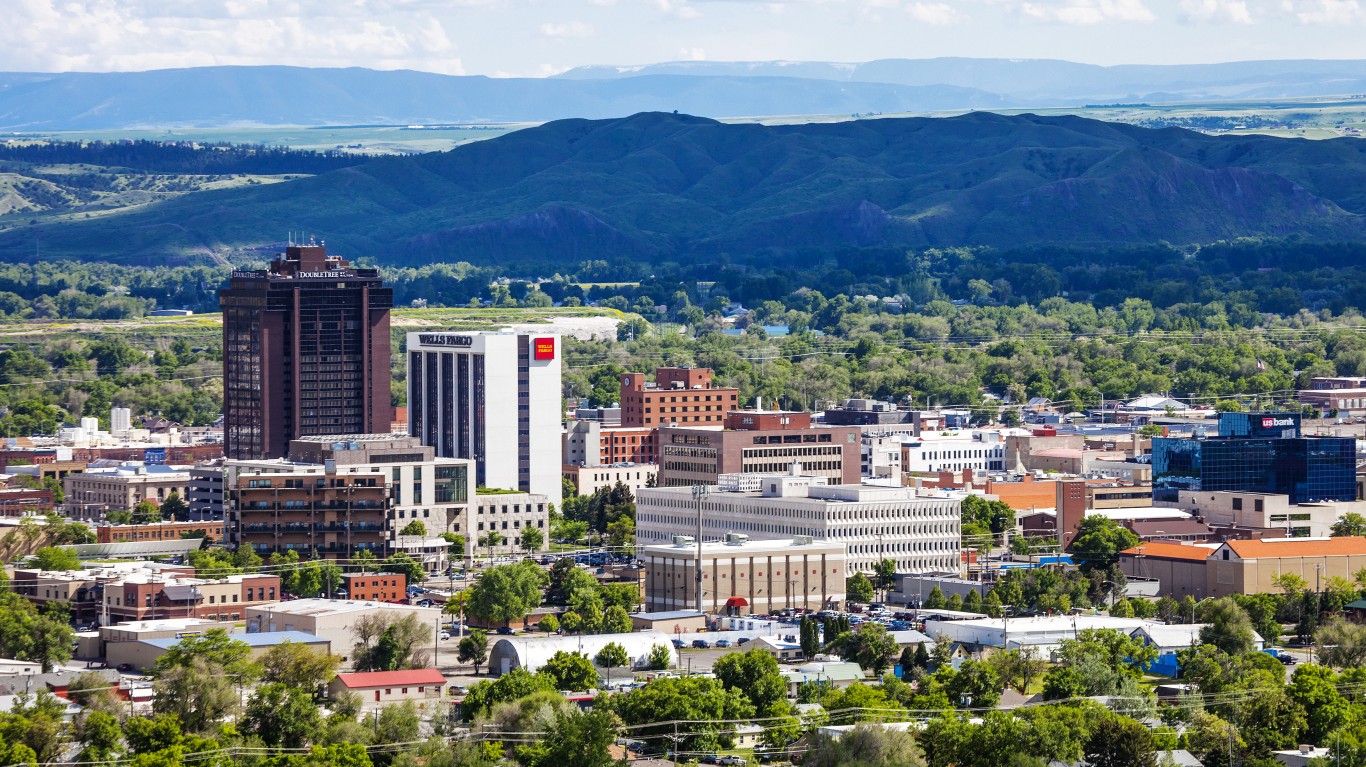
Montana
> Percent unable to pay energy bill: 14.6% — 7th lowest
[in-text-ad]
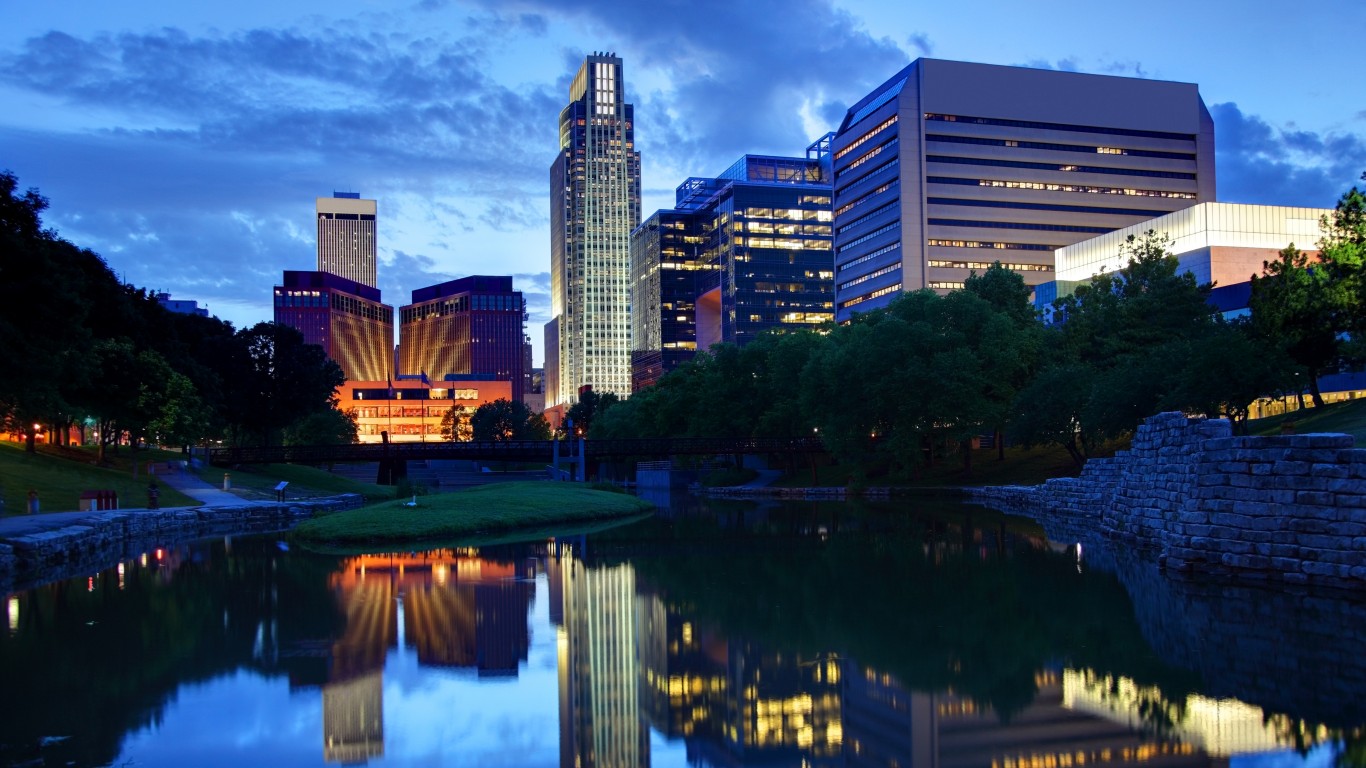
Nebraska
> Percent unable to pay energy bill: 15.1% — 10th lowest
[recirclink id=991651]
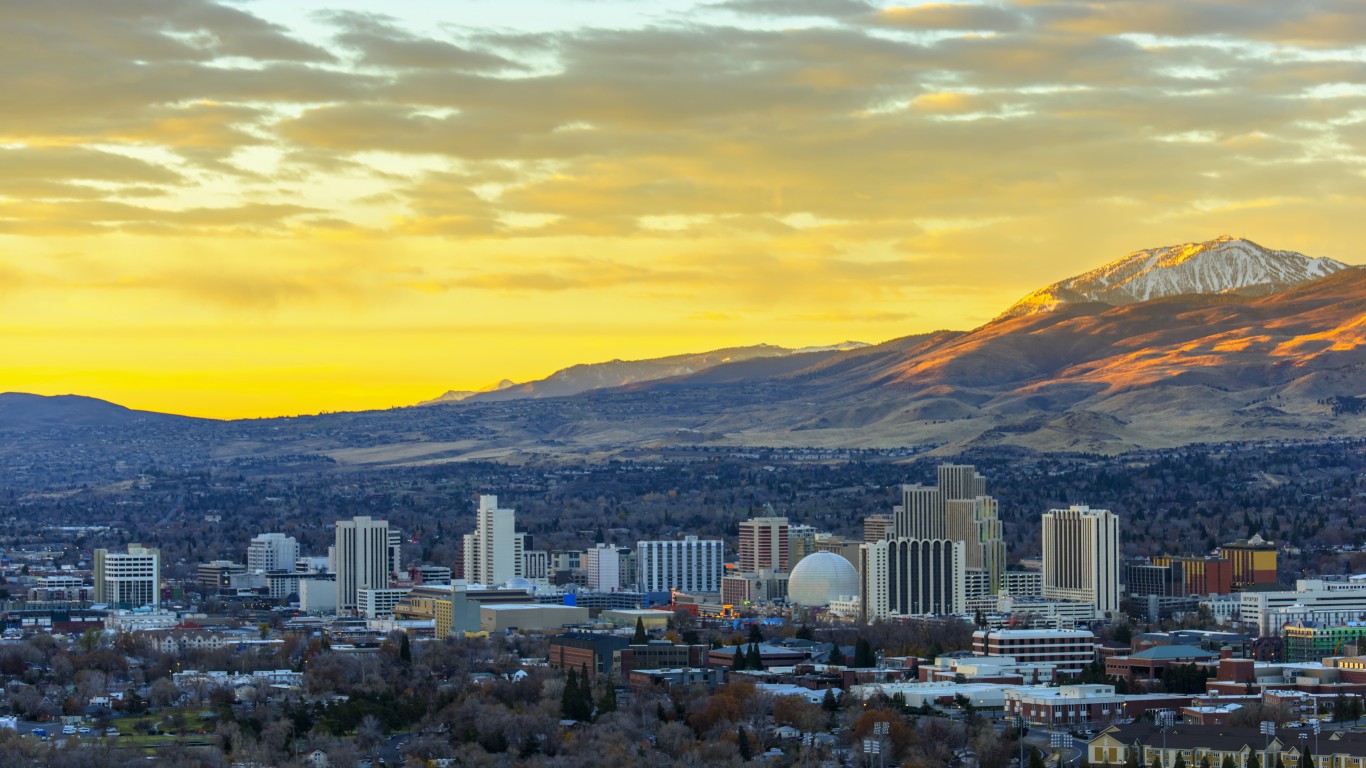
Nevada
> Percent unable to pay energy bill: 18.8% — 25th highest
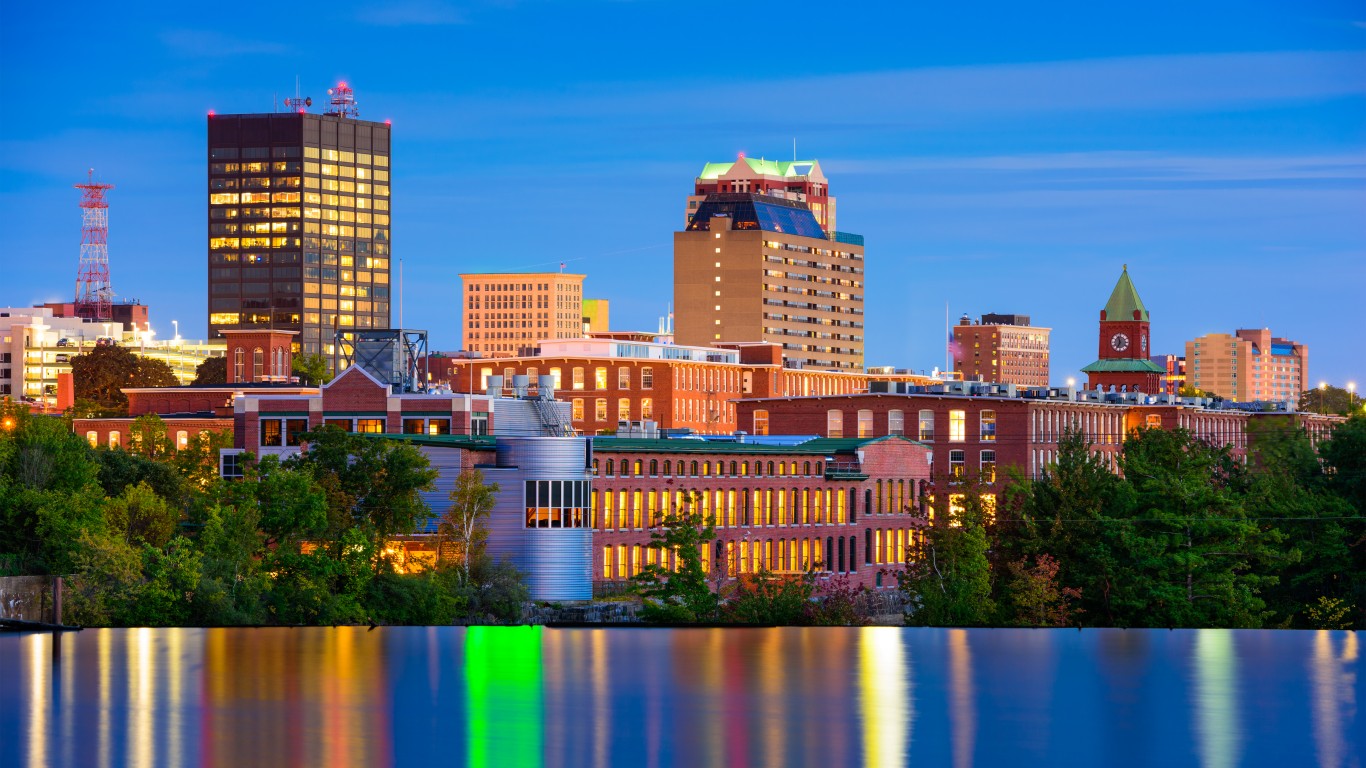
New Hampshire
> Percent unable to pay energy bill: 13.6% — 2nd lowest
[in-text-ad-2]
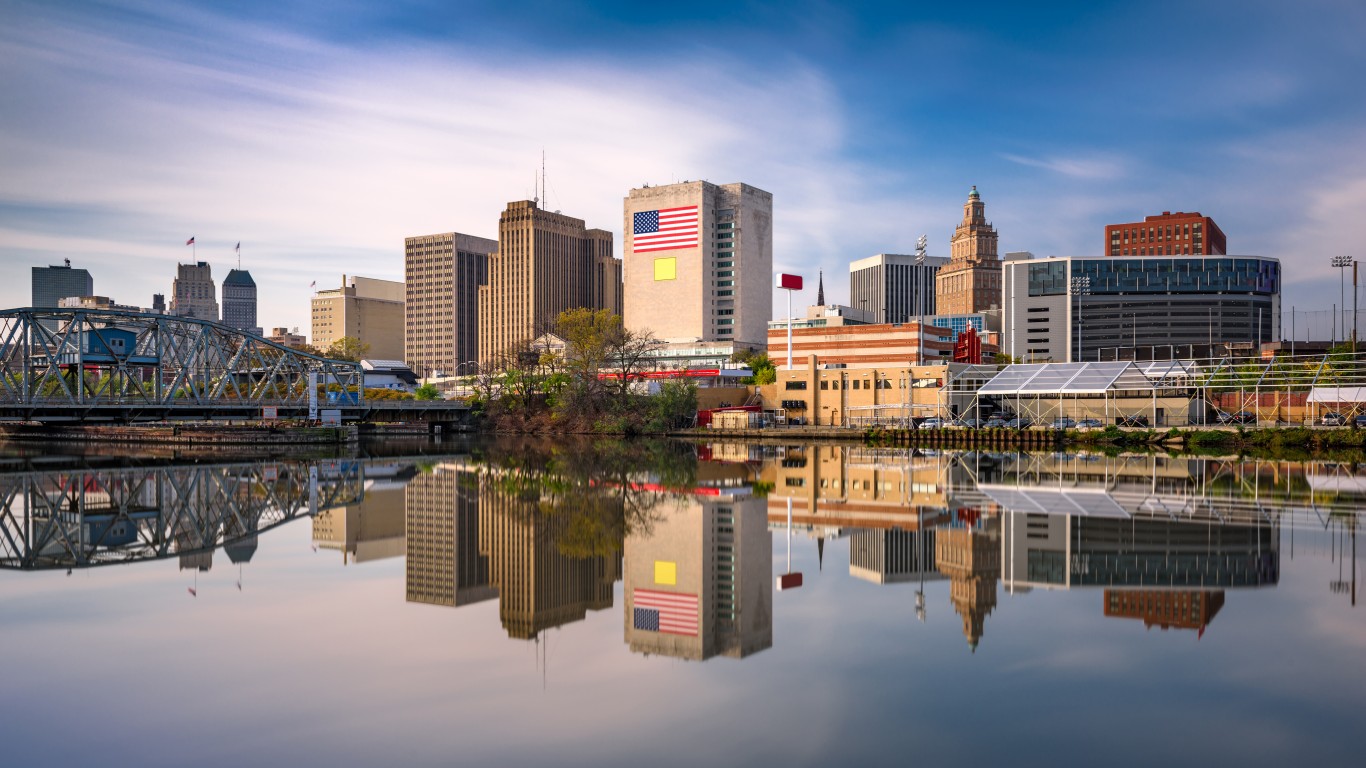
New Jersey
> Percent unable to pay energy bill: 20.0% — 21st highest
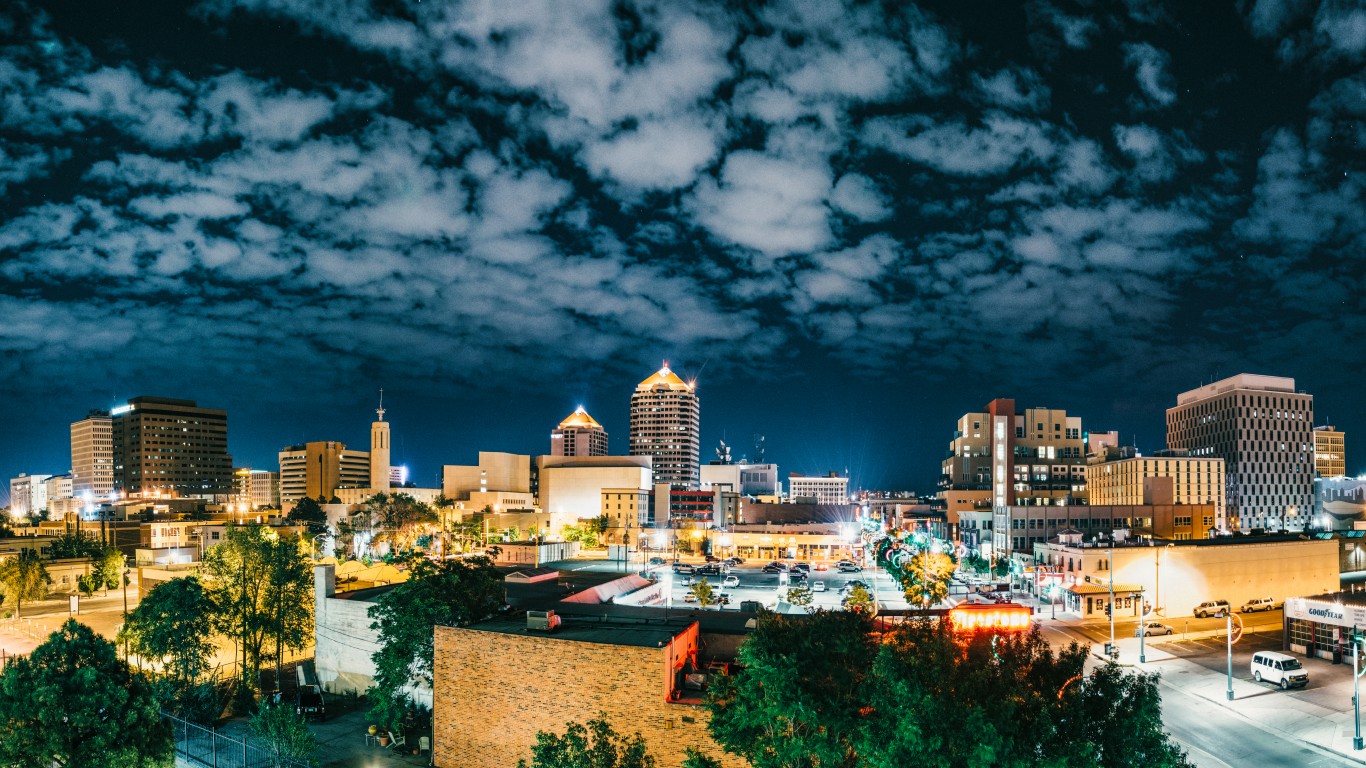
New Mexico
> Percent unable to pay energy bill: 24.3% — 5th highest
[in-text-ad]
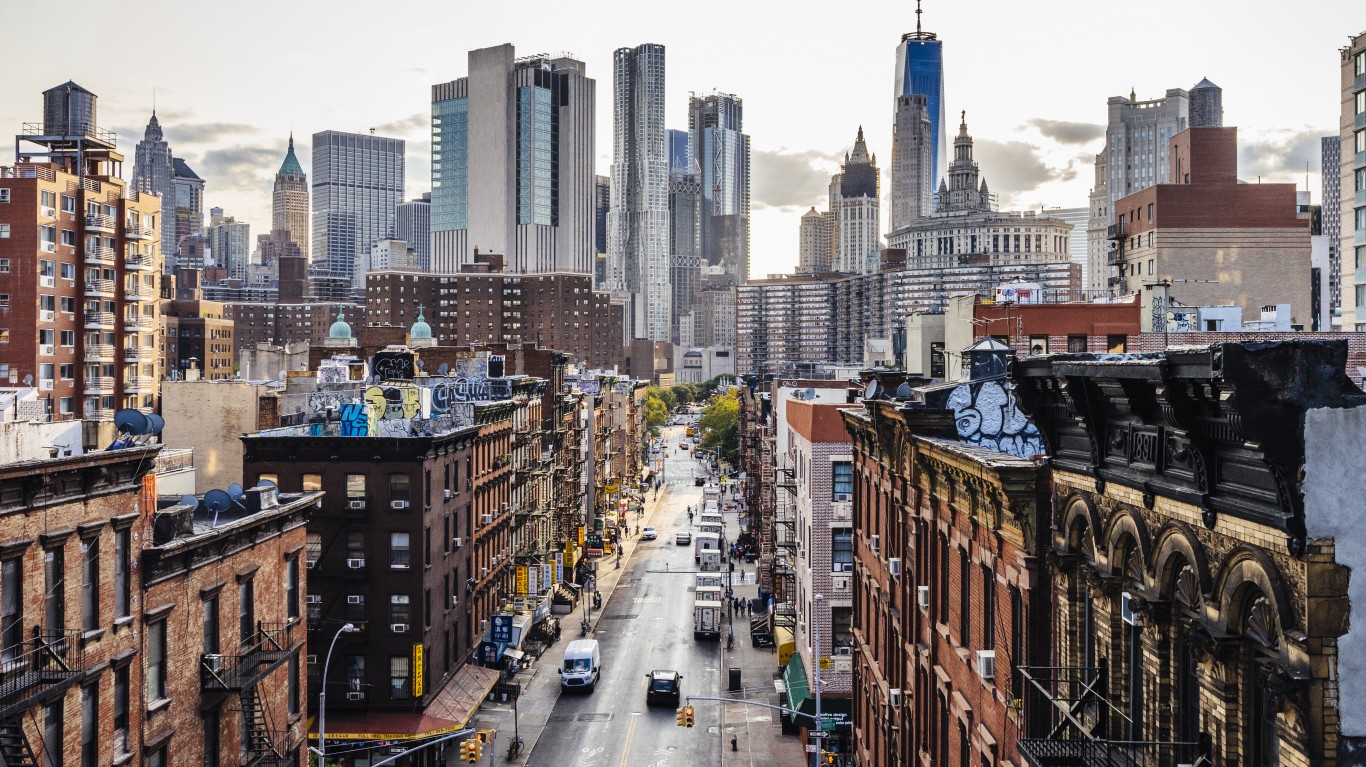
New York
> Percent unable to pay energy bill: 21.9% — 12th highest
[recirclink id=854576]
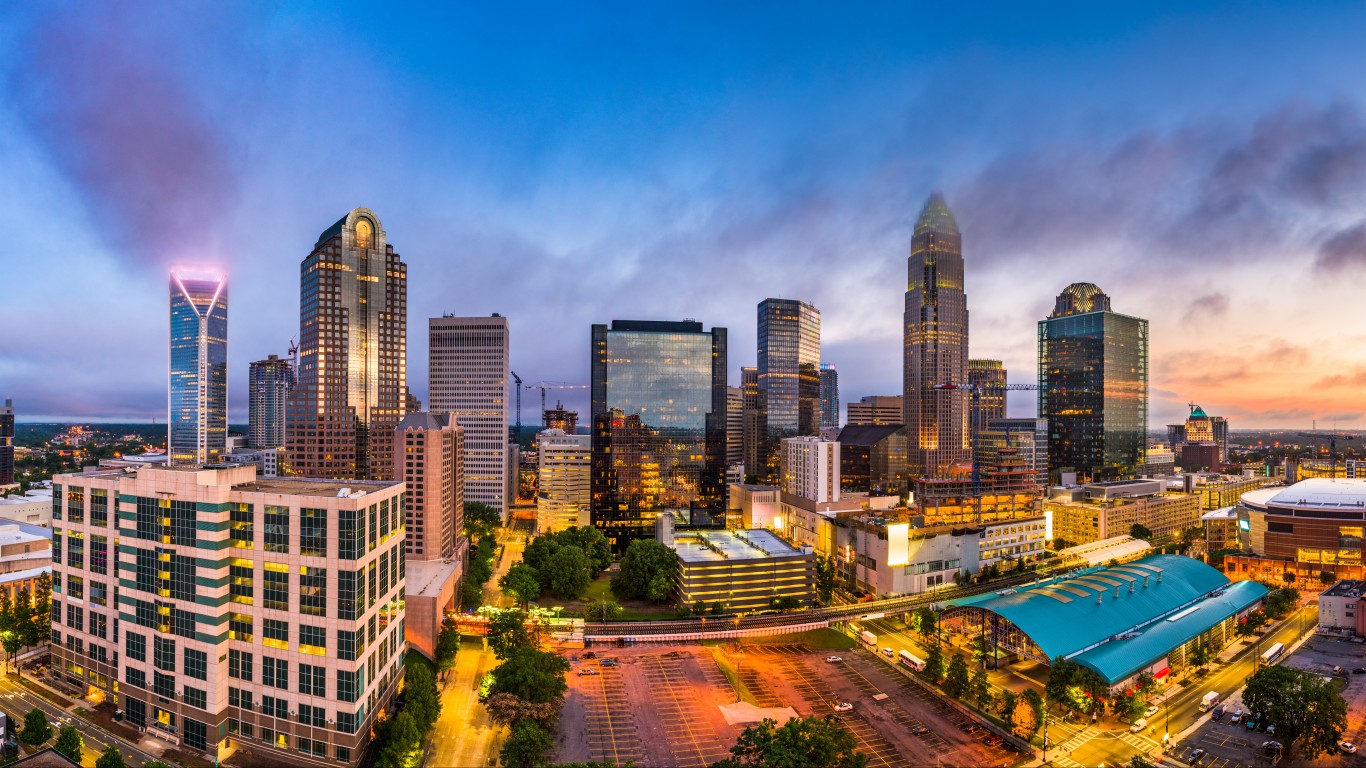
North Carolina
> Percent unable to pay energy bill: 22.1% — 11th highest
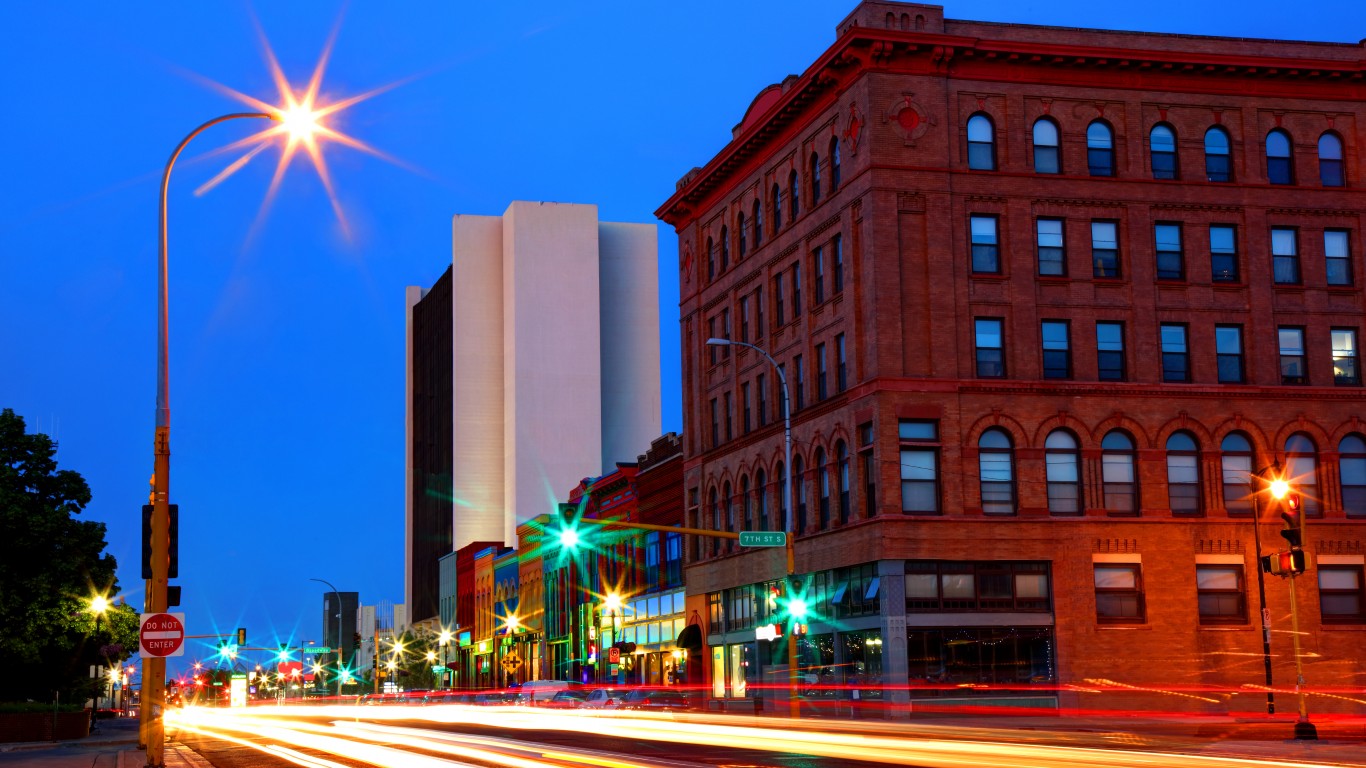
North Dakota
> Percent unable to pay energy bill: 15.3% — 11th lowest
[in-text-ad-2]
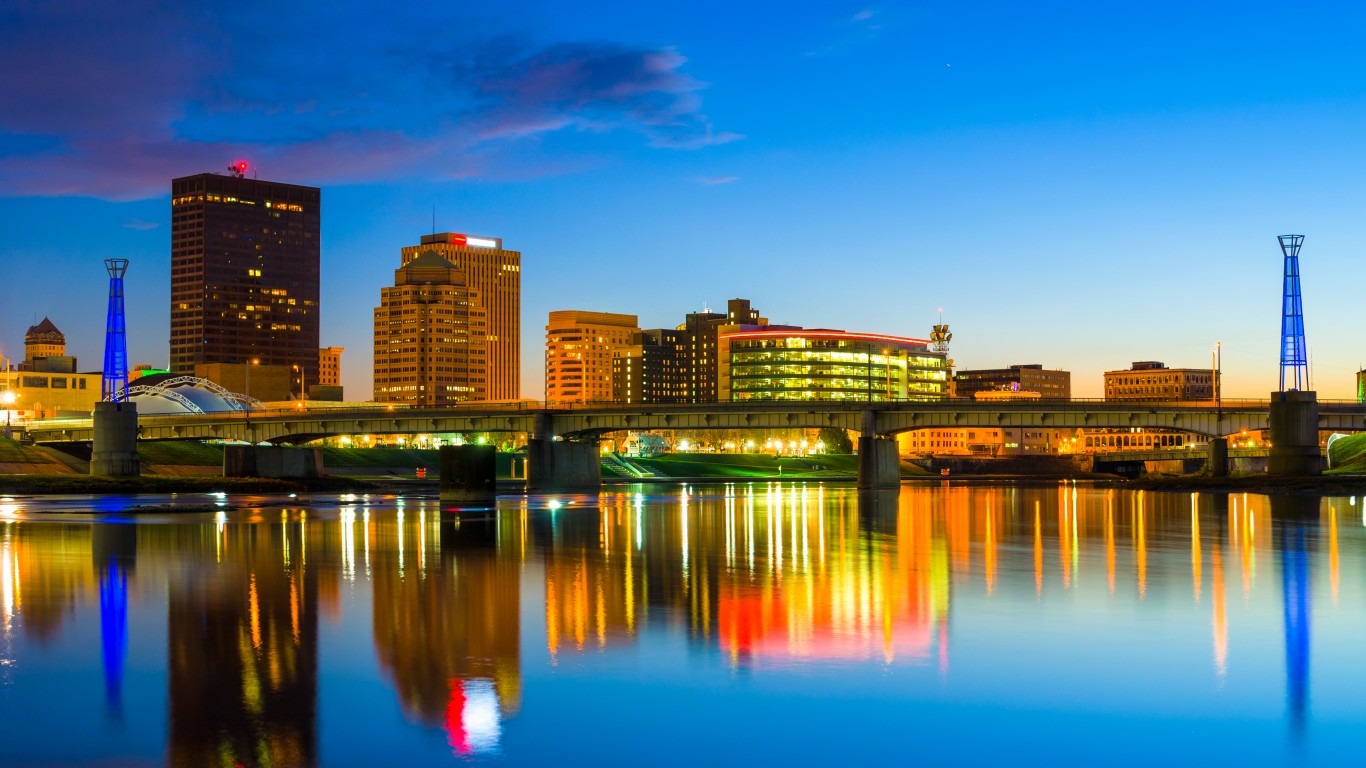
Ohio
> Percent unable to pay energy bill: 17.2% — 21st lowest
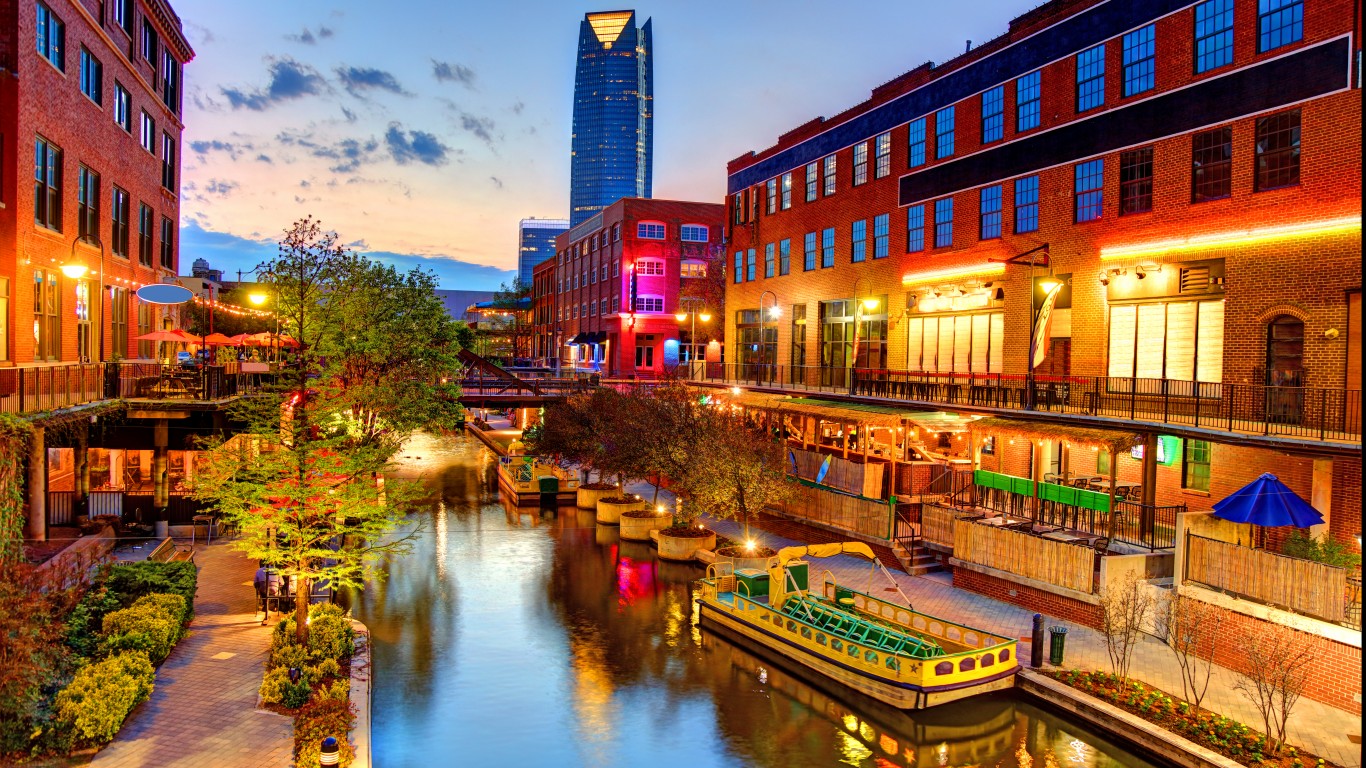
Oklahoma
> Percent unable to pay energy bill: 23.1% — 9th highest
[in-text-ad]
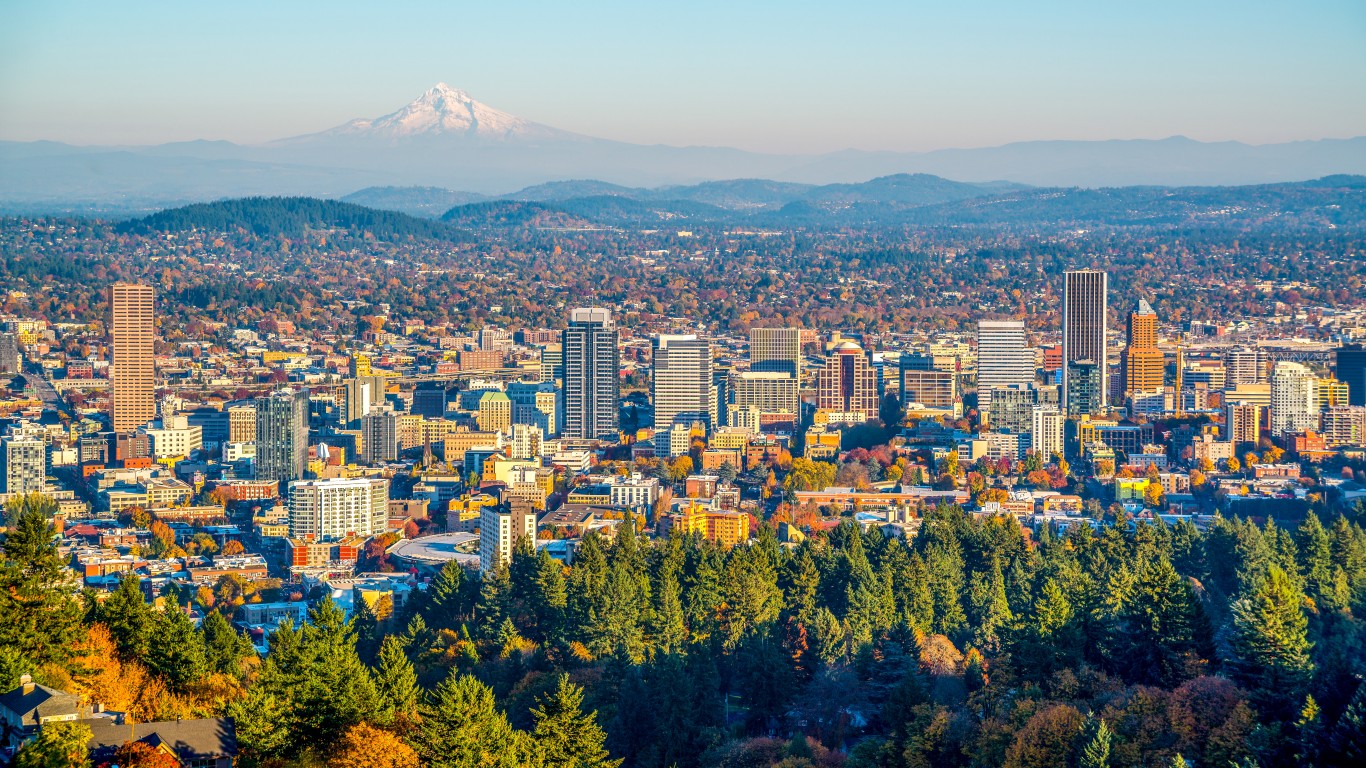
Oregon
> Percent unable to pay energy bill: 16.8% — 19th lowest
[recirclink id=988835]
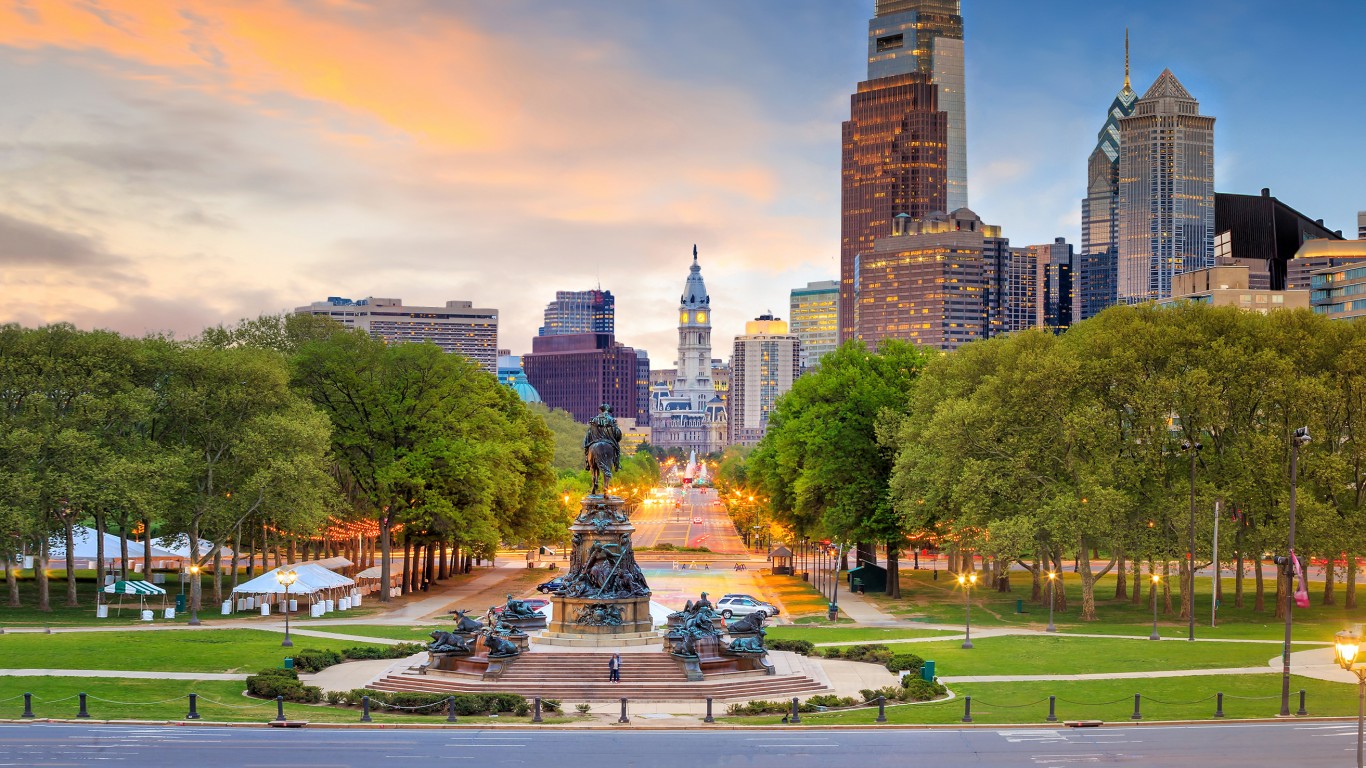
Pennsylvania
> Percent unable to pay energy bill: 23.6% — 8th highest
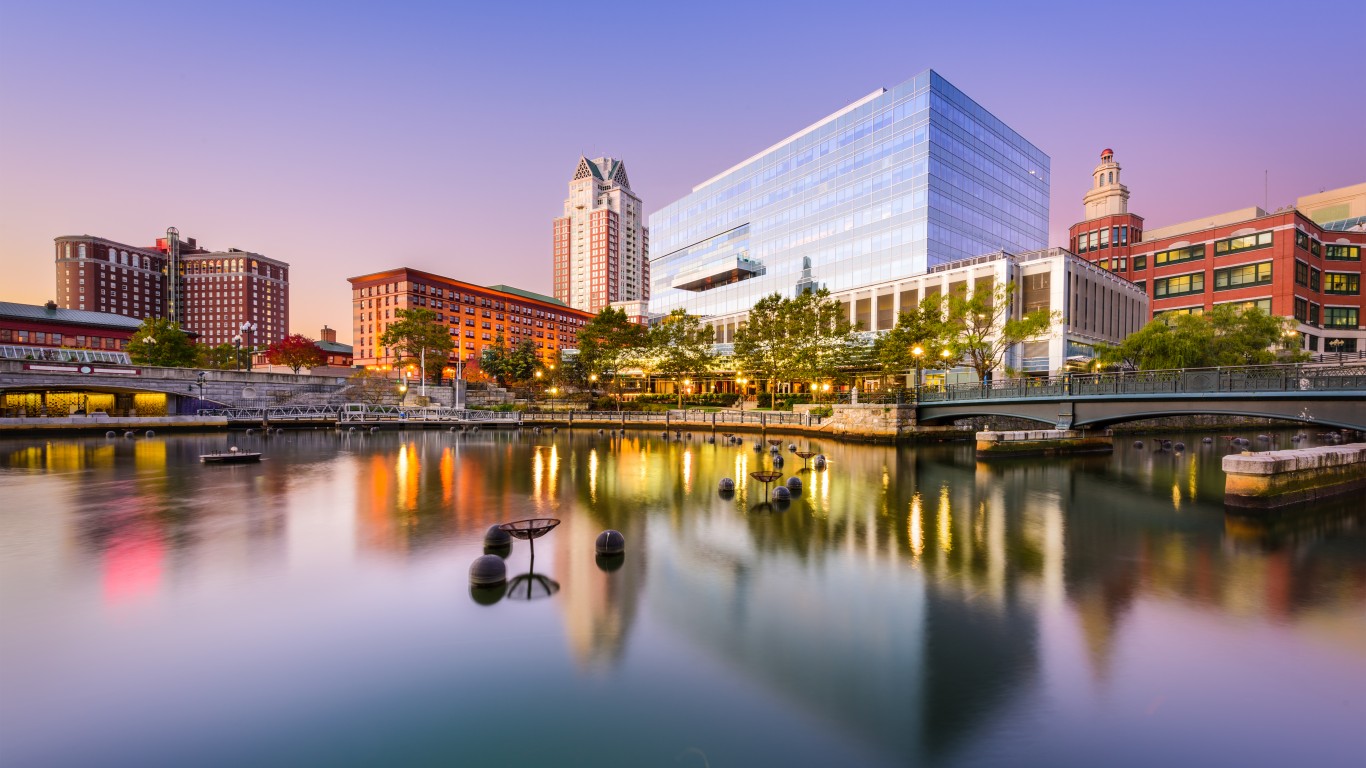
Rhode Island
> Percent unable to pay energy bill: 24.4% — 4th highest
[in-text-ad-2]
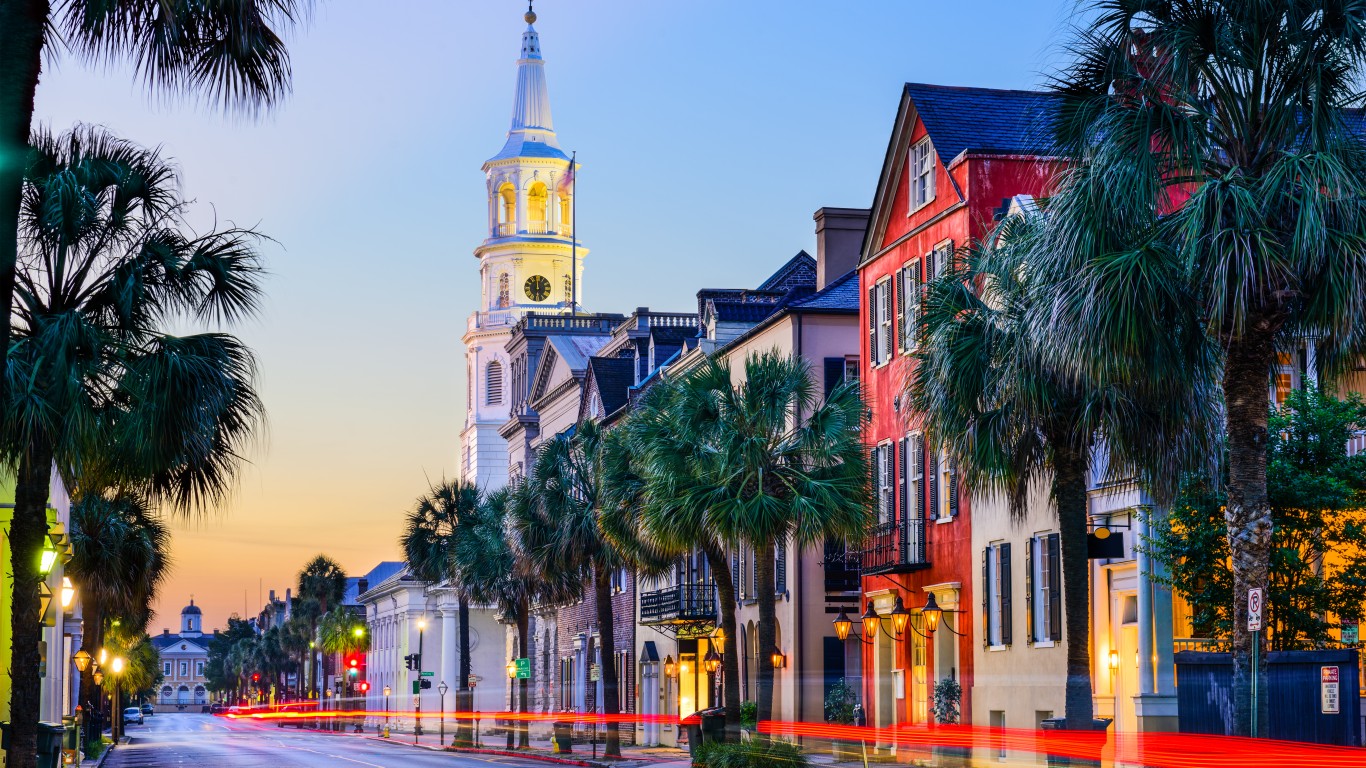
South Carolina
> Percent unable to pay energy bill: 19.6% — 23rd highest
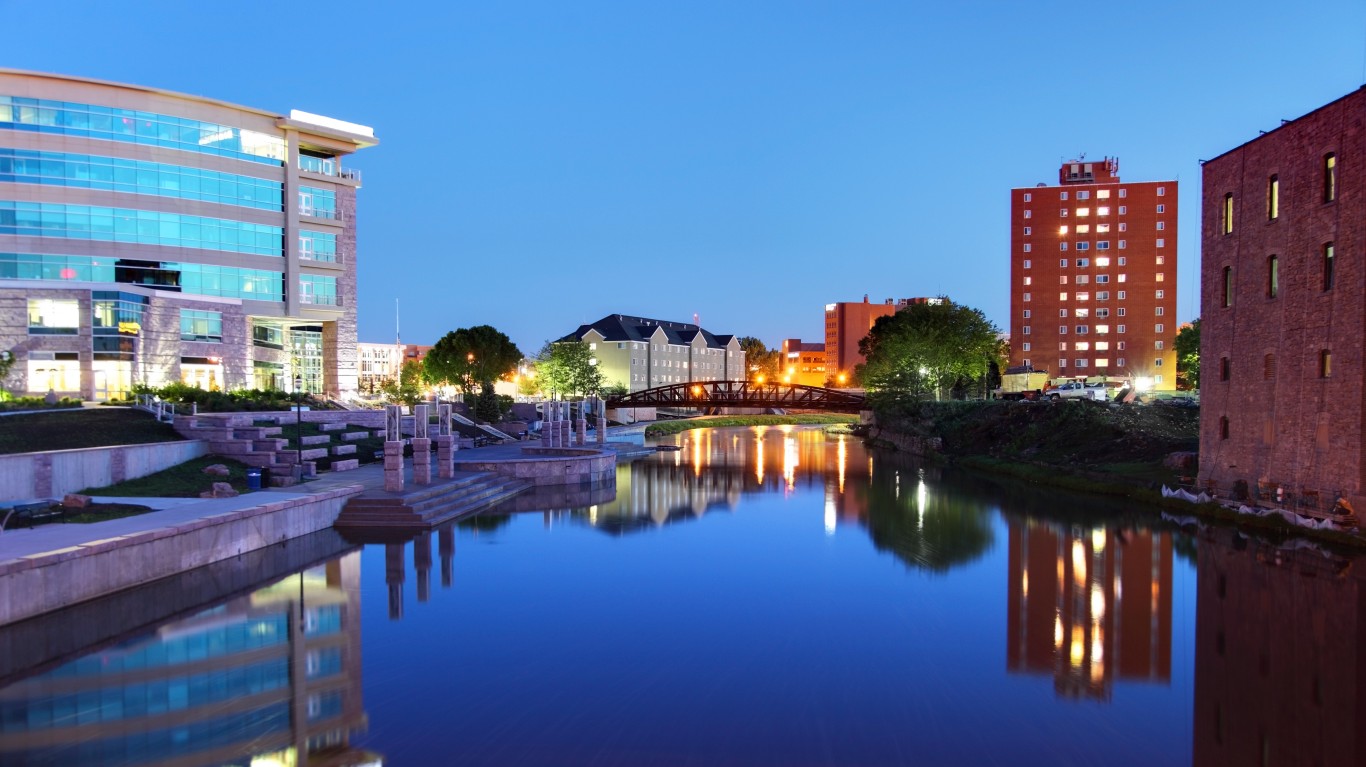
South Dakota
> Percent unable to pay energy bill: 14.2% — 3rd lowest
[in-text-ad]
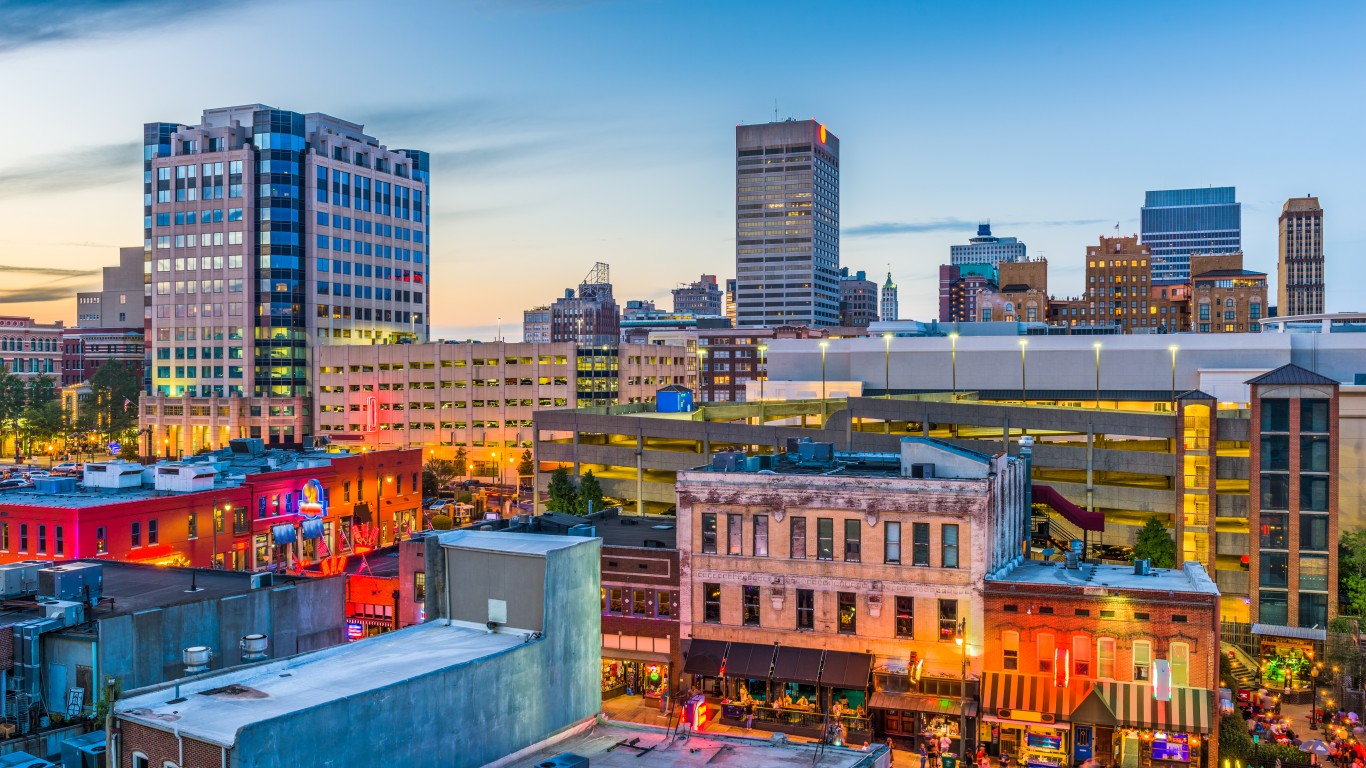
Tennessee
> Percent unable to pay energy bill: 21.7% — 13th highest
[recirclink id=851858]

Texas
> Percent unable to pay energy bill: 27.9% — the highest
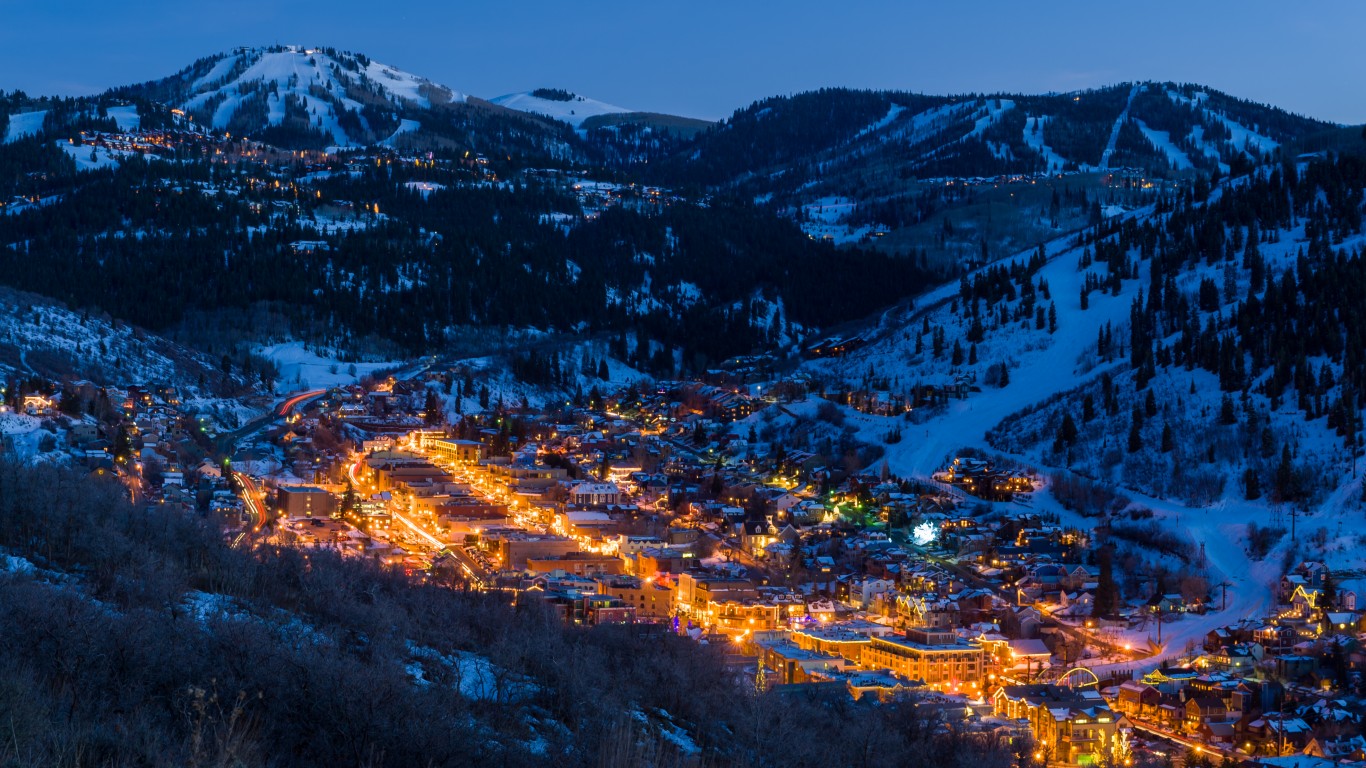
Utah
> Percent unable to pay energy bill: 14.4% — 4th lowest
[in-text-ad-2]
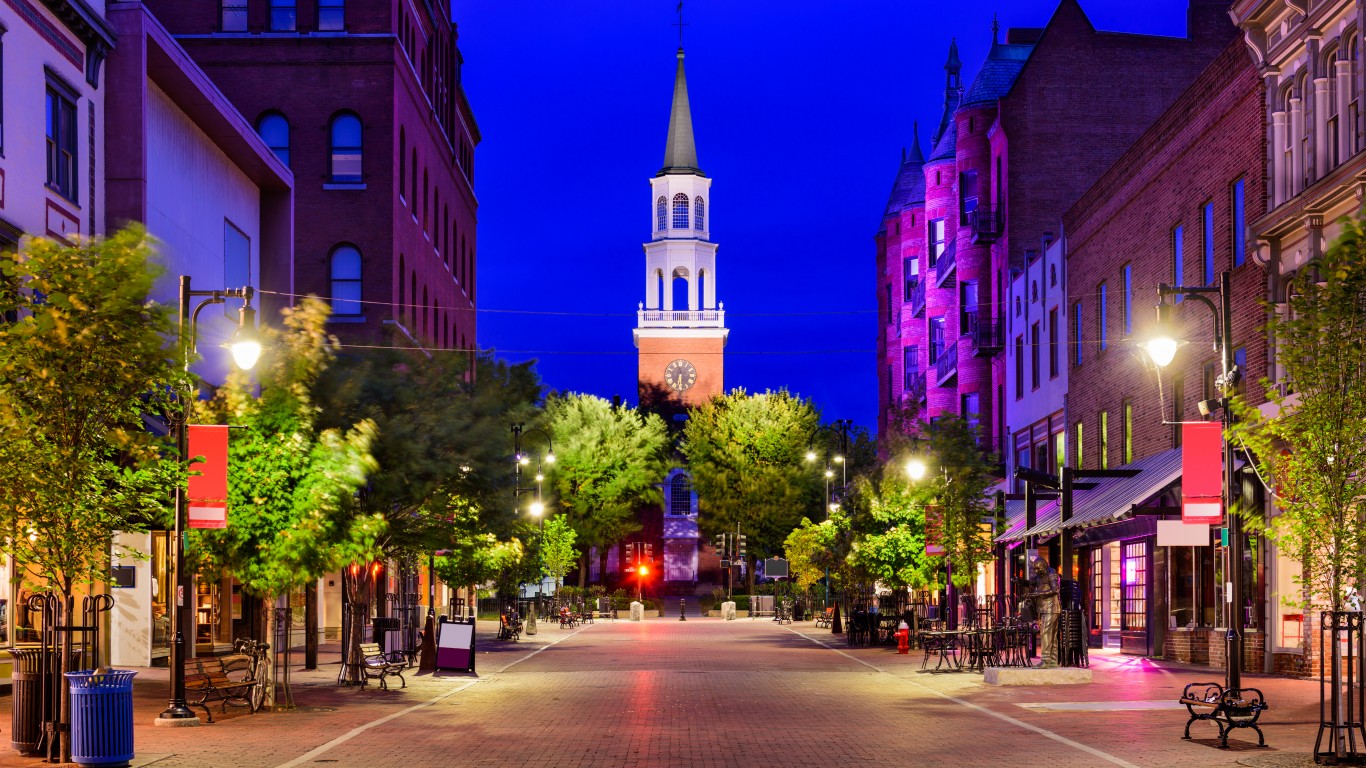
Vermont
> Percent unable to pay energy bill: 14.5% — 5th lowest
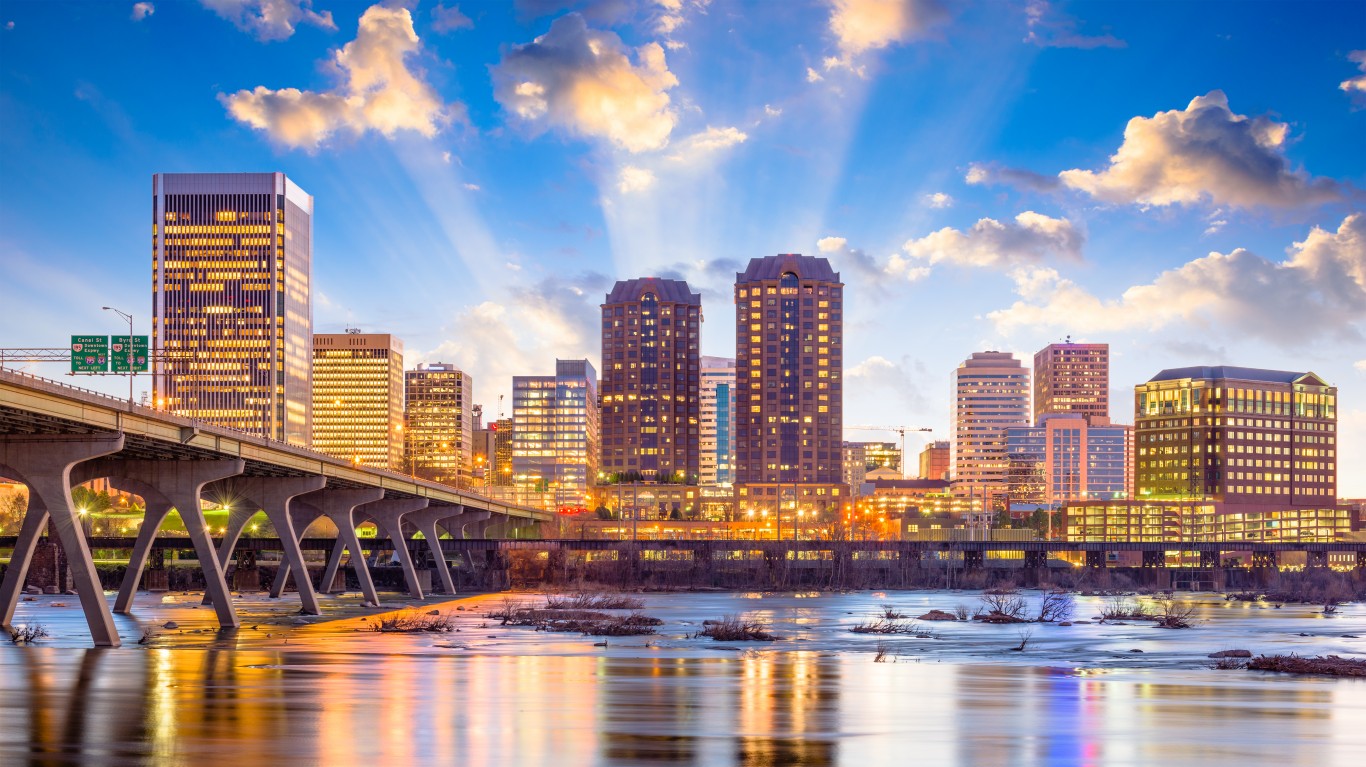
Virginia
> Percent unable to pay energy bill: 16.4% — 17th lowest
[in-text-ad]
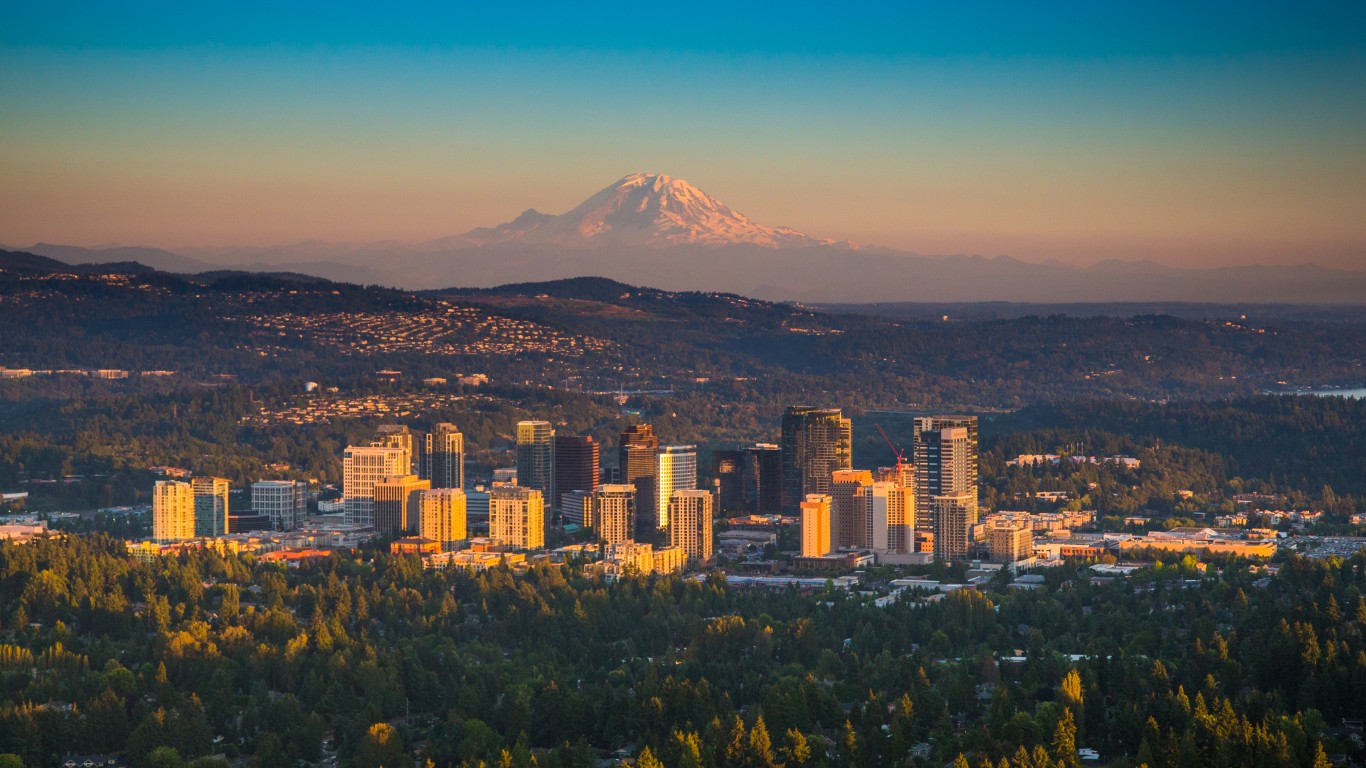
Washington
> Percent unable to pay energy bill: 16.0% — 15th lowest
[recirclink id=991651]
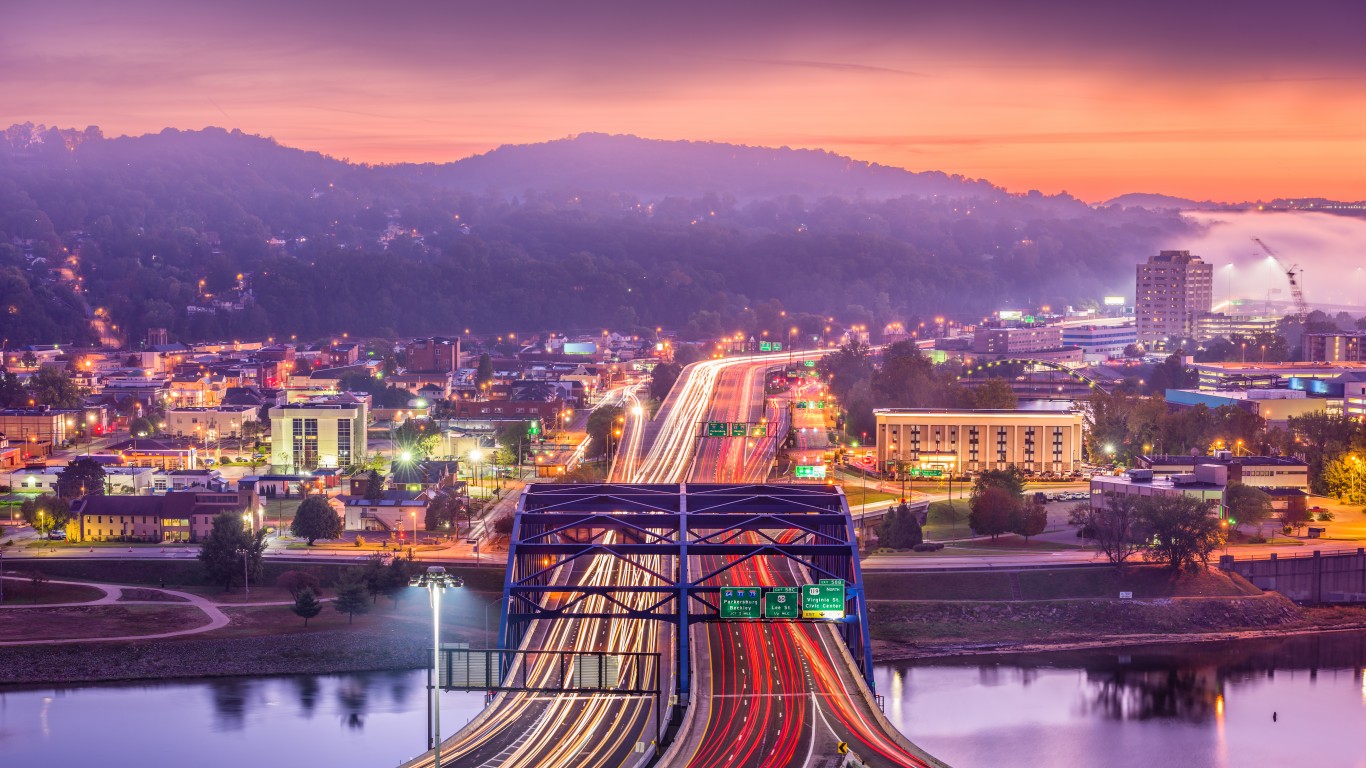
West Virginia
> Percent unable to pay energy bill: 22.9% — 10th highest
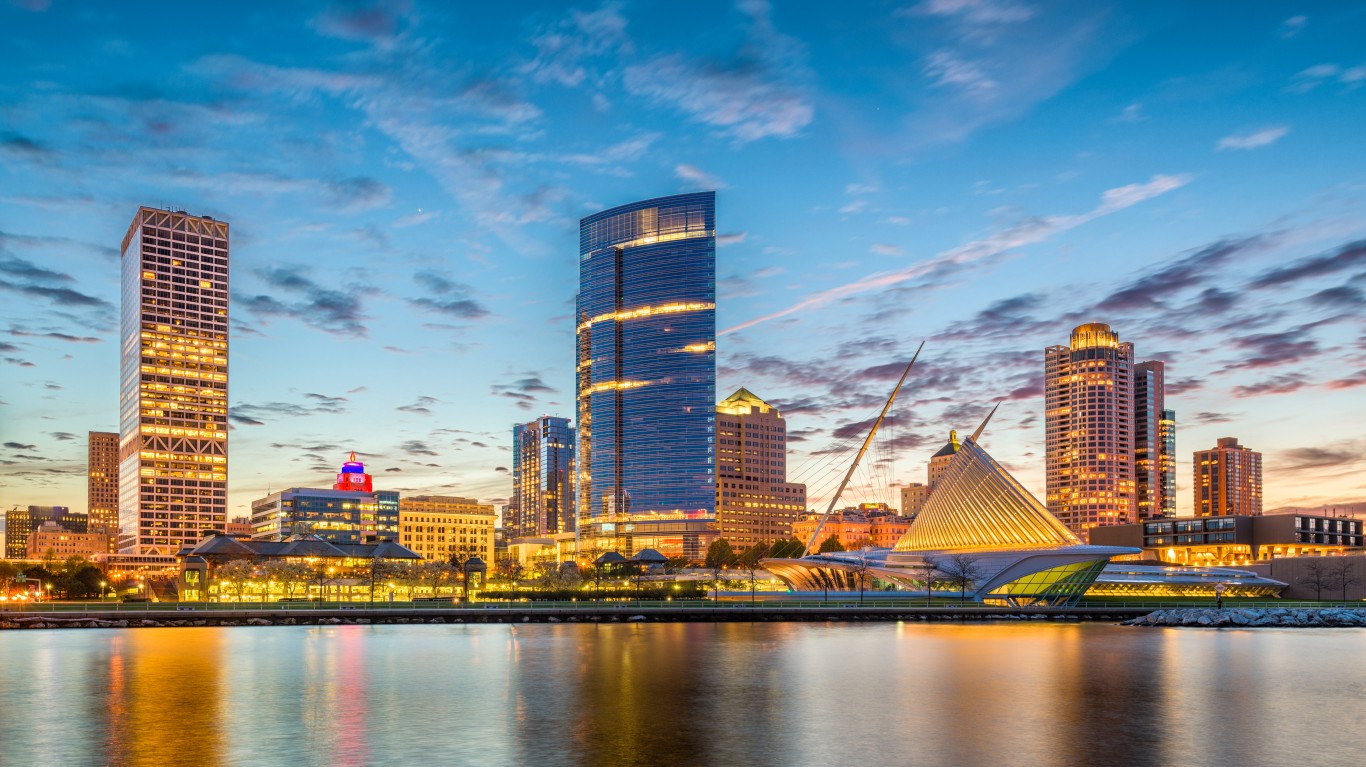
Wisconsin
> Percent unable to pay energy bill: 18.0% — 24th lowest
[in-text-ad-2]
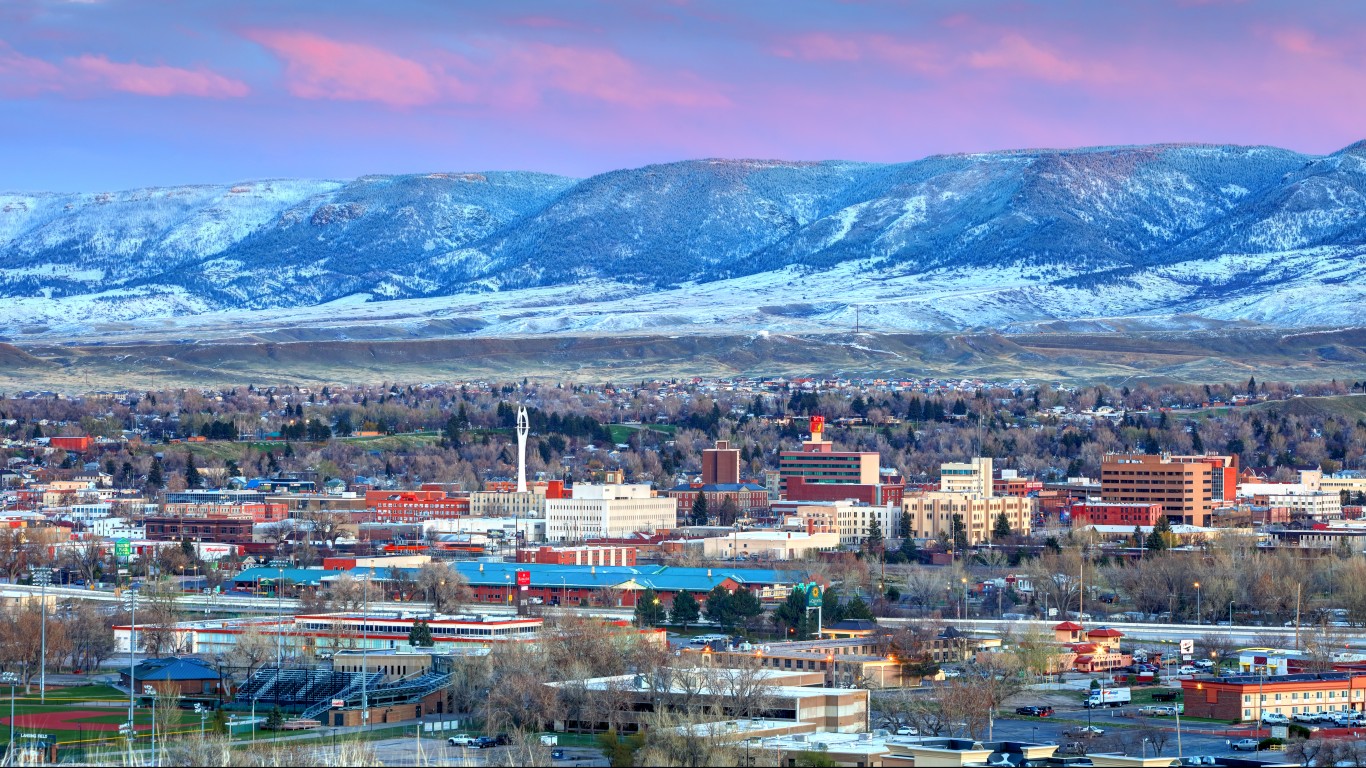
Wyoming
> Percent unable to pay energy bill: 14.7% — 8th lowest







 Top Gaining Stocks
 Top Losing Stocks