


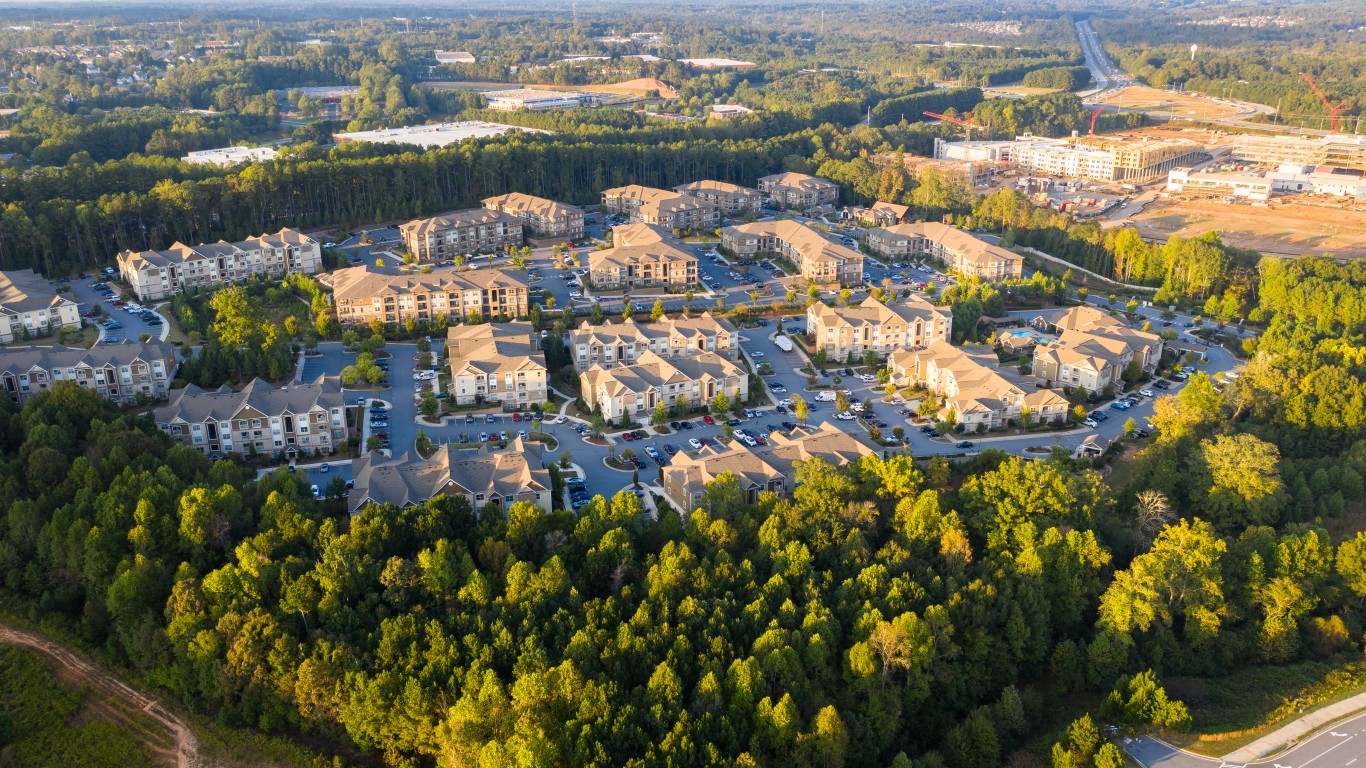
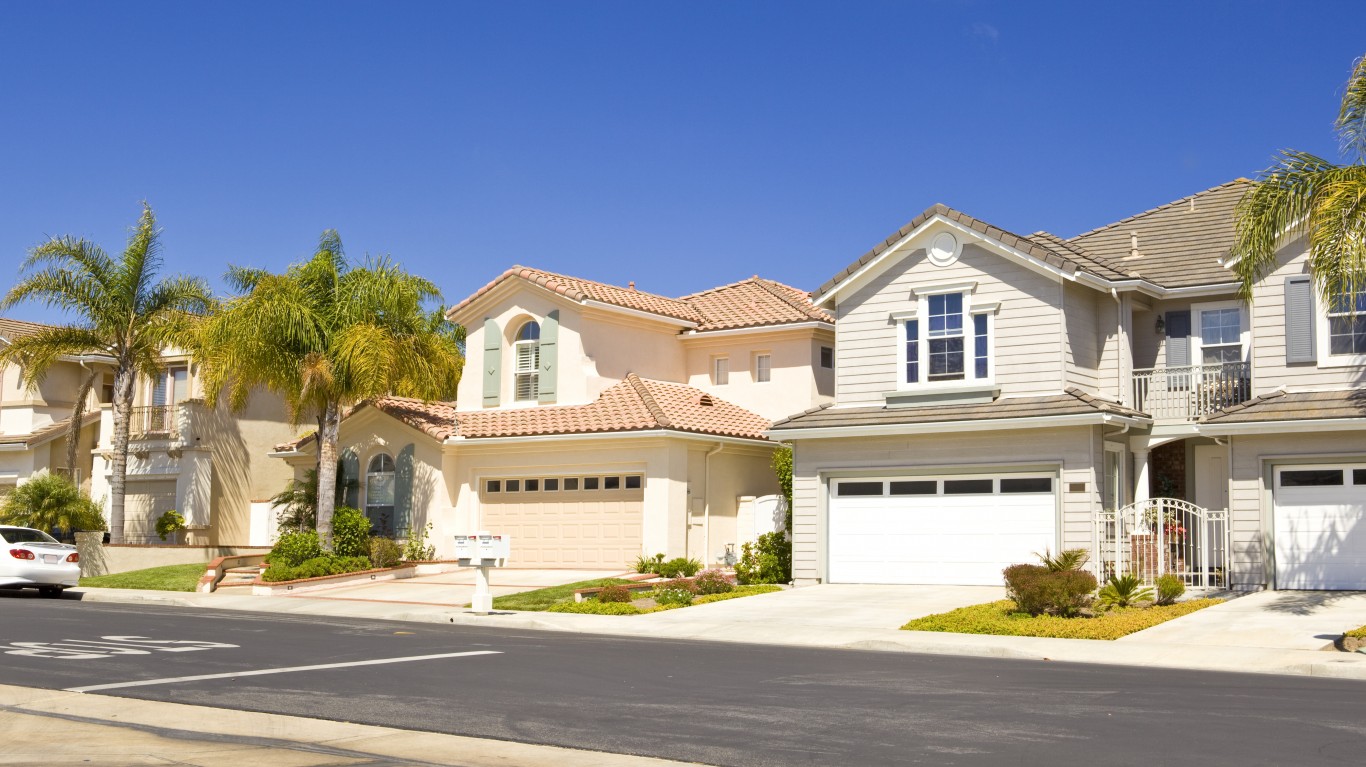
Americans are on the move. Some move to smaller cities, others to rural areas, and some prefer to keep close to the city. The best suburb for city-like living is Southlake, Texas, a suburb of Dallas.
In many of the places Americans are moving, housing prices are rising. According to the carefully watched S&P CoreLogic Case-Shiller Index, home prices rose 19.1% in October compared to the same month last year. In some cities, the figure is above 25%.
Among the reasons people have moved in the last two years is a desire to relocate from expensive coastal cities like New York and San Francisco. Median home pricerecs in these places can be twice the national average. The overall cost of living is high as well. Many people have migrated inland to states such as Idaho and Arizona. Homes there are more affordable. And the perceived quality of life is often better. (This is the best county to live in every state.)
Two other reasons that Americans have moved into new homes are low mortgage rates and the COVID-19 pandemic work-from-home movement. Millions of people no longer go to corporate offices. (This city will pay you $20,000 to move there.)
People who move still need to decide if they want to live in cities, suburbs, or rural areas. StorageCafe, which tracks self-storage trends, recently released “The Best US Suburbs For City-Like Living” report. 24/7 Tempo reviewed the report to find places where people may be able to have the best of the city/suburb lifestyle.
Among the factors StorageCafe considered were median household income, housing affordability, employment opportunities, population density, the number of retail stores, the ranking of local schools, the number of parks, and crime levels. Housing affordability is the ratio of housing prices — both rent rates and house prices — to income.
Most of the data StorageCafe used came from the U.S. Census and other federal government sources. Suburbs were defined as having a population of 10,000 to 100,000. The study examined 1,000 suburbs of America’s 100 largest cities.
The report points out that suburbs have evolved. “The suburban landscape went through significant revamping in some places, adding diversity to the local housing stock, including upscale rental apartments, highly sought-after amenities such as restaurants and entertainment venues, shopping options as well as jobs within easy reach.”
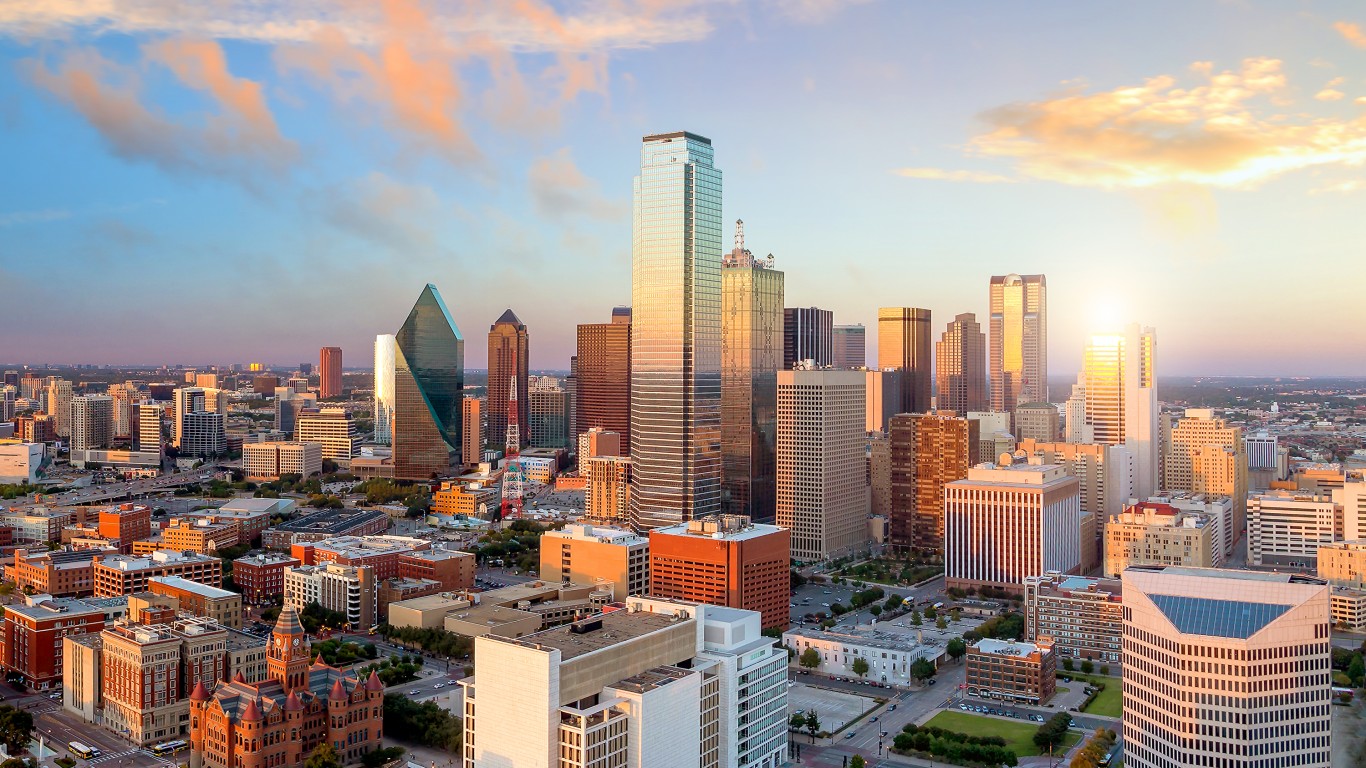
The best suburb for city-like living is Southlake, Texas, just outside Dallas. Housing affordability and the quality of schools are among the reasons it ranks so high. Dallas is among America’s fastest-growing cities, according to the 2020 Census. From 2010, its population rose 19.96% to 7,637,387, which makes it the fourth largest city in the country.
Click here to see the best suburb for city-like living
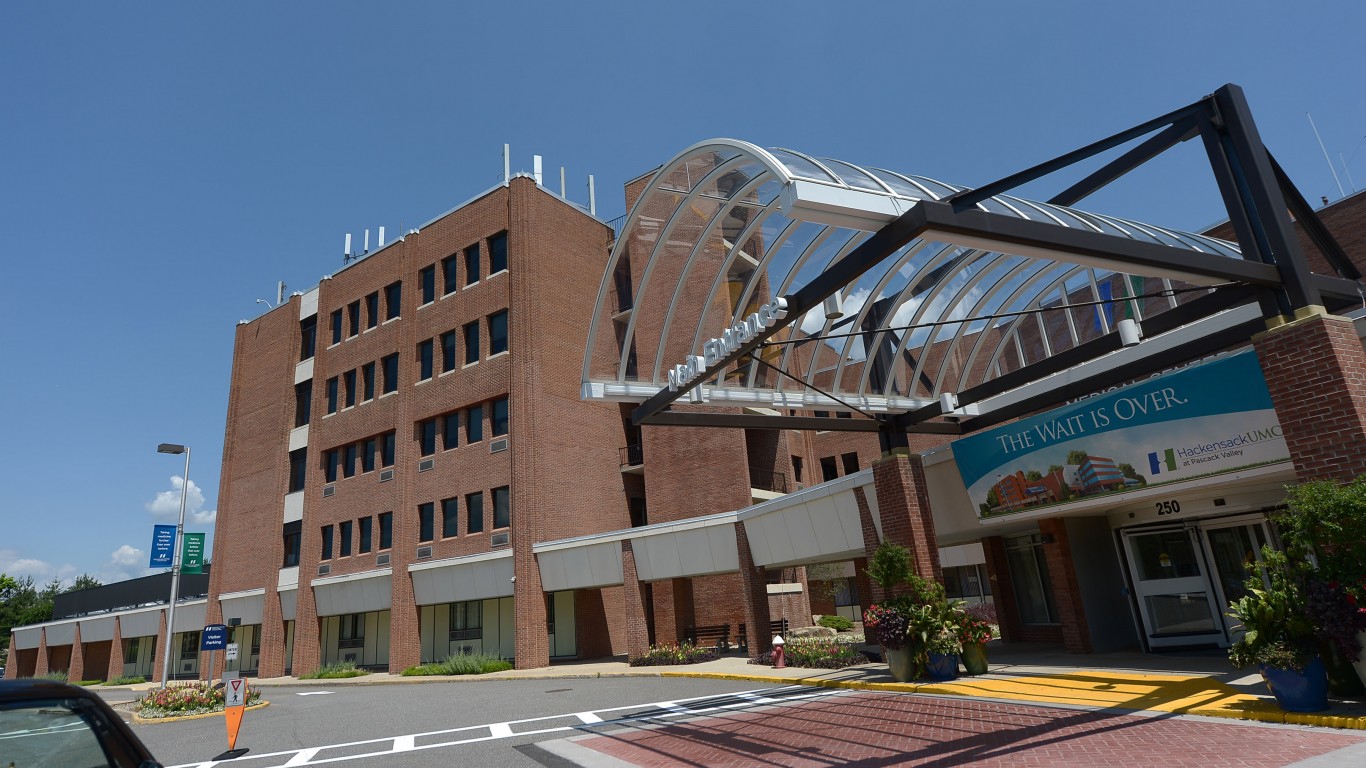
25. Westwood, NJ
> Metro area: New York
> Housing affordability (price to income ratio): 251
> Population density (people per square mile): 4,920
[in-text-ad]
24. Lincolnwood, IL
> Metro area: Chicago
> Housing affordability (price to income ratio): 174
> Population density (people per square mile): 4,619
[recirclink id=827531]
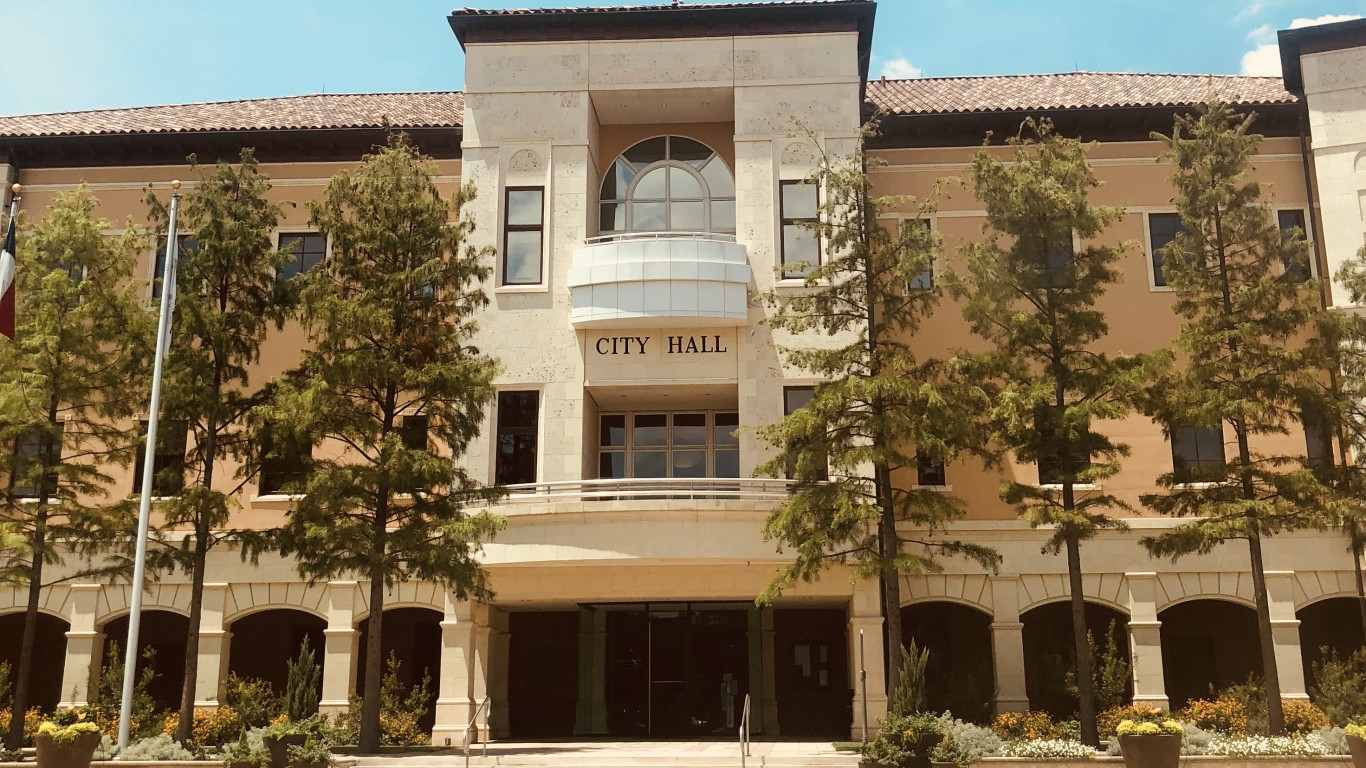
23. Colleyville, TX
> Metro area: Dallas
> Housing affordability (price to income ratio): 195
> Population density (people per square mile): 2,017
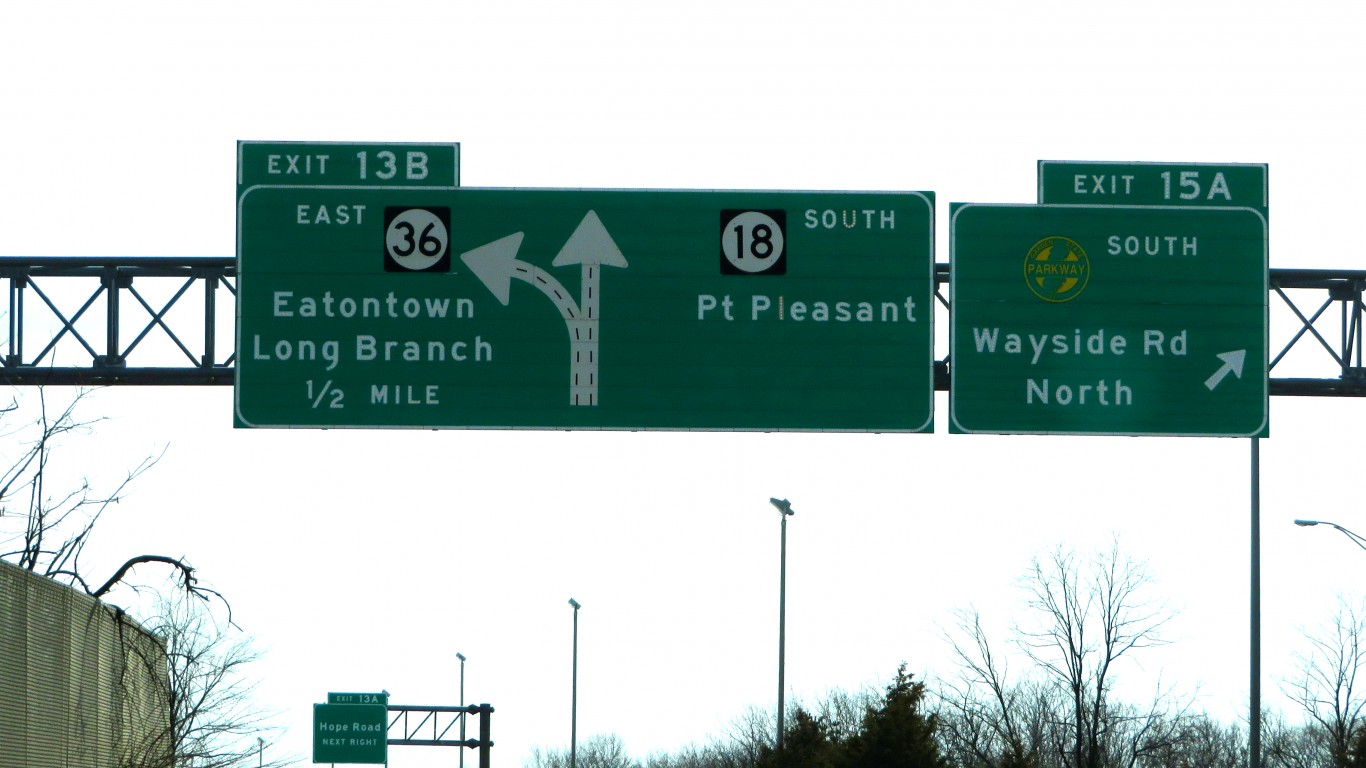
22. Tinton Falls, NJ
> Metro area: New York
> Housing affordability (price to income ratio): 213
> Population density (people per square mile): 1,139
[in-text-ad-2]
21. Suwanee, GA
> Metro area: Atlanta
> Housing affordability (price to income ratio): 239
> Population density (people per square mile): 1,797
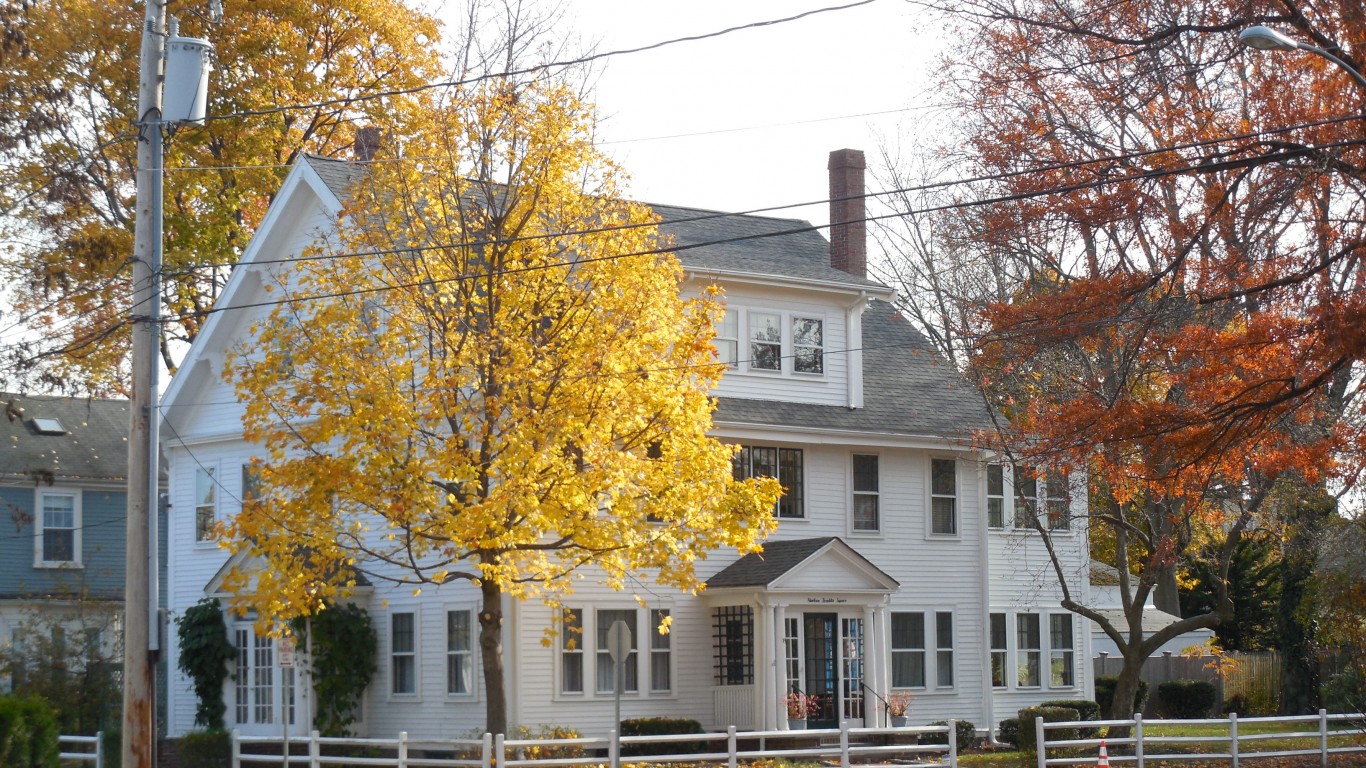
20. Dedham, MA
> Metro area: Boston
> Housing affordability (price to income ratio): 213
> Population density (people per square mile): 2,462
[in-text-ad]

19. Alpharetta, GA
> Metro area: Atlanta
> Housing affordability (price to income ratio): 298
> Population density (people per square mile): 2,438
[recirclink id=637412]
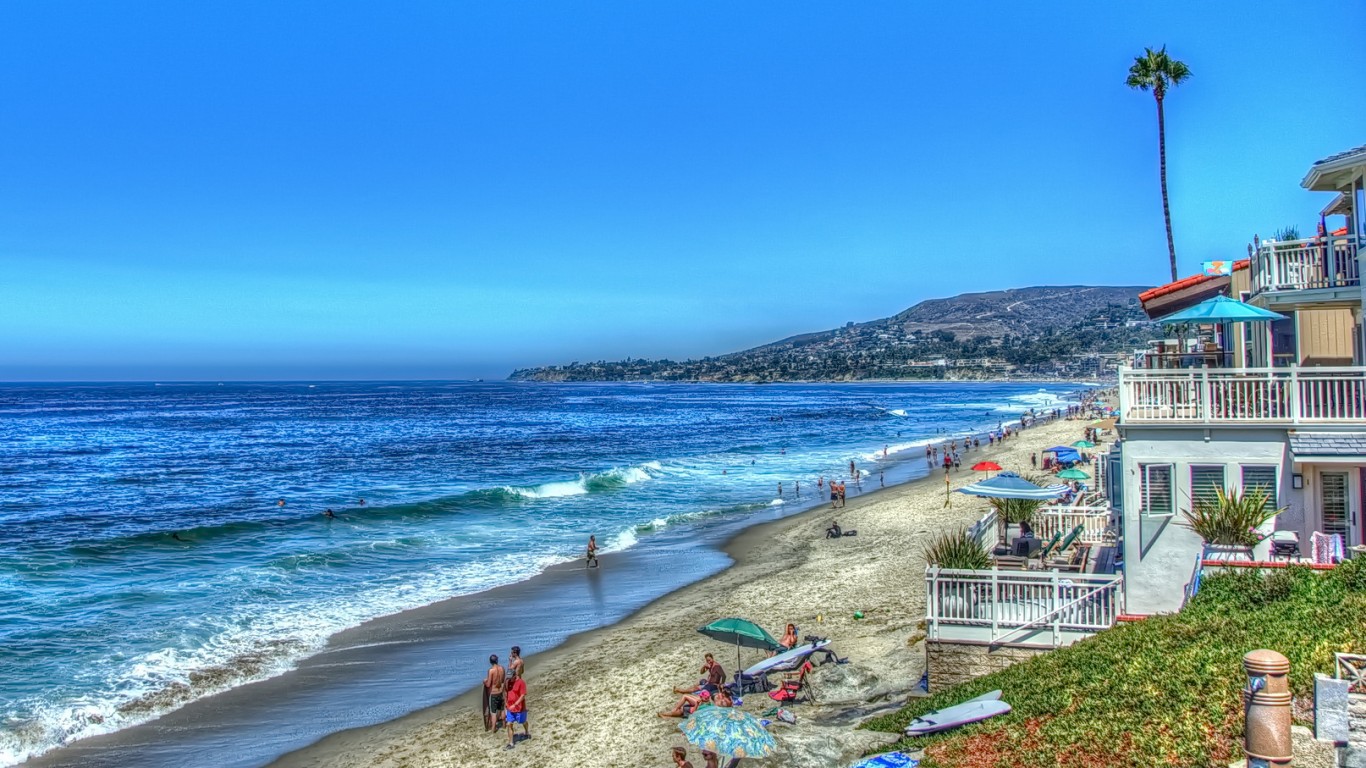
18. Laguna Beach, CA
> Metro area: Los Angeles
> Housing affordability (price to income ratio): 179
> Population density (people per square mile): 2,590
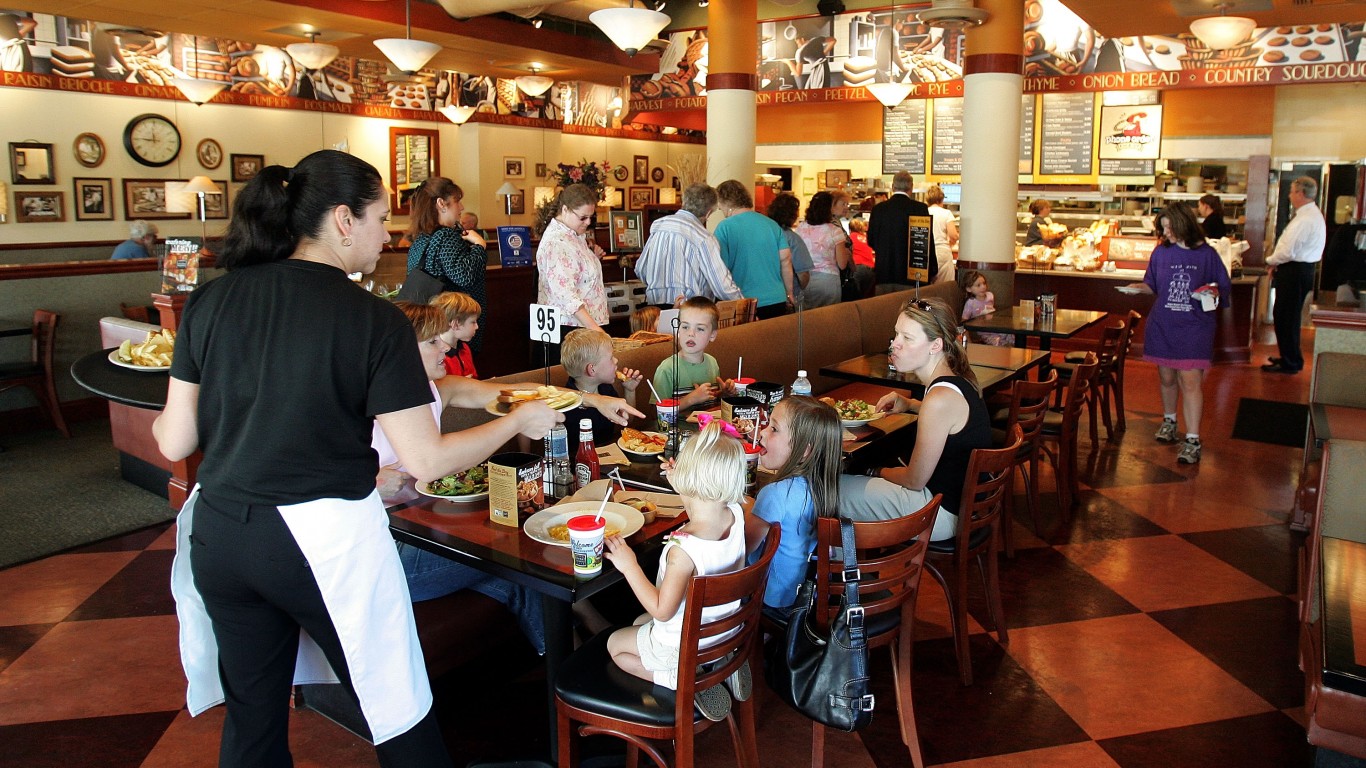
17. Glenview, IL
> Metro area: Chicago
> Housing affordability (price to income ratio): 194
> Population density (people per square mile): 3,387
[in-text-ad-2]

16. Franklin Lakes, NJ
> Metro area: New York
> Housing affordability (price to income ratio): 154
> Population density (people per square mile): 1,163
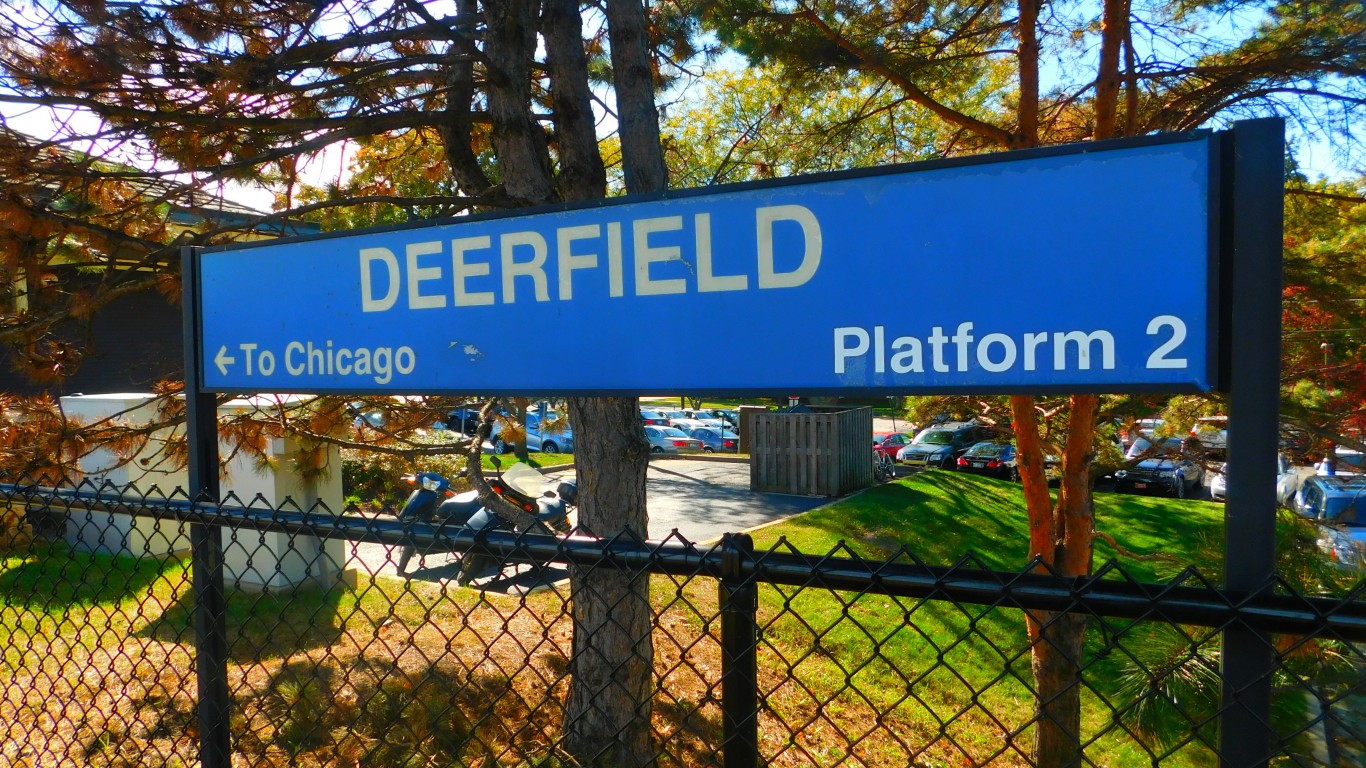
15. Deerfield, IL
> Metro area: Chicago
> Housing affordability (price to income ratio): 219
> Population density (people per square mile): 3,438
[in-text-ad]

14. Mequon, WI
> Metro area: Milwaukee
> Housing affordability (price to income ratio): 209
> Population density (people per square mile): 522
[recirclink id=886163]

13. Agoura Hills, CA
> Metro area: Los Angeles
> Housing affordability (price to income ratio): 134
> Population density (people per square mile): 2,634

12. Port Washington, NY
> Metro area: New York
> Housing affordability (price to income ratio): 215
> Population density (people per square mile): 3,763
[in-text-ad-2]

11. Venice, FL
> Metro area: Sarasota
> Housing affordability (price to income ratio): 187
> Population density (people per square mile): 1,449
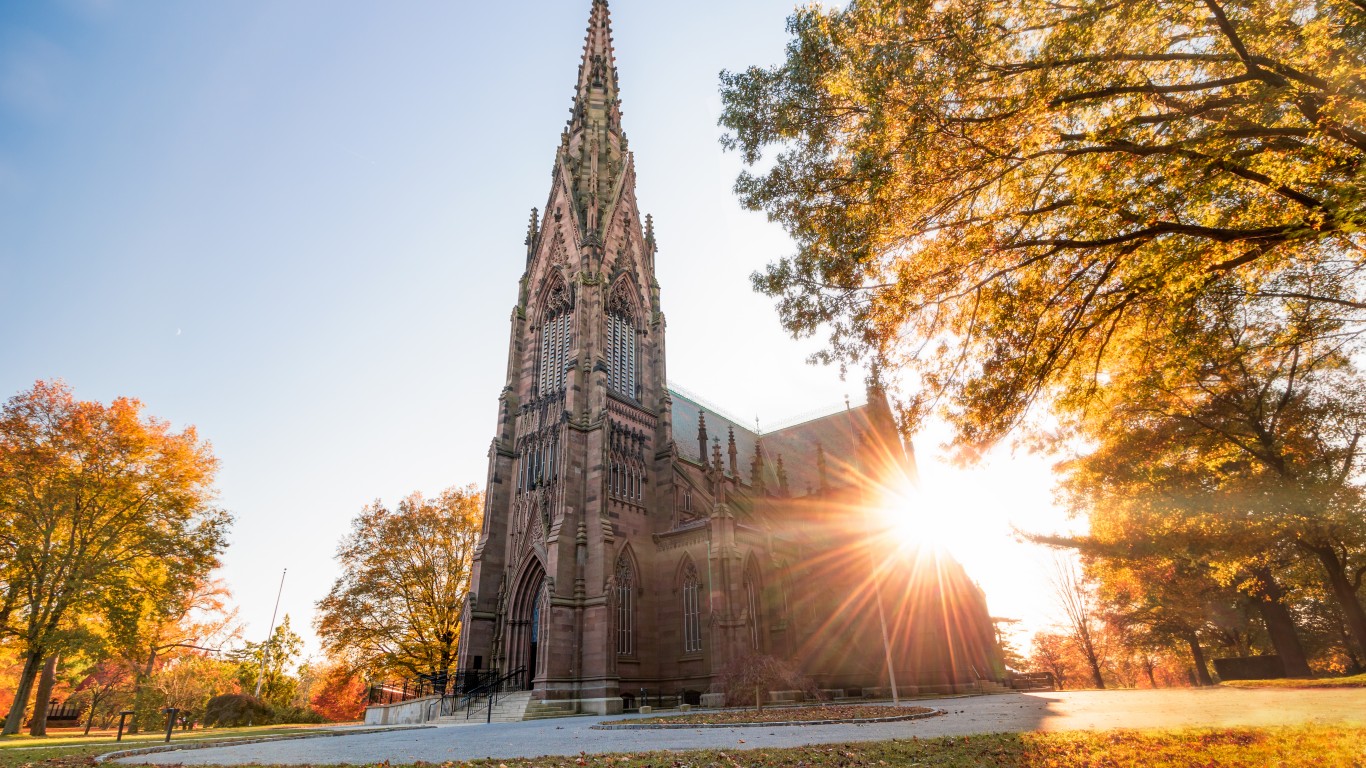
10. Garden City, NY
> Metro area: New York
> Housing affordability (price to income ratio): 131
> Population density (people per square mile): 4,223
[in-text-ad]
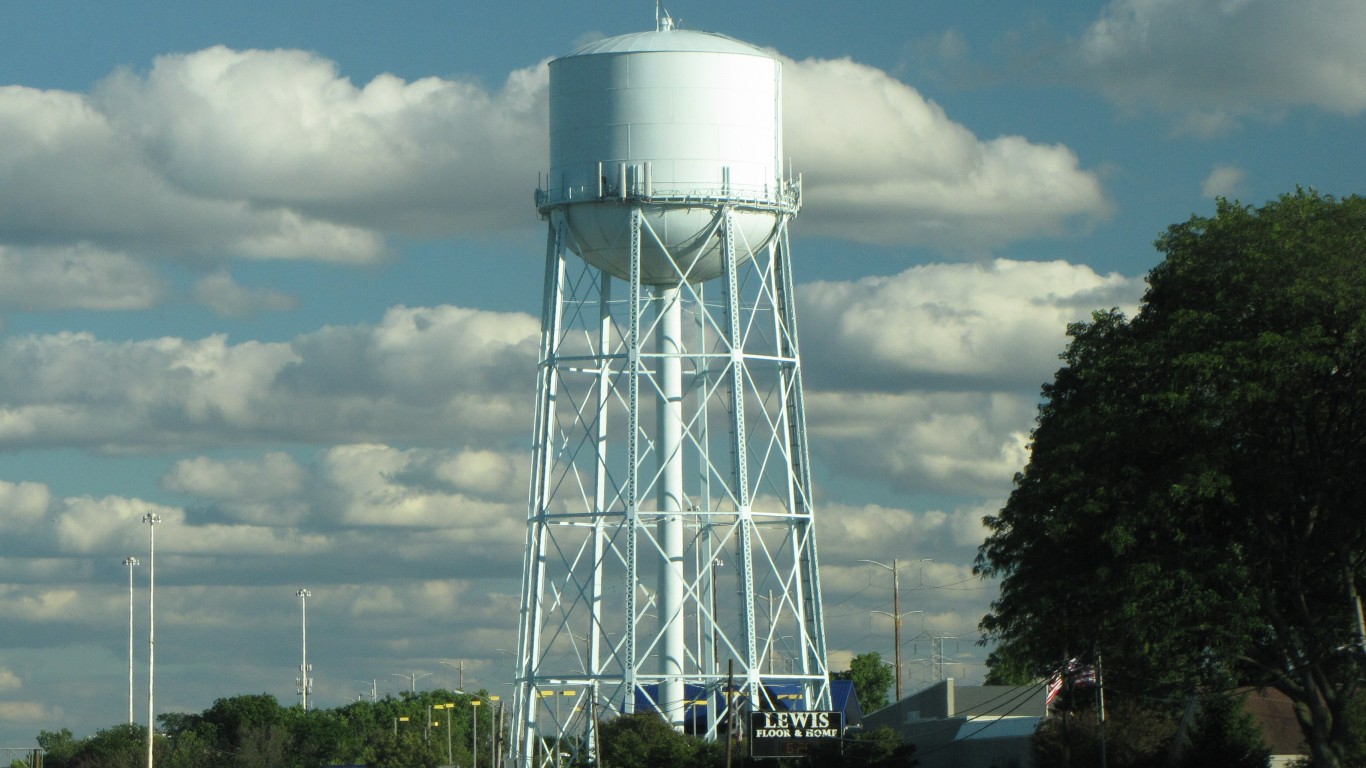
9. Northbrook, IL
> Metro area: Chicago
> Housing affordability (price to income ratio): 185
> Population density (people per square mile): 2,518
[recirclink id=827531]
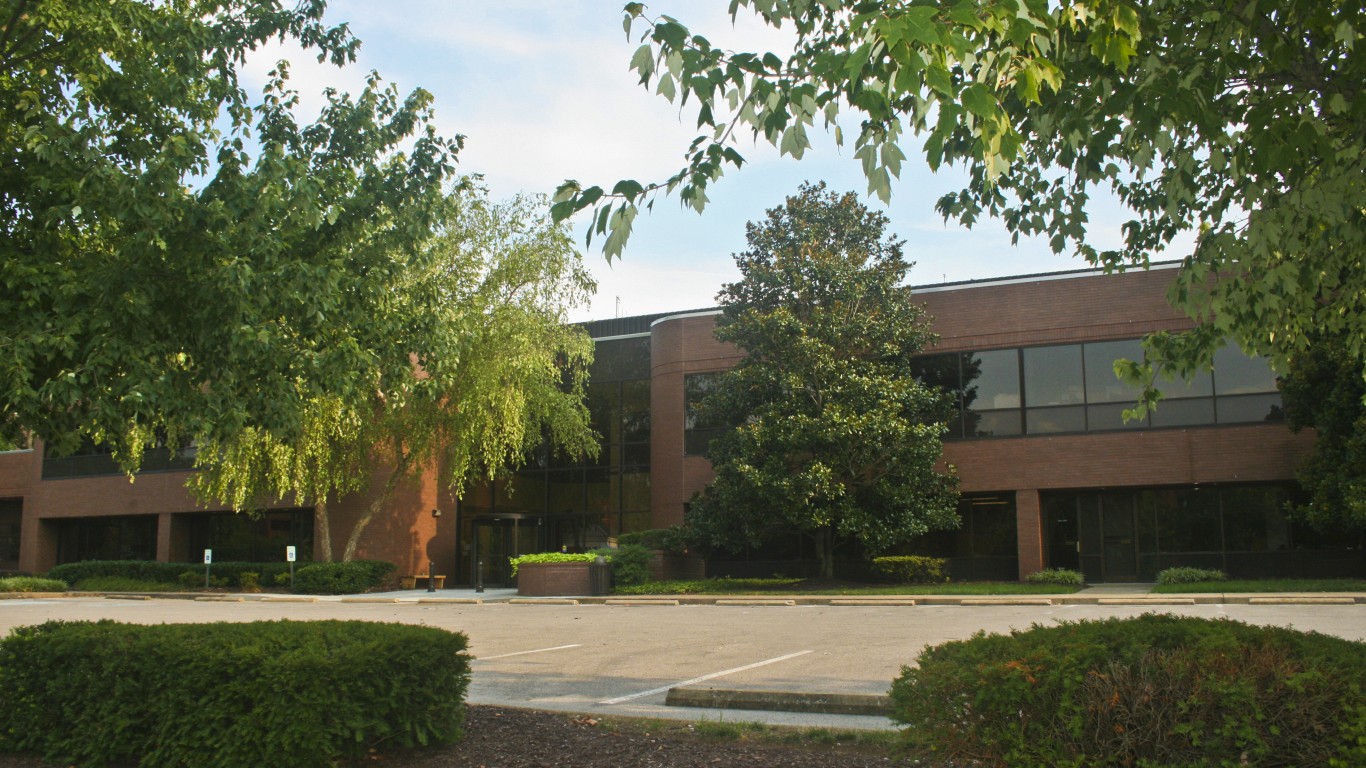
8. Brentwood, TN
> Metro area: Nashville
> Housing affordability (price to income ratio): 177
> Population density (people per square mile): 1,032

7. Oakland, NJ
> Metro area: New York
> Housing affordability (price to income ratio): 182
> Population density (people per square mile): 1,526
[in-text-ad-2]
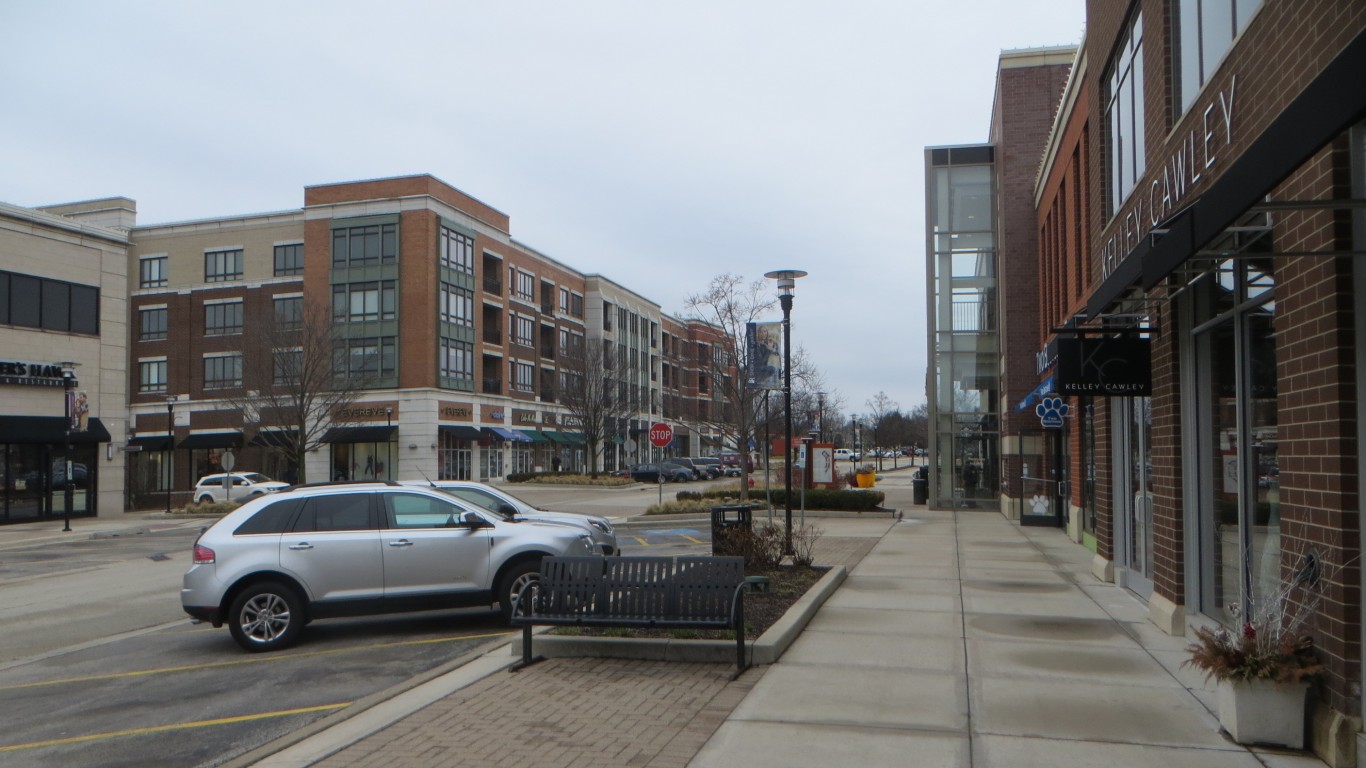
6. Burr Ridge, IL
> Metro area: Chicago
> Housing affordability (price to income ratio): 153
> Population density (people per square mile): 1,507

5. Calabasas, CA
> Metro area: Los Angeles
> Housing affordability (price to income ratio): 134
> Population density (people per square mile): 1,750
[in-text-ad]
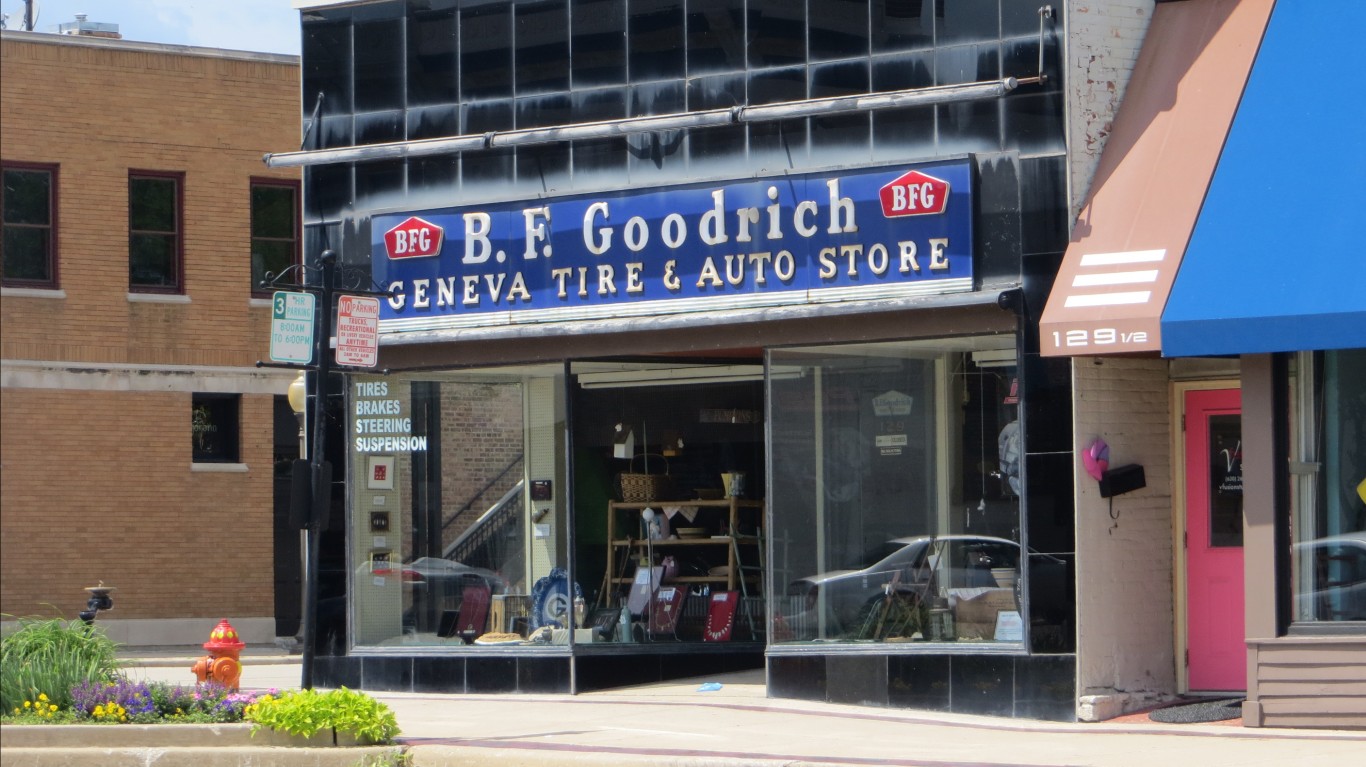
4. Geneva, IL
> Metro area: Chicago
> Housing affordability (price to income ratio): 257
> Population density (people per square mile): 2,207
[recirclink id=637412]
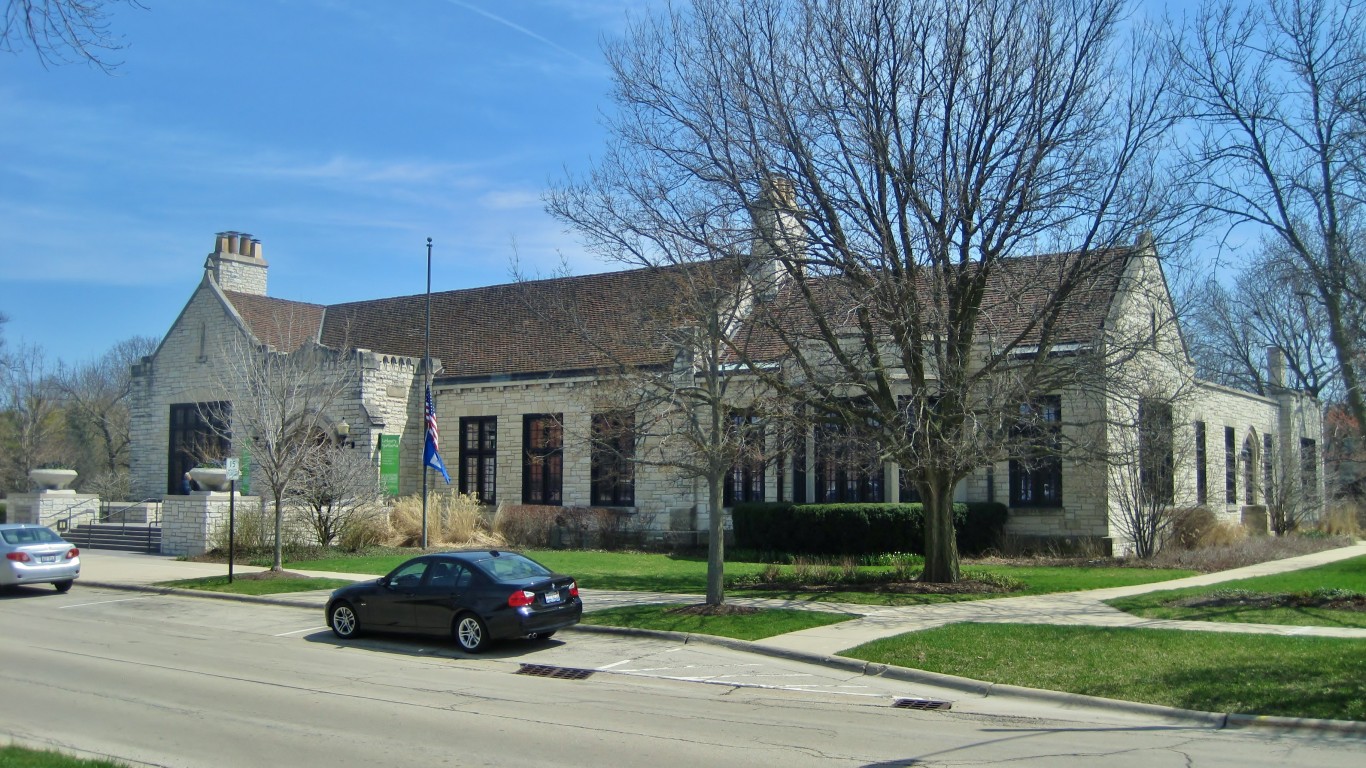
3. Highland Park, IL
> Metro area: Chicago
> Housing affordability (price to income ratio): 221
> Population density (people per square mile): 2,420
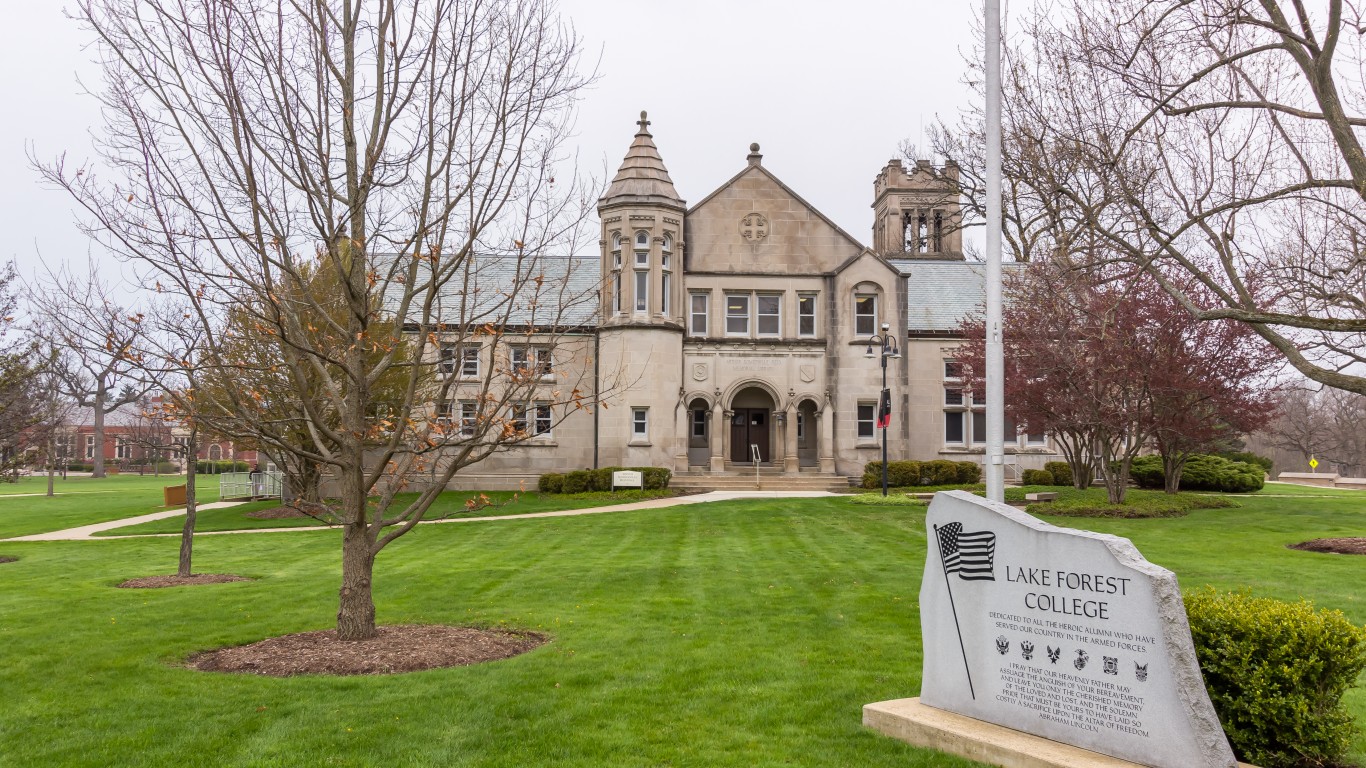
2. Lake Forest, IL
> Metro area: Chicago
> Housing affordability (price to income ratio): 192
> Population density (people per square mile): 1,115
[in-text-ad-2]

1. Southlake, TX
> Metro area: Dallas
> Housing affordability (price to income ratio): 228
> Population density (people per square mile): 1,434







 Top Gaining Stocks
 Top Losing Stocks