


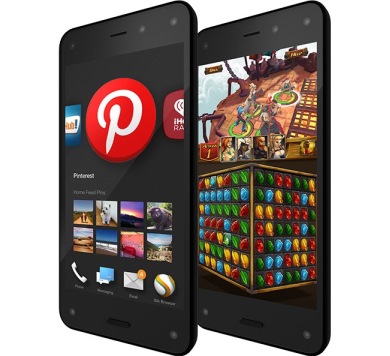
The Fire phone is available exclusively from AT&T Inc. (NYSE: T) and a 32-GB version sells for $199 with a two-year contract or $27.09 per month on AT&T’s Next 18 plan, an installment payment plan that allows a device trade-in for a new phone after 18 months or full ownership of the phone after 24 months. Voice and data service are required and are not included in the price of the phone. Keeping the phone for 24 months brings the cost of the phone to $650, roughly equal to the price of an unlocked 16-GB iPhone 5s at the Apple Inc. (NASDAQ: AAPL) store. A 32-GB iPhone 5s retails for $749 at the Apple online store.
One estimate of the number of Fire phones that Amazon will sell in the second half of 2014 is 4 million. For comparison, Apple sold more than 35 million iPhones in the second quarter alone. In order to be a success for Amazon, the Fire phone does not have to outsell the iPhone, it only has to sell in decent numbers to the people who are heavy users of Amazon services.
The Firefly feature on the Fire phone lets a user put an item into a shopping basket with virtually no effort. That is where the money is for Amazon and that is why the company chose to release a high-end phone rather than a low-end one. It is entirely in keeping with Amazon’s customer-first strategy and is aimed squarely at Amazon’s best customers. That is who the free one-year extension to an Amazon Prime subscription is aimed at. How the strategy works will play out over the next several quarters, but investors shouldn’t look for any profit help from the Fire phone.
Amazon’s stock price got beaten up Friday, down about 10% in the early afternoon, at $323.77 in a 52-week range of $279.33 to $408.06.








 Top Gaining Stocks
 Top Losing Stocks