


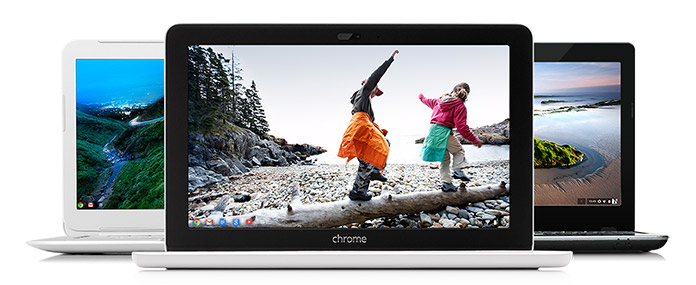
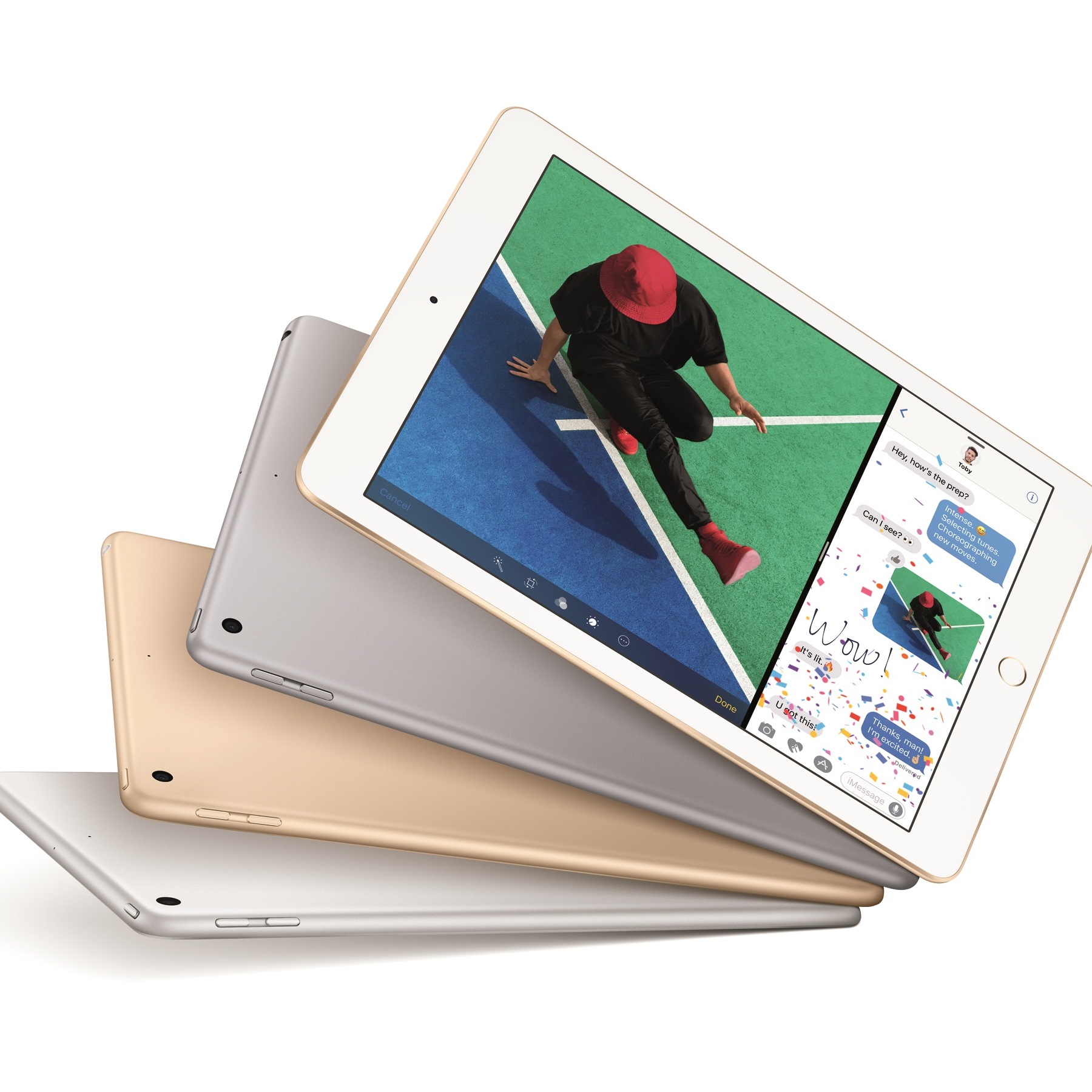
In the third quarter, Google shipped 715,500 Chromebooks into U.S. schools while Apple shipped 702,000 iPads. The data come from IDC and were reported late Sunday night in the Financial Times. Besides Google, Hewlett-Packard Co. (NYSE: HPQ), Samsung, Dell and Acer make and promote Chromebook sales into U.S. schools.
ALSO READ: Apple, New York City Dominate Black Friday Sales
The Chromebook’s initial advantage is price: $199 compared with $379 for the iPad Air with Apple’s educational discount. Chromebooks are also easier for a school district’s IT department to manage.
The Financial Times notes that its parent company, Pearson PLC (NYSE: PSO), developed a plan with Apple to supply an iPad for every student in the Los Angeles Unified School District at a cost of $500 million. Controversy over the tender process scuttled the deal and the district has since chosen Chromebooks and Windows-based laptops instead.
iPad sales have slowed since their introduction in 2010. According to IDC, two-year growth in iPad sales will be 7.2% this year, down from 52.3% a year ago. The research firm expects iPad shipments to post a full-year decline in sales for 2014. An IDC executive said:
In the early stages of the tablet market, device lifecycles were expected to resemble those of smartphones, with replacement occurring every 2-3 years. What has played out instead is that many tablet owners are holding onto their devices for more than 3 years and in some instances more than 4 years. We believe the two major drivers for longer than expected tablet lifecycles are legacy software support for older products, especially within iOS, and the increased use of smartphones for a variety of computing tasks.
Slipping sales to schools and longer than expected life cycles are not good news for Apple, but neither are they new news. Besides, the company’s iPhone ecosystem is what really separates Apple from the rest of the pack, and that is not in danger at this point.
ALSO READ: Mobile Devices Now Get More Consumer Attention Than TV









 Top Gaining Stocks
 Top Losing Stocks