


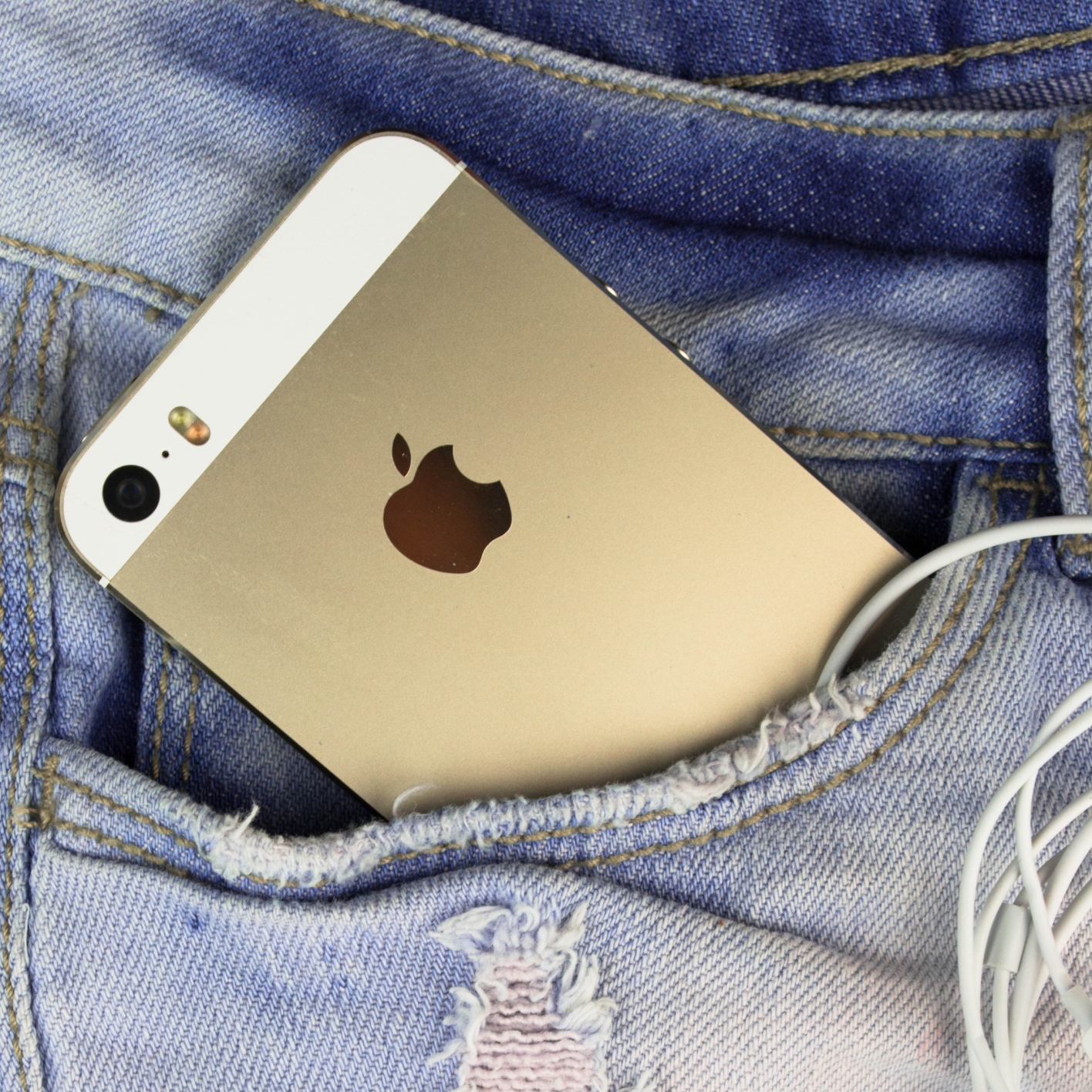
Shares of Apple Inc. (NASDAQ: AAPL) reacted no differently from any other equity to the U.K. vote to leave the European Union: the price dropped 2.8%. That was a better performance than either the DJIA (down 3.39%) or the Nasdaq (down 4.12%), but Apple stock continues to underperform either index, down about 11% year to date compared with the Dow (down about 0.1%) and the Nasdaq (down about 6%).
What’s causing the disaffection with the stock is largely the slowing growth of the smartphone market. Research firm IDC said earlier this month that total smartphone sales are expected to rise just 3.1% in 2016 to 1.48 billion units. Of that total, Android-based phones are expected to account for 1.24 billion units, up 6.2%, compared with just 227 million iOS-based units, down 2%, the first annual decline in iPhone sales since the first was introduced in 2007.
All is not lost though, according to IDC:
IDC believes Apple can bring iPhone back to growth in 2017 and beyond supported by its early trade-in program as well as the lower cost iPhone SE. It continues to make inroads in China with development in tier 1 cities and is actively trying to penetrate higher growth markets like India and Middle East. The larger screen iPhone 6 Plus and 6S Plus will continue to grow its share of all iPhones shipped, increasing from 26% in 2016 to 32% in 2020.
[nativounit]
But that’s a longer term forecast than many investors are willing to wait for. To appease these investors, Apple has amped up its share buyback program and may be on its way to being the largest share buyback player of all-time. The company has a sub-market price-to-earnings (P/E) ratio and cheap access to capital. Apple’s buyback tab was $6.667 billion during the first quarter of 2016, and $36.783 billion for the trailing 12 months. Apple has now spent $116 billion in five years buying its own stock.
The thing about buybacks, however, is that they often signal a lack of imagination and new product development. Growth is slowing in Apple’s cash cow, the Watch is selling but not generating a lot of love, and we’re still waiting for Apple TV.
When analysts at Goldman Sachs lowered their price target on the stock from $136 to $124 early in June, their estimate for iPhone shipments in 2016 was even lower than IDC’s at 211 million units. The shift toward emerging markets is raising demand for low-priced devices and that is not Apple’s strong suit.
[wallst_email_signup]
Apple shares closed at $93.40 on Friday in a 52-week range of $89.47 to $132.97. The consensus price target on the stock is $124.52.





 Top Gaining Stocks
 Top Losing Stocks