


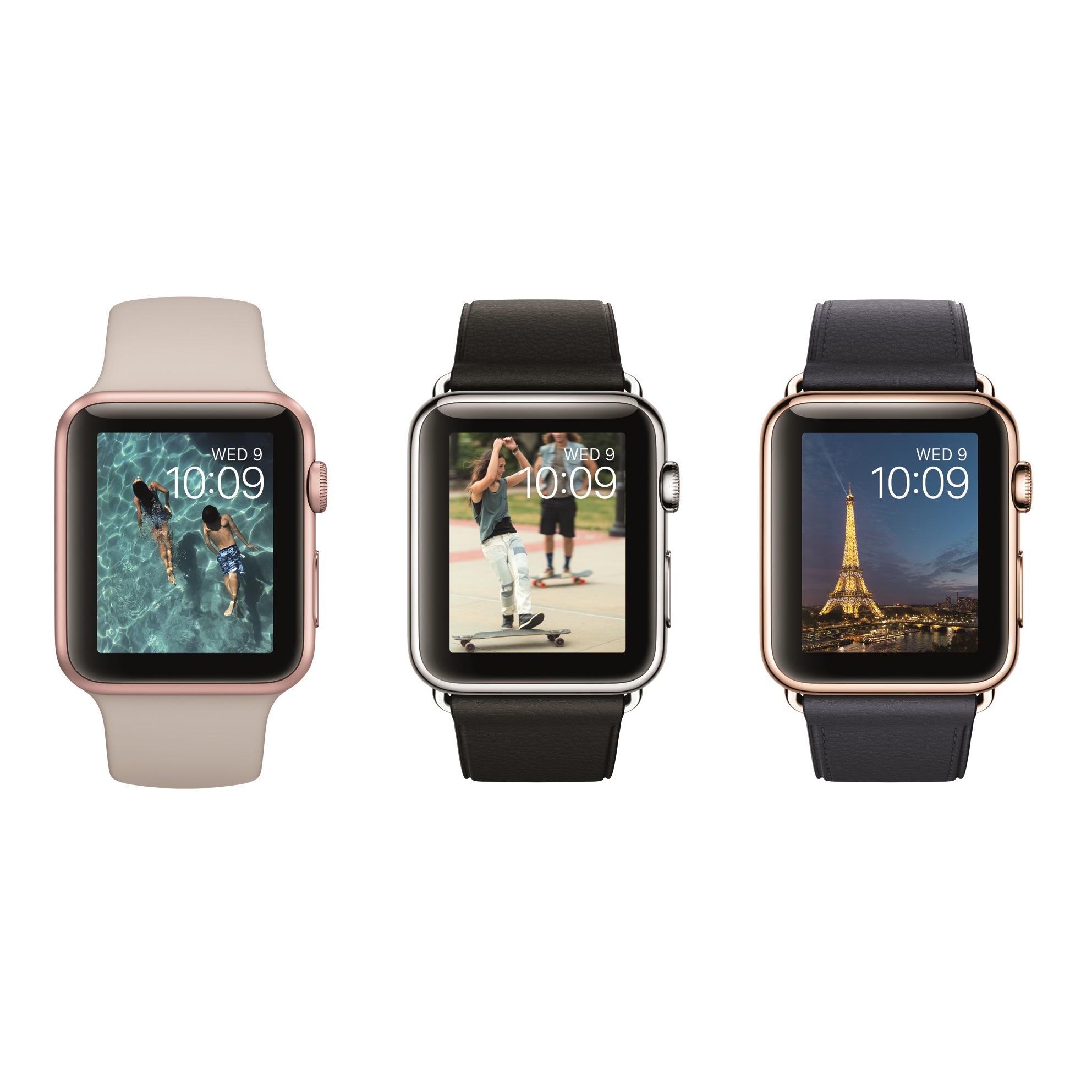
[cnxvideo id=”655426″ placement=”ros”]Apple Inc. (NASDAQ: AAPL) helped conduct a recent survey using the Apple Watch, in an effort to track, record and document seizures in participants with epilepsy. This was a 10-month survey and roughly 1,500 seizures were recorded throughout the process. Ultimately the data collected from this study could prove to be useful in understanding epilepsy and what may trigger seizures.
Overall, 598 participants signed up to track their seizures with the app EpiWatch–built by Thread Research, among other apps to remotely collect patient data. In terms of the breakdown, 40% of the group tracked 1,485 seizures, with 177 participants reporting what triggered these events.
When participants felt that a seizure was building, they would open the app on the Apple Watch, which would begin to record their heart rate as well as data produced from the accelerometer and gyroscope for 10 minutes.
[nativounit]
During this time, the app promoted users to respond for reflex and awareness testing. After the seizure, participants would record what type of seizure they had, the aura, loss of awareness and potentially what triggered the seizure.
According to the data, stress was tied to 37% of seizures and sleep deprivation accounted for 18%. Menstruation made up for 12% and overexertion for 11%. Other notable triggers included diet, missed medications and fever or infection.
Gregory Krauss, M.D., Johns Hopkins Professor of Neurology and author of the study, commented:
The data collected will help researchers better understand epilepsy, while helping people with epilepsy keep a more complete history of their seizures. The app also provides helpful tracking of seizures, prescription medication use and drug side effects —activities that are important in helping people manage their condition.
Krauss added:
Seizures are very unpredictable. Our eventual goal is to be able to use wearable technology to predict an oncoming seizure. This could potentially save lives as well as give people with epilepsy more freedom. The data collected in this study helps us take a step in that direction.
Further data for the study will be presented at the American Academy of Neurology’s 69th Annual Meeting in Boston on April 22-28.
Shares of Apple were trading at $136.60 midday Thursday, with a consensus analyst price target of $140.14 and a 52-week trading range of $89.47 to $137.48.
[wallst_email_signup]












 Top Gaining Stocks
 Top Losing Stocks