


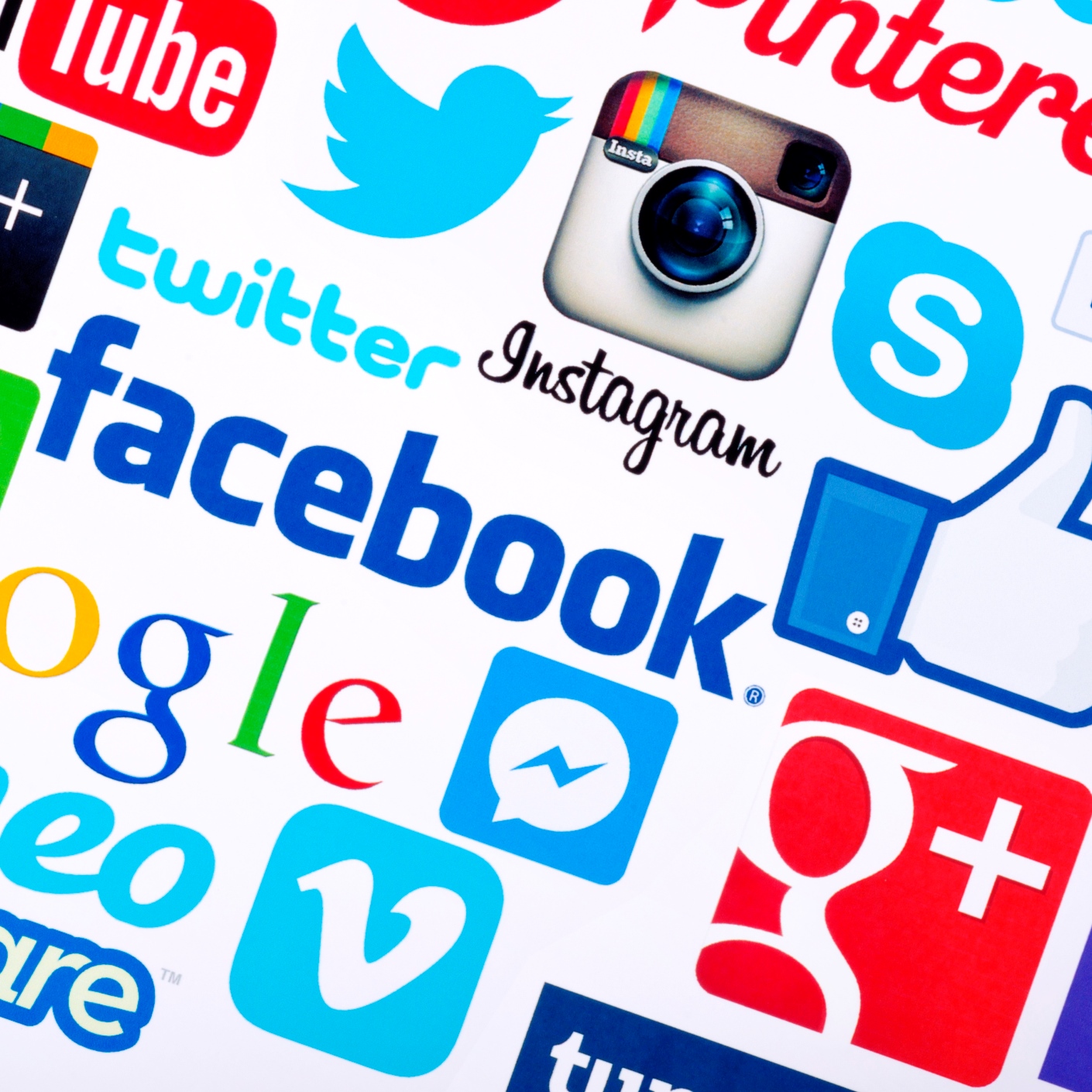
Nearly half (40%) of millennials use the news feed at Facebook Inc.’s (NASDAQ: FB) social media site as their source for news. That’s far higher than the percentage that uses Twitter (16%) or Instagram (4%). All other news sites garnered the remaining 40%.
A survey by LendEDU, a marketplace for student loans and student loan refinancing, asked nearly 6,000 millennials (ages 18 through 34) to answer the question: “What do you use for your news source?” Facebook was the sole choice among 40% of respondents.
Nearly nine out of 10 (88%) of millennials between the ages of 18 and 29 use Facebook. A full 84% of Americans between the ages of 30 and 49 also use Facebook, according to a report from Pew Research. Even though the ages don’t match up exactly, it’s a pretty safe guess that at least 80% of millennials use Facebook.
[nativounit]
In its report, LendEDU noted:
Nearly half of all millennials are using Facebook as their go-to news source, and Facebook is flooded with fraudulent stories. When considering fake news has become more rampant after [Facebook CEO Mark] Zuckerberg’s “crackdown,” a healthy portion of millennials must be reading phony articles daily. …
In many cases, Facebook’s fake news articles either totally slant to one side of the ideological spectrum, or unfairly bash the opposing side. By answering “other news sites,” the respondents are saying they go to specific outlets that may possibly be telling them what they want to hear. In total, 80 percent of millennials could be subjected to fake content on Facebook or possibly going to a partial news site, a deadly combination that will further divide the generation and discourage objective political behavior.
Facebook came under fire during the 2016 election campaign for allowing users to post fake news stories, prompting the company to devise a plan for fact-checking posts to the site and identifying fake news. The effort has so far had mixed results, due mostly to the sheer volume of material that gets posted to Facebook every day.
The shelf life of a fake news story is measured in hours, not days or weeks. The story is posted, it gets passed along, and then goes silent. Unless the fact-checking is done immediately after the story is posted and is immediately tagged as fake, there is not much Facebook can do to stop the fake story from spreading. And even if it could immediately squash a story as fake, would that be allowed (in the United States at least) under freedom-of-speech laws?
The Lend EDU report is available at the company’s website and The Guardian has a recent story on the effectiveness of Facebook’s battle against fake news.
[wallst_email_signup]











 Top Gaining Stocks
 Top Losing Stocks