


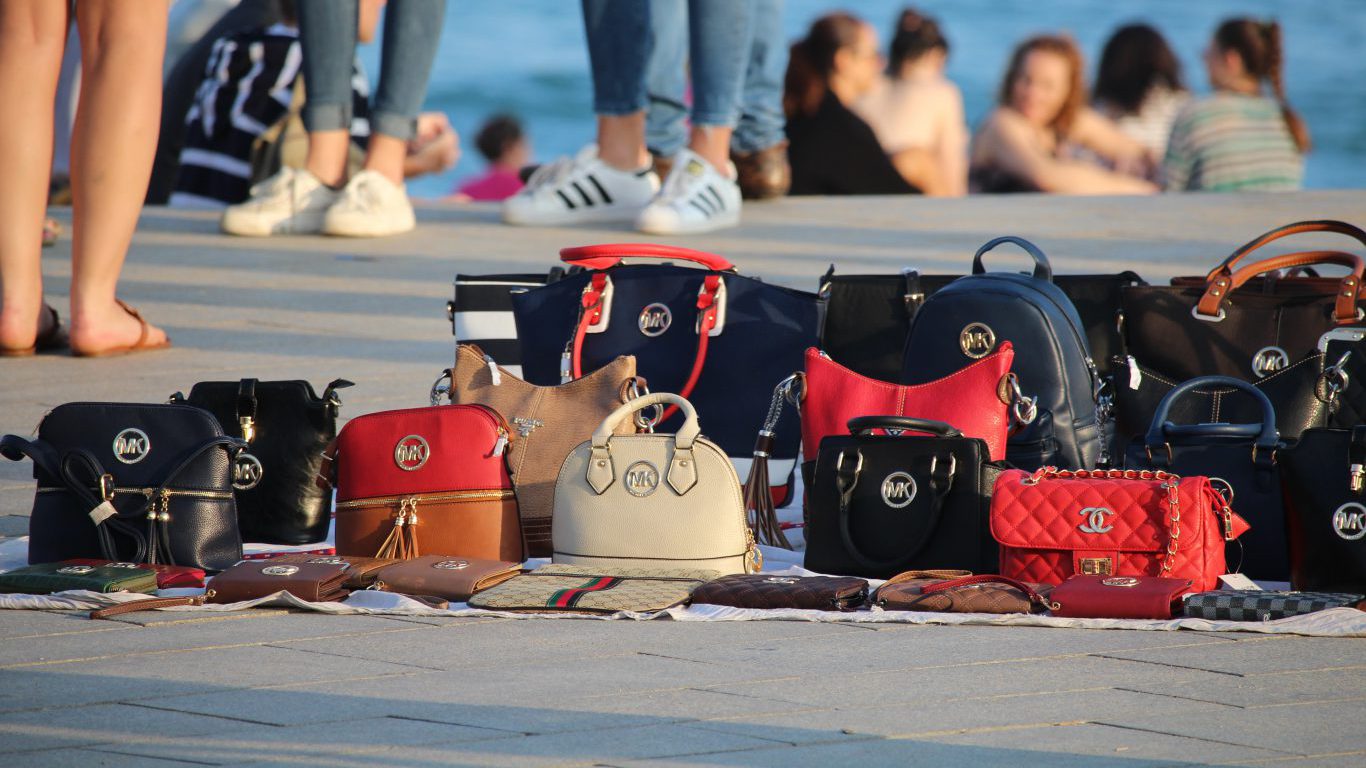
Unknowingly buying a counterfeit product online is easy to do. So easy, in fact, that nearly one-third (31%) of worldwide shoppers says that they have unwillingly bought a counterfeit product online. It gets worse.
Of that third, half say they have been tricked more than once. More than a third (34%) said they were victimized two or three times, 11% said they had bought fake goods three to five times and 5% said they had made more than five fake purchases online.
The data were collected in a survey conducted for Mark Monitor, a brand protection firm, and reported by eMarketer last week.
While it’s tempting to blame the victims — especially someone who’s been defrauded more than five times — the fact remains that brands (and online marketplaces) do relatively little to protect consumers. Some 86% of survey respondents said brands should do more to protect consumers from buying fakes. That should be a no-brainer from a brand’s perspective, but in practice trying to curb sales of fake goods is a frustrating and expensive game of whack-a-mole.
[nativounit]
Not only do counterfeiters take advantage of the brands they imitate, they rely on consumers’ trust in online marketplaces like Amazon, eBay and Walmart. As online newsletter The Counterfeit Report noted last week, counterfeiters are expected to haul in $1.7 trillion from sales of fake goods this year and online marketplaces are complicit because they have “chosen to enable, facilitate or directly participate in the sale of an inexhaustible supply of fake goods.”
The Counterfeit Report suggests keeping the three Ps in mind when you shop online:
- Price: If that Louis Vuitton handbag is lots cheaper than you’ve seen elsewhere, it’s likely a fake. As in so many other parts of life, if something is too good to be true, it probably isn’t.
- Packaging: Fake goods are often packaged in boxes and packaging that look significantly different from the real thing and that often contain spelling and grammatical errors. Another red flag: an item advertised online as “Genuine” or “Authentic” probably isn’t.
- Place: As The Counterfeit Report notes, “Consumers who want a guaranteed authentic items should buy directly from the manufacturer’s website, or actual manufacturer if they maintain a listing on Amazon.” Nike, for example, has its own branded store on Amazon to help protect consumers from buying fake Nike gear.
By 2022, counterfeiting and piracy (of intellectual property) are expected to siphon $4.2 trillion from the global economy, and not just on luxury handbags and shoes. Counterfeiters also sell fake food and beverage products, household goods and even medicines.
While brands have a responsibility to protect themselves and their consumers, online merchants also need to do more. After all if barely a third unknowingly bought a fake online, that means that two-thirds knew they were buying a fake and did it anyway. Brands really should care about that and should put pressure on merchants to care about it too.
[recirclink id=418159]
[wallst_email_signup]










 Top Gaining Stocks
 Top Losing Stocks