


By Gene Munster of Loup Ventures
- Bloomberg reported on April 23rd that Amazon was working on a home robot, but specific use cases of the robot were unclear.
- Based on what we know about Amazon’s commerce strategy, filed patents, product speculation, and competitive landscape we believe Amazon’s robot would have a bigger vision than helping clean floors.
- We expect Amazon to release a home robot in 2020, which will be centered around Alexa.
- Initial use case will likely include a movable digital assistant used for home monitoring and entertainment, but longer-term, the robot could further help Amazon understand consumer brand preference, improve consumer replenishment, and perform autonomous package deliveries.
On April 23rd, Bloomberg reported Amazon was working on a home robot. According to this article, the project is known as Vesta and is being developed in the company’s Lab126 hardware division, which is responsible for building the Amazon Echo. Bloomberg said Amazon is hoping employees can test the robot in their homes by end of 2018, with a launch possibly in 2019. However, Amazon has not commented on the speculation, and the Bloomberg piece highlighted there is still a lot of uncertainty around what the specific use cases of the robot will be.
We expect Amazon to release a home robot in 2020, and are encouraged they are entering the home robotics space because of the market opportunity it represents. Based on Amazon’s commerce strategy, filed patents, product speculation, and the competitive landscape, we believe Amazon’s purpose of releasing a home robot includes a bigger vision than helping consumers with household chores.
[nativounit]
What will the Amazon robot do? We believe Amazon’s robot will be built around Alexa, given its AI and human interface capabilities available today. The initial applications will likely include a movable digital assistant used for home monitoring. However, it is likely that Amazon’s ambition in the home robotics space is grander and more strategic than building a mobile Alexa. Placing a robot that will incorporate advanced computer vision and mobility systems will allow Amazon to create a 3D map of a home. By maintaining a 3D map, this means Amazon (pending privacy restrictions) could know what type of products are in your house and monitor usage rates of household products. This could further help Amazon understand consumer brand preference, and allow consumers to better replenish goods when they need them, as well as pursue new product opportunities such as furniture, home appliances, etc.
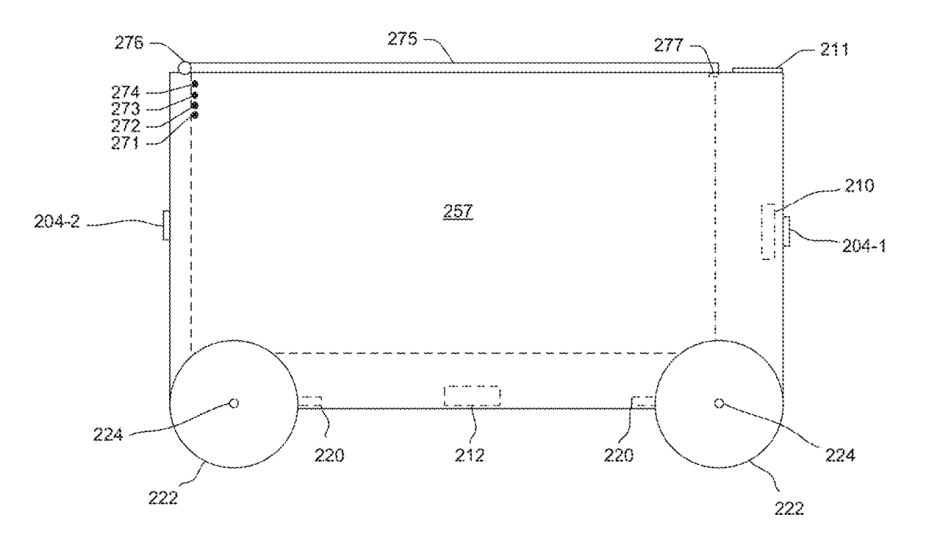
In addition, Amazon’s robot could open up new market opportunities. According to The Information, Amazon has considered offering home insurance. By having real-time monitoring of homes, the Amazon robot could monitor and notify a human in instances of theft, fire, or in-home hazards (i.e. an infant wondering near stairs), thereby mitigating the cost of a claim and lowering premiums. Lastly, Amazon has highlighted they want to deliver packages to your home when you are not there. We feel consumers would be more comfortable letting couriers into their homes if a robot could monitor the drop-off. Further, as crazy as this sounds, Amazon could eventually have these robots leave the house and go pick up packages for consumers from delivery trucks or fulfillment centers. This approach is based on an Amazon patent (here) filed last year introducing a concept where a robot retrieves items from transportation vehicles for delivery to specified locations. These robots may be owned by individual users and/or may serve a group of users in a given area.
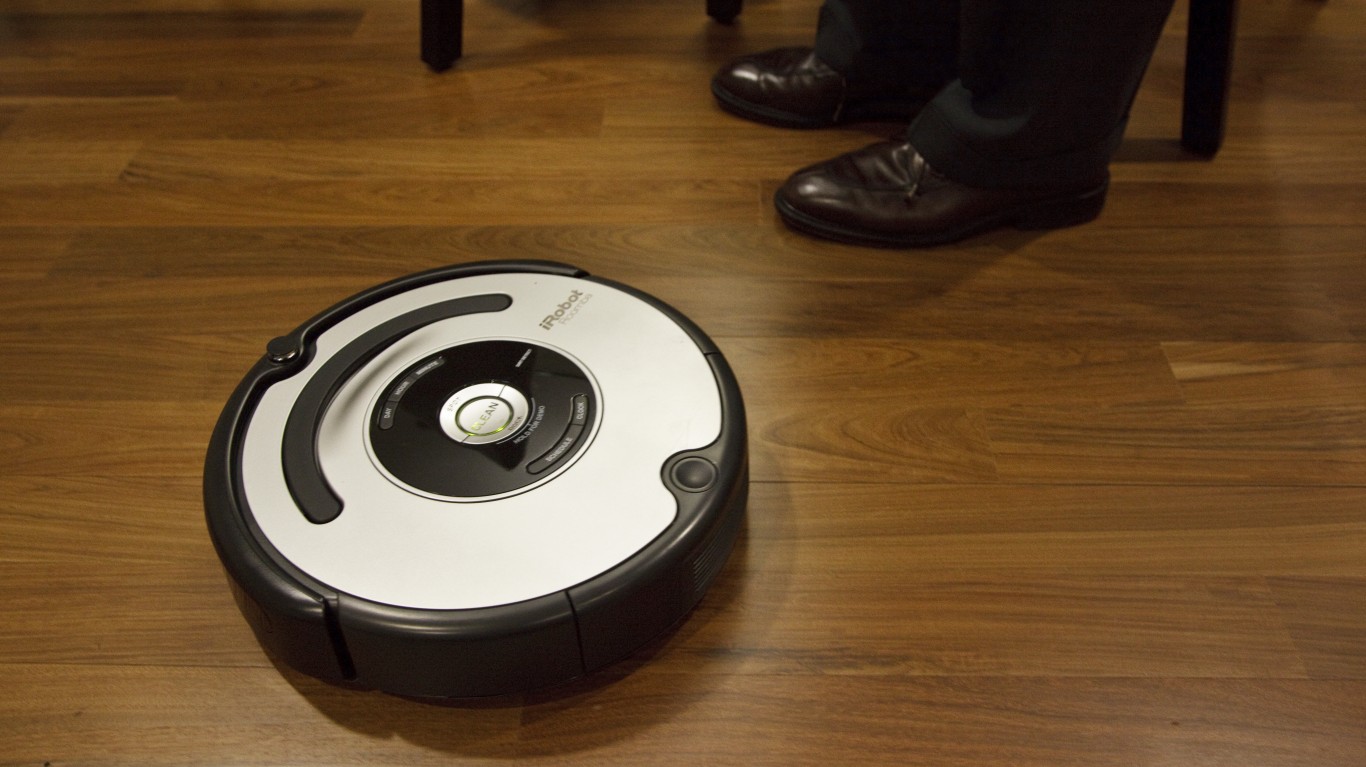
Why not release a robotic vacuum or mop? Given the lack of public information on this initiative, there’s a chance that Amazon does, in fact, release a robotic vacuum and mop, because that market is still nascent and has measurable growth potential over the next decade. We think this is less likely given the robotic vacuum and mop market is already competitive (lead by iRobot, Neato, and Samsung), and does not line up with Amazon’s mission of taking friction out of commerce.
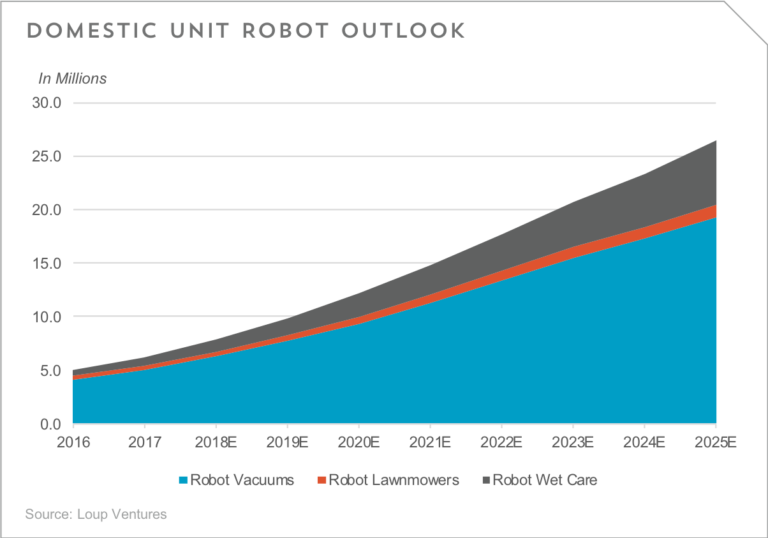
Domestic robot market. In 2017, there were 6M robots sold globally, up 24% from the prior year, and the total market value grew 23% y/y to $1.7B. By 2025, we estimate that over 26M domestic units will be delivered, representing a 21% 10-year (2015 – 2025) CAGR and a market reaching $5.7B.
Disclaimer: We actively write about the themes in which we invest: virtual reality, augmented reality, artificial intelligence, and robotics. From time to time, we will write about companies that are in our portfolio. Content on this site including opinions on specific themes in technology, market estimates, and estimates and commentary regarding publicly traded or private companies is not intended for use in making investment decisions. We hold no obligation to update any of our projections. We express no warranties about any estimates or opinions we make.
[recirclink id=469109]
[wallst_email_signup]













 Top Gaining Stocks
 Top Losing Stocks