


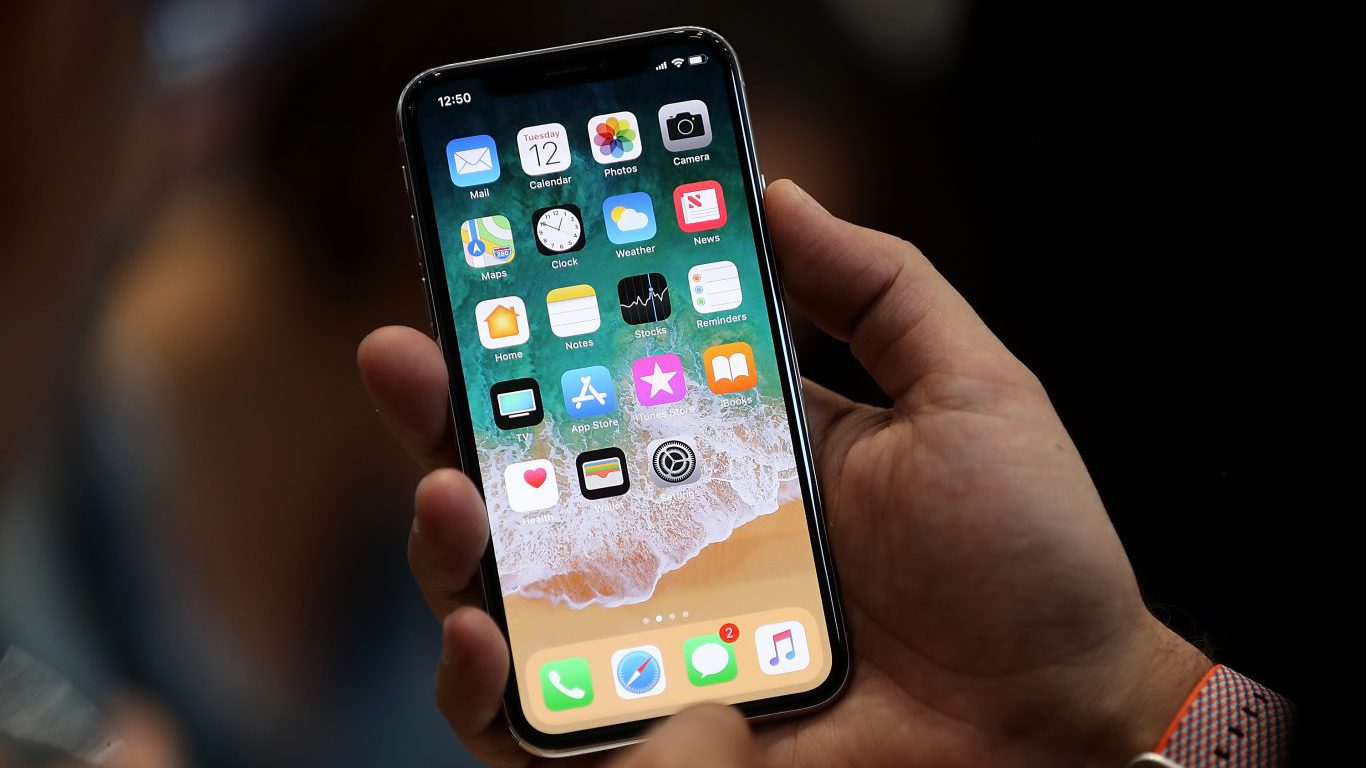
Now that the new Apple Inc. (NASDAQ: AAPL) products have been launched and shipments have begun, it might be a good time to look at another presentation at Apple’s event last week. Lisa Jackson, for U.S. EPA Administrator and now Apple’s vice-president of environment, policy, and social initiatives, outlined a goal for the company to eliminate the digging up more new materials to build its products.
To reach that goal Apple needs to do three things according to Jackson: source recycled or renewable materials for all its products; make products that last as long as possible; and, after that long life, make sure the products are properly recycled.
Most of us didn’t pay a lot of attention to Jackson’s presentation, but long-time Apple watcher Horace Dediu of Asymco did. In a blog post following the event, Dediu said he thought that the second point “would bring the house down.”
[nativounit]
But not necessarily in a good way:
At this point in the presentation I wondered if everyone would rush out of the room and call their broker to sell Apple shares. One premise of investing in durable goods hardware companies is that value depends on frequency of upgrades. If products are not replaced frequently they do not generate revenues and the company selling them ends up growing very slowly if at all after markets saturate.
If iPhone owners don’t replace their phones every year or two, how can Apple survive? Making products that last longer is not good for business. Dediu’s take:
Fundamentally, Apple is betting on having customers not selling them products.
The purpose of Apple as a firm is to create and preserve customers and to create and preserve products. This is fundamental and not fully recognized.
In concrete terms, a $1,200 iPhone that is used twice as much each day and lasts twice as long as a $600 model delivers four-times the utility at twice the price. That’s essentially a half-price phone says Dediu: “By making more durable products, both in terms of hardware and software, the customer base is satisfied and preserved.”
A long-lasting iPhone may have two or three owners over the course of its useful life and that expands Apple’s customer base by twice or three times. And only Apple can do it:
This is a hardware-as-platform and hardware-as-subscription model that no other hardware company can match. It is not only highly responsible but it’s highly defensible and therefore a great business. Planned obsolescence is a bad business and is not defensible.
Apple’s sustainability plan could still be a tough sell to investors, but it could be more important to its growth than new augmented reality products or self-driving car technology.
[recirclink id=493119]
[wallst_email_signup]







 Top Gaining Stocks
 Top Losing Stocks