


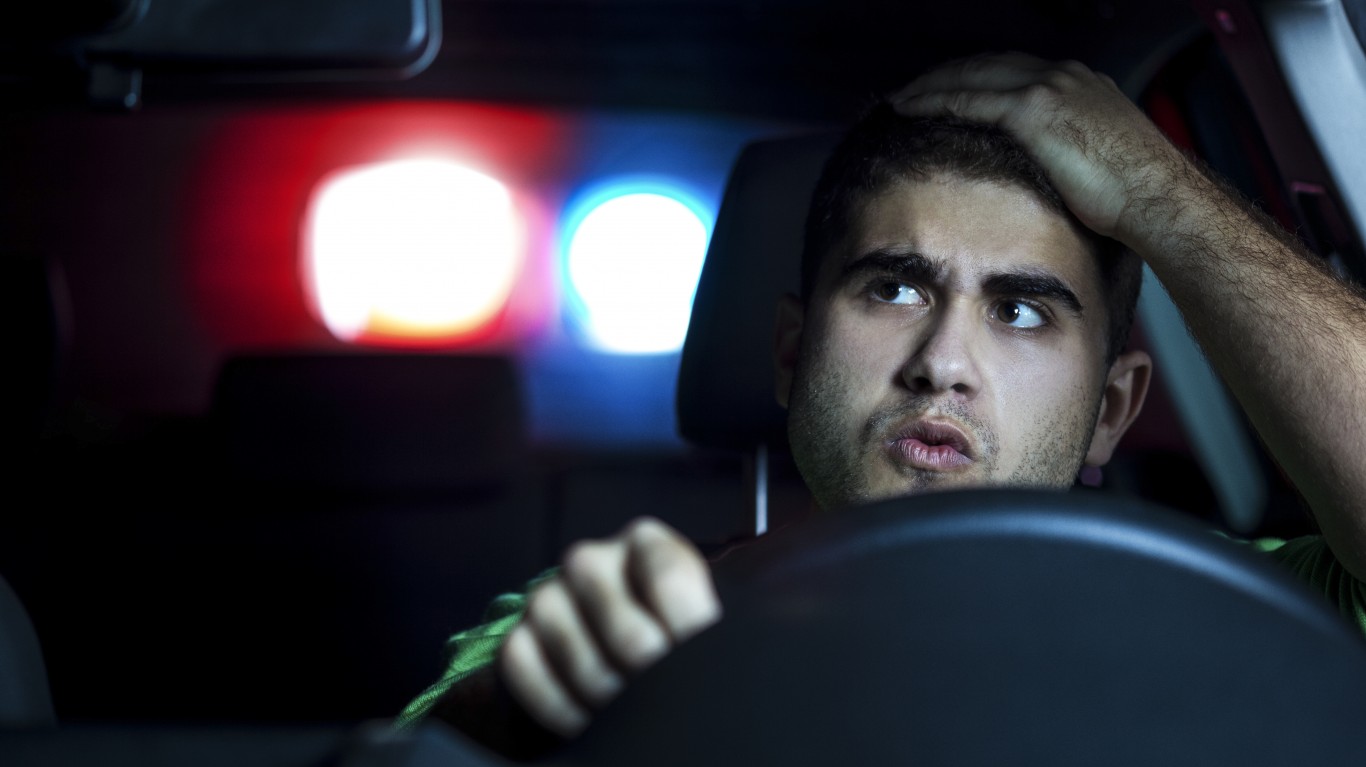
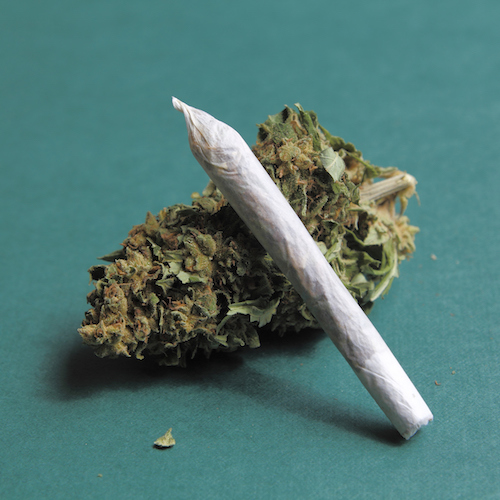
Marijuana-using drivers beware: A new device can help the police determine whether or not you’re high behind the wheel.
We all know that we shouldn’t drive drunk, or let our friends have the car keys if they’ve had one too many, and we all know about breathalyzers and other sobriety tests administered to suspected drunk drivers by law enforcement. Nationwide, some 30% of all driving fatalities involve alcohol, but this is nearly 50% in a few states with the most excessive drinking. These are the drunkest states in America.
Until now, though, there has been no foolproof roadside method to detect a state of drug intoxication.
[nativounit]
According to Narconon, an AA-style drug rehabilitation organization, signs of marijuana abuse include bloodshot eyes, euphoria or unwarranted laughter or glee, increased appetite, and foggy memory.
There may be other causes for many of the usual signs, however, so how can officials tell for sure that a driver is impaired because of marijuana use and not simple fatigue, random giddiness, or missed meals?
One method, used by groups like the California Highway Patrol, is to put suspected offenders through the same field sobriety tests — judging physical coordination and mental acuity — used for suspected drunk drivers. Some law enforcement agencies also have a Drug Recognition Expert who can be summoned to the scene to perform a quick roadside assessment and then, if necessary, conduct further tests at the station.
[recirclink id=563342]
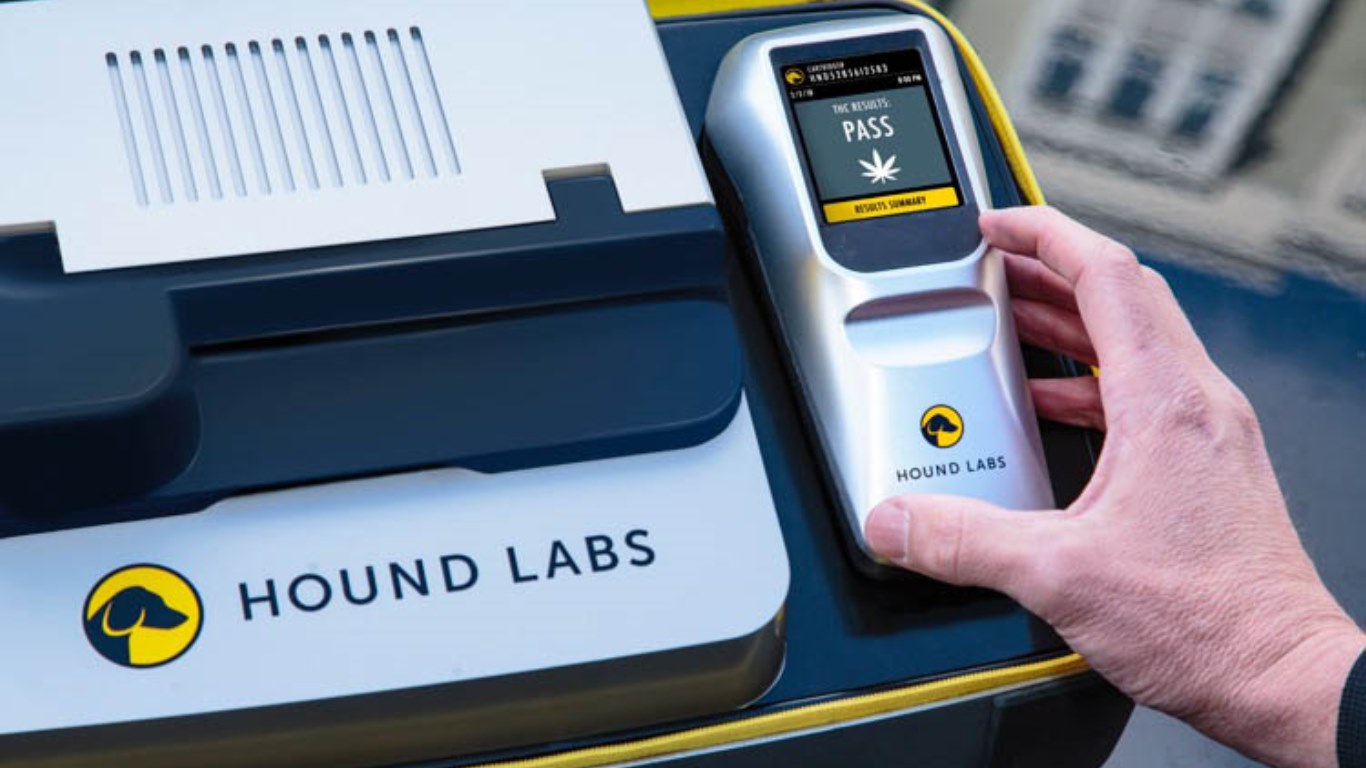
The new tool available to police, which will allow faster assessment of a driver’s state, is called the Dräger DrugTest 5000. Using a mouth swab to determine whether a driver is high on weed, it has already been employed at checkpoints in Los Angeles, San Diego, and New York City, and in parts of Arizona and Nevada. These tests may become more and more necessary for law enforcement as legalized pot has given rise to several multi-billion dollar businesses in the U.S. These are America’s largest marijuana companies.
The device can also detect the presence of cocaine, opiates, methamphetamine, amphetamine, methadone, and benzodiazepines in the bloodstream, though it can’t detect the amount. This may not always matter, as some 16 states have zero-tolerance laws making it a crime to drive with any measurable drug presence in the body, marijuana or otherwise.
[wallst_email_signup]







 Top Gaining Stocks
 Top Losing Stocks