


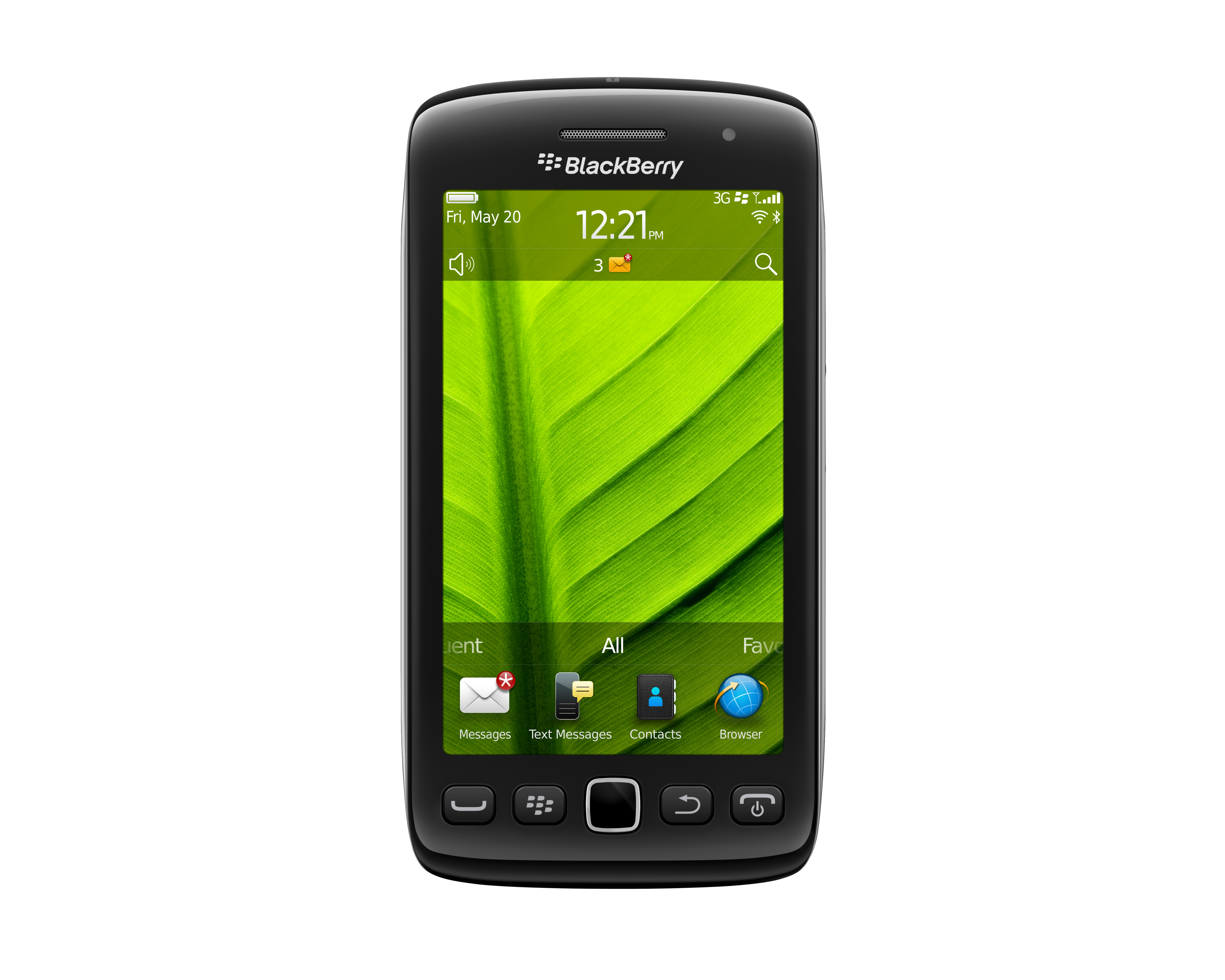
An analyst at Sterne Agee has noted that RIM continues losing large customers for its current lineup of BlackBerry phones. The competition from Apple Inc. (NASDAQ: AAPL), Google Inc. (NASDAQ: GOOG) is just too stiff.
But the company hopes that it can compete successfully with Microsoft Corp. (NASDAQ: MSFT) for third place in the smartphone wars, and so do the carriers. As Sterne Agee’s Shaw Wu puts it:
Carriers are growing increasingly leery with the growing dominance of AAPL’s iOS and GOOG’s Android and have been looking for a viable 3rd or potentially 4th platform with the hope that either BlackBerry 10 and/or Windows Phone 8 takes off.
The big reason, of course, is the enormous subsidy that carriers have to pay to Apple for each iPhone. The Android-based phones from Google do not require the same subsidy, but the diffusion in the Android market is a support nightmare. Another captive platform, like BlackBerry 10, would be much easier to support.
RIM’s problem is developer support. As Wu notes:
So far, developer support and customer adoption has been tepid so we will need to see if carrier hope wins out. Currently, there are about 105,000 apps for BlackBerry vs. 700,000 for iOS and Android each and about 120,000 for Windows Phone. But it’s not only the number of apps, it’s the quality of apps and whether developers are making money and customers are using them.
And another large issue is RIM’s business model according to Wu. We wonder will the company try to attack the corporate market again, or will it make a concentrated effort at the consumer market? Will the company try to poach market share from Apple and Google in the United States or will it aim lower-priced products at the emerging economies of Asia? Does anyone care?
Investors apparently think that the company is on the right track. Shares are up 8% in the past month, small comfort for a drop of about 54% in the past 12 months. Shares are trading up slightly today (0.12%) at $8.41 in a 52-week range of $6.22 to $19.95.
Paul Ausick





 Top Gaining Stocks
 Top Losing Stocks