



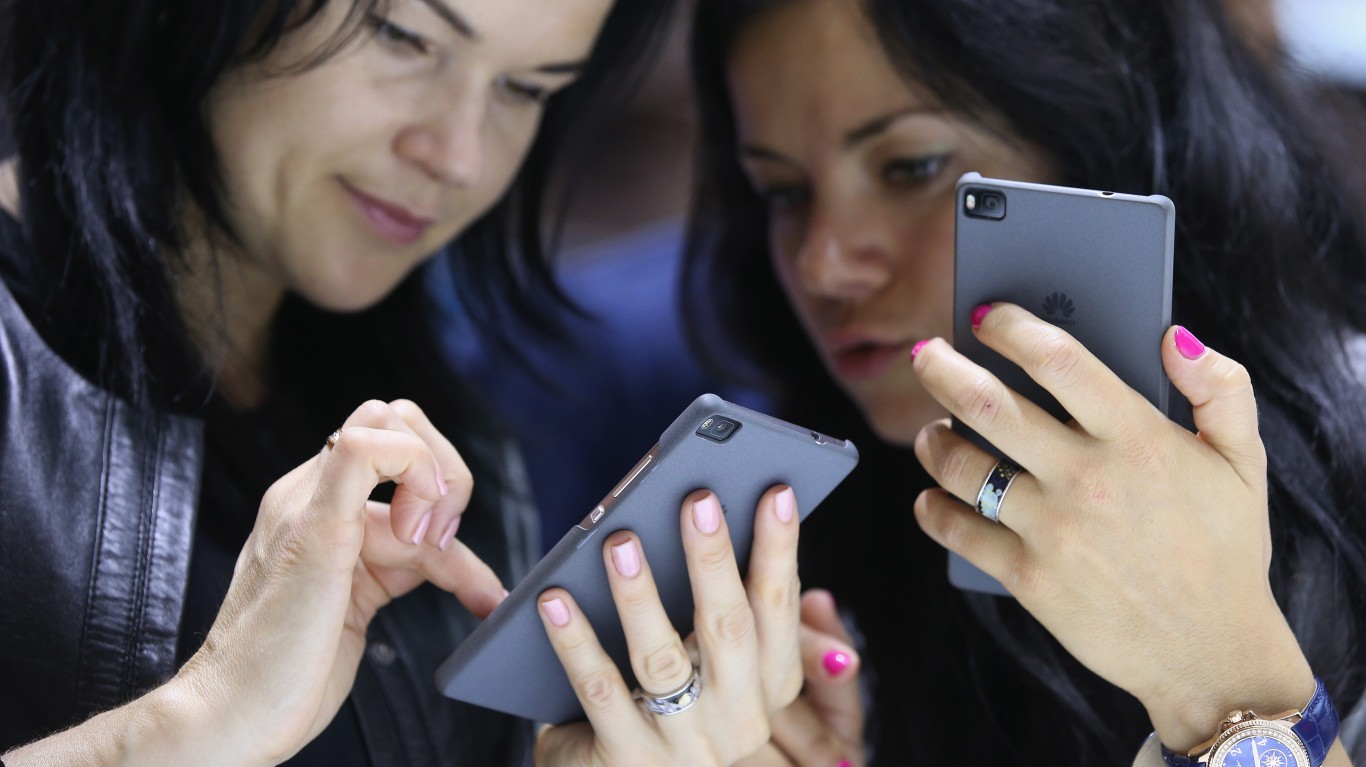
[cnxvideo id=”655223″ placement=”ros”]The number of people who use connected 4G devices in China reached 770 million last year, well over two times the U.S. population. No wonder it has become a bloody battleground for markets of smartphones.
According to the People’s Daily:
The number of 4G users in China reached 770 million by the end of 2016, accounting for 58 percent of all the country’s mobile phone users, said Zhang Feng, spokesperson and chief engineer for the Ministry of Industry and Informational Technology, at a news briefing in Beijing on Feb. 17.
China has made great progress in the research and development of TD-LTE, the nation’s fourth-generation (4G) telecommunications technology, even forming a relatively complete industry chain that includes the 4G system, terminals, chips and meters. 4G technology has achieved industrialization and global commercialization. China’s TD-LTE-Advanced has been accepted as a standard for 4G around the world.
[nativounit]
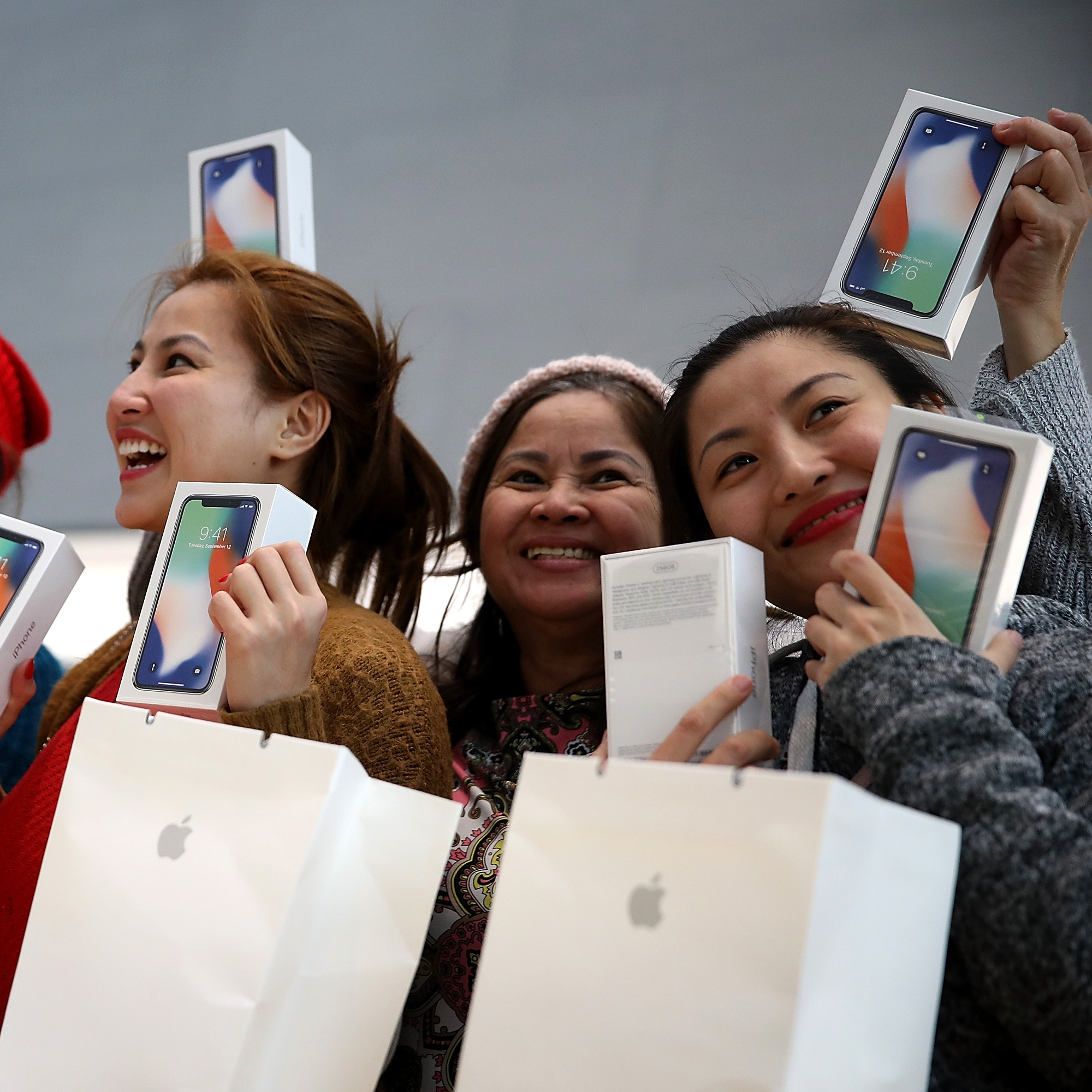
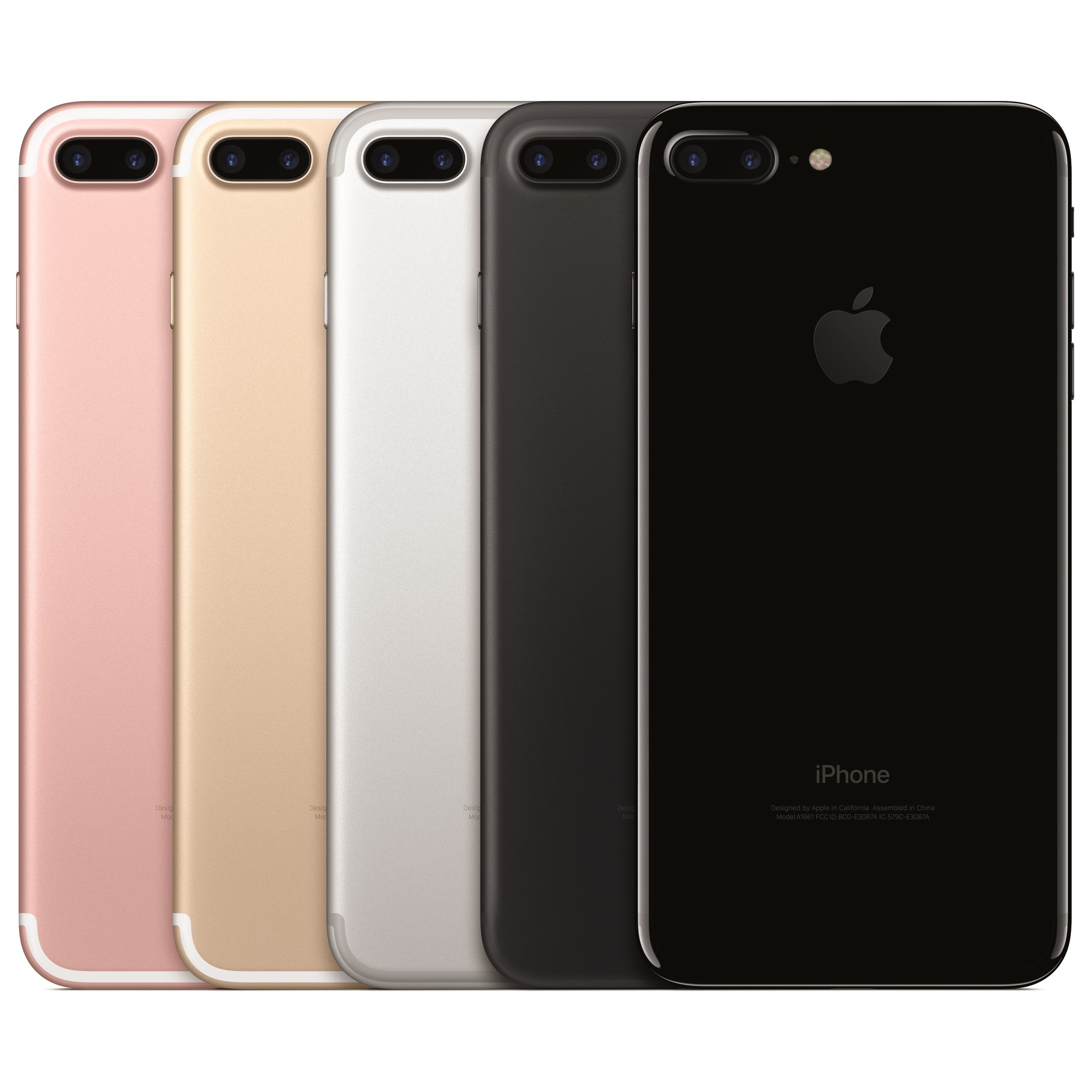
Companies based outside of China have tried, with some success, to break in to the smartphone market in China. First among these are Samsung and Apple Inc. (NASDAQ: AAPL). Each has done relatively well but faces a trio of entrenched local companies. According to research firm Canalys:
[I]n 2016, Huawei took the top spot in the market with 76.2 million shipments, a small lead ahead of runner-up Oppo with 73.2 million units, followed by Vivo in third place at 63.2 million units. The smartphone market recovery was driven by several factors. Leading domestic manufacturers Huawei, Oppo and Vivo invested heavily in new product and channel developments. Canalys Research Analyst Jessie Ding said “In 2016, the top three brands were competing with new product launches, go-to-market strategies and brand building. Also, their flagship products started to contribute to a much larger part of their total shipments and created a halo effect for the rest of the portfolio, like Samsung and Apple.”
Apple has fallen to fifth place in the race.
China’s smartphone market is not entirely mature like that of the United States. And it has just started work on 5G networks. Market share remains critical in China, particularly for the current “losers” like Apple, but at least the pie is growing.
[wallst_email_signup]








 Top Gaining Stocks
 Top Losing Stocks