



Cable giant Charter Communications Inc. (NASDAQ: CHTR) said it won’t buy troubled wireless carrier Sprint Corp. (NYSE: S). As an antidote to the rebuff, Sprint’s controlling shareholder, SoftBank, may make an offer for Charter. It would be a major move for Softbank’s empire-building chairman, Masayoshi Son. SoftBank is one of the largest tech companies in Japan.
Son has the purchasing power to buy Charter. In May, Son’s new Vision Fund closed in on raising its target of $100 billion. However, much of the purchase price would have to be made by SoftBank because it would become Charter’s direct parent. Charter’s market cap is just over $100 billion, so SoftBank may be unable to get bankers to load its balance sheet with more financial obligations.
Bloomberg points out that a merger of Sprint and Charter would marry the number four wireless carrier and number two cable companies in the United States. Deals within the telecom and cable sector are nearly commonplace. Time Warner Inc. (NYSE: TWX) spun out Time Warner Cable in 2009. Charter bought Time Warner Cable in 2015 for $78 billion. Time Warner itself is being bought by AT&T Inc. (NYSE: T) for $86 billion so the huge telecom company can own a large library of content to better compete with cable and satellite rivals. AT&T also bought DirecTV in 2014 for $48 billion. AT&T currently markets its wireless products in a bundled package with its satellite TV operations.
[nativounit]
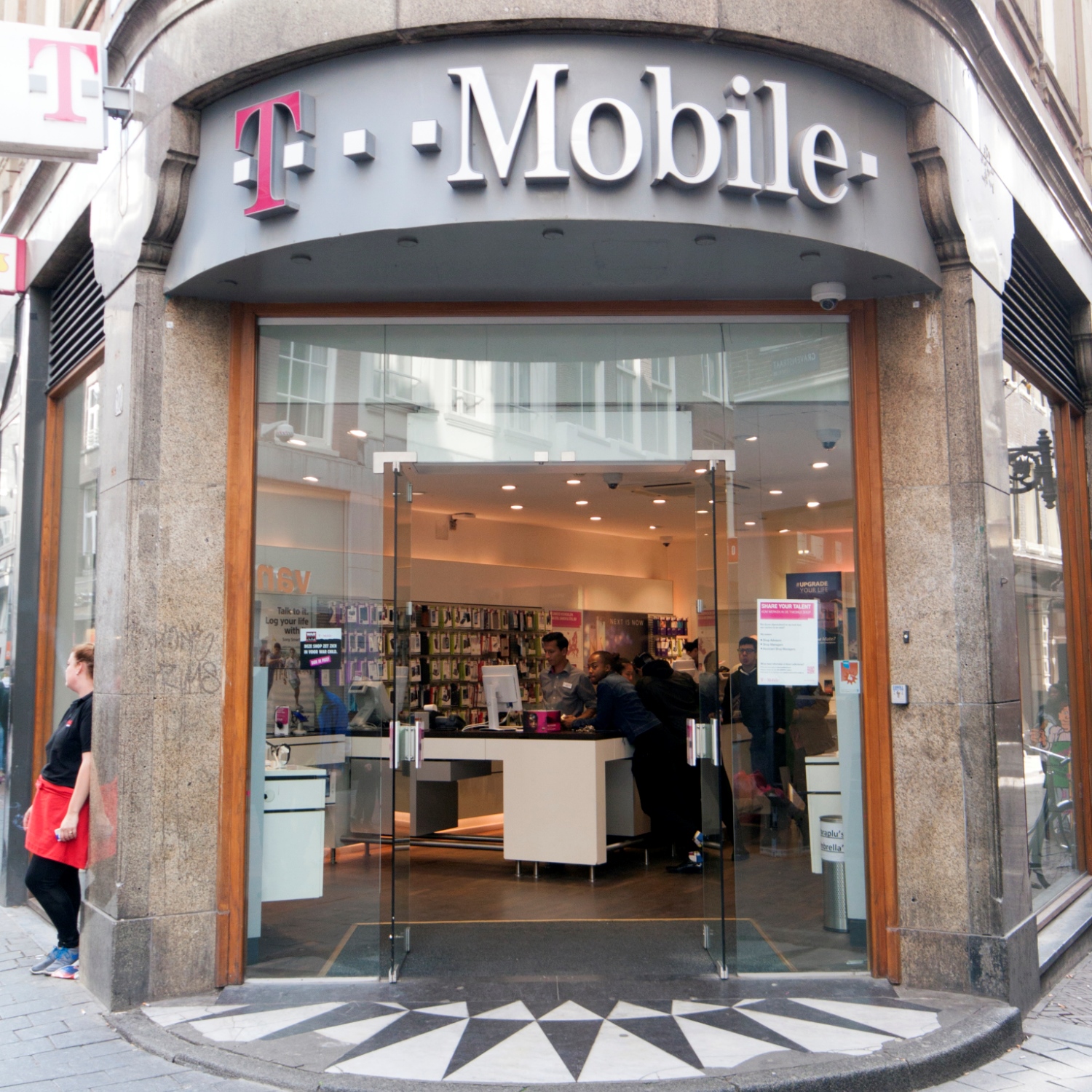
Son wants to have a company that can spin off bundles of services. Sprint would be the wireless part of a consumer package. Charter would be the cable portion. This would offer potential customers “one-stop shopping” for broadband to the home, cable television and wireless services. It might also be the only way troubled Sprint can increase its customer base. T-Mobile US Inc. (NASDAQ: TMUS) passed Sprint to become the number three carrier in the United States in the second quarter of 2015. Each of the companies is much smaller than industry leaders AT&T and Verizon Communications Inc. (NYSE: VZ).
Son’s vision of controlling a communications company that would rival the industry leaders in customer count and revenue follows a formula that has been part of the growth of the industry for several years. His problem is that he may be unable to finance the deal, which would leave him with Sprint and no path to protect its customer base from much larger rivals.
Poor customer service has dogged cable companies for years. That was borne out in the latest edition of 24/7 Wall St.’s Hall of Shame of customer service, as cable, satellite and wireless service providers made up eight of the 15 companies on the list. In fact three of them — Comcast, Sprint and Time Warner — occupy the top three spots.
Poor ratings are more often connected with specific customer service issues at these companies. One issue that explains flagging customer service is the companies operate with little or no competition and are not under pressure to deliver better service. A possible Sprint-Charter merger is unlikely to improve customer satisfaction, since past tie-ups have exacerbated the problems because of fewer competitors.
In the three years 24/7 Wall St. has conducted the Hall of Shame survey, Sprint has been on the list twice.
[wallst_email_signup]







 Top Gaining Stocks
 Top Losing Stocks