



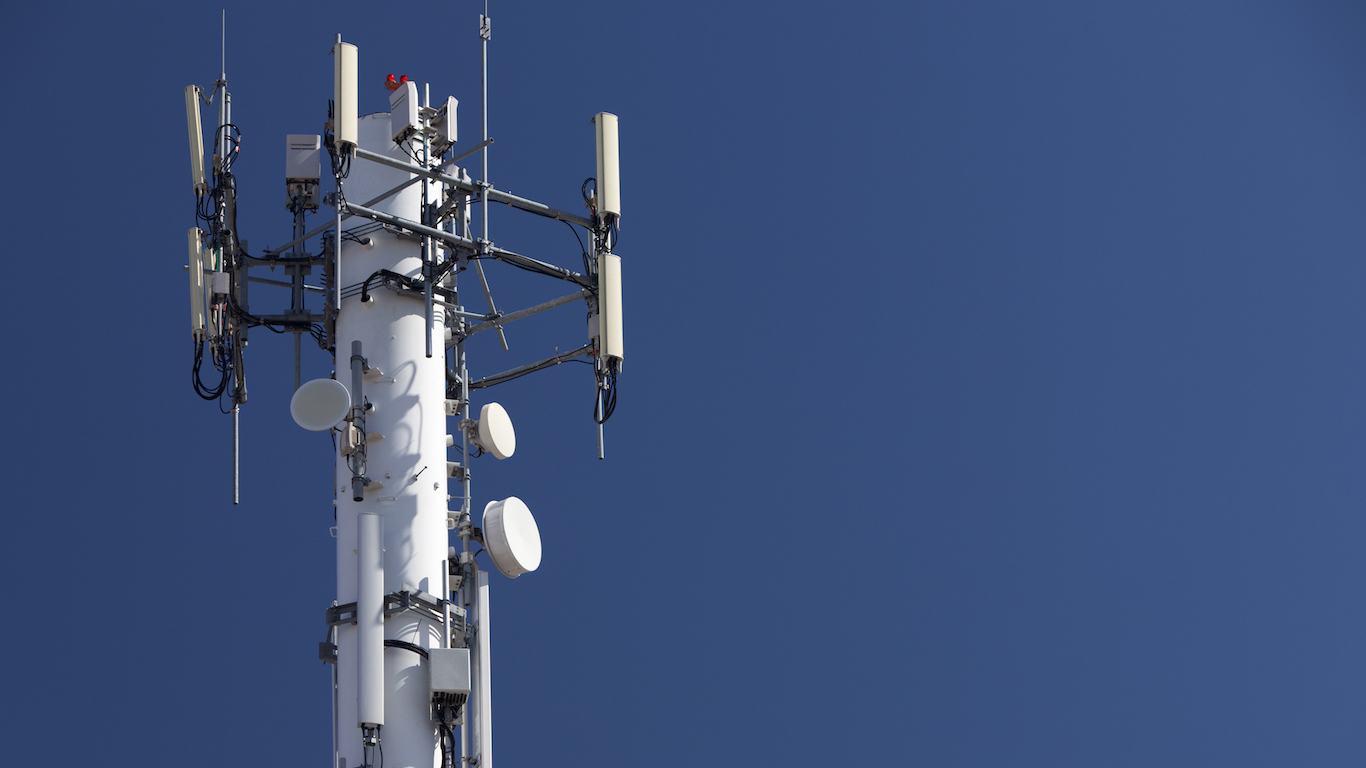
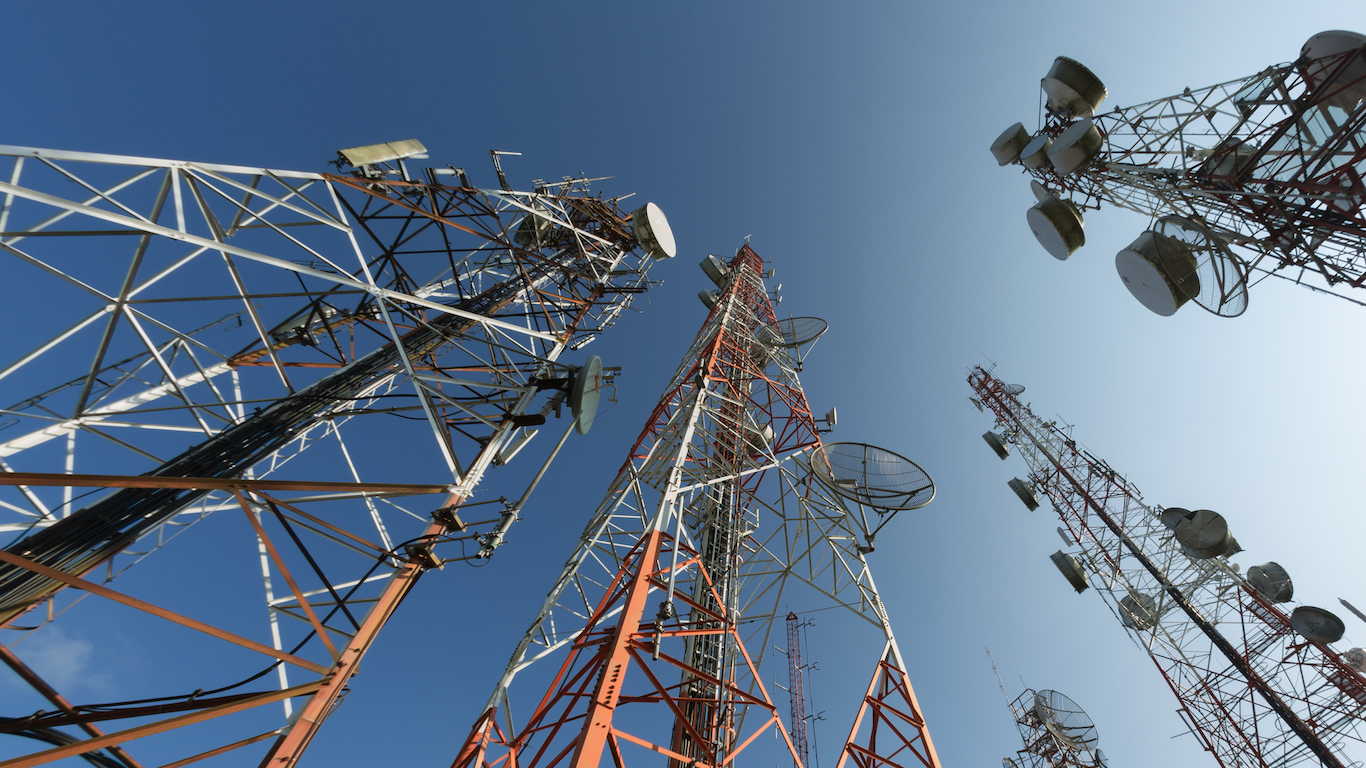
Ultra-fast wireless connections, hard to imagine just years ago, will start to be widely deployed soon, particularly in South Korea and Japan. Known as 5G, these networks will start to replace currently deployed 4G networks. The upgrade will change how people can use mobile devices because the connection speed will be as fast as the fastest broadband most people can buy.
According to TrendForce:
Compared with the 4G mobile networking standard, 5G offers faster data transfer, greater wireless area coverage and lower latency. According to market intelligence firm TrendForce, major vertical markets such as manufacturing, transportation and healthcare will rapidly adopt 5G in addition to the consumer market. For mobile network operators, their traditional telephony and data services are bringing less average revenue per user than before. Thus, upgrading to 5G will help diversify and expand their revenue base.
At least in the American market, where large deployments will happen after 2018, wireless subscription levels have peaked and much of the competition among the large carriers is based on price. This has made the businesses less attractive financially. Price wars to pick up market share show no sign of disappearing. These have been particularly evident in the ongoing changes to price and service packages from leaders Verizon and AT&T.
[nativounit]
Among the possible victims of 5G are wired connections to the home, made primarily via cable and fiber. If services like broadband and high-definition TV programs can be sent and received via wireless, these other services could become obsolete. The decades-old business model of cable TV could be disrupted. It is already in trouble because people are “cutting their cords” to watch shows via broadband and not cable TV program packages. Cable firms like Comcast already face growing battles against the trend.
Another large change the rollout of 5G could cause is the bids for spectrum needed to supply the service. According to PC World, this process has begun:
A U.S. Federal Communications auction of repurposed television spectrum has raised US$19.8 billion and will pave the way for mobile carriers to offer faster and more reliable service across the country.
The 70MHz in new spectrum available will allow carriers to provide fast 5G service in coming years, FCC officials have said. It was the world’s first two-sided auction allowing TV stations to indirectly sell spectrum to mobile carriers and other users of wireless spectrum.
5G will radically change how broadband can be used by consumers and businesses.
[wallst_email_signup]






 Top Gaining Stocks
 Top Losing Stocks