



Oil prices were reaching 52-week highs in late-June and early July of 2014. This level was over the $100 barrel mark at $102.53. Since this time the price of oil had plummeted to a multiyear low of $74.02, and there seems to be no clear bottom in sight, as oil continues to slide lower.
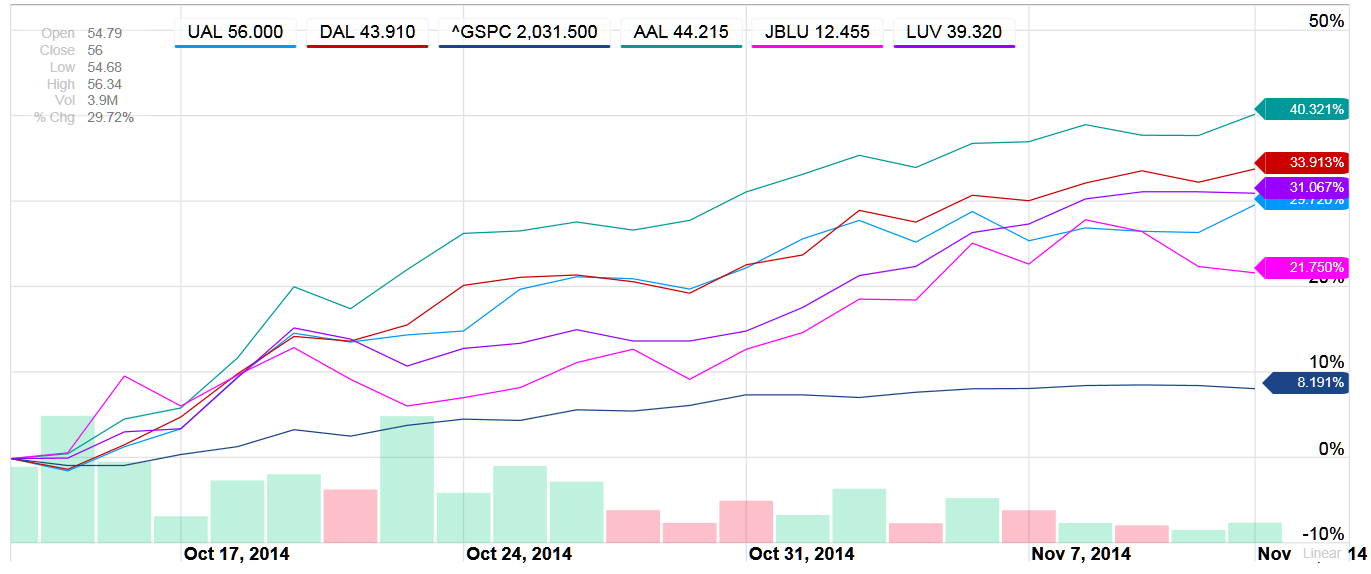
24/7 Wall St. wanted to look at several issues here. First is how much these stock have risen from their lows in October and how that compares to a 52-week high as well. A Thomson Reuters consensus price target from analysts has been included, along with basic trading information. Another inclusion was the market cap of each stock, along with how analysts on Wall Street have the stock valued on a forward price-to-earnings (P/E) ratio compared to 2015 earnings estimates. Lastly, a chart from Yahoo! Finance shows just how much the one-month performance has been when compared to the broader S&P 500 Index.
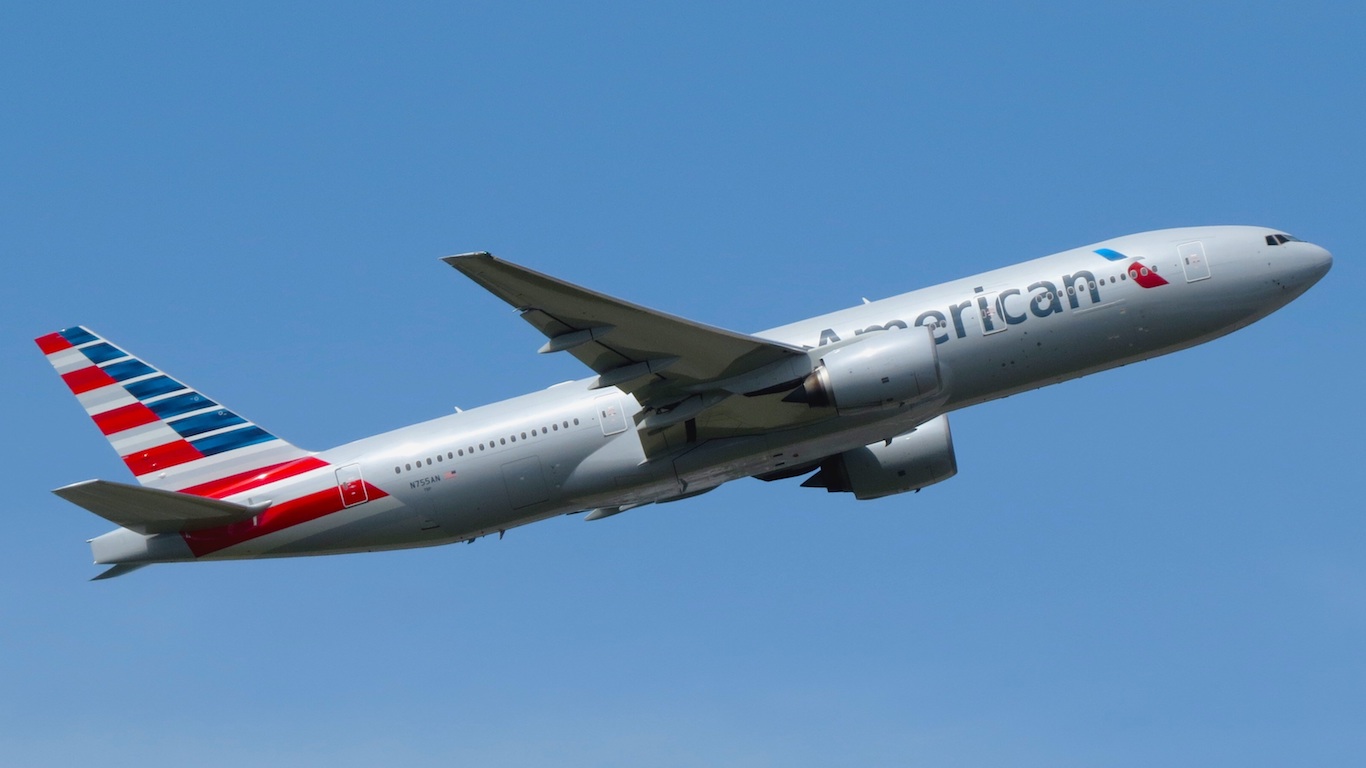
American Airlines Group Inc. (NASDAQ: AAL) shares reached a relative high on the year of $44.47 on November 11, up 58% from the low of $28.10 in the middle of October. Shares traded up about 2% at $44.38 in the last hour of trading Thursday. The stock has a consensus analyst price target of $53.85 and a 52-week trading range of $21.45 to $44.88. The company has a market cap of over $31 billion. American Airlines trades at only about six times expected 2015 earnings.
ALSO READ: Did Warren Buffett Steal Duracell From P&G?
Delta Air Lines Inc. (NYSE: DAL) shares traded at a 52-week high Thursday morning at $44.41, up 47% from the lows in mid-October of $30.12. Shares were trading over 1% up at $44.15 in the last hour of trading. The consensus analyst price target is $52.50, and the 52-week trading range is $26.40 to $44.41. Delta has a market cap of over $36 billion, and its shares trade at almost 11 times expected 2015 earnings.
Southwest Airlines Co. (NYSE: LUV) shares reached a 52-week high on November 11 of $40.06, up almost 41% from the relative low in mid-October of $28.40. Shares were trading up less than 1% at $39.45 in the last hour of trading on Thursday, and they have a consensus analyst price target of $42.81 and a 52-week trading range of $17.73 to $40.06. The market cap is about $26 billion. Southwest shares are valued at roughly 16 times expected 2015 earnings.
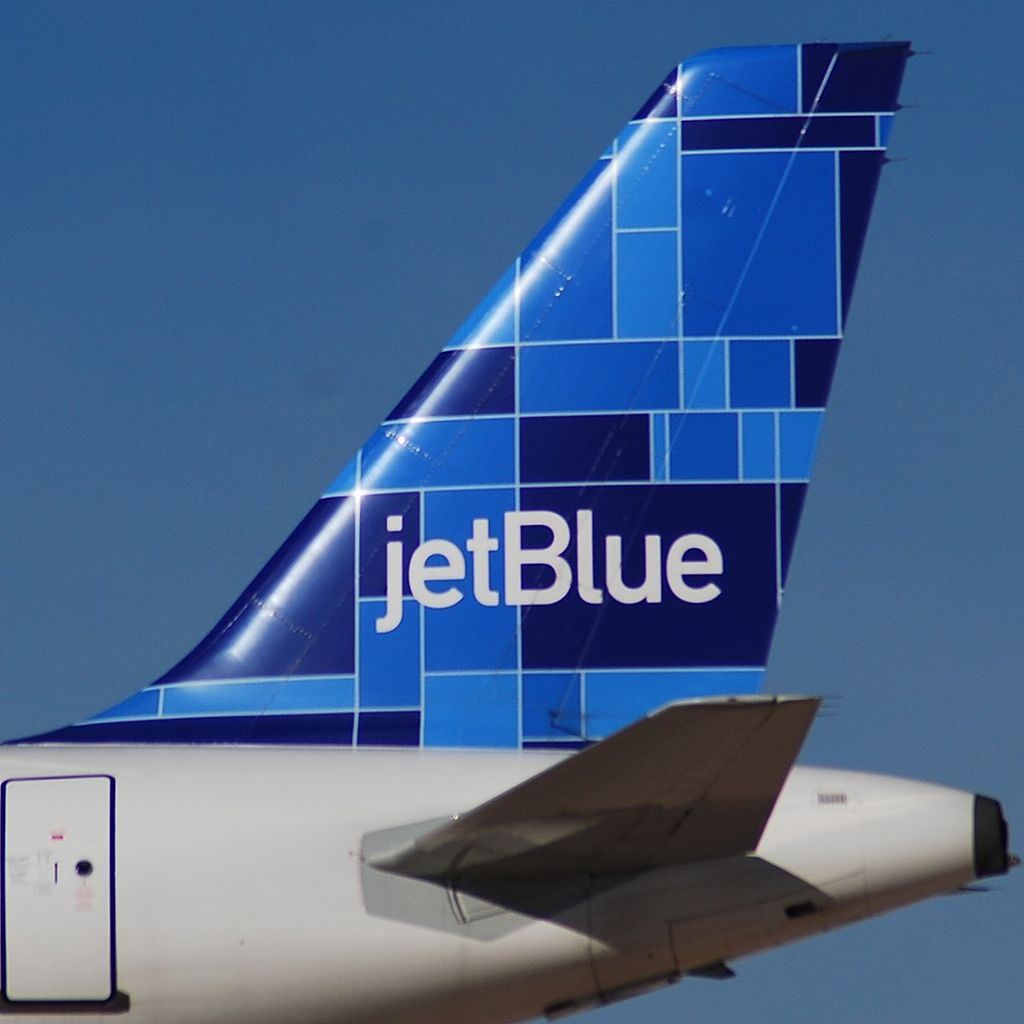
JetBlue Airways Corp. (NASDAQ: JBLU) shares reached a 52-week high on Tuesday of $13.23, which was up 41% from the relative low $9.38 on October 13. Shares were trading up about 0.5% at $12.58 in the last hour of trading Thursday. The consensus analyst price target is $14.08. The 52-week trading range is $7.61 to $13.23. The market cap is roughly $3 billion. JetBlue has a forward P/E ratio of about 12.5 versus 2015 earnings estimates.
United Continental Holdings Inc. (NYSE: UAL) shares reached a 52-week high on November 4 of $56.90. This was up 44% from the relative low $39.46 on October 13. Shares traded up 3% at $56.29 in the last hour of trading on Thursday. The stock has a consensus analyst price target of $60.21 and a 52-week trading range of $36.10 to $56.90. The market cap is around $20 billion. United Continental’s forward P/E ratio is 8.4 against 2015 estimates.
ALSO READ: The 5 Most Revered DJIA Stocks of the Recovery!
Looking forward, if oil prices continue to fall over this quarter, it would seem safe to expect these major airlines to get a boost in their earnings. Trying to call a top in a group of stocks based on strong share performance in a short period on a major trend that has no known catalyst to end that trend is something that is incredibly hard to do. Still, gains of 20%, 30% and more for an entire sector in a short time are far from normal.
Wall Street analysts still have upside projections compared to the current share prices. Also, these projected P/E ratios for 2015 could be even lower than today if the lower fuel costs add meaningfully to earnings in 2015.










 Top Gaining Stocks
 Top Losing Stocks