


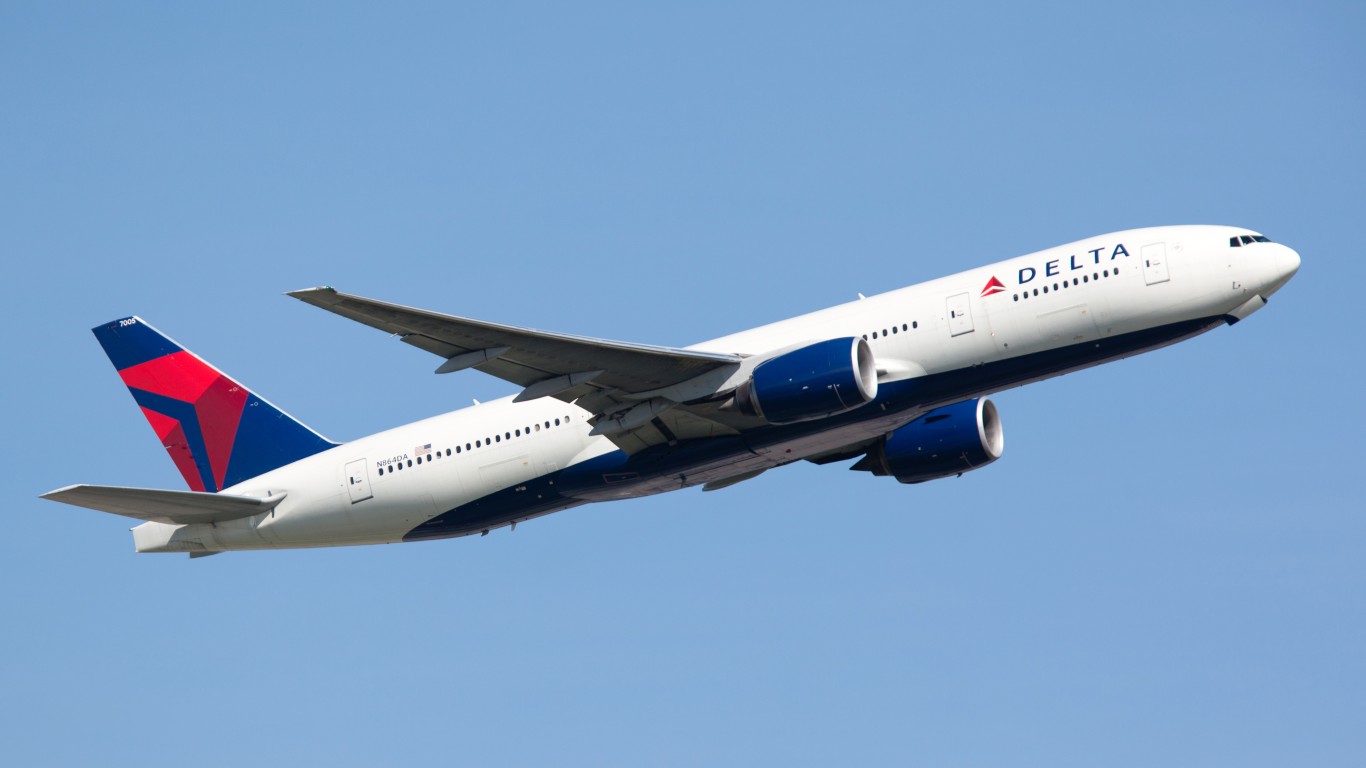
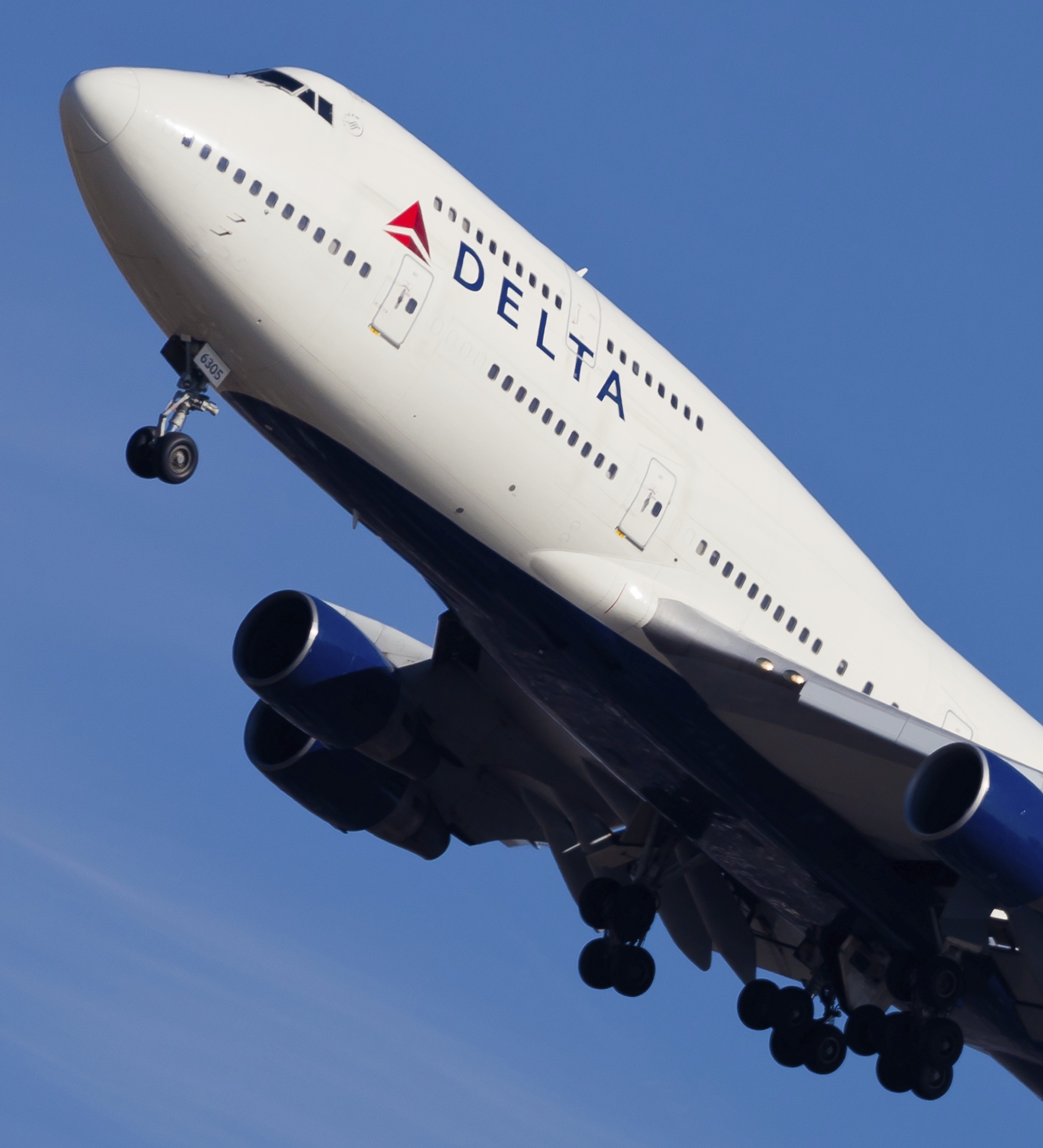
Delta Air Lines Inc. (NYSE: DAL | DAL Price Prediction) reported first-quarter 2019 results before markets opened Wednesday. The airline reported adjusted earnings per share (EPS) of $0.96 on adjusted revenues of $10.47 billion. In the same period a year ago, Delta reported EPS of $0.75 on revenues of $9.97 billion. First-quarter results also compare to the consensus estimates for EPS of $0.89 on revenues of $10.39 billion.
The airline guided second-quarter 2018 EPS at $2.05 to $2.35 on a pretax margin of 14% to 16%. Unit revenue, excluding refinery sales, are forecast to rise 6% to 8%. Seating capacity is expected to rise 4.0% to 4.5%. and consolidated available seat miles are forecast to rise by 1% to 2%, excluding fuel costs and profit-sharing.
Delta President Glen Hauenstein said:
Demand for Delta’s product has never been stronger, as evidenced by our 7.5 percent top line growth in the March quarter. This underpins our expectation that June quarter unit revenue should grow 1.5 to 3.5 percent, with sequential improvement in passenger unit revenue across all entities. With our customer-focused commercial initiatives delivering strong customer loyalty and top-line momentum, we now expect full-year revenue growth of five to seven percent, an increase from our prior guidance.
[nativounit]
Delta Chief Financial Officer Paul Jacobson added:
Delta’s March quarter operating cash flow improved, driven by top-line growth, strong cost controls and margin expansion. Our cash flow performance allows us to reinvest for Delta’s long-term earnings growth, while maintaining our investment grade balance sheet and consistently returning cash to shareholders. With non-fuel unit cost momentum from our fleet transformation and One Delta efforts, we have clear line of sight to achieve our full year targets of one percent non-fuel unit cost growth and $3 to 4 billion in free cash flow.
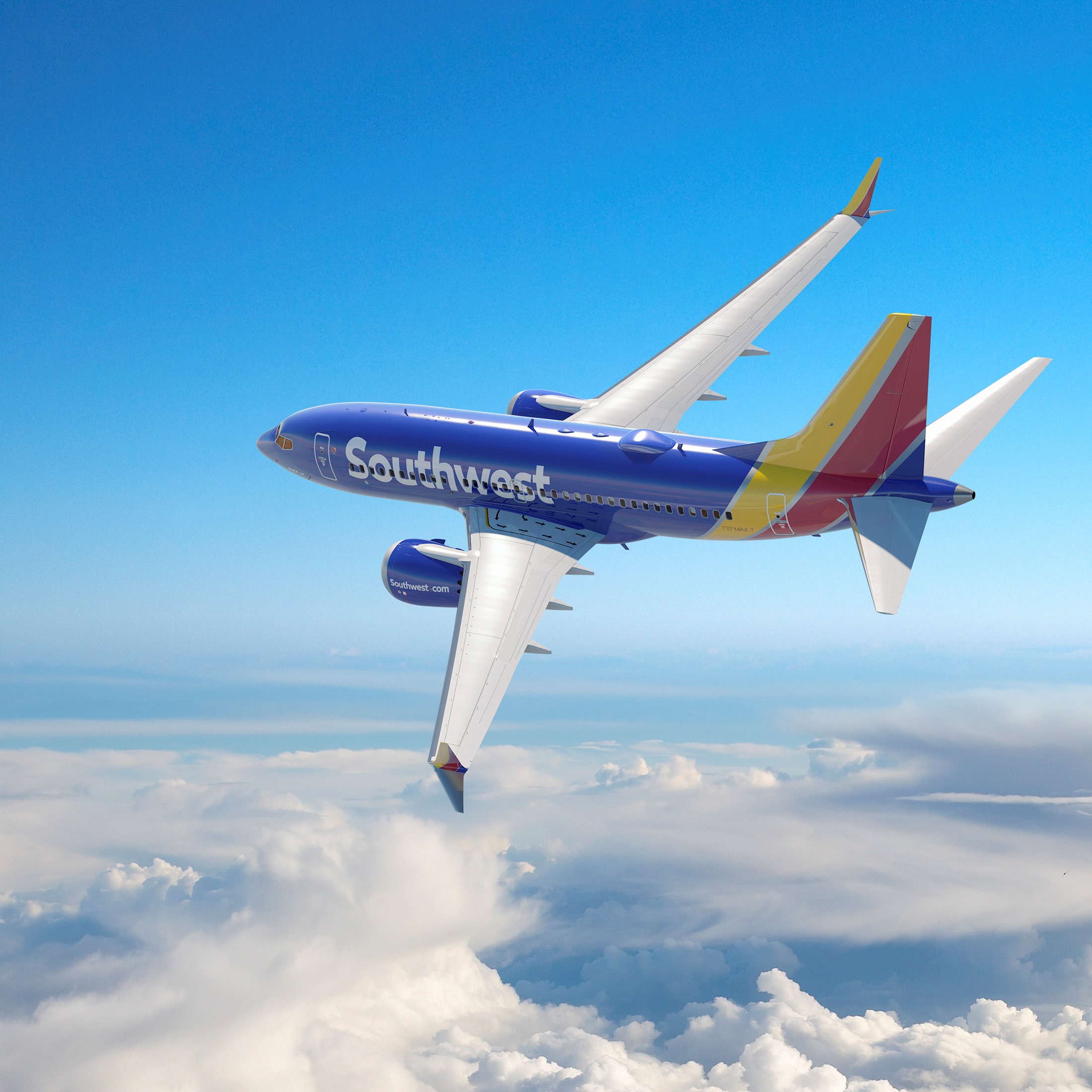
Delta does not have any Boeing 737 MAX aircraft in its fleet and it has none on order. However, the airline still has unfilled orders for nine 737-900ERs, the previous generation of the 737 family. Competitor Southwest has 34 737 MAX 8s in its fleet, American has 24 and United Continental has 14 737 MAX 9s. All have been grounded.
Delta shares traded up about 2.2% at $58.20 in Wednesday’s premarket session. The stock’s 52-week range is $45.08 to $61.32, and the 12-month consensus price target is $64.26.
[recirclink id=540250]
[wallst_email_signup]






 Top Gaining Stocks
 Top Losing Stocks