


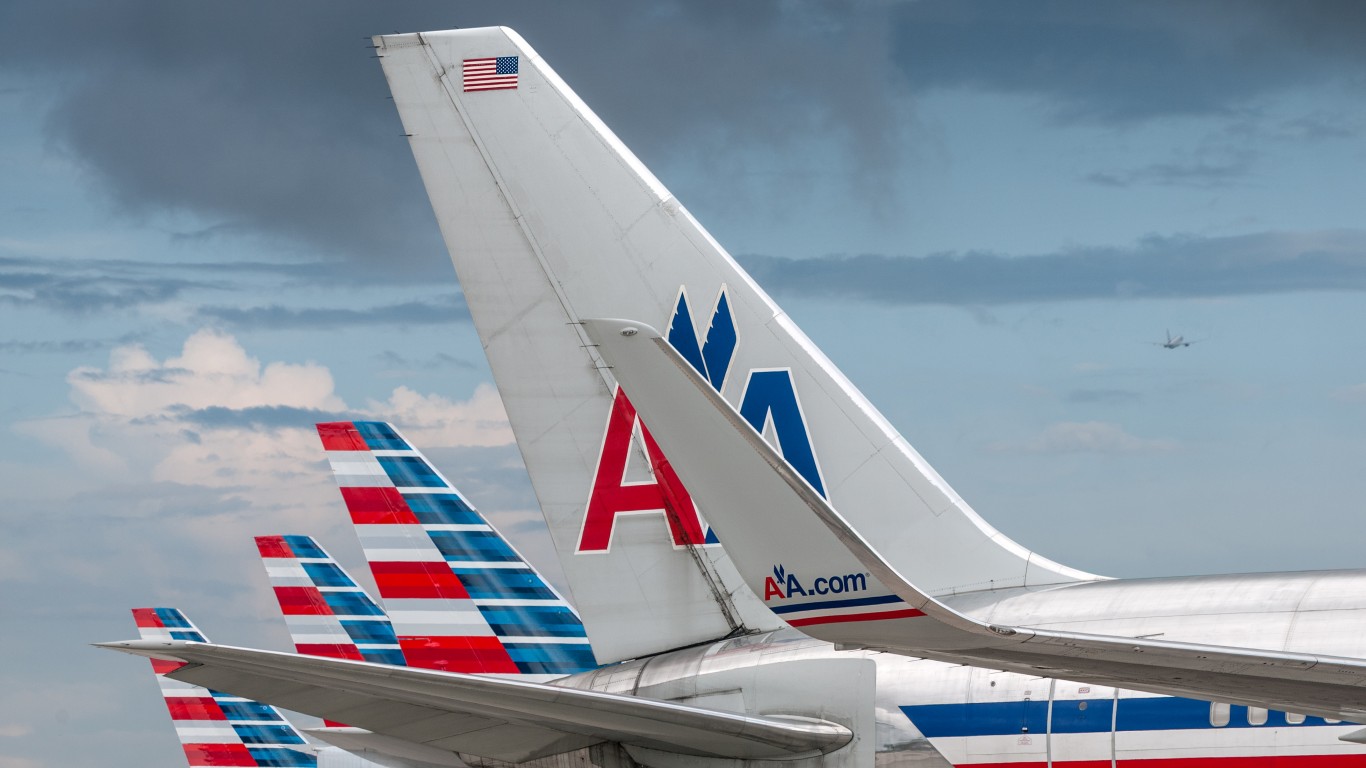
On Monday, American Airlines Group Inc. (NASDAQ: AAL | AAL Price Prediction) announced that it plans to sell $7.5 billion in new debt in three tranches of $2.5 billion each. Two offerings are expected to raise $5.0 billion in senior secured notes due in 2026 and 2029, while the third is a $2.5 billion term loan credit facility. The stock rose by 5% on Monday.
[in-text-ad]
Shares could be trading lower Tuesday following Moody’s assignment of a Ba2 rating to the new borrowings. Moody’s outlook on the company is negative, even though it acknowledges that American is expected to complete the first quarter with some $15 billion in liquidity, including a $3 billion payroll support program extension authorized last December. Moody’s also noted:
The negative outlook considers Moody’s opinion that the timing of the start of a bonafide and sustained recovery of passenger demand remains uncertain, notwithstanding the increasing vaccination volumes in and outside the US.
[nativounit]
Collateral for the notes and the credit facility will be a secured first-priority security interest in the airline’s frequent flyer program, AAdvantage. At the end of 2020, American’s deferred revenue liability for its AAdvantage loyalty program was $9.2 billion. Even though American flew some 50% fewer paying passengers last year, the value of the company’s loyalty program increased by around $600 million.
How does that work? Well, banks and credit card issuers are quite happy to buy the airline mileage points that passengers stack up on their airline-branded credit cards. The banks and card issuers pile on promotions of their own that influence more spending on the cards so that people can get even more mileage points, and, well, you can take it from there.
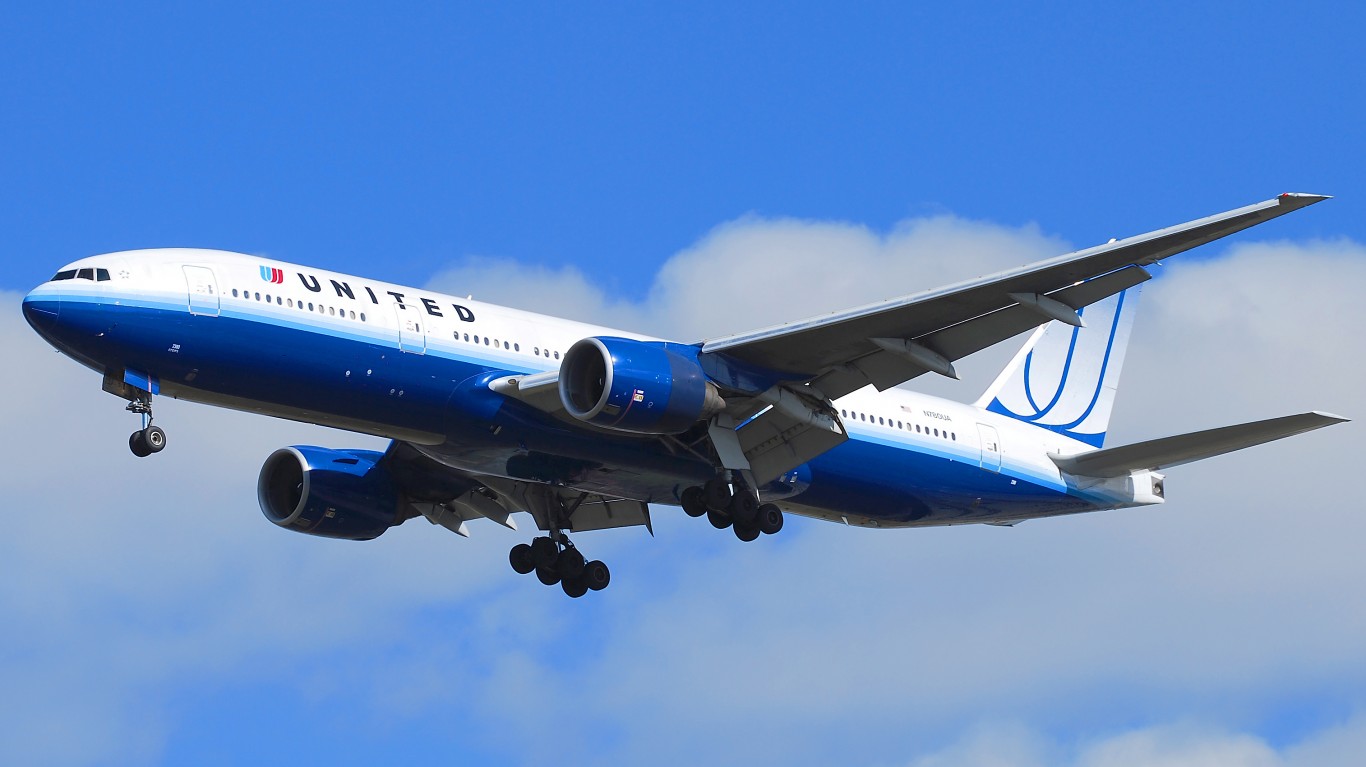
For accounting purposes, airline loyalty programs are a liability that magically become cash as soon as the airlines sell the programs to or use them as collateral for borrowing from more-than-willing buyers. United Airlines made headlines last June when it put up $5 billion in its MileagePlus loyalty program as collateral for a federal loan to help weather the effects of the COVID-19 pandemic. Delta followed with a $9 billion financing package backed by its SkyMiles loyalty program.
American plans to use the proceeds from its debt issuances to “repay all amounts outstanding under the term loan facility with the U.S. Department of the Treasury” that currently uses collateral intended to back the new borrowing and to spend the rest for general corporate purposes. The airline secured a $7.5 billion term loan facility from the Treasury and had borrowed some $550 million from that facility by the end of 2020.
The airline’s stock added about 5% on Monday but traded down about 1.5% at $21.15 Tuesday morning. The 521-week range on the shares is $8.25 to $22.80. The stock posted a high last week a little over $1.00 lower than the 52-week high. The stock’s consensus price target is $13.41.
[recirclink id=847468][wallst_email_signup]








 Top Gaining Stocks
 Top Losing Stocks