


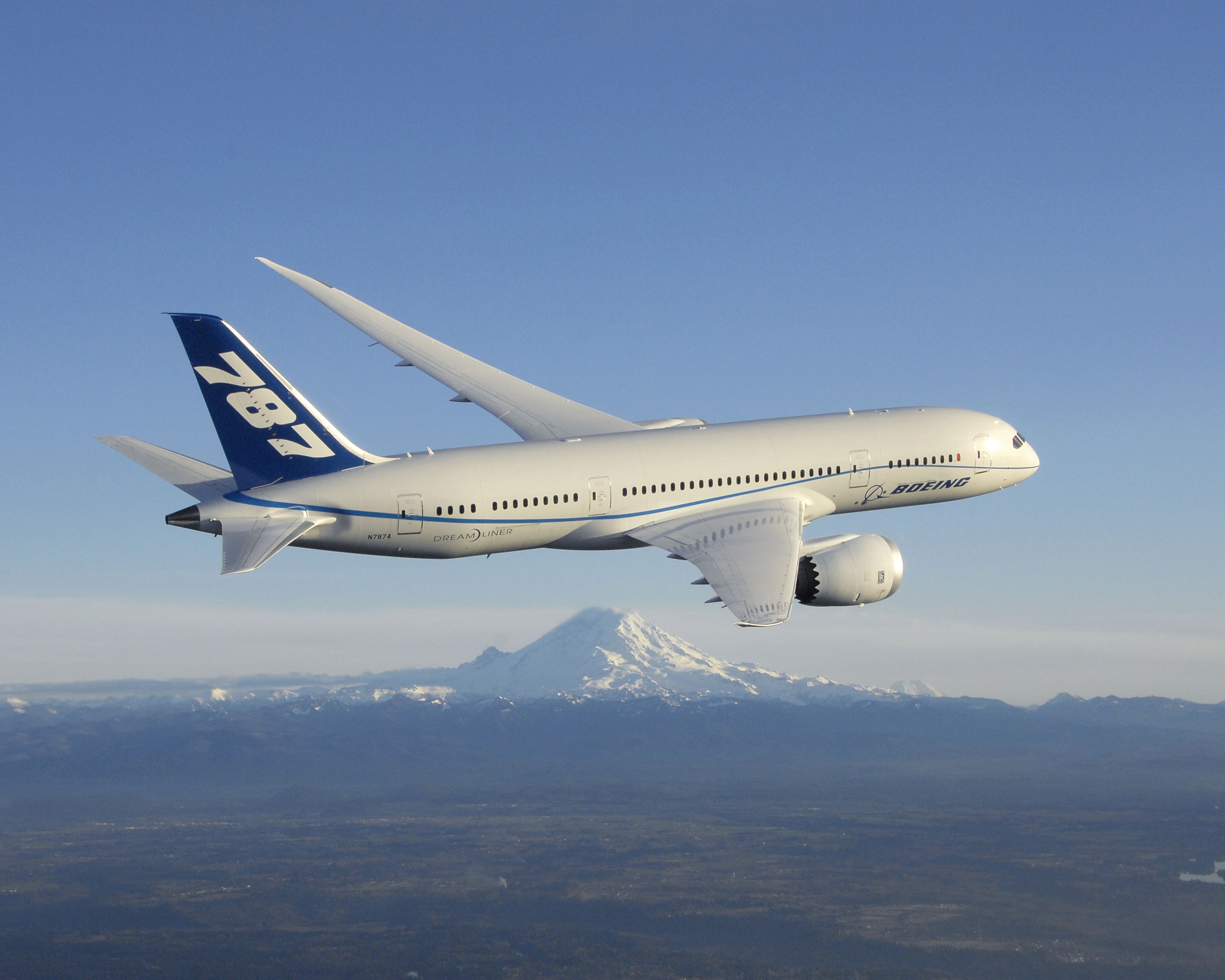
The NTSB addressed all five of its recommendations to the Federal Aviation Administration (FAA), the federal agency charged with evaluating and certifying that new aircraft are safe to fly. Following a series of its own tests, the NTSB concluded that the certification process did not adequately account for the hazards that could befall the 787’s lithium-ion batteries.
The FAA, Boeing and Airbus Group have complied with the same lithium-ion battery certification requirements as with the 787 on several models of the Boeing 777 and 737 Next Generation and the Airbus A380, all of which include permanently installed main and auxiliary lithium-ion batteries.
The NTSB’s recommendations for the testing and certification process of aircraft lithium-ion batteries are spelled out in a 12-page letter to the FAA and are summarized here:
- Develop an aircraft-level thermal runaway test to demonstrate safety performance in the presence of an internal short circuit failure.
- Require the above test as part of certification of future aircraft designs.
- Re-evaluate internal short circuit risk for lithium-ion batteries now in service.
- Develop guidance for thermal runaway test methods.
- Include a panel of independent expert consultants early in the certification process for new technologies installed on aircraft.
A Boeing spokesman told Bloomberg News that the company supports the NTSB’s effort to enhance testing on the batteries.
Boeing shares traded up about 0.9% in the early afternoon on Thursday, at $132.11 in a 52-week range of $96.31 to $144.57.









 Top Gaining Stocks
 Top Losing Stocks