


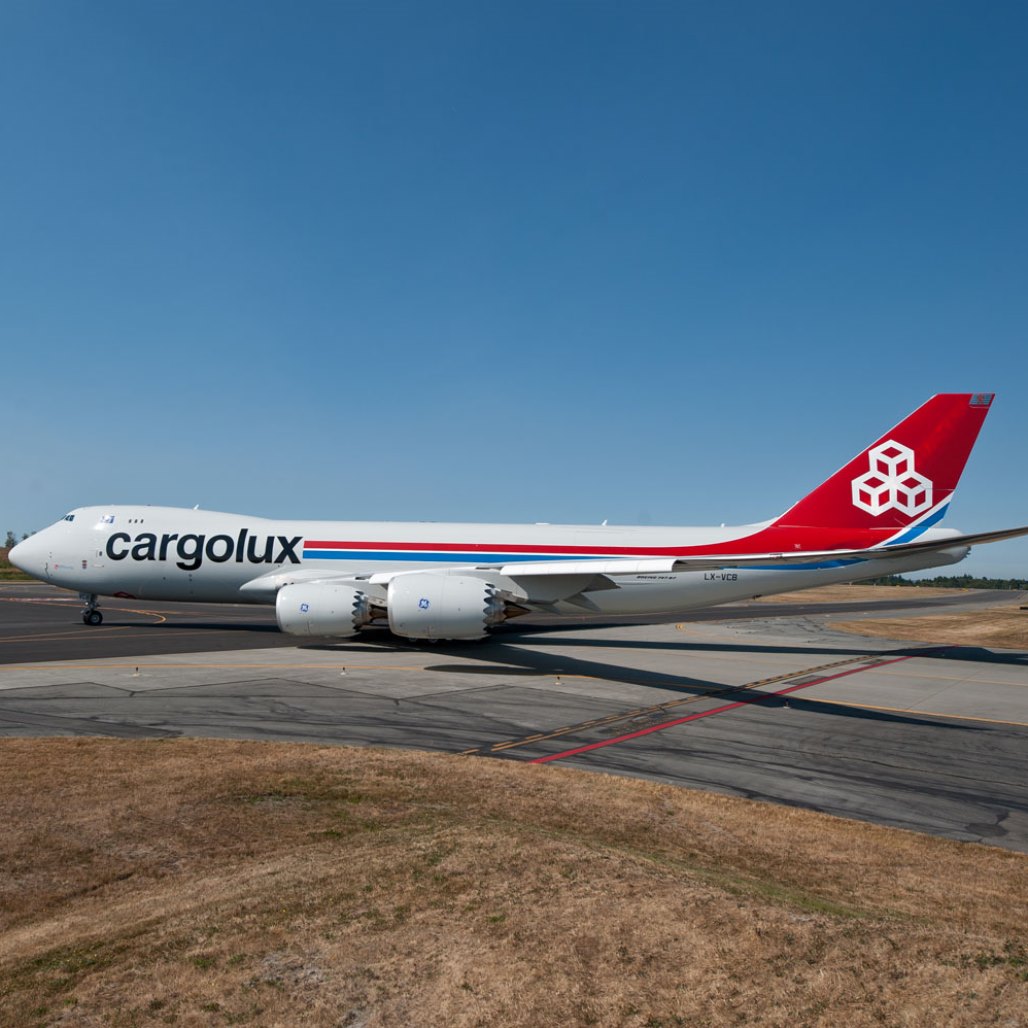
The first 747-100 from Boeing Co. (NYSE: BA) was put into service in 1970, and those first planes sold at a list price of $24 million. Adjusting for inflation, that same 747 would sell today for more than $147 million.
That’s less than half the actual list price of a new 747-8 passenger jet that lists for $378.5 million or the freighter version at $379.1 million. Boeing hasn’t got many buyers, but price is not the problem.
In 2015 Boeing wrote orders for just six of the planes and had a total of just 20 in its backlog: 13 passenger planes and seven freighters. Boeing currently builds four of the planes every three months. The company already has announced a build rate of one per month beginning in March of 2016, and on Thursday said it would cut that production to just one-half plane per month beginning in September.
Boeing’s vice-chairman and CEO of the commercial airplanes division said:
Global air passenger traffic growth and airplane demand remain strong, but the air cargo market recovery that began in late 2013 has stalled in recent months and slowed demand for the 747-8 Freighter. While we remain confident in the 747-8’s unique value-proposition and an upcoming replacement cycle for late-model 747-400 Freighters, we’re taking the prudent step to further align production with current market requirements.
Boeing also said that it will take an after-tax charge of $569 million ($0.84 per share, and $885 million pretax) in the fourth quarter of 2015 to account for the impact of the change.
[recirclink id=308826]
The company had hoped that the global freight market that had been growing through 2014 would increase demand for the 747-8F. Instead cargo volumes declined in 2015 and the outlook is not strong.
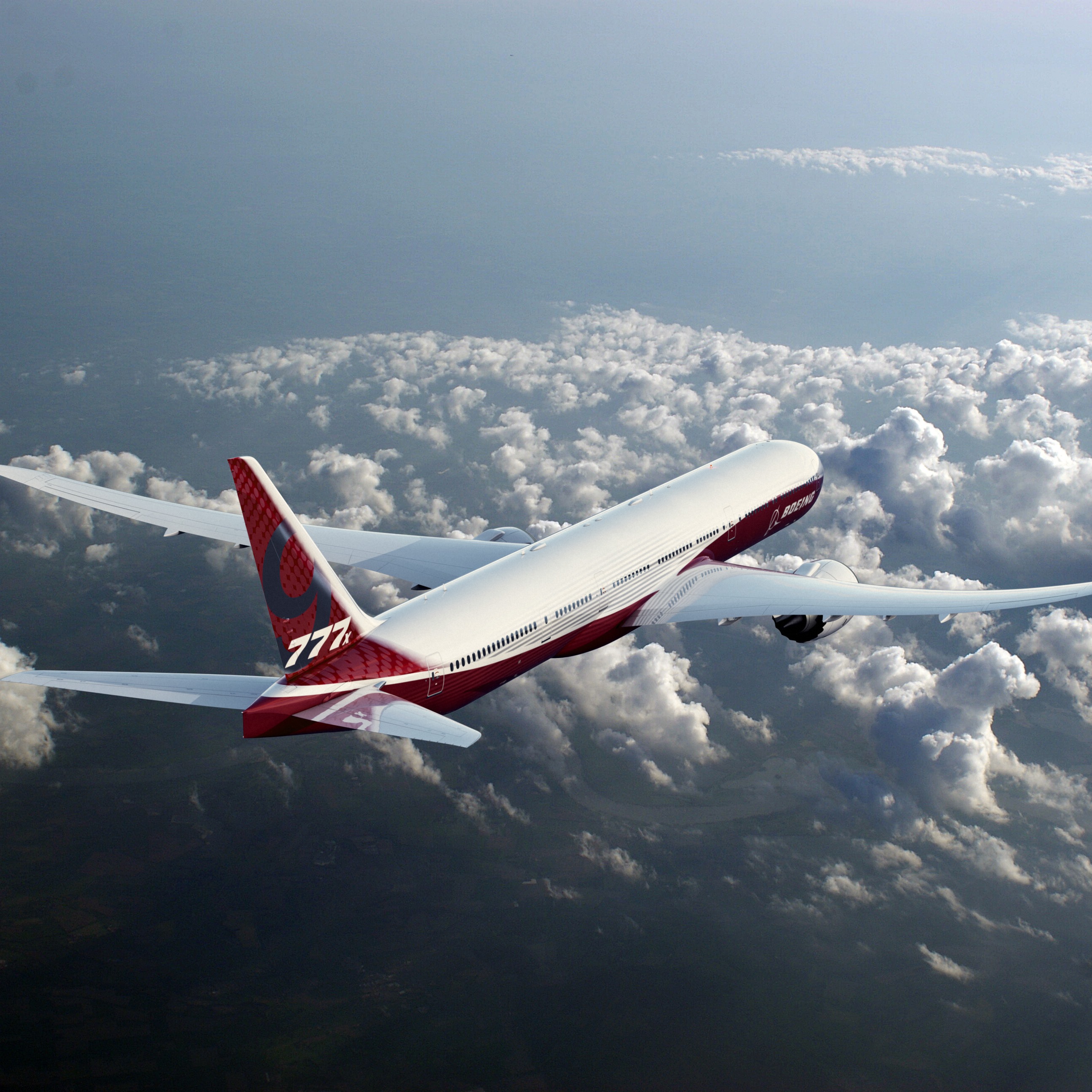
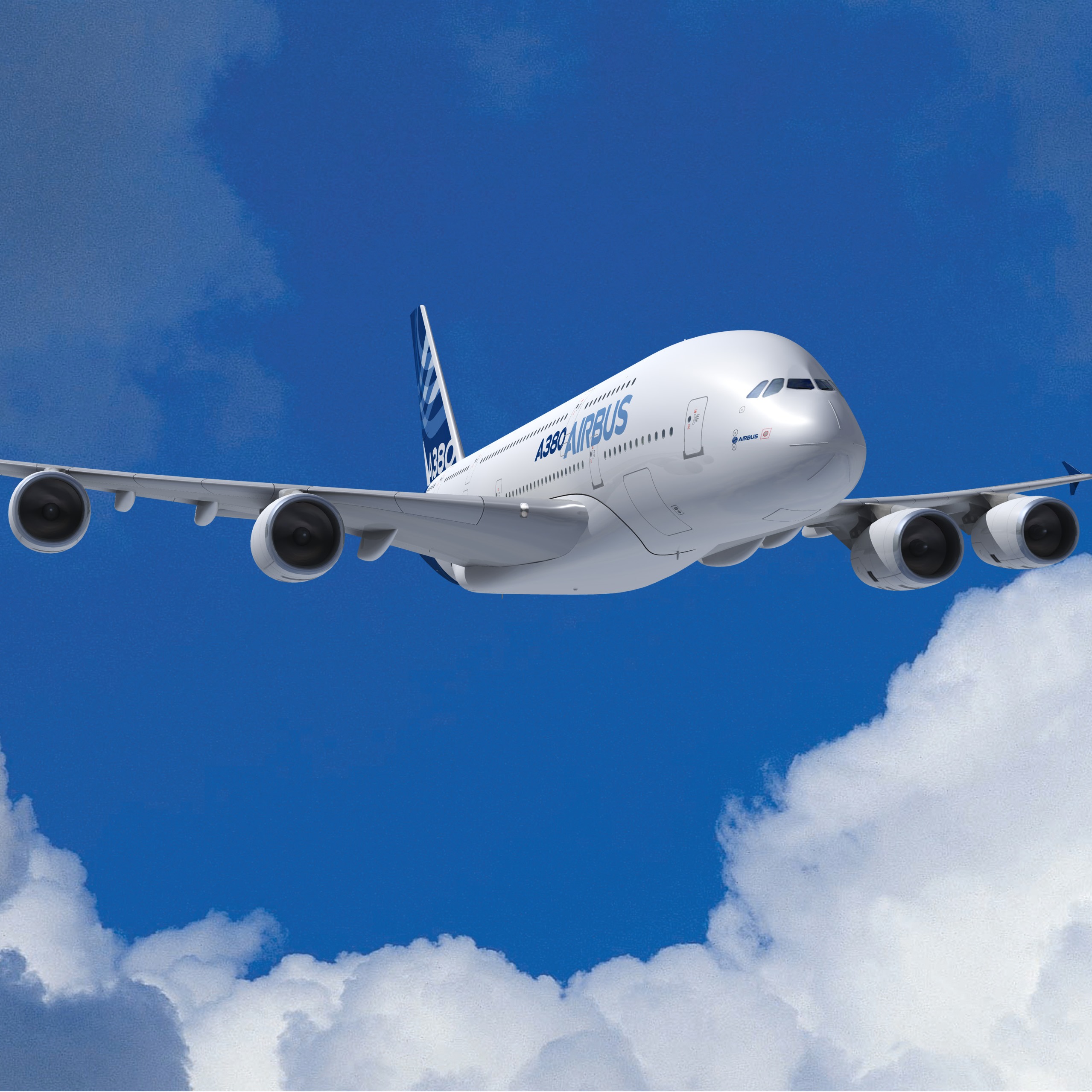
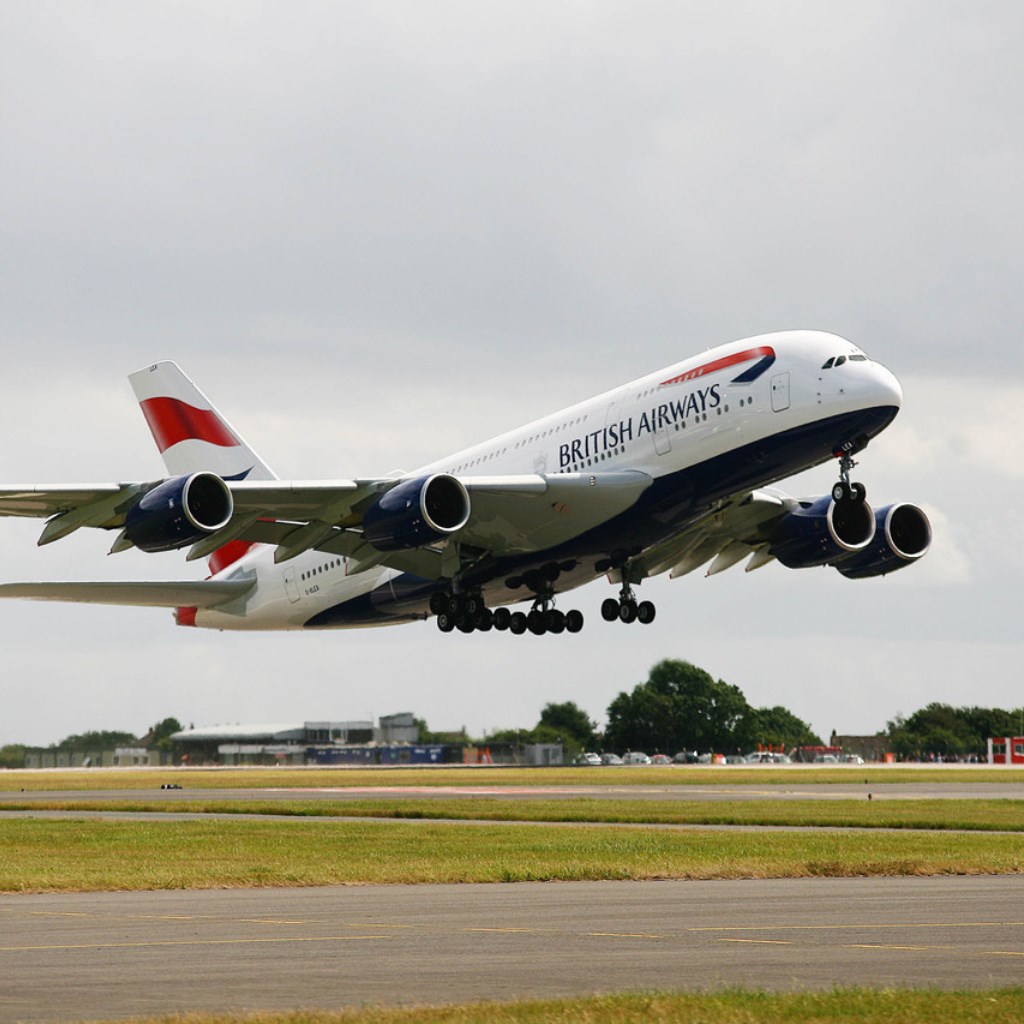
Boeing made a de facto decision several years ago to let the 747 program live its natural life when it chose not to compete directly with the larger A380 superjumbo jet from Airbus Group. Given the then-high cost of fuel, Boeing would have had to replace the four engines on the 747 with more fuel efficient versions. The A380 jet, if it can be filled with 500 to 600 passengers, is more efficient than the 747, and Boeing did not see the market for these massive planes growing enough to justify the investment to compete. In effect, Boeing gave Airbus the very-large airplane market.
That was probably the right decision then and it may prove to be the right decision for a long time. Airbus took its first new orders in two years for the A380 last year. The European maker is under intense pressure from Emirates airline to put new engines on the A380 to make it even more fuel efficient. Airbus has demurred and deferred and stalled, but eventually the company probably will not give in to the temptation of taking an order from Emirates for up to 200 re-engined A380s. But one never knows — an order for 200 planes that cost more than $432 million per copy at list price is pretty tempting.
Boeing stock closed up about 1% on Thursday, at $123.40 in a 52-week range of $115.14 to $158.83.






 Top Gaining Stocks
 Top Losing Stocks