



The chip cycle that investors have grown accustomed to (boom, glut, correction, repeat) may be giving way to something different. According to IDC analyst Jeff Janochowicz, speaking on Marketplace’s “All-in-One” segment about Middle East tensions putting tech supply chains under pressure, the price spikes hitting semiconductors right now are the leading edge of a multi-year structural shift that will outlast the current headlines.
The Structural Case for Sustained Pricing Power
Janochowicz’s core argument is that AI infrastructure spending has fundamentally rewired demand. Capital flowing to support services like OpenAI and Claude represents a “real structural change for the overall semiconductor industry,” with orders shifting away from consumer devices toward data center buildout. That matters for pricing because hyperscale buyers prioritize capacity over unit cost, and they sign long-dated supply agreements that absorb the kind of inventory that historically broke chip cycles.
The most pointed call: memory chip prices in particular are expected to stay elevated “well into 2027 and maybe even a little bit longer.” Memory has historically been the most cyclical corner of semiconductors, so a multi-year pricing floor would mark a genuine regime change for HBM and DRAM suppliers serving AI accelerators.
What the Macro Data Says
The capital is showing up in the profit numbers. Bureau of Economic Analysis data shows the Information sector, which captures much of the AI and data center economy, posted profits of $317.7 billion in Q4 2025, up from $308.3 billion in Q4 2024. Durable goods manufacturing, which includes chip production, reached $433.4 billion in Q4 2025. Total corporate profits accelerated 10% year over year in Q4 2025, signaling capital is available to fund the buildout Janochowicz describes.
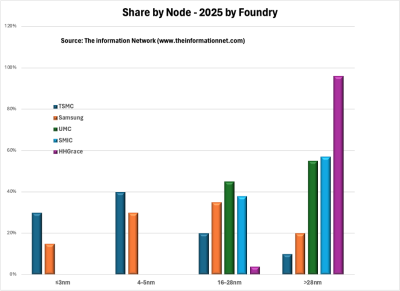
On the supply side, IndexBox notes that Taiwan remains the central hub for advanced semiconductor manufacturing as of early 2026, with physical constraints around resources and skilled labor capping how quickly capacity can scale. TSMC (NYSE:TSM | TSM Price Prediction) is fast-tracking a new mega fab after securing environmental clearance to meet surging AI hardware demand, but new fabs take years to ramp.
The Reshoring Tailwind
Janochowicz also flagged that companies are diversifying supply chains in response to geopolitical pressures, with the CHIPS Act driving semiconductor manufacturing back to the United States as part of broader risk management. TSMC alone expanded its U.S. investment from $40 billion to $65 billion, primarily in Phoenix, supported by $6.6 billion in U.S. government subsidies.
The Investor Takeaway
For long-horizon portfolios, the implication is straightforward. Memory makers, leading-edge foundries, and semiconductor capital equipment vendors face a demand backdrop that may stay tight for several earnings cycles. Consumers and enterprise buyers should plan for higher tech hardware costs to persist. The combination of AI-driven demand and supply chain restructuring is one of the largest transformations the chip industry has seen, and that backdrop reads as a structural shift rather than a tactical one.













 Top Gaining Stocks
 Top Losing Stocks