


That didn’t take long. On Wednesday the U.S. Department of Commerce (DOC) recommended the imposition of a 300% duty on all Bombardier passenger jets imported into the United States from Canada.
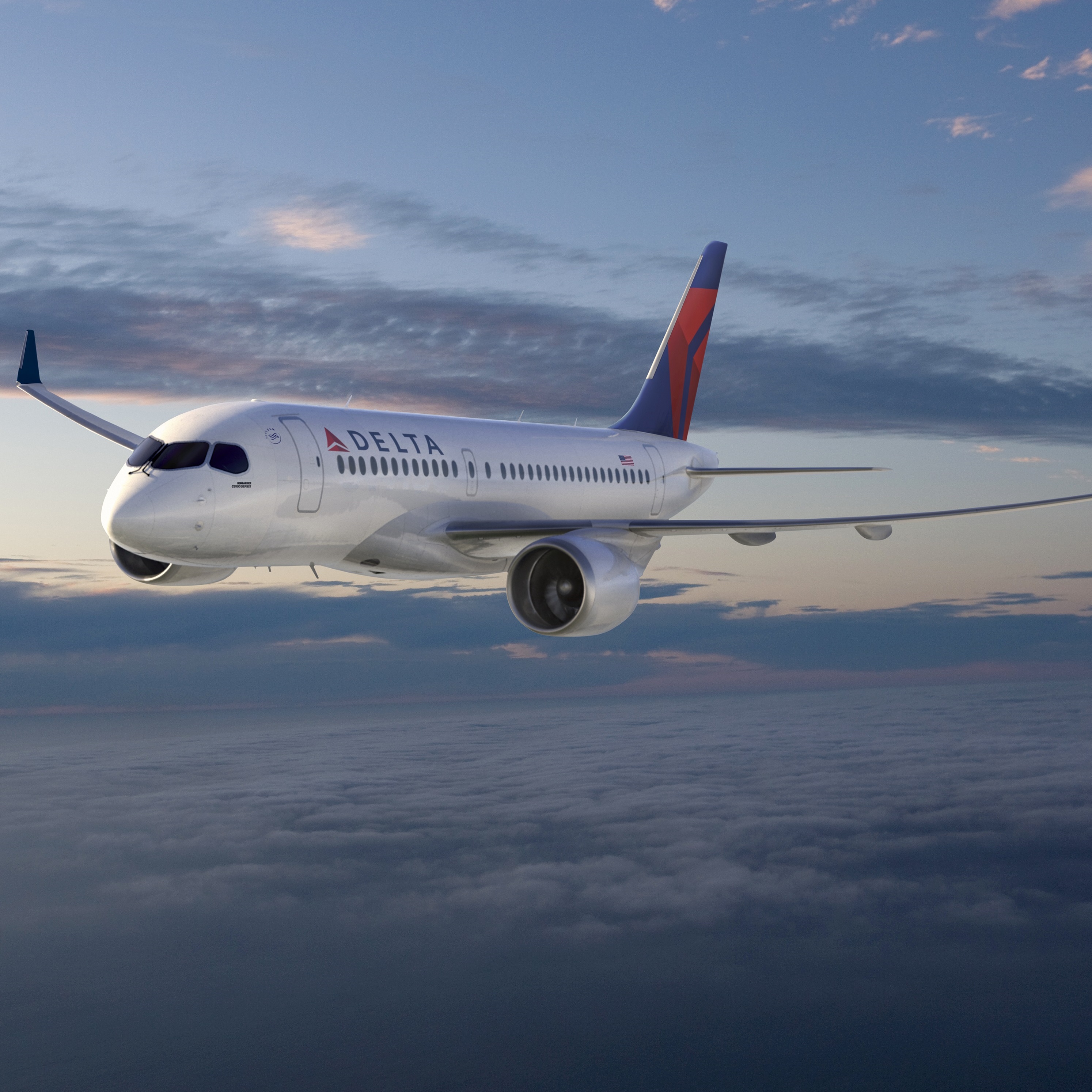
The recommendation follows Tuesday’s hearing before the U.S. International Trade Commission (ITC) where Bombardier and Boeing Co. (NYSE: BA), along with other interested parties, weighed in on the dispute that revolves around the sale of 75 Bombardier CS-100 passenger jets to Delta Air Lines Co. (NYSE: DAL) in April 2016.
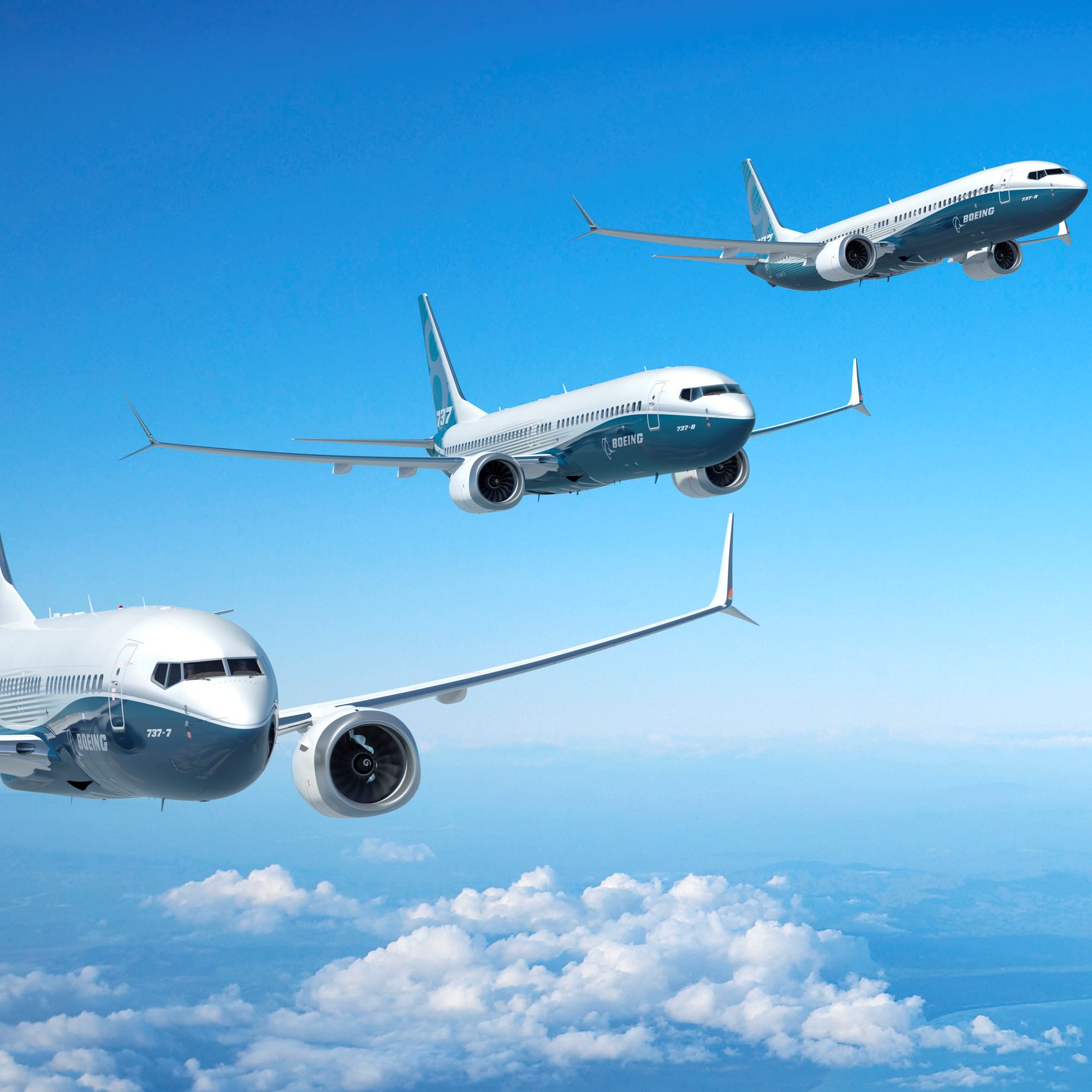
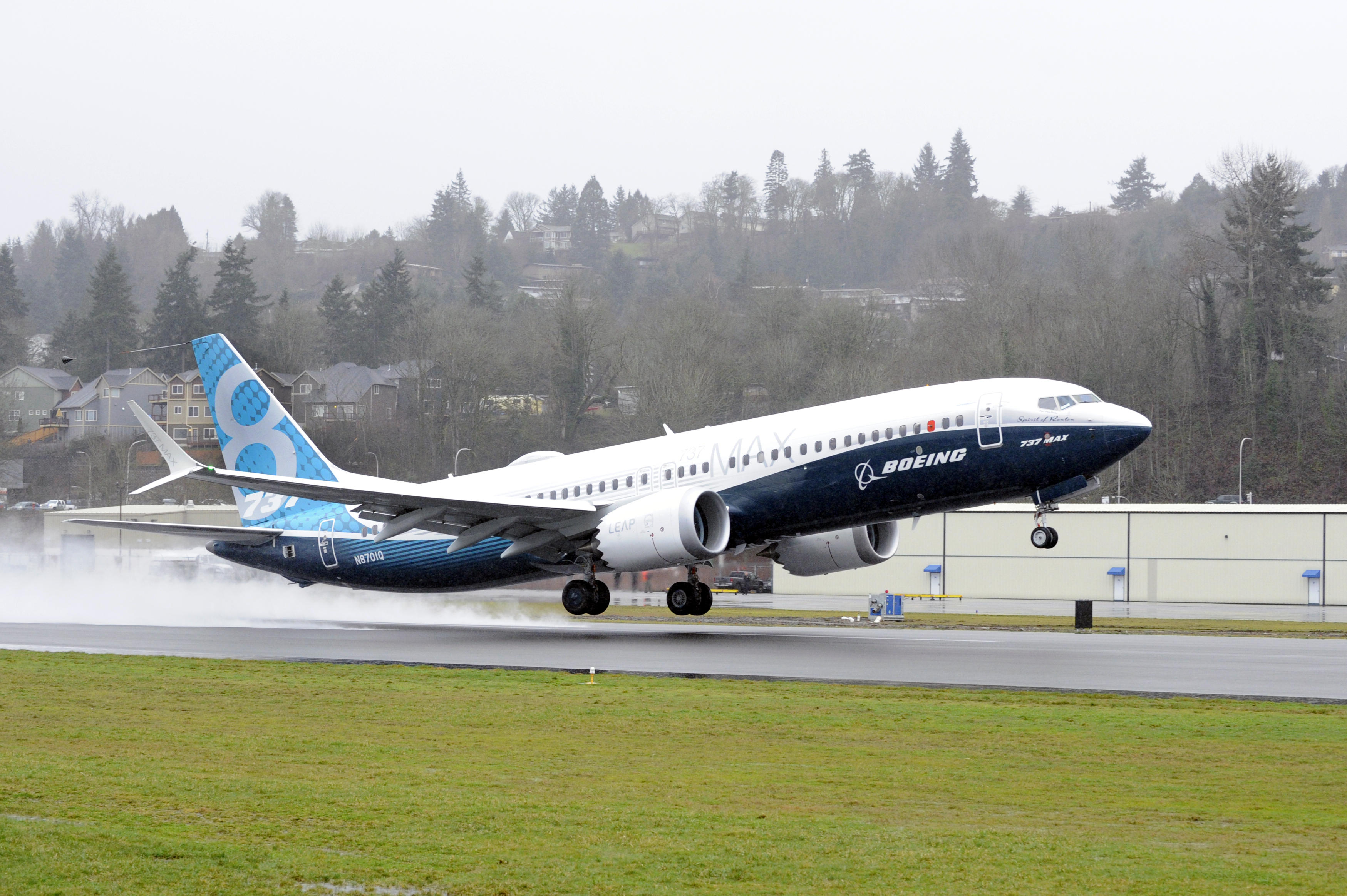
Boeing, which lost the bidding, filed a complaint with the ITC alleging Bombardier dumped the planes on the U.S. market at below cost and that the federal government should impose a countervailing duty of around 80% on planes imported into the country. Just to make the point more clearly, the DOC later recommended a charge equal to 219% of the sale price of the Bombardier planes for accepting unfair subsidies from the Canadian government. The 300% in duties will be imposed on each imported or “partially assembled” aircraft.
Wednesday’s decision precedes a decision expected by next week from the ITC on whether Boeing was “harmed” by the sale of Bombardier planes to Delta. Virtually everyone agrees that the ITC will come down on Boeing’s side.
[nativounit]
Bombardier and Airbus, which now owns the C-Series project, have said they will add a final assembly line to the Airbus facility in Mobile, Alabama, to complete final assembly of the C-Series planes. Boeing called the proposed assembly line a feint and said that even if it were to be built Bombardier should pay a tariff for circumventing U.S. regulations.
In the fact sheet issued with Wednesday’s announcement, the DOC noted that the recommended duties apply to all planes “whether they enter the United States fully or partially assembled.” The fate of the Bombardier-Airbus plan turns on the definition of a “partially assembled” plane, but if the Airbus assembly line in Alabama lets the company avoid U.S. duties, a similar line with similar partially assembled planes should also work for Bombardier. Or at least the company could make that argument.
If, as nearly everyone believes, Boeing prevails, Bombardier has promised to appeal, although where that appeal may be lodged is so far unspecified. A complaint to the World Trade Organization (WTO) or through the North American Free Trade Agreement (NAFTA) appear to be likely candidates.
The DOC has posted both its recommendation and a fact sheet on the issue at its website.
[recirclink id=431286]
[wallst_email_signup]






 Top Gaining Stocks
 Top Losing Stocks