


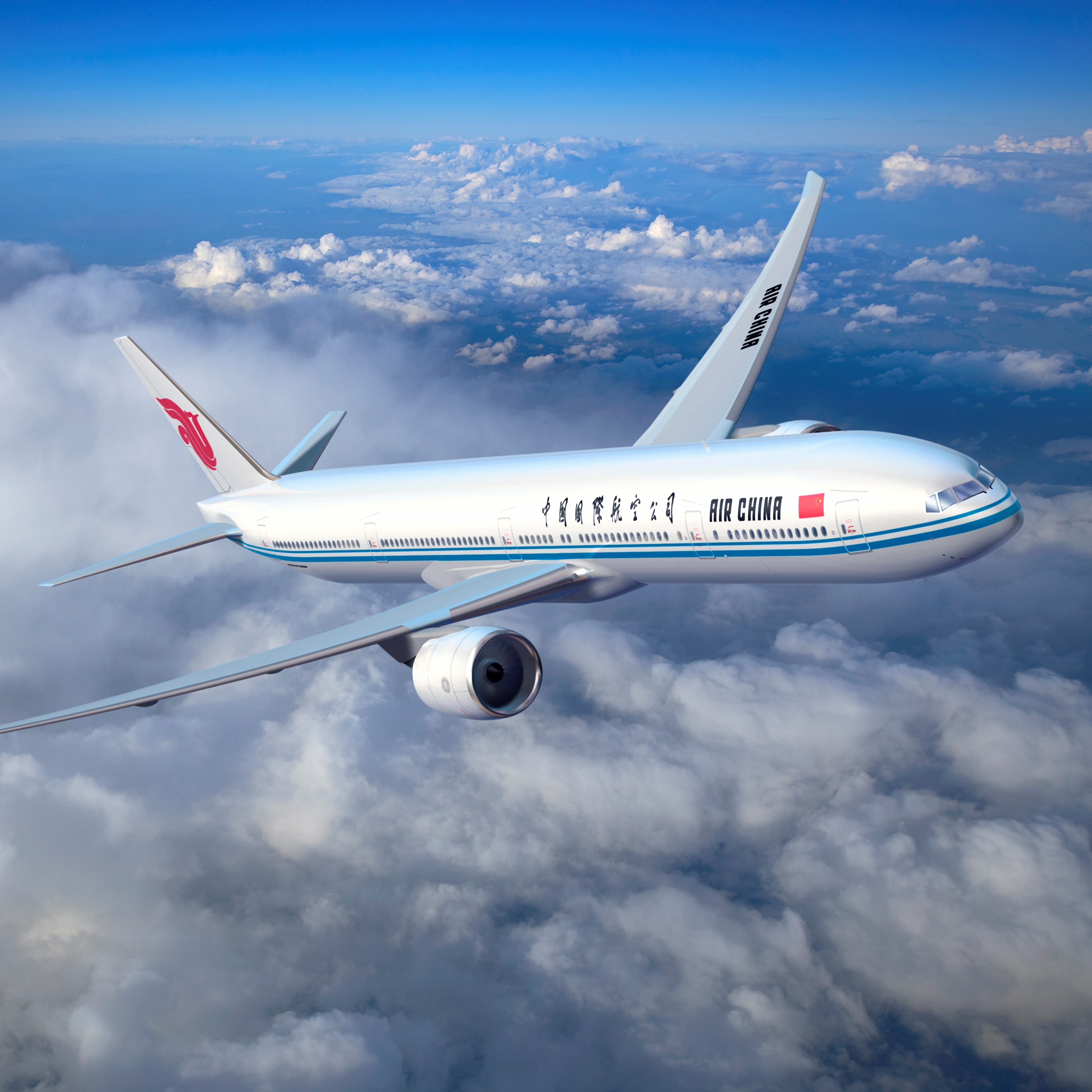
The expected announcement later Thursday that the United States will impose tariffs amounting to $30 billion to $60 billion on Chinese imports is a “potentially toxic exogenous shock” for Boeing Co. (NYSE: BA), according to an industry analyst. Boeing exports about 80% of the airplanes it builds.
China has become a critical market for Boeing’s commercial jets over the past five years. Nearly a quarter of all commercial planes sold last year by Boeing and arch-rival Airbus were sold to Chinese buyers. That total does not include dozens of leased jets imported annually by China.
Richard Aboulafia, vice-president of analysis at Teal Group, does not expect China to embargo imports of Boeing jets. Rather, he expects the country to begin sending unmistakable messages, such as increasing orders for Airbus planes and abstaining from placing any new orders with Boeing.
[nativounit]
Boeing, Aboulafia writes in Aviation Week, is in China’s crosshairs:
Unfortunately, Boeing makes an easy target for anyone wishing to retaliate against the new U.S. trade measures. About 80% of Boeing’s jetliners are exported, and the company is one of the most iconic U.S. manufacturers and global brands. … Boeing’s defensive embrace of Trump—understandable, since the company was among the first subjects of his angry tweets—means that foreign governments now see Boeing as a Trump friend and ally, and therefore a good place to hit back at his policies.
Earlier this year, Airbus and its partners in China agreed to raise production in the company’s Chinese plant to five aircraft per month by early next year and to six by early 2020.
China also may speed up development of its own passenger jets, the C919 and C929, designed and built by the country’s own Comac. Aboulafia says these planes remain a long way from delivery and “will be inferior to Western jets for decades to come,” but that the move to protectionism means that Chinese carriers will be compelled to accept the Comac jets regardless.
Excluding China, more than half of Boeing’s sales last year were made to foreign buyers. Depending on the breadth of the tariffs, this business also may be threatened. The only thing that may limit the damage is that both Airbus and Boeing have full order books stretching out for several years. Canceling orders on Boeing would amount to an airline cutting off its nose to spite its face.
The president’s view that trade wars are good and winnable does not preclude heavy casualties. Given its size and dependence on exports, Boeing is too large a target to escape unscathed.
[recirclink id=451462]
[wallst_email_signup]








 Top Gaining Stocks
 Top Losing Stocks