


United Technologies Corp. (NYSE: UTX) announced after markets closed on Monday that it has completed its acquisition of Rockwell Collins and now plans to separate itself into three new publicly traded companies. Long classified as an aerospace and defense firm, UTC, as it’s known, also makes elevators and air conditioners. The company has now decided to unbolt businesses that were bolted on decades ago.
The decision makes sense. All one has to do is watch the slow meltdown of General Electric, another industrial conglomerate that is fading away one piece at a time, and it doesn’t take a crystal ball to see what happens when a company waits too long to go under the knife.
According to UTC’s announcement, the namesake company will become a pure-play aerospace and defense firm and retain the UTC name. The Otis elevator business will be split off and renamed the Otis Elevator Company, and the Climate, Controls & Security business will be split off and renamed Carrier.
[nativounit]
UTC Chair and CEO Greg Hayes said:
Our products make modern life possible for billions of people. I’m confident that each company will continue our proud history of performance, excellence and innovation while building an even brighter future. As standalone companies, United Technologies, Otis and Carrier will be ready to solve our customers’ biggest challenges, provide rewarding career opportunities, and contribute positively to communities around the world.
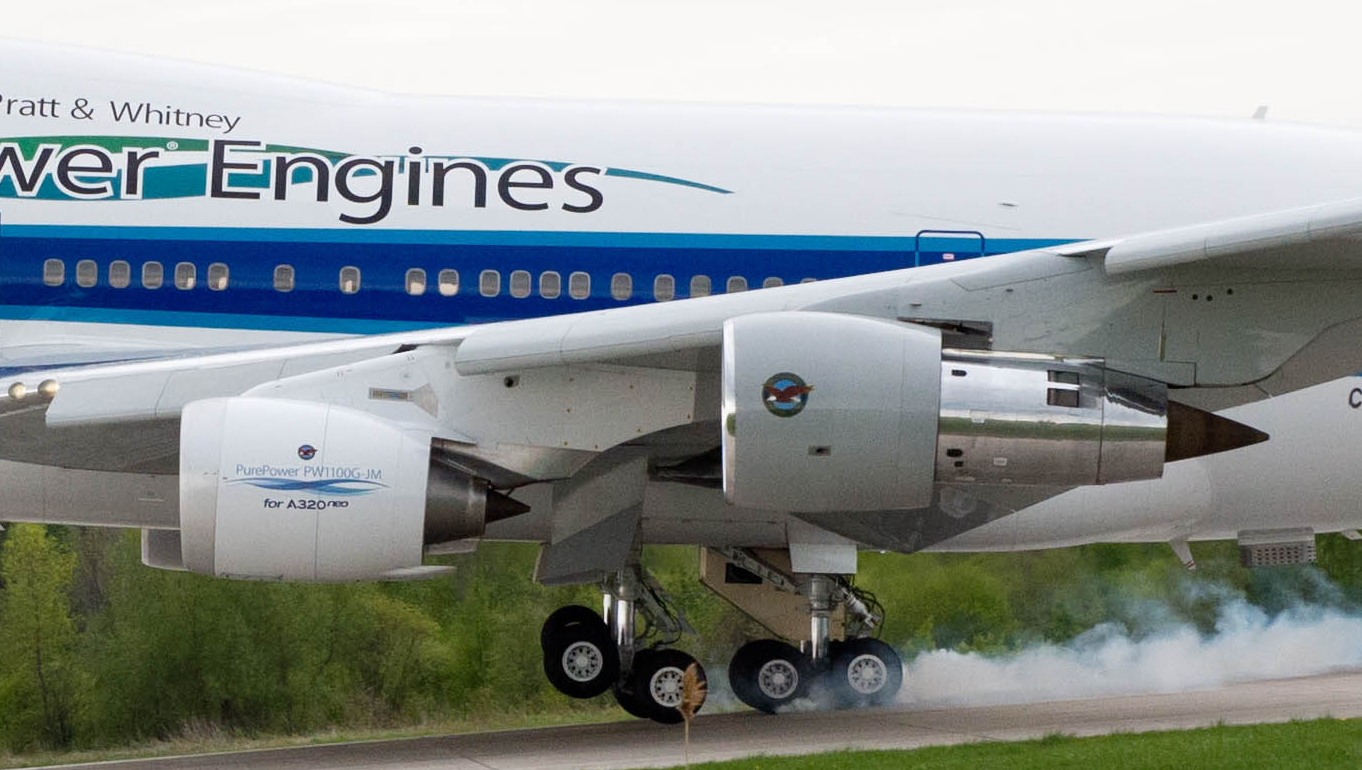
The new UTC will comprise Collins and Pratt & Whitney, the company’s jet engine builder. Pro forma 2017 revenues for the revamped UTC totaled $39 billion.
Otis Elevator, which makes and maintains elevators, escalators and moving sidewalks, posted 2017 sales of 12.3 billion, while Carrier, makers of building automation systems and HVAC systems, among other things, posted 2017 revenue of $17.8 billion.
The separation is expected to be tax-free to current UTC shareholders, and the company expects the deal to be completed in 2020. Once the separation is completed, the three firms are expected to pay a quarterly dividend amounting to a total of at least 73.5 cents per share. Until the separation is complete, UTC expects to continue to pay at least that same dividend. The dividend amount is equal to UTC’s current dividend.
UTC also updated its fiscal year 2018 outlook following the completed acquisition of Rockwell Collins. Revenue estimates rose from a prior range of $64.0 billion to $64.5 billion to a new range of $64.5 billion to $65.0 billion. Estimated adjusted earnings per share dilution reduced the estimate from a previous range of $7.20 to $7.30 to a new range of $7.10 to $7.20.
In premarket trading Tuesday, UTC shares traded up about 1%, at $129.31 in a 52-week range of $115.40 to $144.14. The consensus 12-month price target on the stock was $150.25 at last night’s close.
[recirclink id=507365]
[wallst_email_signup]










 Top Gaining Stocks
 Top Losing Stocks