



On July 20, the United States will celebrate the 50th anniversary of landing a man on the moon. Since then more men have walked on the moon, but space travel and exploration, for all their advances, haven’t yet reproduced the wonder of that first moon landing.
[in-text-ad]
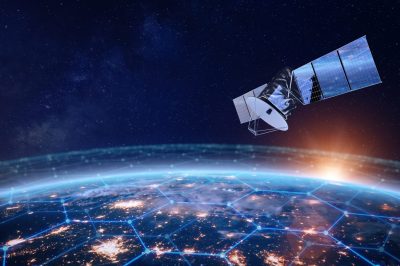
That doesn’t mean there’s nothing happening. A recent estimate by analysts at Morgan Stanley estimate that the space business is raking in $350 billion in annual revenues, on its way to $1.1 trillion by 2040. And while guys like Elon Musk (founder of SpaceX) and Jeff Bezos (founder of Blue Origin) are aiming for the stars, the reality is more mundane.
Spending on space is currently dominated by ground-based equipment that communicates with satellites orbiting the earth (33%), consumer TV (29%), government (25%) and other (13%). Morgan Stanley reckons that by 2040, 37% of spending on space will be directed at growing satellite broadband access to the internet. The ground equipment component will drop to 19% of spending, government spending will drop to 17%, consumer TV’s share will drop to 9%, spending on consumer broadband will rise to 8% and other spending will account for 10% of revenues.
Cui bono? Who benefits? Mass production of satellites is expected to lower the $500 million cost per satellite to something like $500,000, and companies like ViaSat and HughesNet will be launching lots of satellites to bring internet services to the 3.6 billion people around the world who do not currently have access to them. Those services now cost between $50 and $150 a month, depending on how much data a customer uses and how fast the connection is. That’s pretty pricey in many parts of the world and will depend on other technologies (5G terrestrial networks, for example). Morgan Stanley estimates that costs-per-megabyte will drop to 1% of today’s levels.
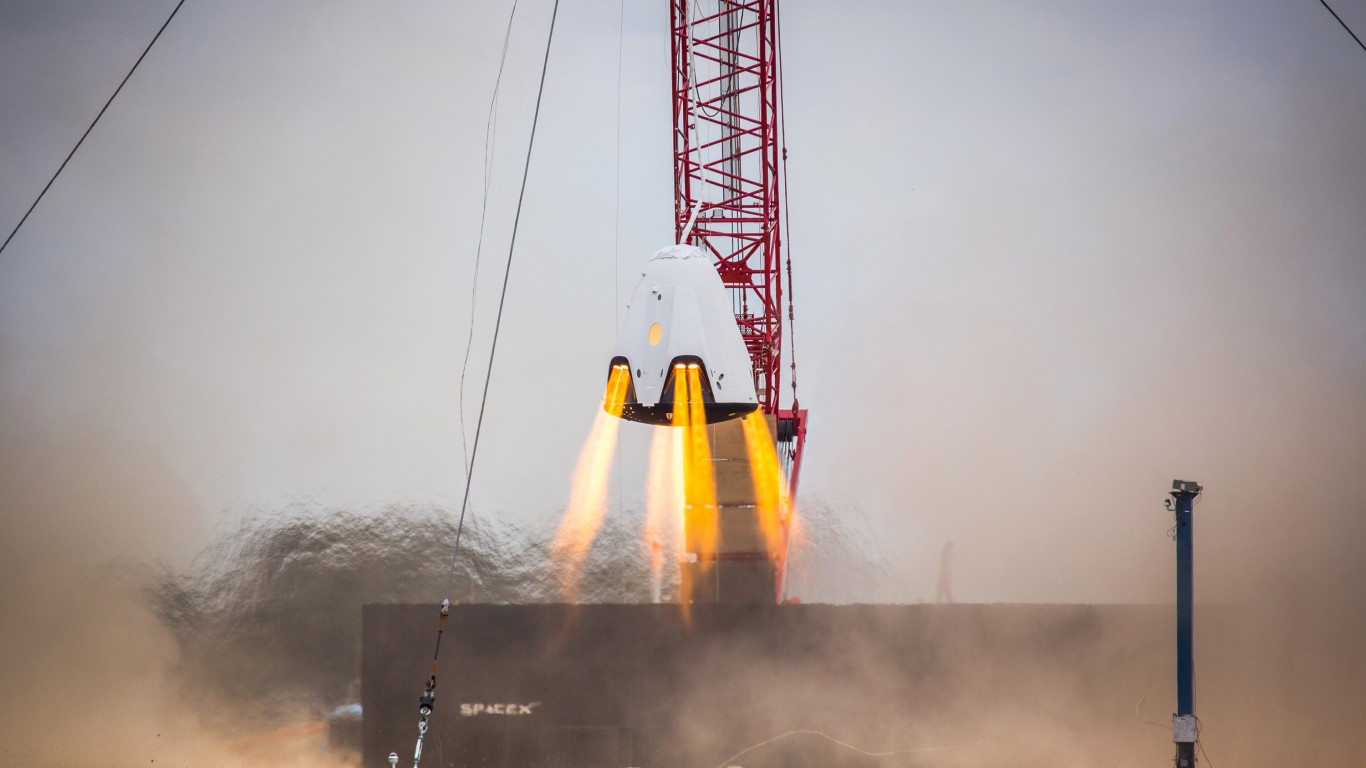
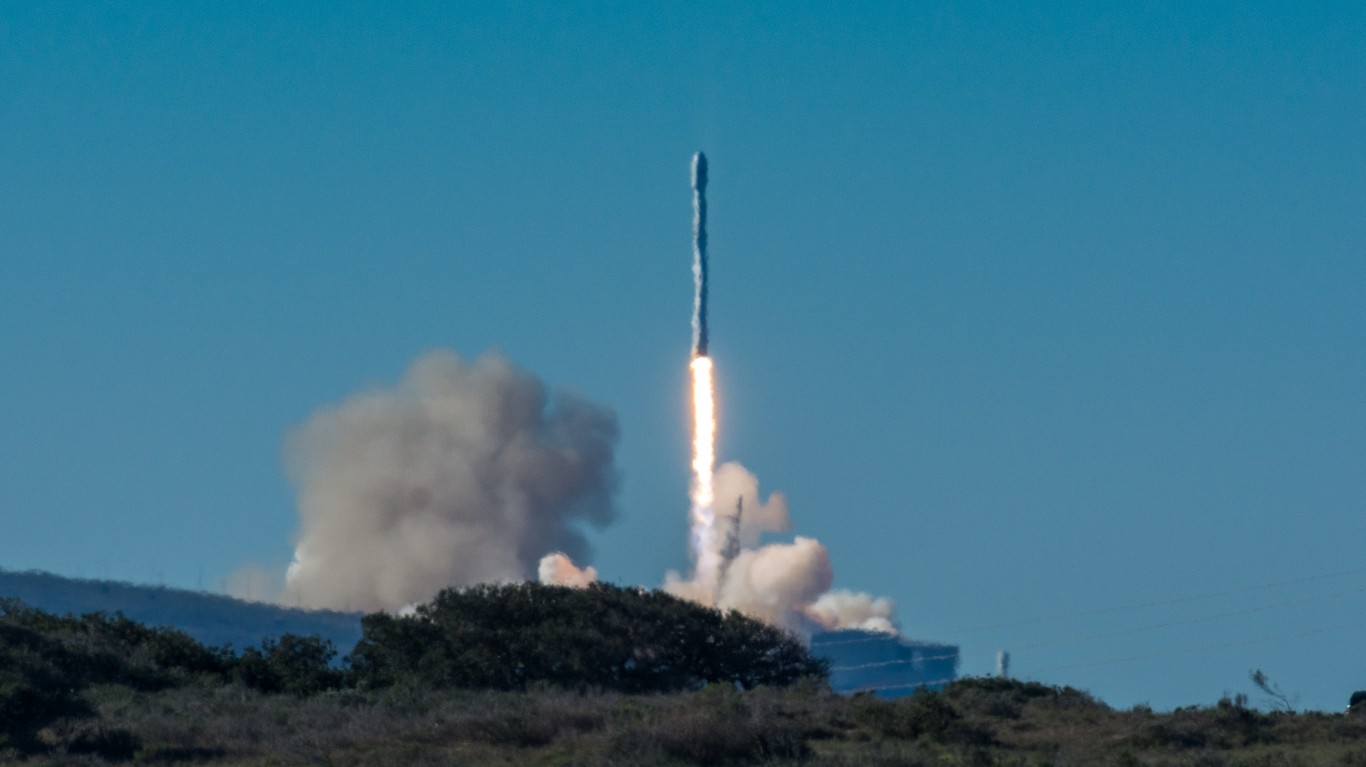
Rocket companies like SpaceX and Blue Origen are focused on reusable rockets to launch satellites, astronauts and, ultimately, tourists and colonizers into space. Launching a satellite into space now costs about $60 million, considerably less than the $200 million or so that the Boeing-Lockheed joint venture, United Launch Alliance, once charged. Launch costs could drop to just $5 million, according to Morgan Stanley.
There are also revenue opportunities in package delivery (UPS and FedEx probably have the inside track here), private space travel (SpaceX and Blue Origin), space colonization (SpaceX has its eye on Mars) and mining on asteroids (Deep Space Industries and Planetary Resources, the latter counting Google co-founders Larry Page and Virgin founder Sir Richard Branson among its investors).
The big opportunity, at least over the next 20 years, is satellite broadband. Reusable rockets have pared the cost of launching a satellite by a factor of around three and that number continues falling. Mass production of satellites will lower the costs even further in the near and medium terms. But space tourism, colonization of other planets and mining asteroids are likely to be the headline-grabbing programs. They extend the wonderment of that first moon landing of 50 years ago, and it appears that none will take another 50 years to achieve.
[recirclink id=510068]
[wallst_email_signup]









 Top Gaining Stocks
 Top Losing Stocks