


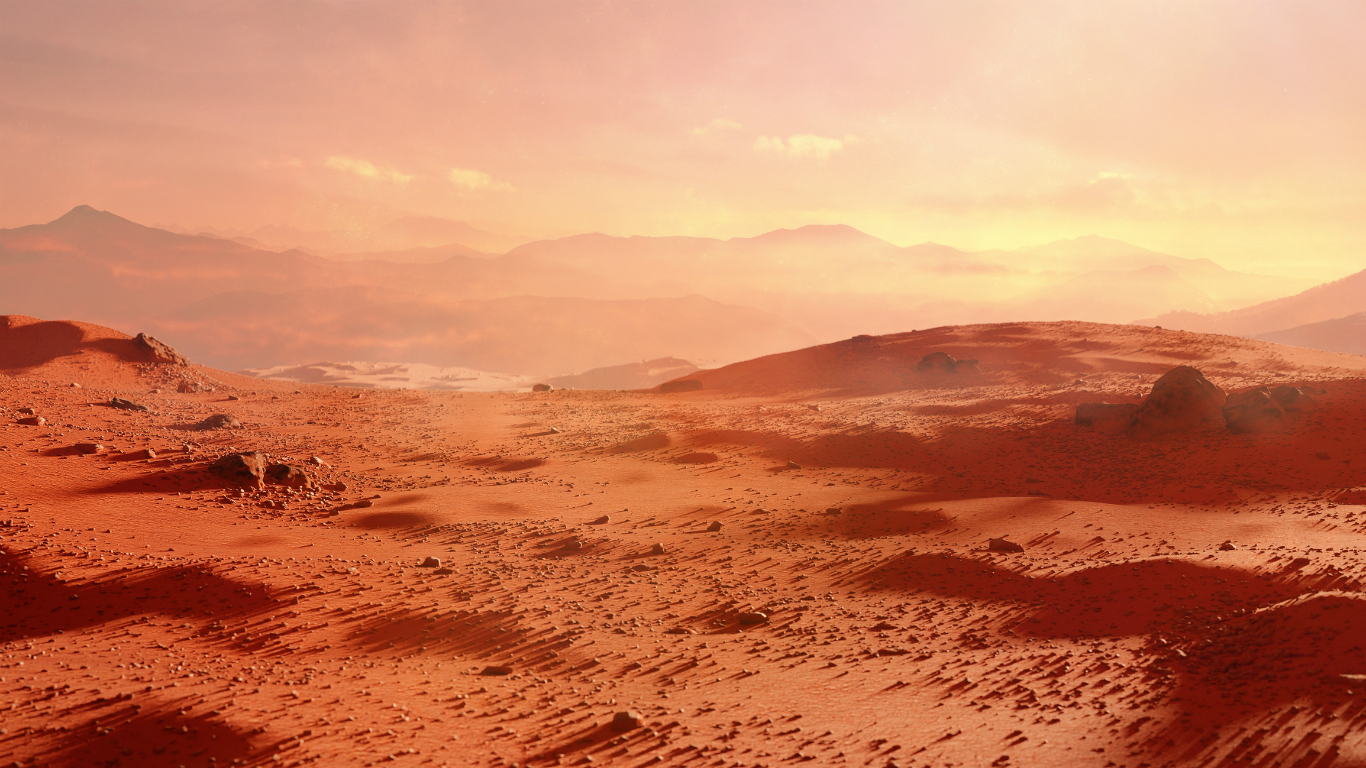
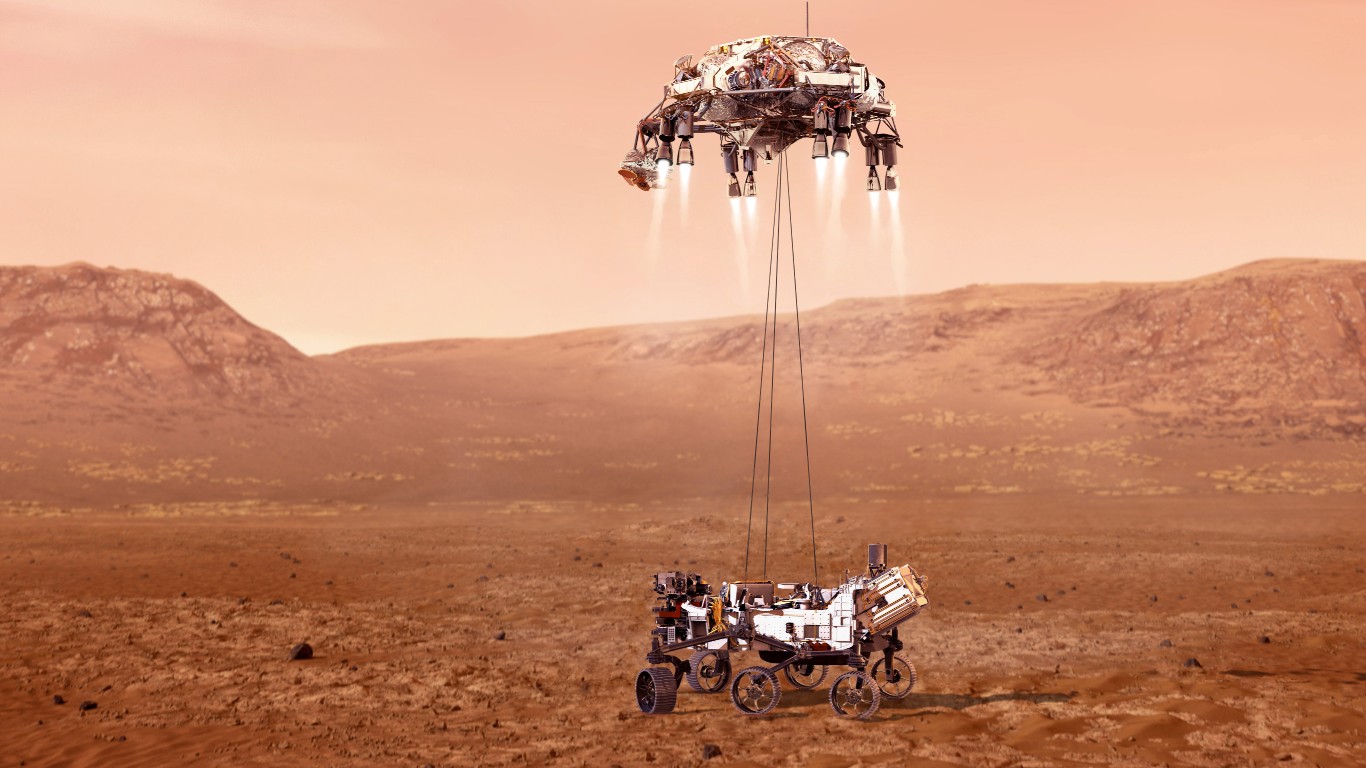
For decades science fiction writers and movie producers have created stories about life on Mars. There are no small human-like creatures on the Red Planet. However, NASA has sent probes there and continues to look for signs that there may have been life on Mars at some point in the last tens of thousands of years. It turns out, however, that with all NASA’s scientific expertise, its researchers may be looking in the wrong place. Even so, scientists have plenty of reasons to think there is life on other planets.
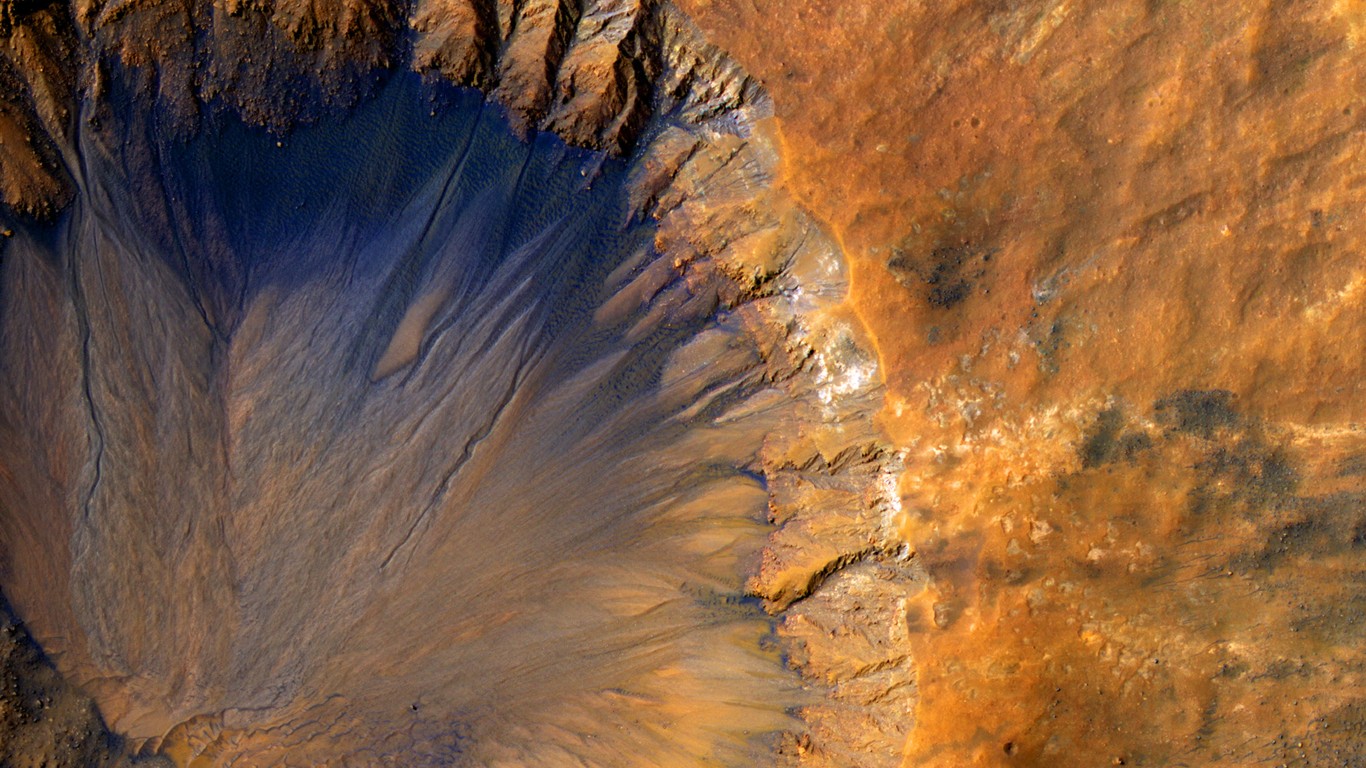
In research published by Swiss scientists in the journal “Frontiers in Earth Science”, a new theory has emerged. The kind of rock found on most of the Mars surface is not the type that holds fossils, at least not on Earth. These scientists believe that probes sent to Mars need to look at rock formations like those that do have evidence of life on Earth–sedimentary rocks. All fossil found on Earth are in these formations. Scientists believe areas of Mars that may have potential habitats consist of igneous rocks. They say a terrestrial accounting of fossils in volcanic rocks as a possible source of a fossil record is missing. Only recently have scientists discovered that the igneous oceanic crust on Earth, the largest aquifer system on the planet, is potentially the world’s biggest microbial habitat.
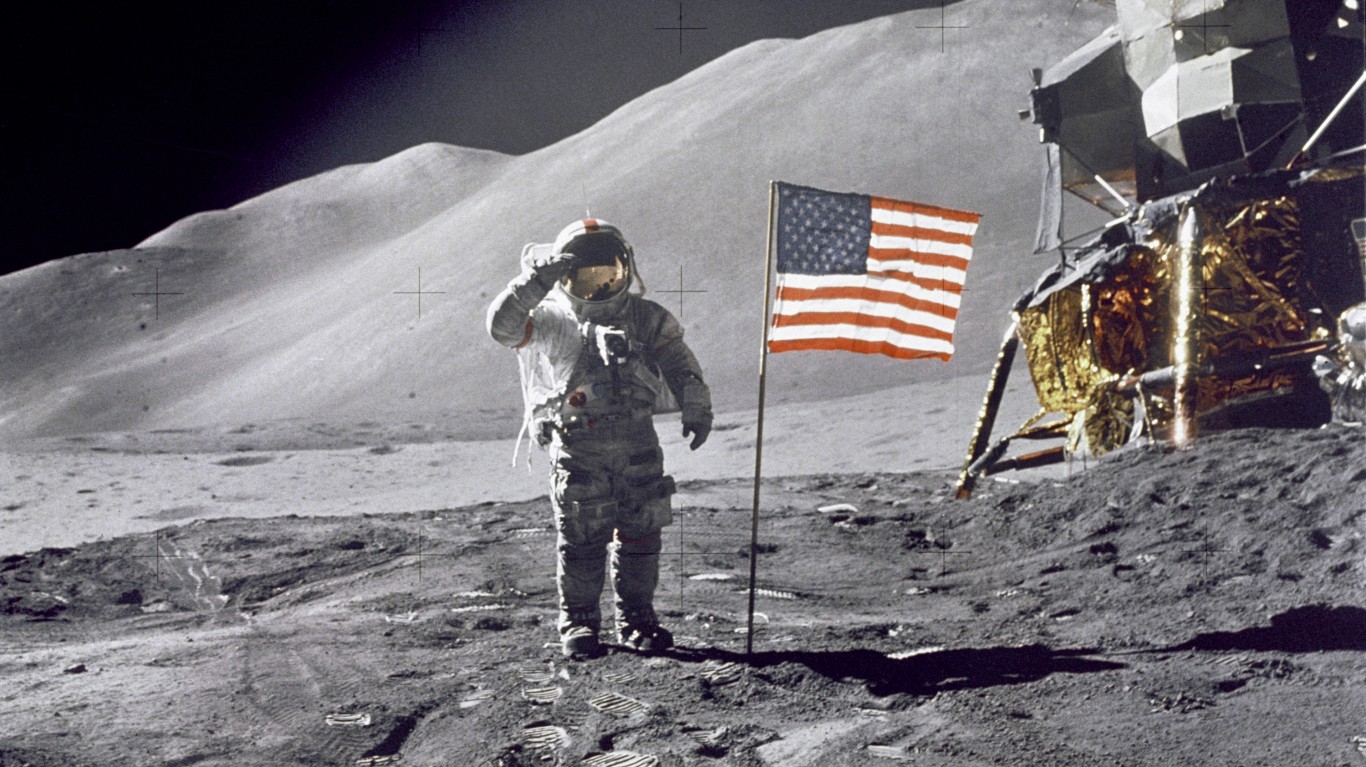
Dr. Magnus Ivarsson, the lead author of the study wrote:”We propose a ‘volcanic microfossil atlas’ to help select target sites for missions seeking evidence of extraterrestrial life, such as the NASA Mars mission 2020 and ExoMars. The atlas could also help us recognize what Mars microfossils might look like, by identifying biosignatures associated with different types of fossilized microbes.” The United States first orbited Mars in 1971, and the Soviet Union landed on Mars the next year, two of the most unforgettable moments in space exploration.
Part more pointedly, it is a waste of time and effort to land probes in areas where the chance of finding fossils is close to non-existent.
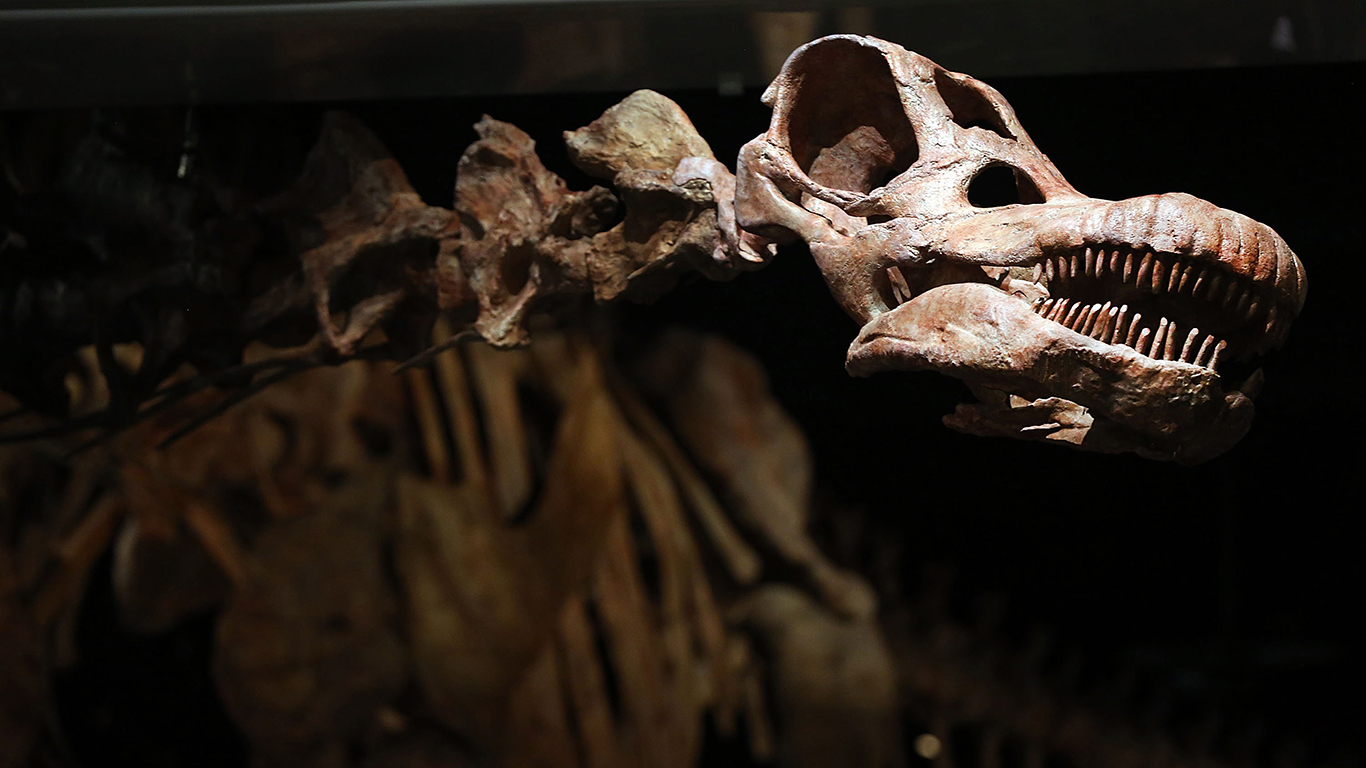
The study’s authors believe a more comprehensive accounting of fossils on Earth is needed to help develop a fossil atlas for Mars. Earth based fossils may date back as far as 3.8 billion years and are one of the absolute oldest things in the world.
By most calculations, the Earth is about 4.5 billion years old. The earliest fossils are of microbes, which lived either in the deep oceans or on continental coasts, the researchers say and are among the most famous fossils ever found.






 Top Gaining Stocks
 Top Losing Stocks