


The shares were down $40.94 to $509.45 early Tuesday afternoon after trading to as low as $502.08.
So, what does activist investor Carl Icahn do? He snaps up another $500 million in Apple shares, according to a tweet he made on Twitter.
Assuming Icahn is accurately reporting the size of his purchases, he has bought some $4.1 billion in Apple shares since last summer. Why? He wants Apple to substantially increase its stock buyback program to around $50 billion for the current fiscal year. That would boost the return on his stake. If he doesn’t get his way, he makes vague threats of a proxy fight.
Icahn’s argument is twofold. He thinks Apple has terrific opportunities in new products: wrist watches and televisions are two possible products he thinks the company should consider.
His second is that, regardless of the investment required needed to get new products to market, Apple is sitting on way too much cash and other liquid assets. At the end of the first quarter, in fact, Apple had $158.8 billion in cash, short-term securities and long-term securities — 70.5 percent of total assets. That was up from $146.8 billion at the end of the fourth quarter and $137.04 billion a year ago.
At the same time, Apple spent just $1.3 billion in research and development in the first quarter, up from $1 billion a year ago.
The cynic could argue that the Icahn is just being Icahn. He likes to swoop in on a company, argue that its management is incompetent or isn’t deploying its cash efficiently. Then, he demands that more cash be returned to shareholders. It’s a strategy that has made him a billionaire.
Icahn hasn’t done badly playing with Apple shares. He bought his original stake at something under $468 a share. So, he has a 9 percent return at least on those shares, probably more. That doesn’t include dividends. It appears that he started to buy his original stake starting in early July when the shares were at around $400.
He’s been buying ever since, largely in $500 million increments. He bought $500 million on January 22 and again on January 23, when the stock closed $556.18.
Apple has been paying dividends and buying back shares in a big way — just not big enough for Icahn. The company paid out $2.76 billion in dividends in the fiscal-first quarter alone and bought back $5.03 billion in shares, part of a $100-billion buyback program.
Over the past six quarters, it has paid out $15 billion in dividends and spent $28 billion on share buybacks, Chief Financial Officer Peter Oppenheimer said during Monday’s conference call.
So, shareholders should be happy, but they’re not. With today’s drubbing, the shares are down 9 percent for the month and are trading at their levels since October.
Apple’s revenue growth in the first quarter was only 6 percent from a year ago, thanks to 29 percent revenue growth in China. Revenue in the Americas was down 1 percent to $20.1 billion.
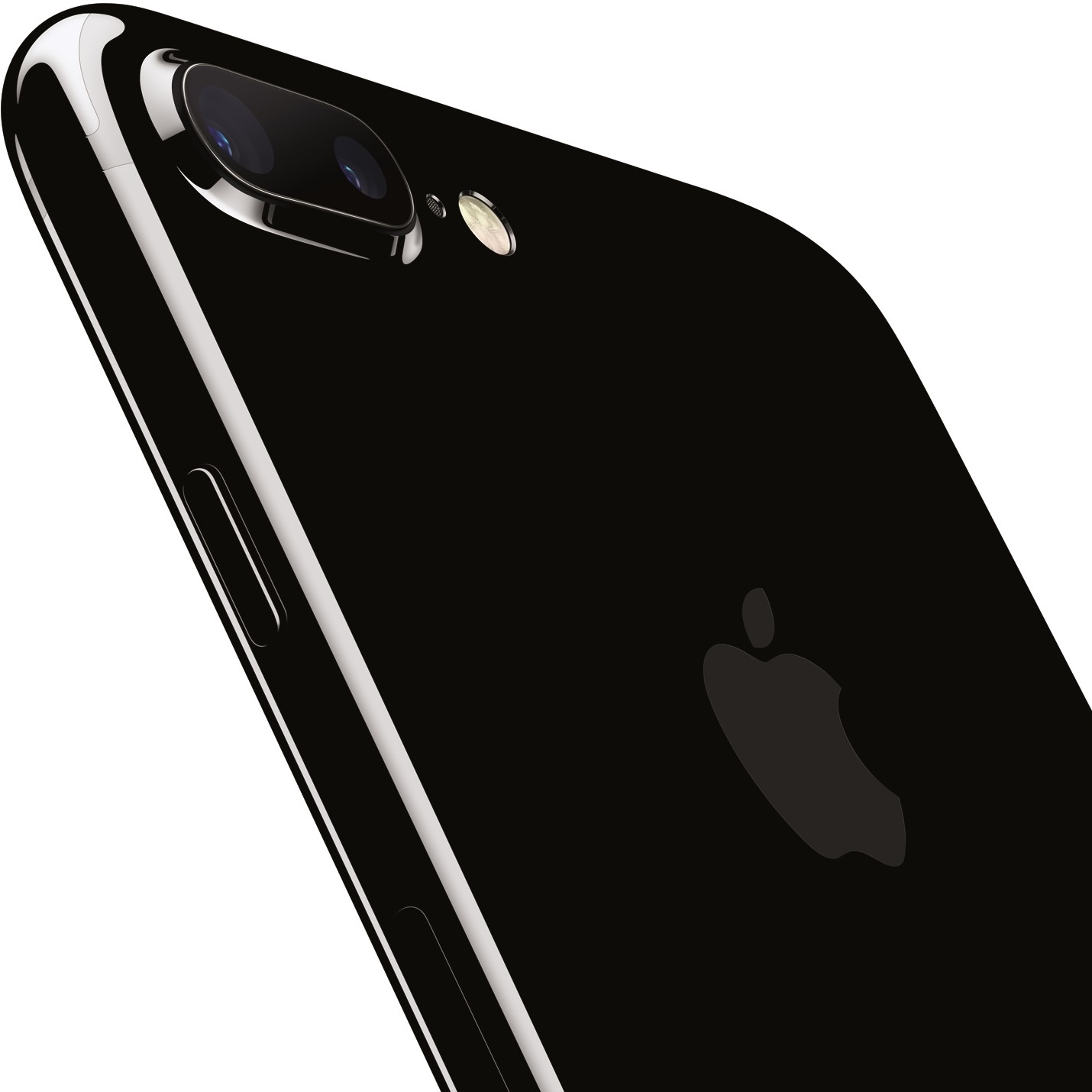
Apple sold 51 million iPhones for $32.5 billion, but the Street was expecting sales to hit some 56 or 57 million units. The iPhone represents more than 56 percent of total revenue.
The first-quarter guidance was for revenue of $42 billion to $44 billion, despite signing a deal to sell iPhones through China Mobile. Wall Street was expecting $46.05 billion; the highest estimate has been for $49.7 billion.






 Top Gaining Stocks
 Top Losing Stocks