


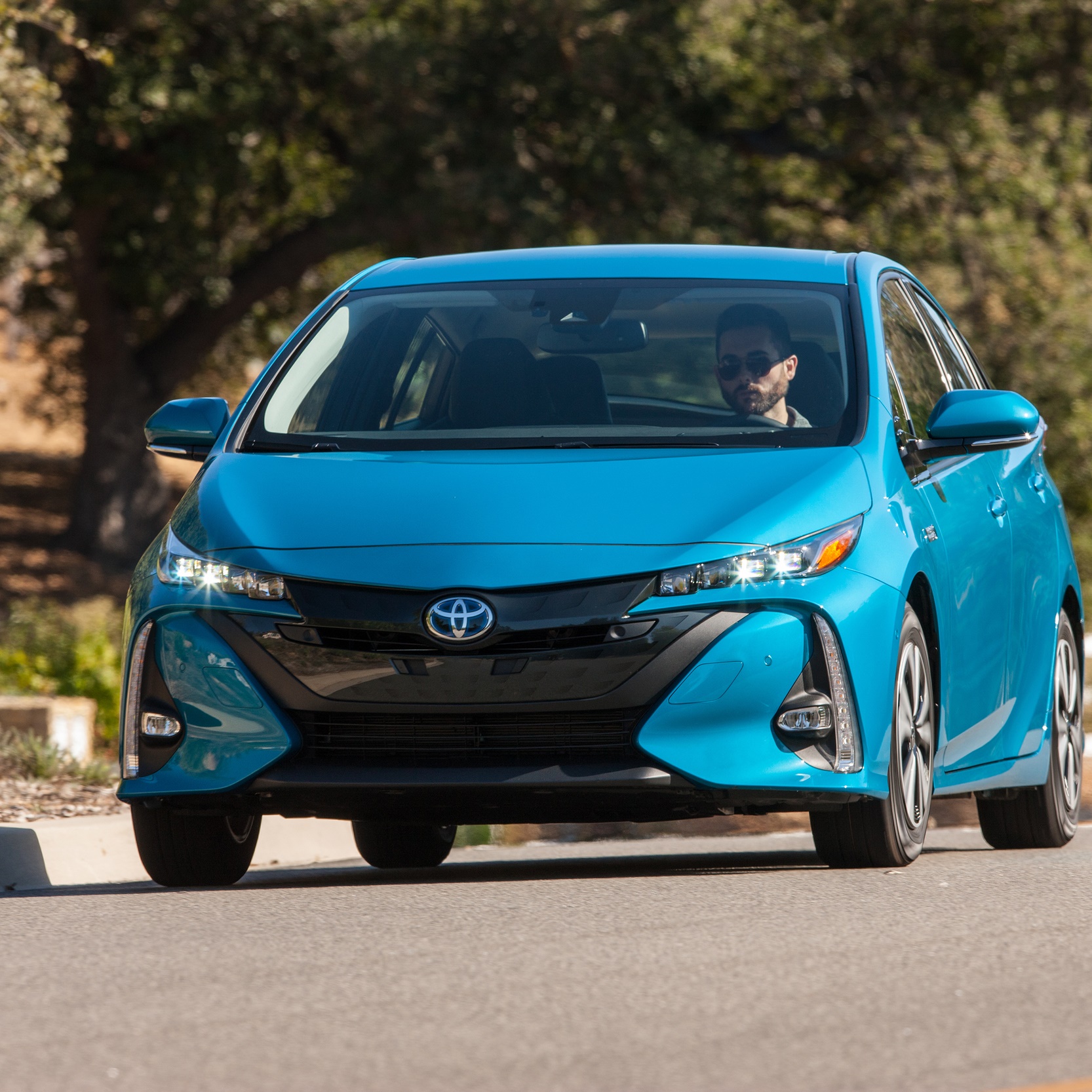
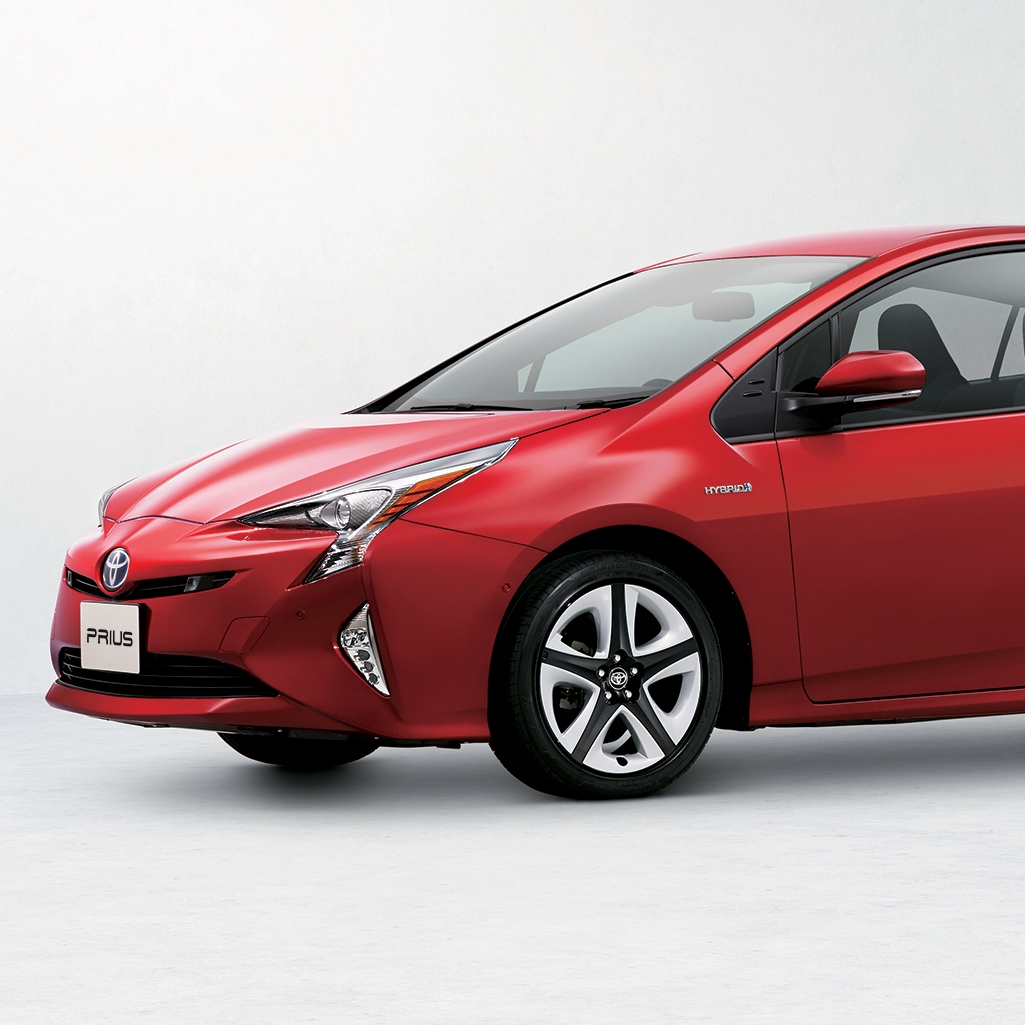
 Up until now, the biggest obstacle to the sale of hybrid cars is that some Americans think the people who drive them are sissies. That may be true, but Toyota (TM) has sold more than one million of its Prius models worldwide. Honda is not far behind with its less expensive models. The Big Three could not fit all their electric and ethanol-powered cars onto the showroom floor at the Detroit Car Show.
Toyota now admits that the sales of its Prius are dying in the US. That is because of two things. One is that no cars are selling at all. The other is that hybrids are expensive. The price of all the extra technology gets passed on to the consumers.
US auto firms are getting into the "green" car business at just the wrong time, which is consistent with the rest of their behavior over the last four decades. Oil prices are moving back toward $30 and many economists believe this that will be the new normal. China and India have cut imported oil as their economies slow. Americans would rather ride bikes that drive cars.
When Americans do look at a new car, their vision is likely to be short-sighted. Gasoline is back under $1.70 and if oil moves down further prices will fall more. If a hybrid runs $5,000 more than a traditional gas car, who is going to pay that difference to save the environment. No one, particularly when the cost of filling up is down by more than half what is was last summer. Who cares what happens in 2015?
The green car revolution was based on the premise that the average man could help the Amazon rain forests and save money on driving at the same time.
Send a memo to the monkeys. The trees are going away.
Douglas A. McIntyre






 Top Gaining Stocks
 Top Losing Stocks