


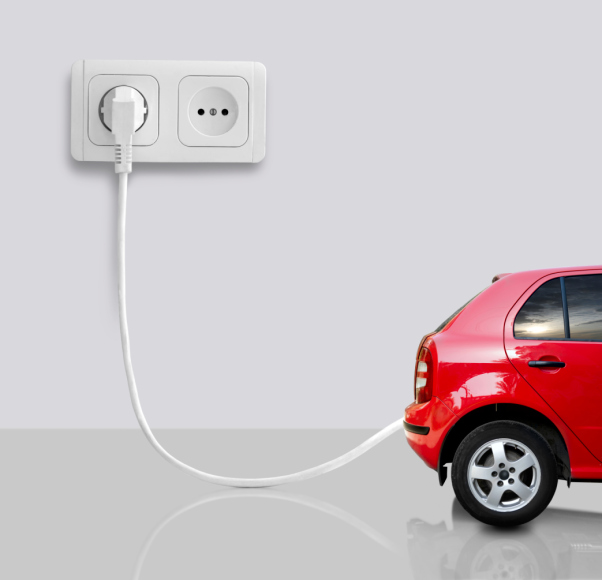
In an article in IEEE Spectrum magazine, a visiting scholar at the University of California-Berkeley says that moving from fossil-fuel powered vehicles to electric vehicles (EVs) “begins to look more and more like shifting from one brand of cigarettes to another.” That’s certainly not what the doctor ordered.
Part of the problem is that industry-sponsored university research into EVs often don’t ask the right questions. A research proposal on the efficacy of electric vehicles is far more likely to be funded than is a proposal to study the effects of reducing the weight of an EV by using aluminum rather than steel. Aluminum requires far more energy to mine, refine, and manufacture than does steel.
The study’s author, Ozzie Zehner, cites a 2010 study published by the National Academies called “Hidden Costs of Energy,” which he says is the most comprehensive study to date of the effects of electric cars. EVs don’t fare so well.
The National Academies study concluded, says Zehner, that EVs’ “lifetime health and environmental damages (excluding long-term climatic effects) are actually <em>greaterl</em> than those of gasoline-powered cars. Indeed, the study found that an electric car is likely worse than a car fueled exclusively by gasoline derived from Canadian tar sands.”
As for those long-term climatic effects, the National Academies found that over the lifetime of a vehicle EVs do produce “marginally” lower overall impacts on climate. But the difference in greenhouse-gas emissions is negligible between an EV and a car that uses low-sulfur diesel fuel.
That’s a stinging indictment of EVs and to the governments that subsidize them.











 Top Gaining Stocks
 Top Losing Stocks