


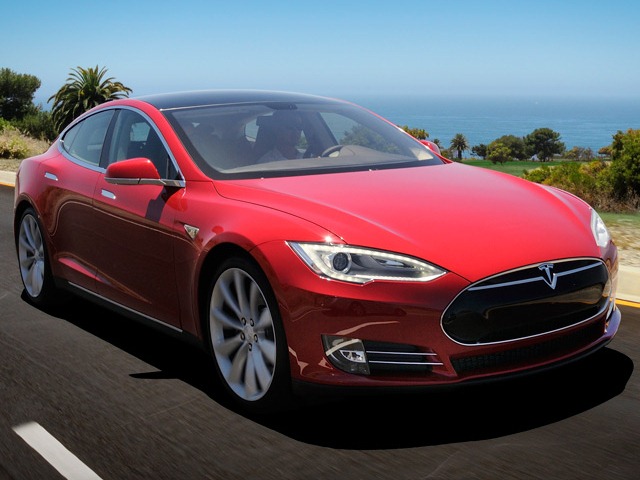
In a post on the company’s official blog, Tesla accuses the Christie administration of going back on its word to let the state legislature decide whether to allow Tesla to sell its cars directly:
The Administration has decided to go outside the legislative process by expediting a rule proposal that would completely change the law in New Jersey. This new rule, if adopted, would curtail Tesla’s sales operations and jeopardize our existing retail licenses in the state. Having previously issued two dealer licenses to Tesla, this regulation would be a complete reversal to the long standing position of NJMVC on Tesla’s stores. Indeed, the Administration and the NJMVC are thwarting the Legislature and going beyond their authority to implement the state’s laws at the behest of a special interest group looking to protect its monopoly at the expense of New Jersey consumers. This is an affront to the very concept of a free market.
The company wants the Christie administration to withdraw the proposed amendment, or at least amend it to reflect what Tesla claims is the “true intent of the Legislature and the people of New Jersey.”
Tesla also faces headwinds in Ohio, New York, Minnesota and Georgia, where auto dealers have backed lawsuits prohibiting Tesla from selling directly to consumers in the state. Texas dealers have succeeded in blocking direct sales, while Virginia and Arizona successfully imposed some limits. Tesla did score a win of sorts in the state of Washington, where the company was exempted from tighter franchise regulations passed by the state’s legislature.
At issue is the way new cars have been sold practically since there have been new cars. Automakers like General Motors Co. (NYSE: GM), Ford Motor Co. (NYSE: F) and Chrysler Group sell vehicles through a franchise model that has been in force since 1937. The National Automobile Dealers Association (NADA) has not taken an official position on the issue yet.
Tesla argues that it is selling a new technology as much as it is selling a new car, and that the direct sales model gives the company’s employees incentive to make sure customers understand how that technology works. A Tesla official told Bloomberg News, “There is nothing in the history of the franchise auto-dealer model which would suggest that we could be successful in that context at this time. Nothing.” He said that may change in the future, “But that future is not now.”
The franchise system also benefits states that collect sales taxes on dealers’ sales, typically employs thousands of employees and pays millions of dollars in business taxes. While Tesla is no imminent threat to that system, dealers are worried that once the barn door is opened, the horsepower will be gone forever.





 Top Gaining Stocks
 Top Losing Stocks