


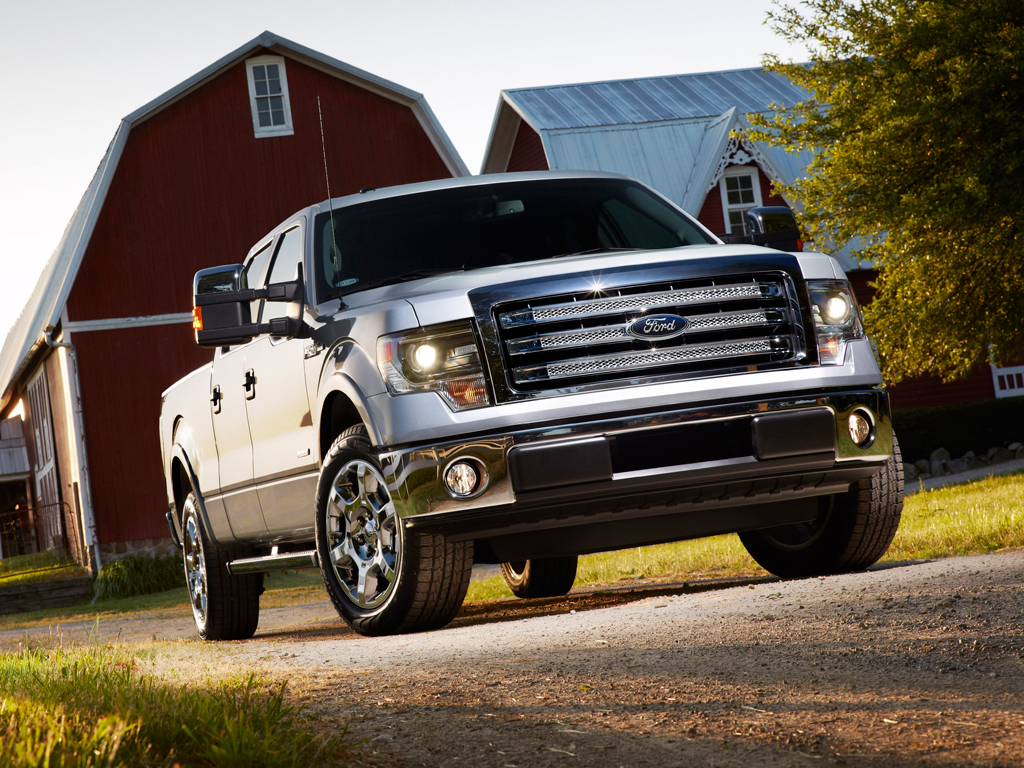
The news may not have mattered on any given week, but with stories of CEO Alan Mulally set to “retire” boiling up, it was a report we wanted to look into.
Fitch talked up Ford’s strong liquidity position, relatively low leverage and improved North American profitability. The raised outlook to Positive from Stable reflects an expectation that Ford’s European profitability will continue to improve over the intermediate term. It is also based on the expectation that automotive debt will continue to decline, at the same that geographical diversification of unit sales will continue to grow.
READ ALSO: Xerox Earnings Analysis: Value Trap in Turnaround
One other serious issue will stand out here – the Positive outlook reflects the significant improvement in the funded status of the company’s pension plans. Fitch said of Ford:
Overall, Ford’s increasingly competitive product portfolio and lower cost structure have positioned the company to withstand the significant cyclical and secular pressures faced by the global auto industry. Incorporated into Ford’s ratings is Fitch’s expectation that the company has sufficient financial flexibility to maintain an investment-grade credit profile throughout a period of severe economic stress.
The report is not without warnings. Fitch said that while Ford’s finances have improved significantly since the last economic downturn, Ford does continue to face numerous risks. Some of these risks are the inherent cyclicality of the global auto market, the European recovery remains tenuous (without a return to pre-crisis levels any time soon), geopolitical issues, exposure to volatility in fuel prices and raw material costs, technological change, increasingly stringent emissions and safety regulations, and on and on.
READ ALSO: America’s Best and Worst Airlines
Another risk is the long-term potential for manufacturers from developing markets such as China and India to ultimately move into more mature markets. On this notion, Ford said:
Although Ford will have to contend with these risks over the long term, the company’s improving product portfolio, strong liquidity, declining debt levels, reduced pension obligations, and lower cost structure have put it in a better position to effectively meet these challenges while competing alongside strong competitors from Asia and Europe.
Ford’s automotive net cash position was more than $9 billion at the end of 2013, plus it had additional sources of liquidity that would give it sufficient flexibility to withstand a severe decline in cash without falling into financial distress.
Fitch addressed Ford’s pension liabilities by saying:
Ford contributed $5.4 billion to its global pension plans in 2013, including $3.4 billion in discretionary contributions to its U.S. plans. In 2014, Ford plans to contribute $1.9 billion to its global funded and unfunded pension plans, most of which will be required contributions to non-U.S. plans, as the company is not likely to have any required U.S. contributions. Ford has noted that it intends to contribute between $1 billion and $2 billion annually to its global funded plans in 2015 and 2016, which will allow the company to fully fund and de-risk its funded plans. Once fully funded and de-risked, the company has noted that contributions will likely run in a range of only $500 million to $700 million per year to cover service costs.
Ford shares were still up 0.7% at $16.09 in mid-day trading Tuesday, against a 52-week range of $13.11 to $18.02. The consensus analyst price target from Thomson Reuters remains more than 10% higher at $17.80. Ford’s dividend yield is currently 3.1%.










 Top Gaining Stocks
 Top Losing Stocks