


Toyota’s overall performance increased:
Consolidated vehicle sales for the first quarter totaled 2,241,285 units, an increase of 9,426 units compared to the same period last fiscal year. On a consolidated basis, net revenues for the period totaled 6.39 trillion yen, an increase of 2.2 percent compared to the same period last fiscal year. Operating income increased from 663.3 billion yen to 692.7 billion yen, while income before income taxes was 771.8 billion yen. Net income increased from 562.1 billion yen to 587.7 billion yen.
ALSO READ: Cars So Hot They Are Out of Stock 2014
U.S. unit sales offset weak results in Japan, Asia and modest sales in Europe:
In Japan, vehicle sales totaled 505,827 units, a decrease of 19,950 units. Operating income decreased by 90.1 billion yen to 365.9 billion yen. In North America, vehicle sales totaled 710,409 units, an increase of 21,753 units. Operating income, excluding the impact of valuation gains/losses from interest rate swaps, increased by 46.1 billion yen to 149.7 billion yen. In Europe, vehicle sales totaled 207,481 units, an increase of 14,970 units, while operating income increased by 5.6 billion yen to 10.8 billion yen. In Asia, vehicle sales totaled 385,376 units, a decrease of 9,490 units, while operating income increased by 6.2 billion yen to 110.3 billion yen. In other regions (including Central and South America, Oceania, Africa and the Middle East), vehicle sales totaled 432,192 units, an increase of 2,143 units, while operating income decreased by 8.4 billion yen to 34.0 billion yen.
Toyota has struggled in China because of territorial disputes between it and Japan.
Toyota is not alone in the advantage it has taken from the U.S. market. However, the Japanese company has also picked up market share in America. Total U.S. car and light truck sales rose 5% in the first seven months of the year to 9,599,284. Toyota’s sales over the same period rose 6.1% to 1,381,409. Its market share rose from 14.2% to 14.4% over the same period. Toyota’s sales were nearly as large as number two U.S. car company Ford Motor Co. (NYSE: F) at 1,476,824. And Toyota’s two primary rivals lost market share — General Motors Co. (NYSE: GM) from 18.1% to 17.8% and Ford from 16.2% to 15.4%.
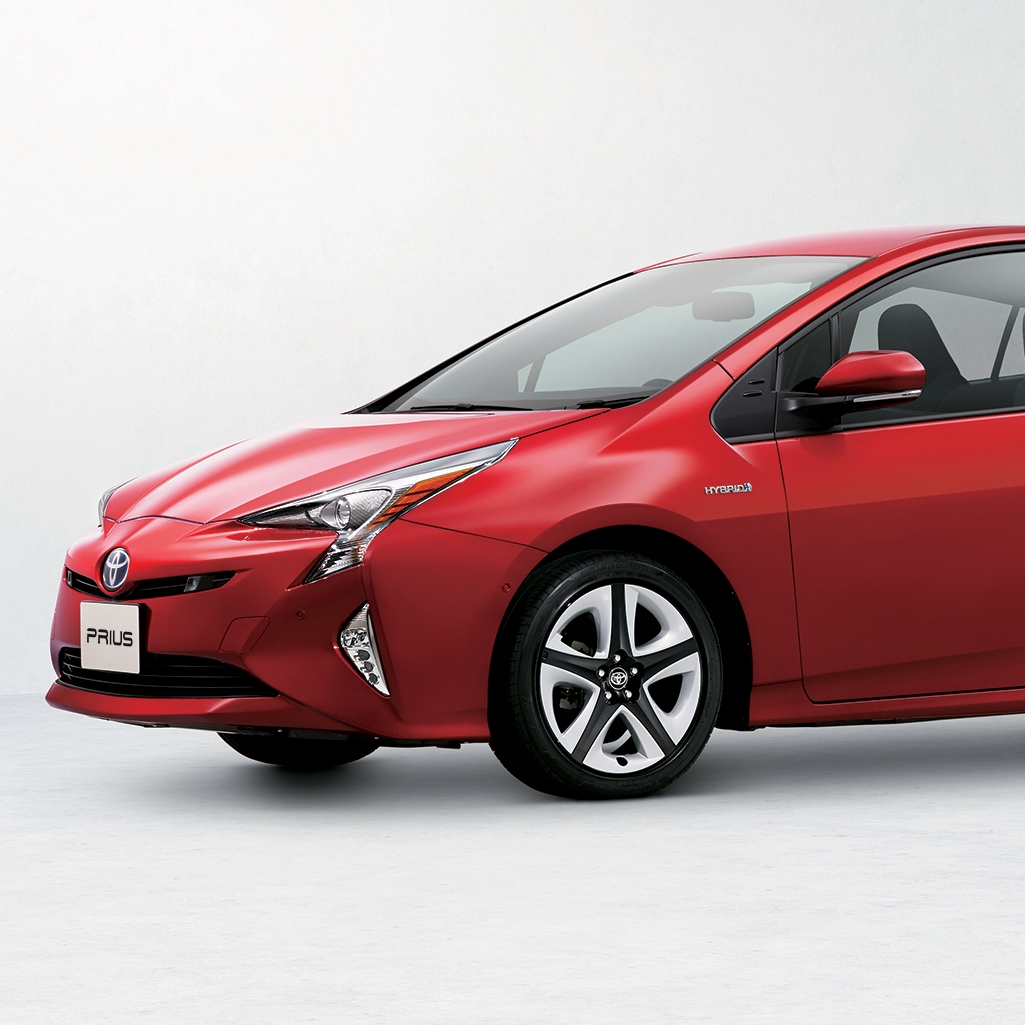
Toyota also had four of the 20 best-selling vehicles in America over the past seven months. Its Camry was the best-selling car in the United States with unit sales of 262,428. The only reason it was not at the very top of the list is the American love of pickups, which took three of the top four spots on the list. Toyota’s other best-sellers included the Corolla, RAV4 and Prius. So, the company has a spread of cars across the lower-priced, high-mpg portion of the market, and the top-selling hybrid as well.
Based on global auto trends, if Toyota can continue its U.S. success, its strong performance for the year will be almost automatic.







 Top Gaining Stocks
 Top Losing Stocks