Google Self-Driving Car Has Problems With Snow and Parking

Photo of Douglas A. McIntyre
By Douglas A. McIntyre Published
This post may contain links from our sponsors and affiliates, and Flywheel Publishing may receive compensation for actions taken through them.

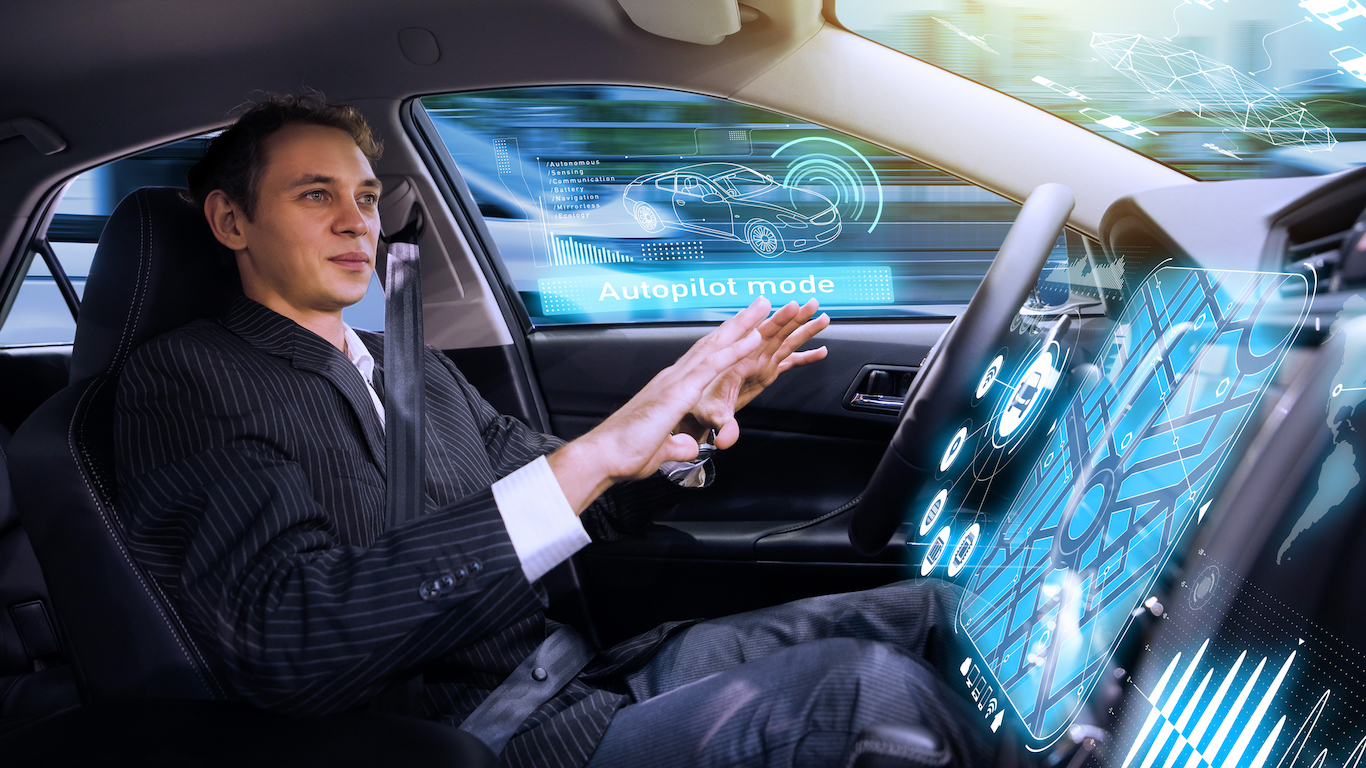
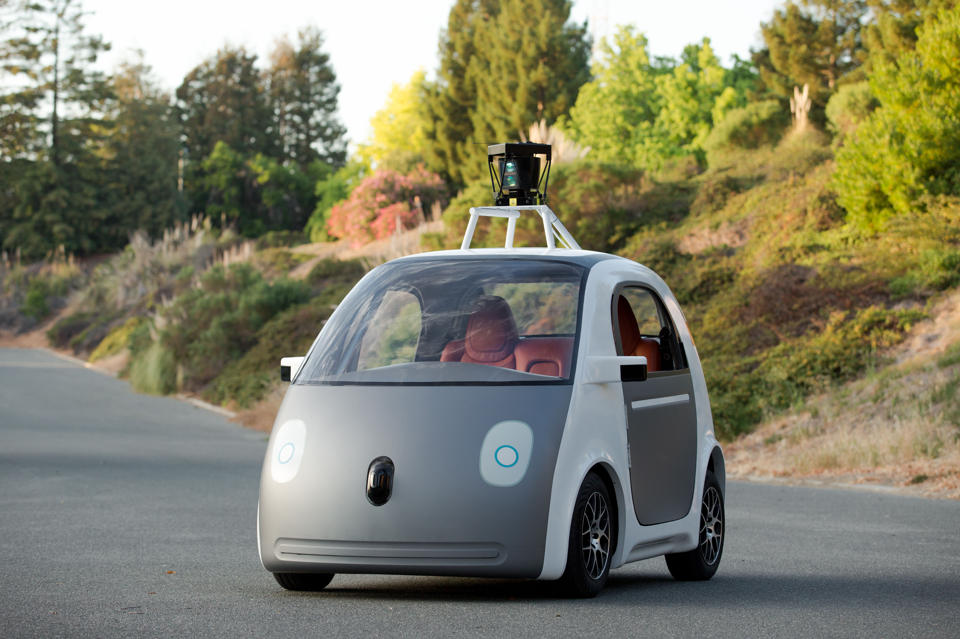
Google Inc.’s (NASDAQ: GOOG) self-driving car may drive itself, but the conditions in which it can operate effectively are very limited. These observations come from an article in the MIT Technology Review. In some ways, the self-driving car is not self-driving at all. The research shows how easy it is for hype to get ahead of reality when new, widely watched products are launched.

Included in the observations about the Google self-driving car, the vehicle may have trouble in rain or snow:

Among other unsolved problems, Google has yet to drive in snow, and [Chris Urmson, director of the Google car team] says safety concerns preclude testing during heavy rains.

Parking lots also pose a problem:

Nor has it tackled big, open parking lots or multilevel garages.

It also has trouble spotting some people:

Pedestrians are detected simply as moving, column-shaped blurs of pixels—meaning, Urmson agrees, that the car wouldn’t be able to spot a police officer at the side of the road frantically waving for traffic to stop.

READ ALSO: 9 Cars Most Likely to Be Dumped

Nor can the car detect most road damage:

The car’s sensors can’t tell if a road obstacle is a rock or a crumpled piece of paper, so the car will try to drive around either. Urmson also says the car can’t detect potholes or spot an uncovered manhole if it isn’t coned off.

In summary, the MIT publication concludes that the car is barely able to do many of the things the public believes it can:

Google often leaves the impression that, as a Google executive once wrote, the cars can “drive anywhere a car can legally drive.” However, that’s true only if intricate preparations have been made beforehand, with the car’s exact route, including driveways, extensively mapped. Data from multiple passes by a special sensor vehicle must later be pored over, meter by meter, by both computers and humans. It’s vastly more effort than what’s needed for Google Maps.

Google, according to public perception, has taken the lead in the entire car industry as it moves toward a world in which drivers can play games, sleep, read and work on computers while their vehicles navigate and drive themselves. As part of this world, car insurance can come close to disappearing. Car accidents will plunge toward zero. In reality, very little of this is true. Google, and the world’s major car manufacturers, have miles and probably years to go before the driverless car is a reality.

READ ALSO: America’s Best Companies to Work For

Photo of Douglas A. McIntyre
About the Author Douglas A. McIntyre →

Douglas A. McIntyre is the co-founder, chief executive officer and editor in chief of 24/7 Wall St. and 24/7 Tempo. He has held these jobs since 2006.

McIntyre has written thousands of articles for 24/7 Wall St. He is an expert on corporate finance, the automotive industry, media companies and international finance. He has edited articles on national demographics, sports, personal income and travel.

His work has been quoted or mentioned in The New York Times, The Wall Street Journal, Los Angeles Times, The Washington Post, NBC News, Time, The New Yorker, HuffPost USA Today, Business Insider, Yahoo, AOL, MarketWatch, The Atlantic, Bloomberg, New York Post, Chicago Tribune, Forbes, The Guardian and many other major publications. McIntyre has been a guest on CNBC, the BBC and television and radio stations across the country.

A magna cum laude graduate of Harvard College, McIntyre also was president of The Harvard Advocate. Founded in 1866, the Advocate is the oldest college publication in the United States.

TheStreet.com, Comps.com and Edgar Online are some of the public companies for which McIntyre served on the board of directors. He was a Vicinity Corporation board member when the company was sold to Microsoft in 2002. He served on the audit committees of some of these companies.

McIntyre has been the CEO of FutureSource, a provider of trading terminals and news to commodities and futures traders. He was president of Switchboard, the online phone directory company. He served as chairman and CEO of On2 Technologies, the video compression company that provided video compression software for Adobe’s Flash. Google bought On2 in 2009.

Featured Reads

Our top personal finance-related articles today. Your wallet will thank you later.

Continue Reading

Top Gaining Stocks

CBOE Vol: 1,568,143
PSKY Vol: 12,285,993
STX Vol: 7,378,346
ORCL Vol: 26,317,675
DDOG Vol: 6,247,779

Top Losing Stocks

LKQ
LKQ Vol: 4,367,433
CLX Vol: 13,260,523
SYK Vol: 4,519,455
MHK Vol: 1,859,865
AMGN Vol: 3,818,618