



The used car sales and information site iSeeCars analyzed data from 27 million used car sales during the period 2012 to 2014 to find out just how big an impact gasoline prices have on sales.
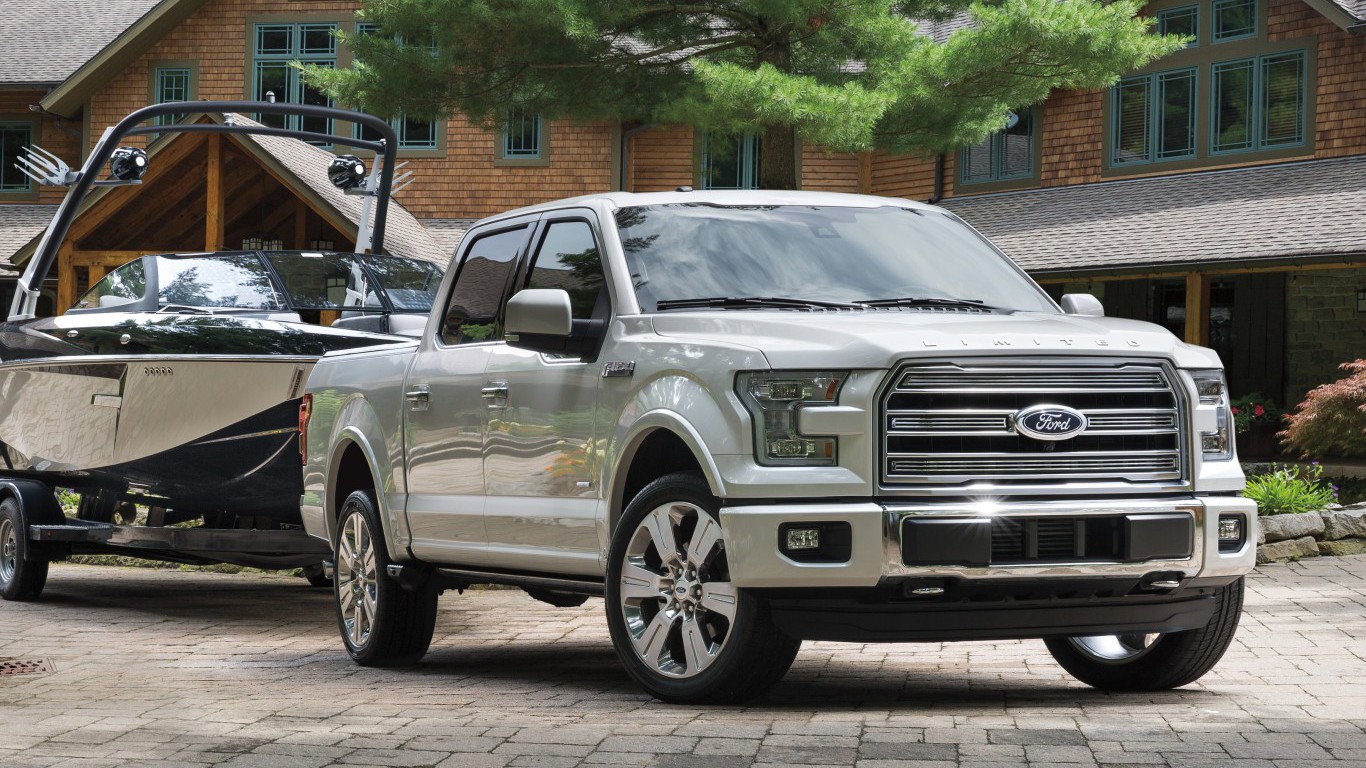
Unsurprisingly, perhaps, sales of pickup trucks rose by two points when gasoline prices fell from around $3.90 a gallon to $2.90 a gallon. That is, pickup truck sales accounted for 11.5% of all used vehicle sales when gas prices were lower, compared with 9.5% of all sales when gas prices were higher. We may extrapolate that when gas prices fell to $2.00 or so, truck sales improved even more, to perhaps as much as 13.5% of all sales.
Also unsurprisingly, passenger car sales rose by nearly 2% when gas prices were higher. With gas prices around $2.90 a gallon, 50.8% of all used vehicles sold were passenger cars, compared with 52.5% of all sales when gas prices were $3.90.
ALSO READ: New Car Fuel Economy Up 22% Since 2008
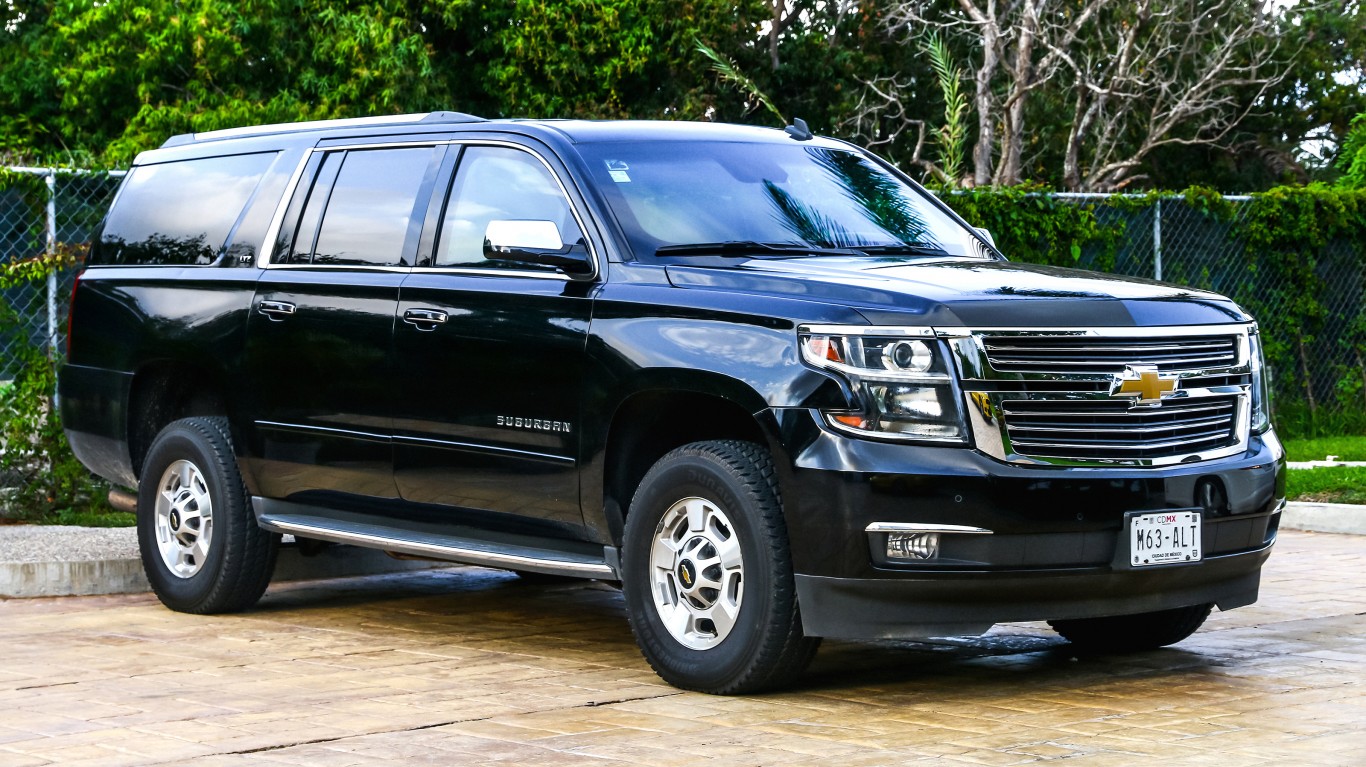
More of a surprise was the near lack of correlation between SUV and crossover sales with gas prices. Phong Ly, CEO of iSeeCars, offered this observation:
Part of the reason for the difference in SUV buyer behavior compared with pickup trucks might be that this segment is much closer in fuel efficiency to passenger cars than pickups.
The company’s study revealed an average fuel economy for pickup trucks sold was 14.3 mpg, compared with 19.3 mpg for SUVs and crossovers and 25.3 mpg for passenger cars.
Now comes the big surprise. There is virtually no correlation between sales of hybrid vehicles and gas prices. This suggests that buyers of hybrid cars are basing their purchase decisions on something other than gas prices. According to Ly:
When consumers aren’t buying so-called ‘gas guzzlers,’ they seem to shift toward slightly more fuel-efficient vehicles only — not toward the vehicles with a substantial improvement in fuel efficiency. … Our data shows that car shoppers are choosing larger vehicles that still suit their needs in terms of passenger capacity and cargo capability, and they’re perhaps compromising only slightly in these areas or even simply choosing a more fuel-efficient powertrain within a model’s lineup.
Our takeaway is that until hybrids and other alternative-fuel vehicles can meet passenger capacity and cargo requirements, buyers will continue to purchase vehicles with incremental rather than large increases in fuel efficiency. If the $3.90 per gallon price is not a tipping point for hybrid car sales, gas prices likely will have to increase well beyond that point to entice buyers for the high-mileage hybrids and electrics.







 Top Gaining Stocks
 Top Losing Stocks