


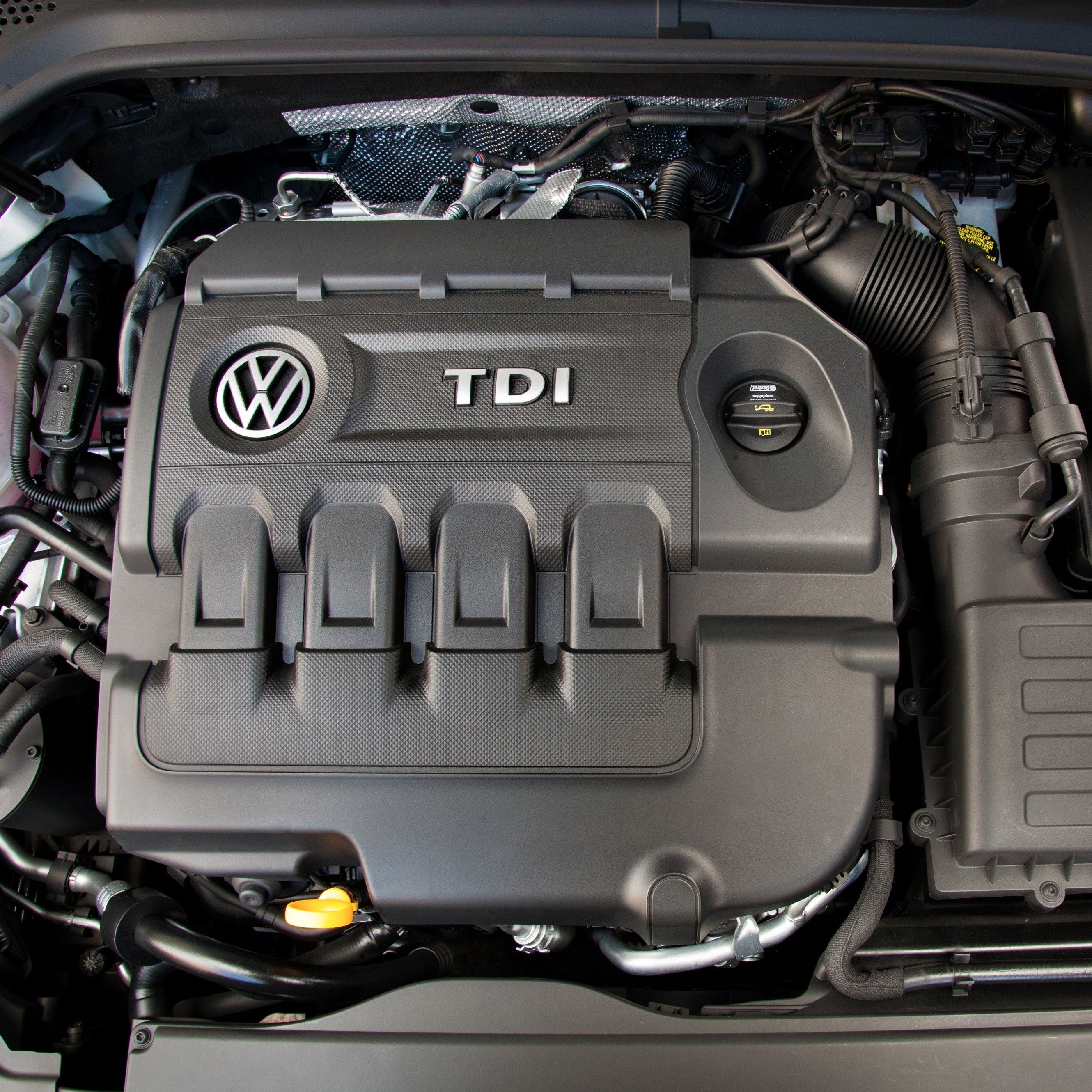
Lower temperatures cause diesel engines to emit more nitrogen oxides (NOx), U.K. research firm Emissions Analytics told the BBC. But not that low: below 18 degrees Celsius (64 degrees Fahrenheit) an average diesel-powered Euro 5 vehicle emits 4.6 times the allowed limit of NOx; at temperatures above that, the vehicles emit 3.6 times the legal limit.
Under the Euro 5 standard, diesel-powered light vehicles could emit not more than 0.18 grams/kilometer of NOx. A new standard, Euro 6, has lowered that level to 0.08 g/km. New cars that meet the Euro 6 standard perform better on the emissions scale. At temperatures above 18°C they emit 2.9 times the standard’s NOx limit; at temperatures below 18°C the NOx emissions level rises to 4.2 times the limit.
Emissions Analytics noted that the results of their tests were skewed by three especially noxious performers, but a company spokesman did not identify the cars.
[nativounit]
Last October, shortly after the revelations that Volkswagen had manipulated the emissions control systems on its diesel-powered vehicles so that the software could detect when it was being tested and curb its emissions, Emissions Analytics told The Guardian that several Mercedes-Benz, Honda and Mitsubishi models emitted “significantly more pollution on the road than in regulatory tests.” A German automobile association also tested a number of diesel-powered vehicles and found more models from more manufacturers that also emitted more NOx than the Euro 5 standard allowed.
Apparently, though, this is perfectly legal. A spokesman for Vauxhall, a British carmaker owned by General Motors Co. (NYSE: GM), responded to an accusation in German media that the company’s cars were not using one of its diesel cleaning systems 80% of the time on one model:
Exhaust gas recirculation [the emissions cleaning system] remains active at temperatures below 17C, however, for physical reasons related to engine protection as permitted by the regulations, with differing rates.
For carmakers, lowering NOx emissions means that vehicles burn more fuel and emit more carbon dioxide. The engineering challenges will increase as emissions regulations tighten again next year and are fully implemented in 2021. By that time, an industry spokesman told the BBC, the temperature issue will be solved “completely.”
[wallst_email_signup]






 Top Gaining Stocks
 Top Losing Stocks