Could Driverless Cars Kill 4 Million Jobs?

Photo of Douglas A. McIntyre
By Douglas A. McIntyre Updated Published
This post may contain links from our sponsors and affiliates, and Flywheel Publishing may receive compensation for actions taken through them.
Could Driverless Cars Kill 4 Million Jobs?

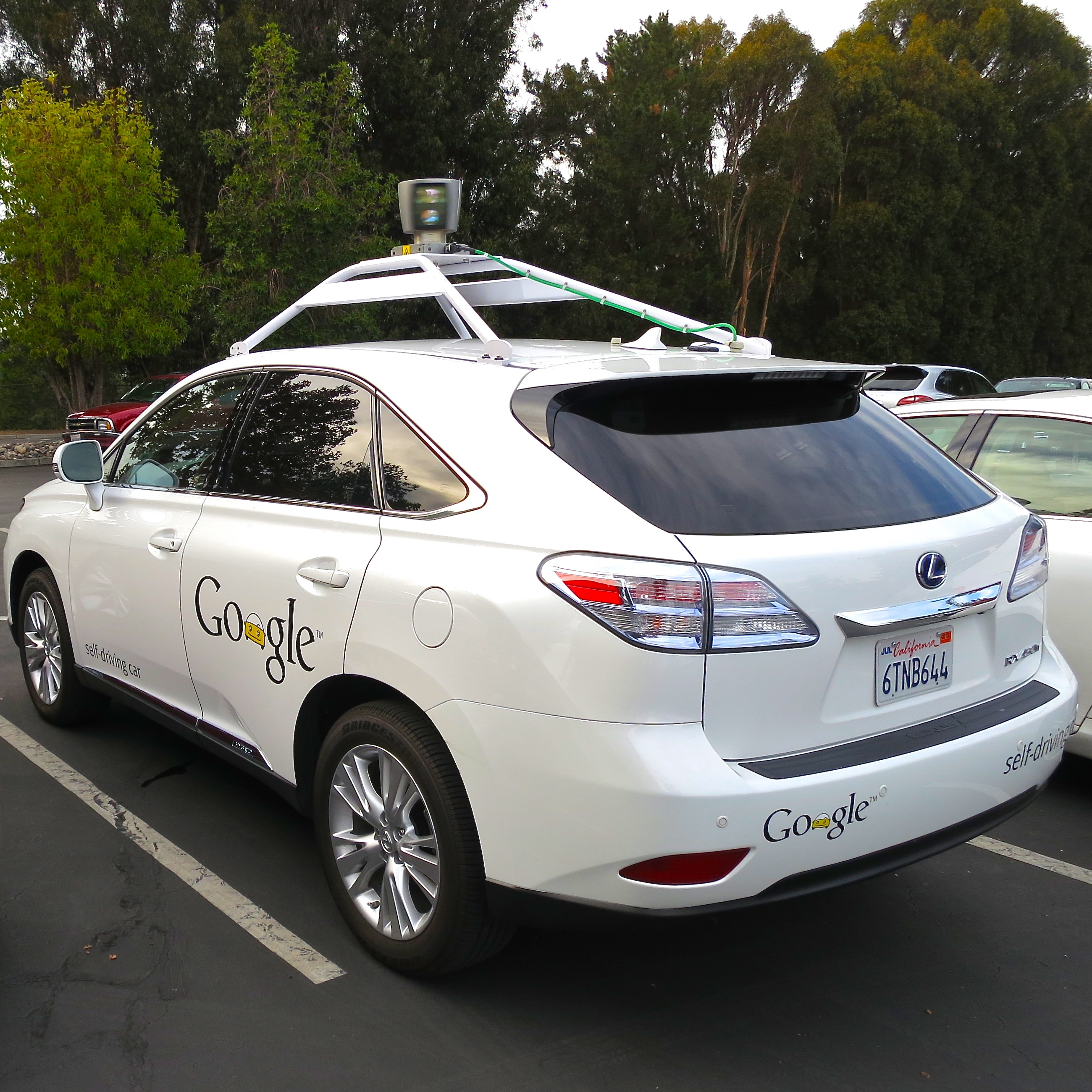
© Wikimedia Commons (Steve Jurvetson)

[cnxvideo id=”655405″ placement=”ros”]Driverless cars, sometimes referred to as autonomous cars or self-driving cars, will cost Americans over 4 millions jobs, according to one estimate. The question is whether the forecast foundation is believable.

A case can be made on either side of the argument that self-driving cars will add or take jobs from the economy. The chauffeur population is too small to make a difference. New car manufacturing jobs might add employment. On the other hand, people who make cars for drivers can be reassigned.   There is an argument that fewer accidents mean a lower need for medical personnel. However, there is some evidence that driverless cars are dangerous. The attempts to make calculations become ridiculous.

Wolf Street recently made the case that the rise of driverless technology will cost 4 million jobs. The argument is based on what may happen in the driverless truck market, so passenger car industry statistics may useless

Trucking and delivery companies are looking at this math from their point of view. Automating the driving process could save them a ton of money. And the big ones are all thinking about it, and spending money on research.

No one is going to switch to fully autonomous trucks next year. This will take some time. But given the amount of resources pouring into it, it won’t take all that much time. A few years perhaps before the first significant numbers are starting to crop up.

Then what? What are the 3.5 million professional and trained full-time drivers going to do? OK, some of them are going to retire by then. But this is still one of the big job opportunities for people without a degree in engineering, willing to be trained and willing to work hard and long hours. These opportunities are now scheduled to go away.

Add to this enough part time drivers to take this to 4.1 million, Wolf Street points out.

[nativounit]

There is a portion of the math which could be correct. By a different token, more trucking jobs might be taken up by the railroads, if rail freight costs fall. Or, freight may eventually be moved by transporter beam

[wallst_email_signup]


Photo of Douglas A. McIntyre
About the Author Douglas A. McIntyre →

Douglas A. McIntyre is the co-founder, chief executive officer and editor in chief of 24/7 Wall St. and 24/7 Tempo. He has held these jobs since 2006.

McIntyre has written thousands of articles for 24/7 Wall St. He is an expert on corporate finance, the automotive industry, media companies and international finance. He has edited articles on national demographics, sports, personal income and travel.

His work has been quoted or mentioned in The New York Times, The Wall Street Journal, Los Angeles Times, The Washington Post, NBC News, Time, The New Yorker, HuffPost USA Today, Business Insider, Yahoo, AOL, MarketWatch, The Atlantic, Bloomberg, New York Post, Chicago Tribune, Forbes, The Guardian and many other major publications. McIntyre has been a guest on CNBC, the BBC and television and radio stations across the country.

A magna cum laude graduate of Harvard College, McIntyre also was president of The Harvard Advocate. Founded in 1866, the Advocate is the oldest college publication in the United States.

TheStreet.com, Comps.com and Edgar Online are some of the public companies for which McIntyre served on the board of directors. He was a Vicinity Corporation board member when the company was sold to Microsoft in 2002. He served on the audit committees of some of these companies.

McIntyre has been the CEO of FutureSource, a provider of trading terminals and news to commodities and futures traders. He was president of Switchboard, the online phone directory company. He served as chairman and CEO of On2 Technologies, the video compression company that provided video compression software for Adobe’s Flash. Google bought On2 in 2009.

Continue Reading

Top Gaining Stocks

CBOE Vol: 1,568,143
PSKY Vol: 12,285,993
STX Vol: 7,378,346
ORCL Vol: 26,317,675
DDOG Vol: 6,247,779

Top Losing Stocks

LKQ
LKQ Vol: 4,367,433
CLX Vol: 13,260,523
SYK Vol: 4,519,455
MHK Vol: 1,859,865
AMGN Vol: 3,818,618