



[cnxvideo id=”507122″ placement=”ros”]Representatives from OPEC, Russia and virtually every oil and gas producer in the world kick off a week-long conference in Houston Monday morning at a time when the industry is changing more rapidly than it has in more than a century. New-vehicle fuel-efficiency ratings, global agreements on carbon emissions and, of course, rising crude oil prices courtesy of production cuts are all on the conference agenda.
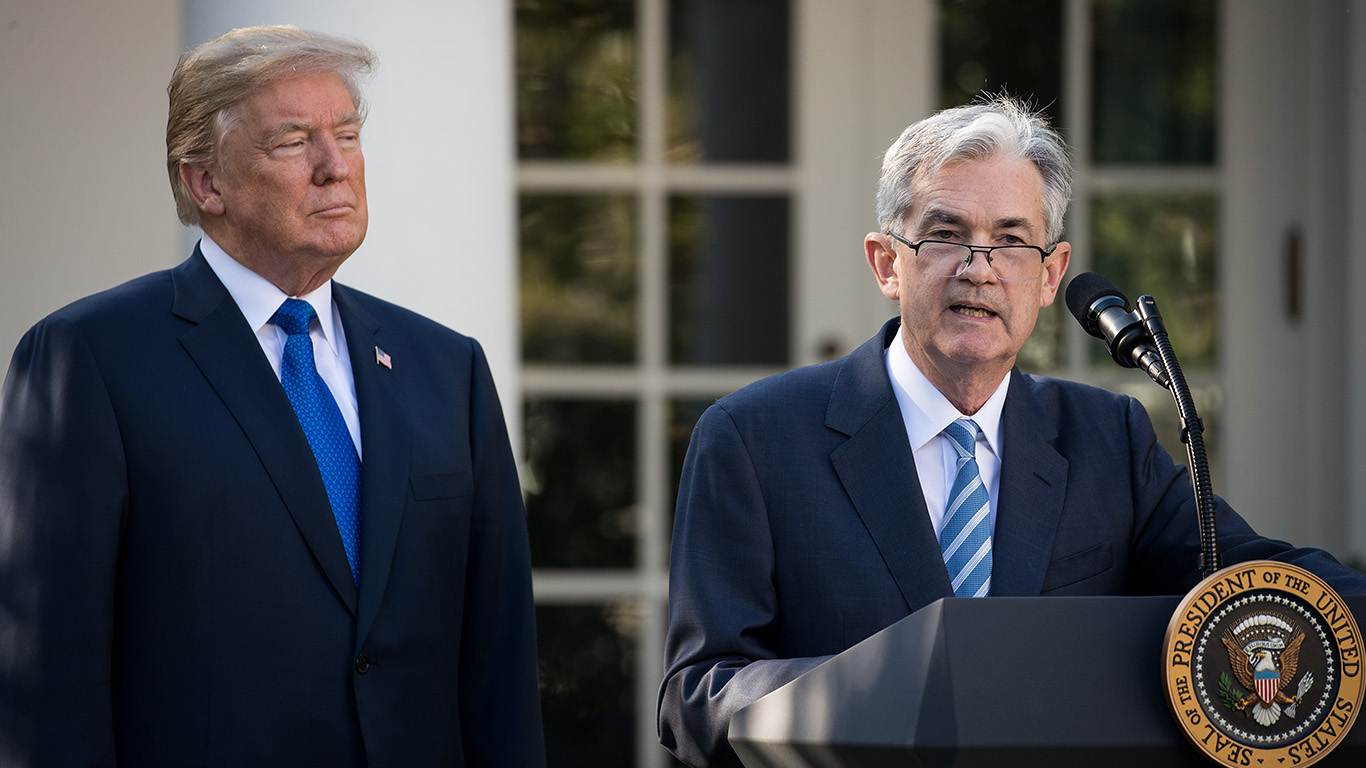
The election of Donald Trump has added even more uncertainty to an industry that has been through a pretty rough patch for the past couple of years. Trump is likely later this week to reopen an agreement struck between the Obama administration and automakers that set a fleet mileage target of 54.5 miles per gallon (mpg) by 2025.
Easing off on the 2025 target would likely increase U.S. demand for oil only slightly, but the message it sends to the rest of the world is that fuel economy and carbon emissions have no special claim on U.S. energy policy.
[nativounit]
President Trump already has rolled back more than 90 regulations on everything from gun sales to individuals with mental health problems to the amount of reserves required of Wall Street banks. He also has lifted restrictions on coal mining and oil and gas exploration, and more of that is likely to follow. The last-minute Obama ban on drilling offshore of Alaska is a likely early target.
Coincident with the start of CERAWeek, researchers Michael Sivak and Brandon Schoettle of the University of Michigan’s Transportation Research Institute have released their monthly report on the average sales-weighted fuel-economy of new cars sold in the United States.
The average fuel-economy rating for new vehicles sold in the United States in February 2017 was 25.1 mpg, unchanged compared with the January average. For all of 2016 the average fuel-economy rating for new vehicles sold was 25.2 mpg, down 0.1 mpg from the 2015 average.
Compared with October 2007, fuel economy ratings on new cars sold has improved by five miles per gallon, or nearly 25%.
While the window sticker average is 5 mpg higher than when the data were first collected, the average is still 0.4 mpg below its revised all-time high of 25.5 mpg set in August 2014. When gasoline prices started dropping in the United States, consumers purchased more light trucks, sport utility vehicles and crossovers, which get lower mpg ratings and drive down the average.
The sales-weighted unadjusted Corporate Average Fuel Economy (CAFE) performance rating averaged 31.3 miles per gallon in February, also unchanged month over month and an improvement of 6.4 mpg since October 2007. These values are not directly comparable to the window-sticker ratings because these are adjusted by the EPA and used to derive the window-sticker ratings.
U.S. auto sales in 2016 rose 0.3% year over year, at a record 17.54 million units, compared with 17.48 million units sold in 2015.
[wallst_email_signup]






 Top Gaining Stocks
 Top Losing Stocks