


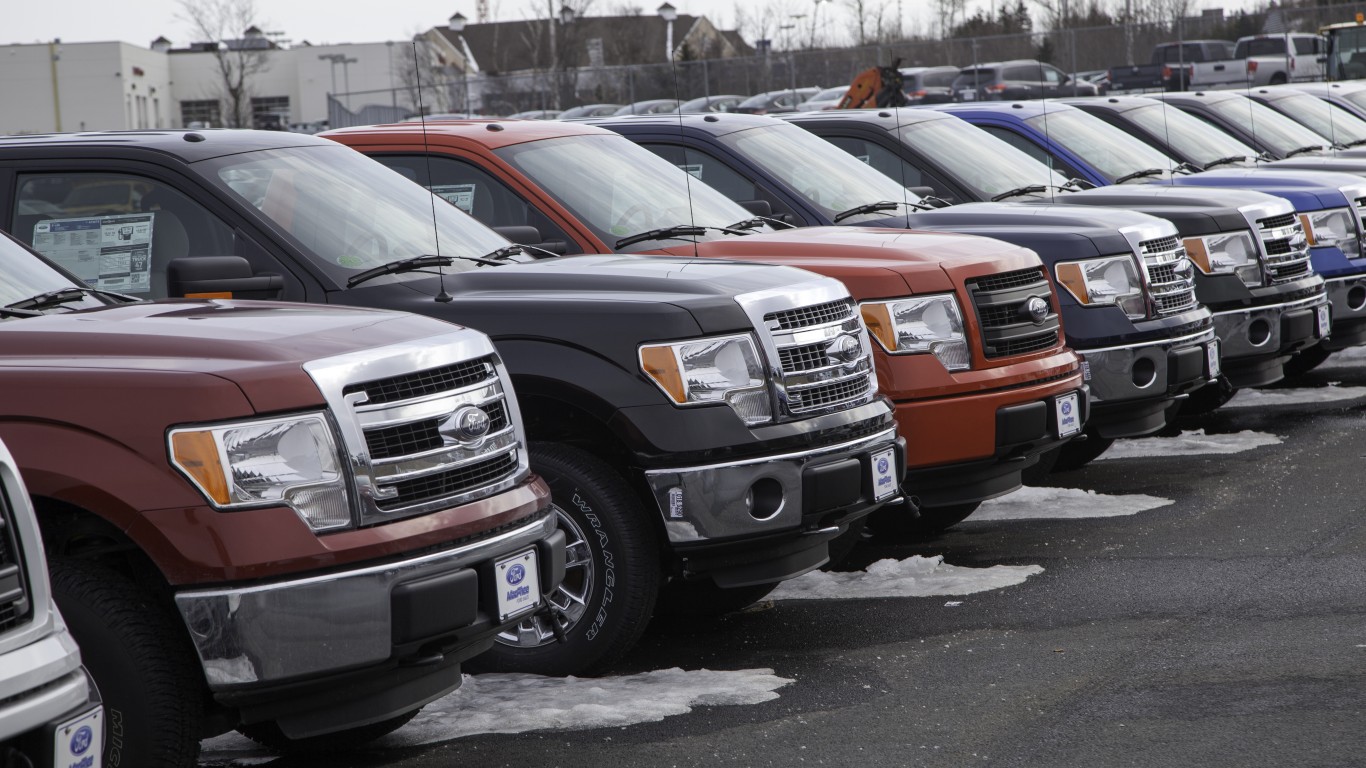
U.S. auto dealers are indicating that they essentially are no more or no less optimistic about demand for new cars than they were in the first quarter of 2019. Expectations for the third quarter fell but remained in positive territory.
The conclusions are based on the Cox Automotive Dealer Sentiment survey and index for the second quarter of 2019 released Monday. The overall sentiment index from franchise and independent dealers rose from 48 in the prior quarter to 49 for the second quarter, lower than the index score of 52 in the second quarter of 2018. An index score ranges from 0 to 100, and any number over 50 indicates that more dealers view conditions as strong rather than weak. When an index is below 50, overall sentiment is negative.
When asked what they expected the market in their areas to look like in three months, the overall index score of 62 was unchanged quarter over quarter, its highest level since the second quarter of last year when the index score was 69.
A profitability index score of 51 for franchise dealers was eight points higher than in the prior quarter, while independent dealers raised their profitability score by six points to 42, likely indicating rising prices for both new and used cars paired with customers who are willing to pay the higher prices. The overall index score of 66 related to the cost of doing business shows costs dipping slightly, although the decreases remain small and fewer franchise dealers are feeling pressure from customers to reduce prices. Overall, however, dealers are feeling increased pressure to lower their prices.
[nativounit]
The index score for new car sales rose slightly from 53 in the prior quarter to 54 and the index score for new-car inventory rose from 60 to 64. Index scores for used-car sales rose by three points to 56 and the index score for used-car inventory fell overall by eight points to 46. That’s no particular surprise given the increase in new car prices.
When asked what is holding back their businesses, dealers overall cited market conditions (40%, down from 45% in the prior quarter) as the main weight, followed by competition (35%, down from 37%) and interest rates (16%, down from 22%). The 2017 tax law changes negatively affected 8% of dealers, up from 4% in the prior quarter. That is probably due to smaller-than-expected tax refund checks.
Cox Automotive’s chief economist, Jonathan Smoke, sums it up:
The overall view of the market is remarkably stable this spring relative to the beginning of the year. It is encouraging to see that dealers remain optimistic. But their outlook has moderated substantially from the peak in optimism we saw last year as numerous negative factors continue to dampen future expectations. If market strength is being driven by used vehicles, can used-vehicle sales remain strong considering declining inventory? That’s a concern to watch in the coming months.
Dealers of one famous brand may be suffering particularly badly. Its U.S. sales have nearly sunk out of sight.
[recirclink id=552927]
[wallst_email_signup]











 Top Gaining Stocks
 Top Losing Stocks