


 The raging debate about the largest American banks is whether their stock market values should be zero. Economist Nouriel Roubini, the most highly paid pessimist in the world, recently said that US banks are "insolvent" and credit crisis write-downs will total $3.6 trillion. That is a great deal more than has been taken as losses by financial firms to date.
Americans can also look at the choices made by the UK to salvage its credit system. Large banks there are being effectively bought out by the government as the UK attempts to put a firewall around huge losses from toxic assets.The Royal Bank of Scotland (RBS) is already 70% owned by the government and management’s kilts have been repossessed.
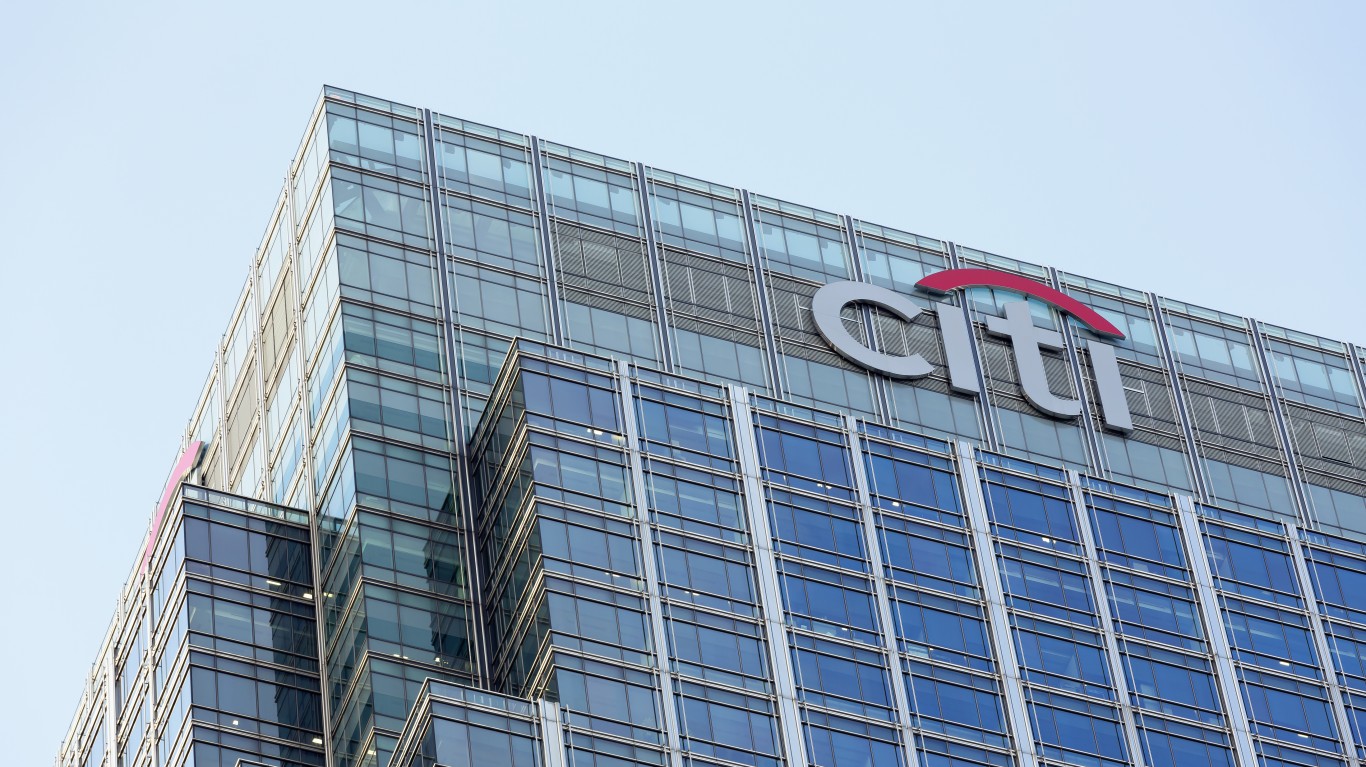
The case that the equity value of firms including Citigroup (C) and Bank of America (BAC) has dropped to nothing is compelling. Once the government said it would back losses of over $300 billion from the Citi balance sheet, it was a tacit way of saying that Citi was no longer independent. Its market cap is now down to $15 billion, and at $2.80 its stock is a day-trader’s dream.
Not only are the Citigroup shareholders likely to be out of luck, especially if the Fed, Treasury, and FDIC have to step in again, but most of the preferred shareholders and debt holders will be wiped out in the flood as well.
Bank of America’s purchase of Merrill Lynch could be the ruin of this bank. The bad assets of the brokerage firm were apparently both huge and well-hidden by management, the brokerage firm’s board, or the auditors. The most charitable view of the people in charge at Merrill is that they were boobs. Anything beyond that starts to point a finger in the direction of liability and shareholder suits.
If the federal government does have to make another large series of investments in this industry, companies like Citi will end up like AIG (AIG), Fannie Mae (FNM), and Freddie Mac (FNM), vassals who toil in the fields guided by the whims of Congressional committees and the financial arms of the administration.
US banks do have one last and very large asset: their names. Marketers used to call this brand equity. It was a nonsensical way of saying that having a company’s name on hundreds of buildings and sports stadiums made customers more comfortable being customers. Decades of advertising did that for Citi and B of A. The credit crisis has not entirely ruined those reputations.Citi retail customers in Italy probably don’t worry about the hundred dollars they have in the big bank. It is simply very difficult to see how the "body of the brand" can be exhumed.
Who would like to own the Citigroup name? It could probably be auctioned off to a lot of healthy local banks. It might even find a buyer in Asia or the Middle East, until, that is, their banks start to fail, too.
Douglas A. McIntyre





 Top Gaining Stocks
 Top Losing Stocks