


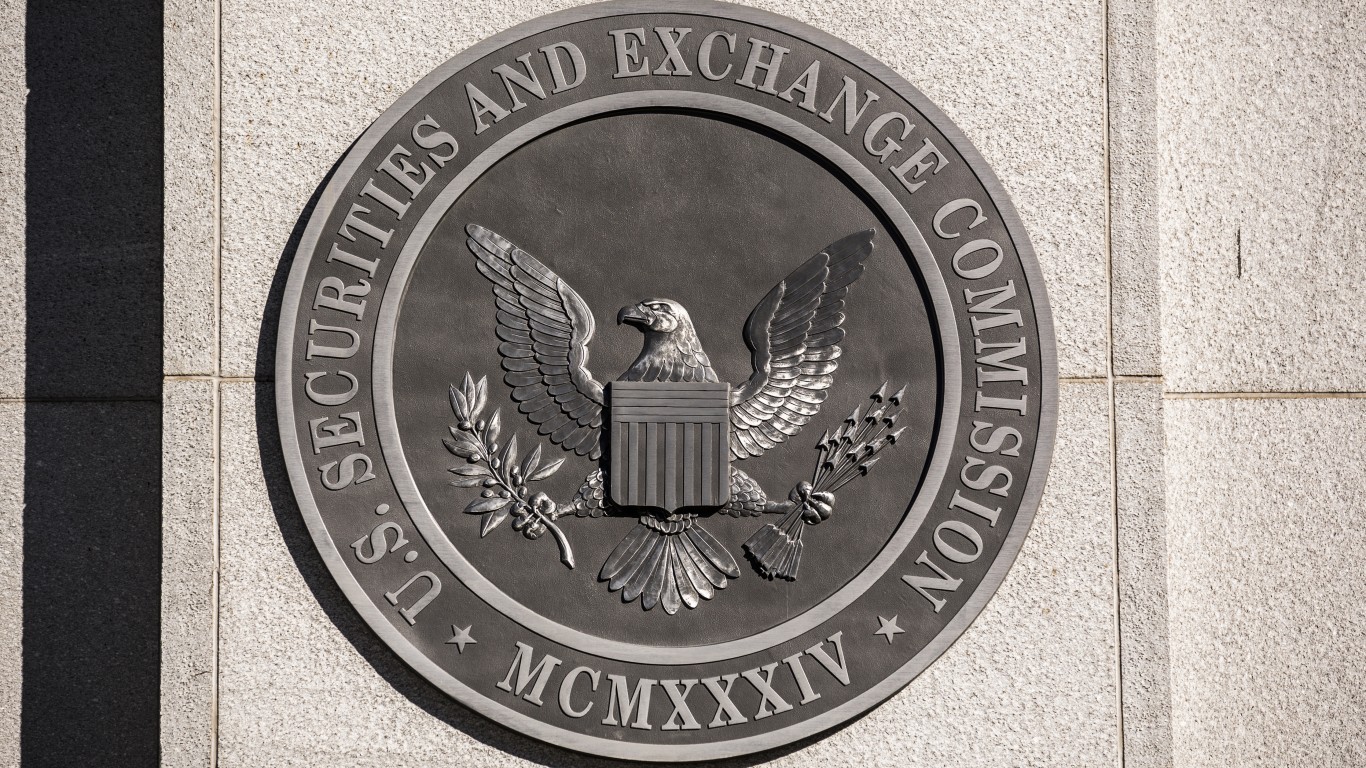
 There is a notion that Goldman Sachs Group (NYSE: GS) should not be allowed to buy shares in Facebook for $450 million and sell them to clients. The SEC plans to look into the trading of shares in Facebook and other private companies such as Groupon and Twitter. The agency must figure that these trades should be regulated. Maybe these private companies should disclose more about their businesses before their “stocks” can trade in quiet exchanges between the wealthy and venture capital firms.
The battle over private company disclosure is a red herring. Accredited investors, who have identified themselves as rich and perhaps smart, buy shares in private enterprises all the time. The nature of the venture capital industry is to invest in private enterprises. This often involves price increases or reductions as new rounds of money are raised. Founders cash out of positions in non-public companies. The value of their holdings is determined by what a few expert investors will pay.
The battle over disclosure in the Facebook case has more to do with scale than the theory that it is bad to buy and sell the debt or equity of firms that are not traded on public company stock exchanges. The SEC would almost certainly not care if Facebook’s value were $50 million. Facebook has a valuation of $50 billion. Groupon’s is closer to $6 billion, a level which is not terribly different from Twitter’s. The sums of money have become large enough to make headlines around the world.
The other criticism of the exchange of shares in private companies is that somehow the prices are fixed. A founder gets more money for his shares than they are worth. The issue is who buys those shares and whether they are stupid enough to overpay. The same holds true for public company stocks. Fools buy shares in badly managed firms all the time. These are corporations which have had to meet the SEC disclosure rules. Intelligent investors in any market try to buy low and sell high.
Facebook has come under scrutiny because its value now exceeds that of most public companies. That should not matter. Its shares trade based on the intelligence of supposedly well-informed investors. The market is only fixed to the extent that some buyers are more perceptive than others. It is a market which regulates itself based on normal economic rules.
Douglas A. McIntyre







 Top Gaining Stocks
 Top Losing Stocks