No Greek Risk In EU Bank Stress Tests

Photo of Douglas A. McIntyre
By Douglas A. McIntyre Published
This post may contain links from our sponsors and affiliates, and Flywheel Publishing may receive compensation for actions taken through them.

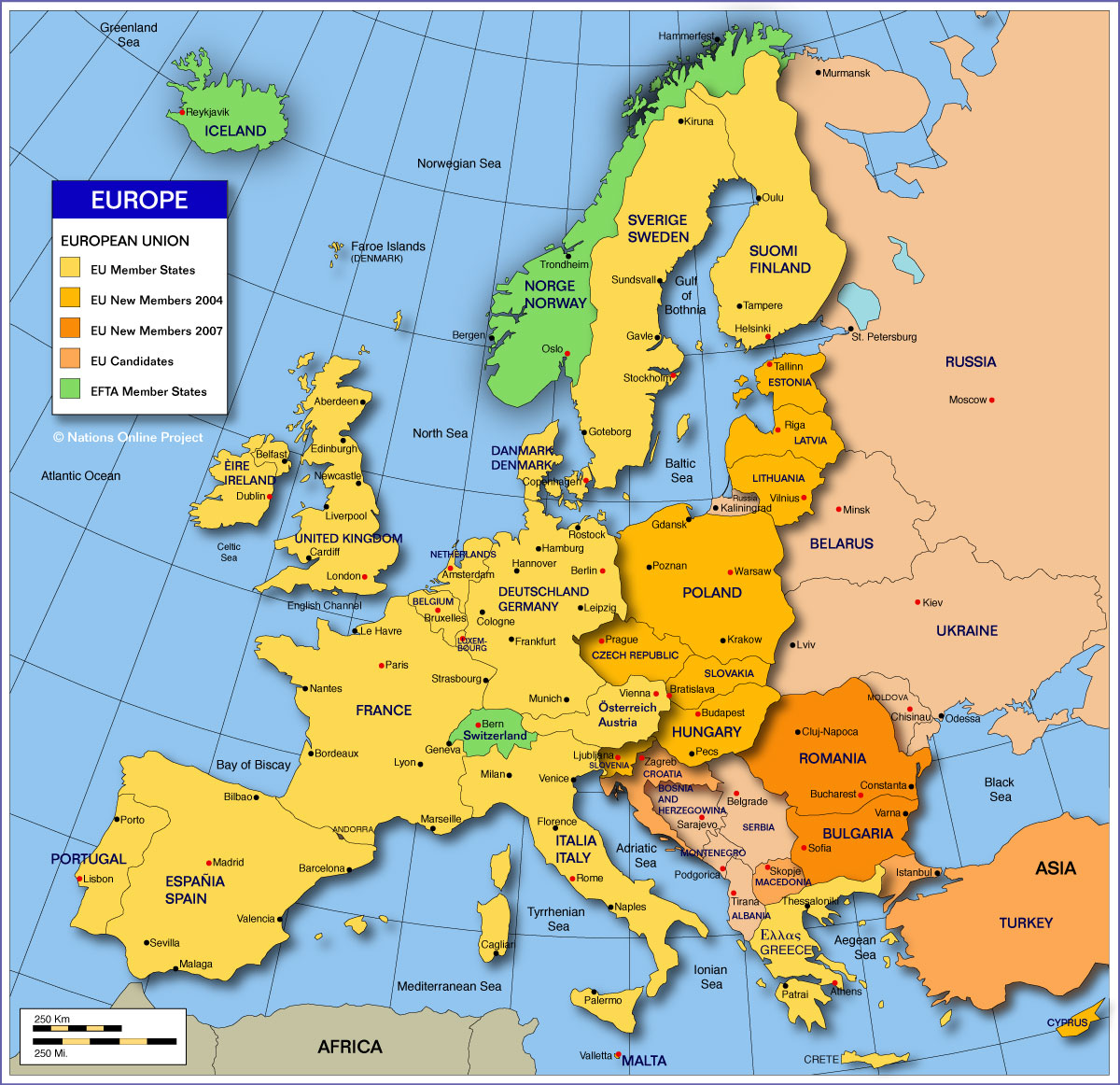
A test is only as useful as what it tests for. The European Banking Authority is about to release stress tests on 91 large banks in the region. What the results will not contain is the exposure of the financial institutions if Greece is thrown into default should the IMF, EU, and private shareholders cannot agree on a rescue package.

“The sovereign debt default problem is the depth charge to the credibility of this exercise,” Bob Penn, financial-services partner at Allen & Overy LLP said according to Bloomberg. “There’s nothing the EBA can do about that because it’s politically unthinkable.” That said, the exercise is barely useful at all.

Stress tests are always limited because those who create them know that they can only collect a very limited amount of data about banks. Large financial firms have remarkably complex balance sheets. Only so many contingencies and scenarios can be put into even the most complex model. But there are some measurements that are critical. And among EU banks it is the amount of sovereign debt holdings. Also critical are any assessments banks have made about the damage a Greek default would have on them. Those measurements and assessments would also have to be extended to Ireland, Portugal and Spain at the very least.

It is amazing that banks, as well as those who have created the tests, would risk the fate of the capital and credit markets because they refuse to disclose data that might reveal weaknesses. Better to know which banks are weak now and fix them, even if it costs their shareholders some considerable amount of  investments and some bank officials their jobs. That happened in the U.S. after the credit crisis. Some CEOs and boards were dismissed because they either did not see or refused to acknowledge balance sheet risks as the mortgage crisis began.

The results of the EU bank stress tests are already known. They will become public shortly, to the extent that the banks and regulators have compromised on what can be revealed and what cannot. The insistence of banks to control a large part of the process makes the results less than useful. Whatever warning signs the data might have provided are already lost even before the reports have been seen by anyone beyond regulators–and the banks.

Douglas A. McIntyre

Photo of Douglas A. McIntyre
About the Author Douglas A. McIntyre →

Douglas A. McIntyre is the co-founder, chief executive officer and editor in chief of 24/7 Wall St. and 24/7 Tempo. He has held these jobs since 2006.

McIntyre has written thousands of articles for 24/7 Wall St. He is an expert on corporate finance, the automotive industry, media companies and international finance. He has edited articles on national demographics, sports, personal income and travel.

His work has been quoted or mentioned in The New York Times, The Wall Street Journal, Los Angeles Times, The Washington Post, NBC News, Time, The New Yorker, HuffPost USA Today, Business Insider, Yahoo, AOL, MarketWatch, The Atlantic, Bloomberg, New York Post, Chicago Tribune, Forbes, The Guardian and many other major publications. McIntyre has been a guest on CNBC, the BBC and television and radio stations across the country.

A magna cum laude graduate of Harvard College, McIntyre also was president of The Harvard Advocate. Founded in 1866, the Advocate is the oldest college publication in the United States.

TheStreet.com, Comps.com and Edgar Online are some of the public companies for which McIntyre served on the board of directors. He was a Vicinity Corporation board member when the company was sold to Microsoft in 2002. He served on the audit committees of some of these companies.

McIntyre has been the CEO of FutureSource, a provider of trading terminals and news to commodities and futures traders. He was president of Switchboard, the online phone directory company. He served as chairman and CEO of On2 Technologies, the video compression company that provided video compression software for Adobe’s Flash. Google bought On2 in 2009.

Featured Reads

Our top personal finance-related articles today. Your wallet will thank you later.

Continue Reading

Top Gaining Stocks

CBOE Vol: 1,568,143
PSKY Vol: 12,285,993
STX Vol: 7,378,346
ORCL Vol: 26,317,675
DDOG Vol: 6,247,779

Top Losing Stocks

LKQ
LKQ Vol: 4,367,433
CLX Vol: 13,260,523
SYK Vol: 4,519,455
MHK Vol: 1,859,865
AMGN Vol: 3,818,618



