


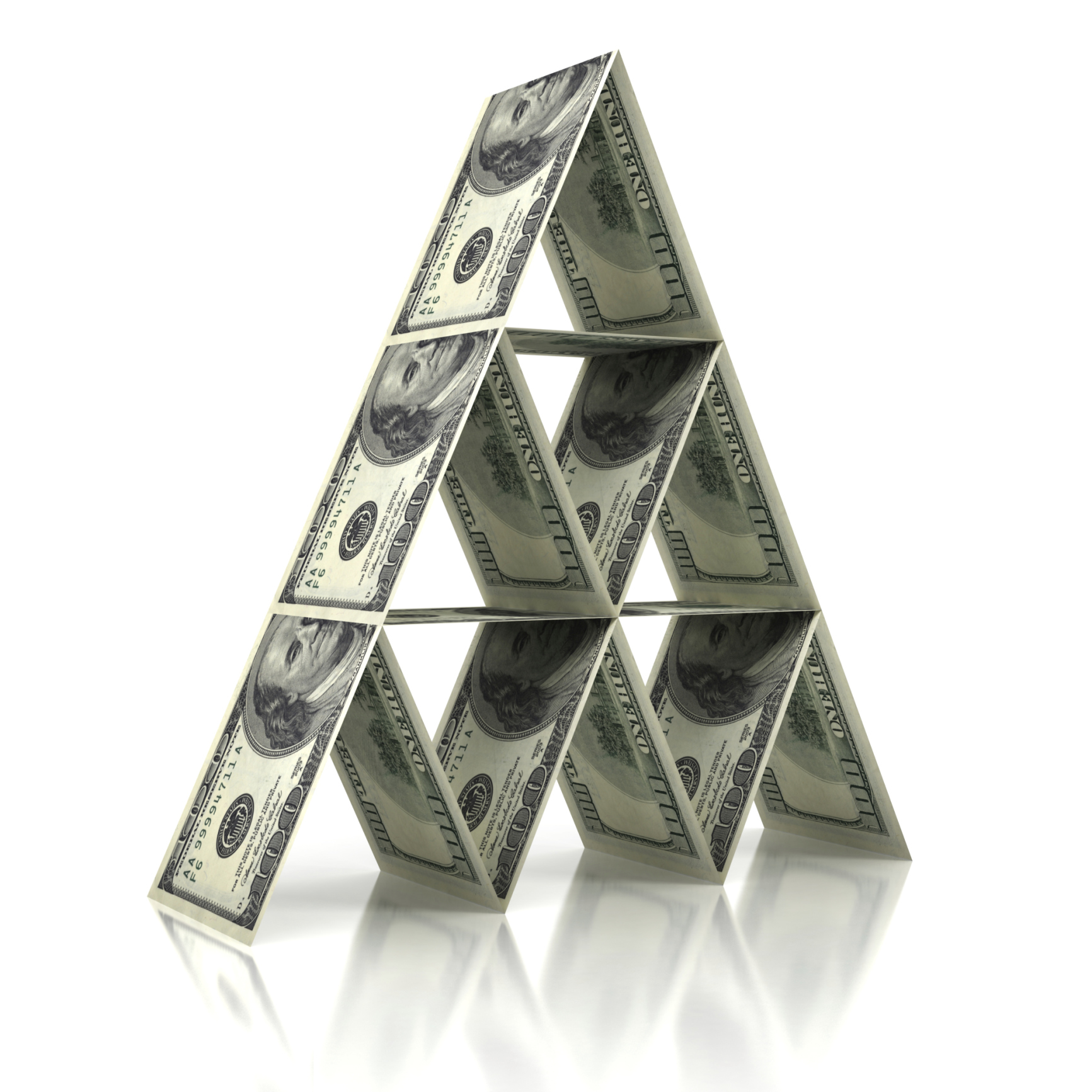
No money was injured while filming
The floor for interest rates is ZERO. Right? Apparently not when extreme conditions arise. Those extreme conditions came today as investors moved solidly into the safety of very short-dated T-bills and the bidding was so intense for a while the real rate was actually a negative yield. The rate technically went to -0.01% on the 1-month bills and this came on the same day that both the S&P and DJIA went into formal correction territory.
While the Swiss have taken rates to zero, and while there has been a huge move to cash, The Bank of New York Mellon Corp. (NYSE: BK) went on to start charging some large depositors just to hold their cash. Effectively, this takes overnight and extremely short-term rates to a negative yield. This will begin next week for customers who have sharply increased their deposit values in recent weeks. We have yet to hear of any rate changes like this at State Street Corporation (NYSE: STT), but if there is not a revolt from customers then it seems a shoe in that State Street would follow BNY Mellon’s lead.
The fee charged by Bank of New York is going to be set at 13 basis-points, or 0.13%, but there will be an additional fee if the 1-month Treasury yield dips under zero on $50 million deposits. If you do not understand this fee, it is not just because custodial banks are trying to force risk-taking nor just because they are the “greedy bankers” we all like to accuse them of being. Custodial banks pay close to 0.1% to insure accounts with the Federal Deposit Insurance Corporation (FDIC). If the rate on T-bills dips too low, as its situation shows now, it actually costs the banks for customers to deposit overnight cash.
What happened is that investors rapidly bought up short-dated Treasury bills, driving down the yields into the negative territory today. There was a time in 2010 where yields in the inflation-adjusting TIPS went negative in yield because of the prices and the conversion adjustments at the time. If this explanation is a bit off, we have some other sources that gave their explanations as well:
Any time you see a 500-point sell-off that coincides with a crazy rate situation like you saw today, you know what the fear is… The next recession.
The markets are looking at the global austerity measures that have been piled on top of all of the other woes of the world and the risk trade and the growth expectation is being repriced. Most economists have been trimming the expectations so far for Q3 and Q4 in GDP growth.
What you haven’t seen is where the economists start predicting that GDP will not only slow, but the predictions are very near that the economists will be calling for GDP to back under the red-line. A lot is riding on Friday’s unemployment and non-farm payrolls data. If anyone is expecting those numbers to be good they have not been watching the news over the last few weeks.
JON C. OGG












 Top Gaining Stocks
 Top Losing Stocks